
La Vallée de la Gastronomie
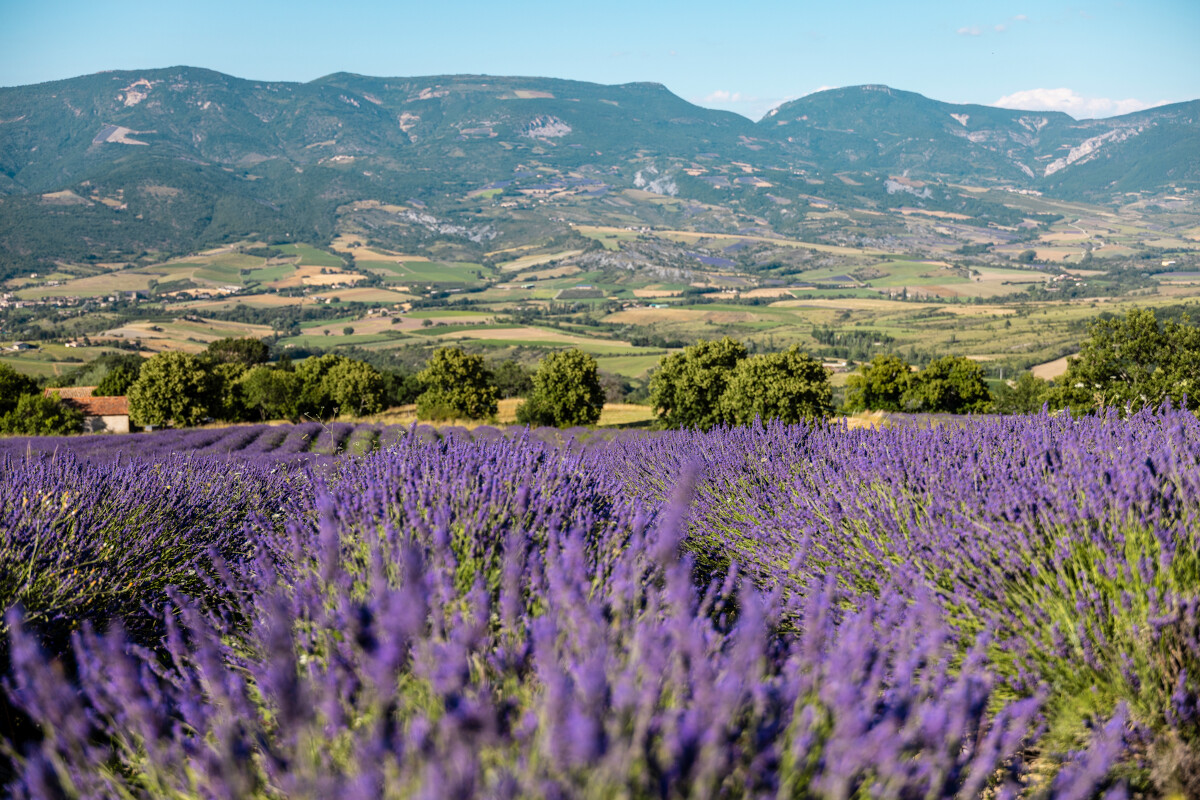
La Vallée de la Gastronomie – France encompasses 75,591km2 along the rivers Saône and Rhône, jam-packed with 470 (and counting) gourmet experiences.
From Dijon, in Burgundy-Franche-Comté, via Auvergne- Rhône-Alpes to Marseille, in Provence, you will find artisans and producers keen to share their savoir-faire with visiting epicures. Each area tells the story of French gastronomy and of a civilisation based on agriculture and craft that is still thriving to this day.
The Vallée includes 48 PGIs and 165 PGIs/PDOs, reflecting a rich and varied terroir. Here, you will find 95 Michelin-starred chefs, plus 14 winemaking regions with 800 wineries ready to offer a warm welcome to tourists. Each destination has been chosen because they offer an enriching, informative experience to visitors and can be found within 45 minutes of the A6 or A7, or near the N6 or N7 trunk roads.
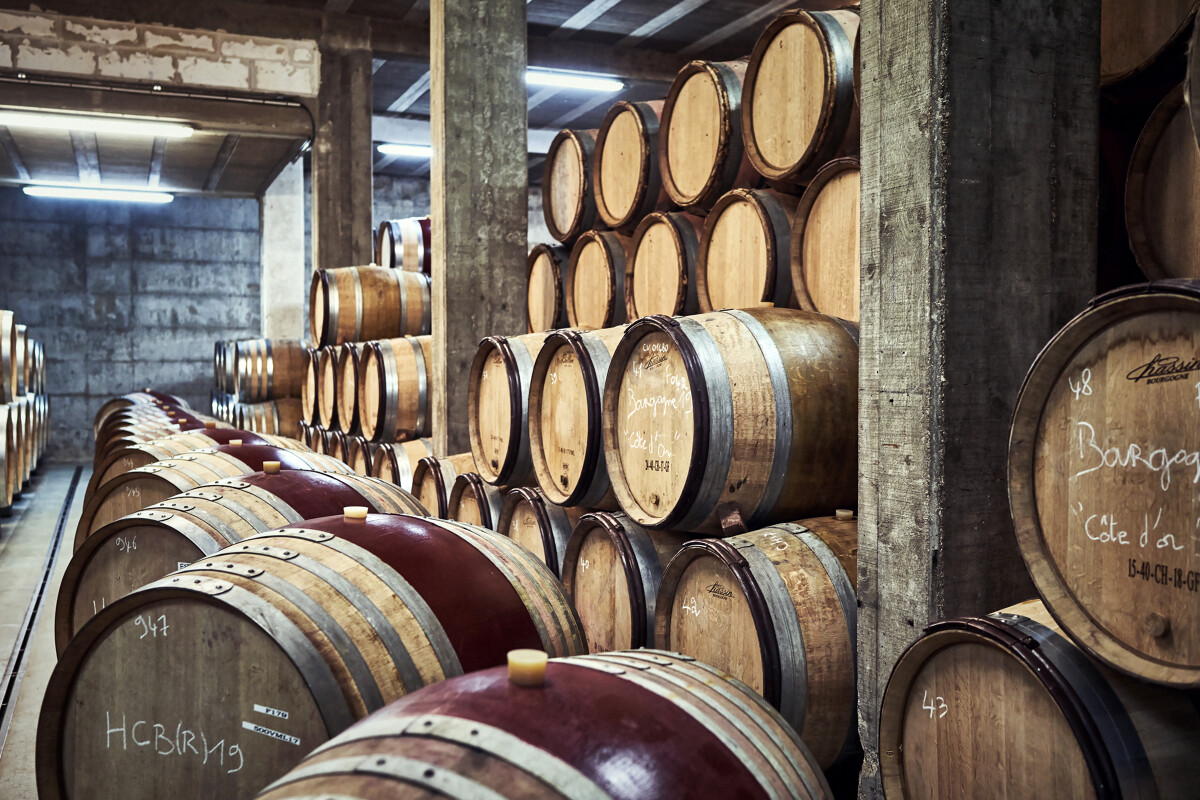
Wine-lovers will want to visit cellars and learn about the 32 Grands Crus of Burgundy spread over the Côtes de Nuits and the Côtes de Beaune, explore the vineyards of the Côtes du Rhône and taste the famous rosés of Provence. But that’s not all there is to tickle your taste buds. Along the route, taste sensations include: Dijon mustard, poultry from Bresse, nougat from Montélimar, calissons from Aix, and rice from the Camargue. In each place, you can meet the producers and share their passion for their work. For instance, in the Drôme, you can learn blending tips to create your own cuvée in Suze-la-Rousse, or in Valence glean recipe secrets from Anne-Sophie Pic, who currently holds 12 Michelin stars worldwide.
HISTORIC ROOTS
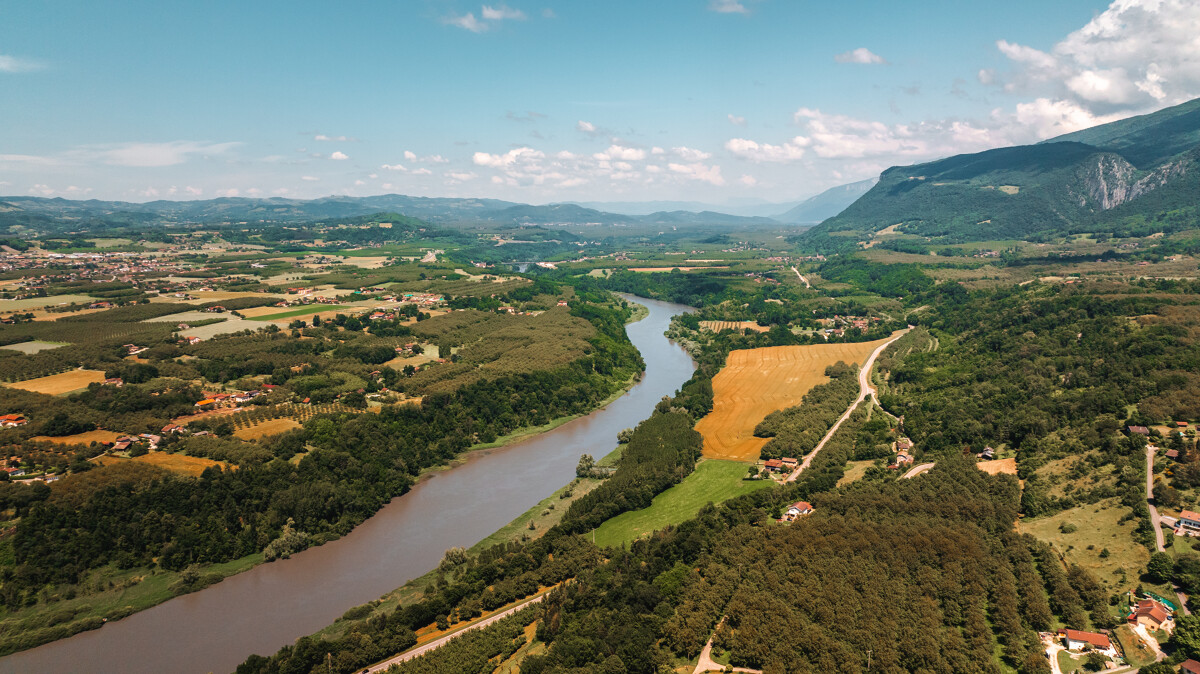
Some 60 million years ago, as the Alps rose up, a crack appeared running north to south from the North Sea to the Étang de Thau. The Western European Rift stretched over 1,000km, following the arc of the Alps and the great Rhine and Rhône corridors. Over time, the area became flooded by the sea and those marine deposits enhanced the fertility of the land.
As the sea retreated, it gave way to the Saône-Rhône corridor, marked by vast depressions. The ones to the north, influenced by a continental climate, turned into vast prairies, ideal for herding and cultivating cereals and vegetables. Those to the south, in a Mediterranean climate, proved perfect for orchards, olives and rice paddies. Along the depressions’ edges, erosion led to the formation of natural alluvial terraces where many fabled vineyards now lie. From Antiquity, the Rhône-Saône corridor served as a major trading route south to north and soon became a magnet for many different gourmet influences thanks to the merchants who passed through.
Add some content
MEET THE ARTISANS
In Burgundy, join the truffle experts for a tasting at the Maison aux Mille Truffes by l’Or des Valois at Marey-lès-Fussey, just north of Beaune. Or indulge your sweet tooth on a visit to the Anis de Flavigny factory where the secrets of these delicious aniseed-flavoured sweets will be unveiled.
In Provence, keen cooks will want to stock up on the prestigious olive oil of the Vallée des Baux. In Mouriès, France’s leading olive-growing town, you’ll find the Moulin Saint-Michel, which dates back to 1744. Here you can enjoy a guided tour, tasting and stock up on goodies in the shop.
Or head to Port-Saint-Louis-du-Rhône to visit Camargue Coquillages, the only producer of organic oysters in the southern region of France, and learn all about its unique oyster, La Perle de Camargue.
DINING DELIGHTS
Of course, all this sightseeing will have built up your appetite and, not surprisingly, there are more than a few Michelin-starred restaurants along the Vallée de la Gastronomie®. The Relais Bernard Loiseau in Saulieu, with its chef Patrick Bertron, is an icon of French gastronomy. Georges Blanc’s three-star restaurant, meanwhile, has transformed the village of Vonnas, in the Ain department, into a true gastronomic destination.
Or treat yourself to the flavours and fragrances of Provence at La Magdeleine in Gémenos, where dishes reflect the local products carefully selected by Michelin-starred chef Mathias Dandine.
But it’s not all about Michelin stars. The route is lined with all kinds of eateries, from village auberges to city brasseries.
How about the charming Bistrot du Quai in Charolles (Saône-et-Loire), or the quintessential Lyonnais bouchon, Daniel et Denise? Or shake out your napkin at Le Grand Puech in Mimet, the highest village in the Bouches-du-Rhône where you can enjoy exceptional views of the Étoile mountains while you dine. Here, you can even take part in a cooking lesson with Chef Michel Basaldella. Just make sure you leave enough room for your next adventure along the Vallée de la Gastronomie!