Madame de Sévigné: Bringing Parisian Society Under Louis XIV to Life
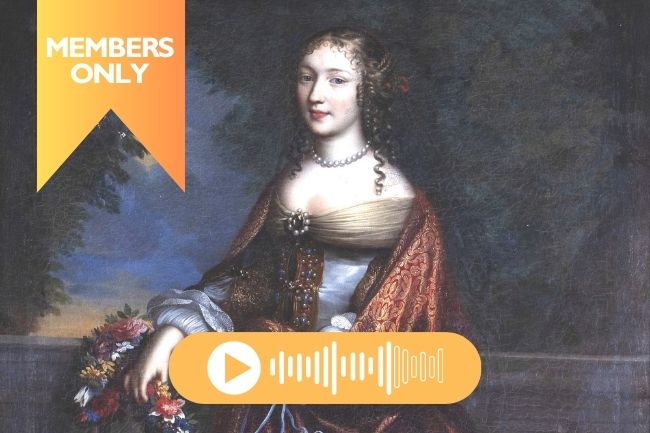
Marian Jones traces Madame de Sévigné’s life, letters and observations in Paris and beyond
📢 As you scroll through the beautiful images, why not listen to our narrated article? It’s a great way for France Today Members to dive deeper into the story while enjoying the visuals. We hope you love this experience, and we’d love to hear what you think—feel free to share your thoughts in the comments below! Happy listening!
Do you know the Rue de Sévigné in the Marais district of Paris? If you do, it’s almost certainly because you’ve been to the Musée Carnavalet, a museum on the history of Paris housed in two elegant 16th-century hôtels particuliers. It is currently (until August 23) hosting an exhibition dedicated to the gossipy writer who once called the building home and whose many letters give us a unique insight into the life of Parisian aristocracy in the reign of Louis XIV. Titled ‘Mme de Sévigné, Parisian Letters’, the exhibition celebrates the 400th anniversary of the birth of Marie de Rabutin-Chantal, better known as Madame de Sévigné.
A BEAUTIFUL HOME
Her story started in Paris, where she was born in 1626 to a noble family living in the Place Royale, now the Place des Vosges. At 18, she married a Breton noble, Henri de Sévigné, at the Saint-Gervais Church, which you can still visit today in the 4th arrondissement. Two children, Françoise and Charles, soon followed, but after just seven years of marriage, disaster struck. Henri became entangled in a love rivalry which led to a duel, fought at dawn in the grounds of Picpus Abbey in the 12th arrondissement. He was killed and Mme de Sévigné lived her remaining 50 years as a widow.
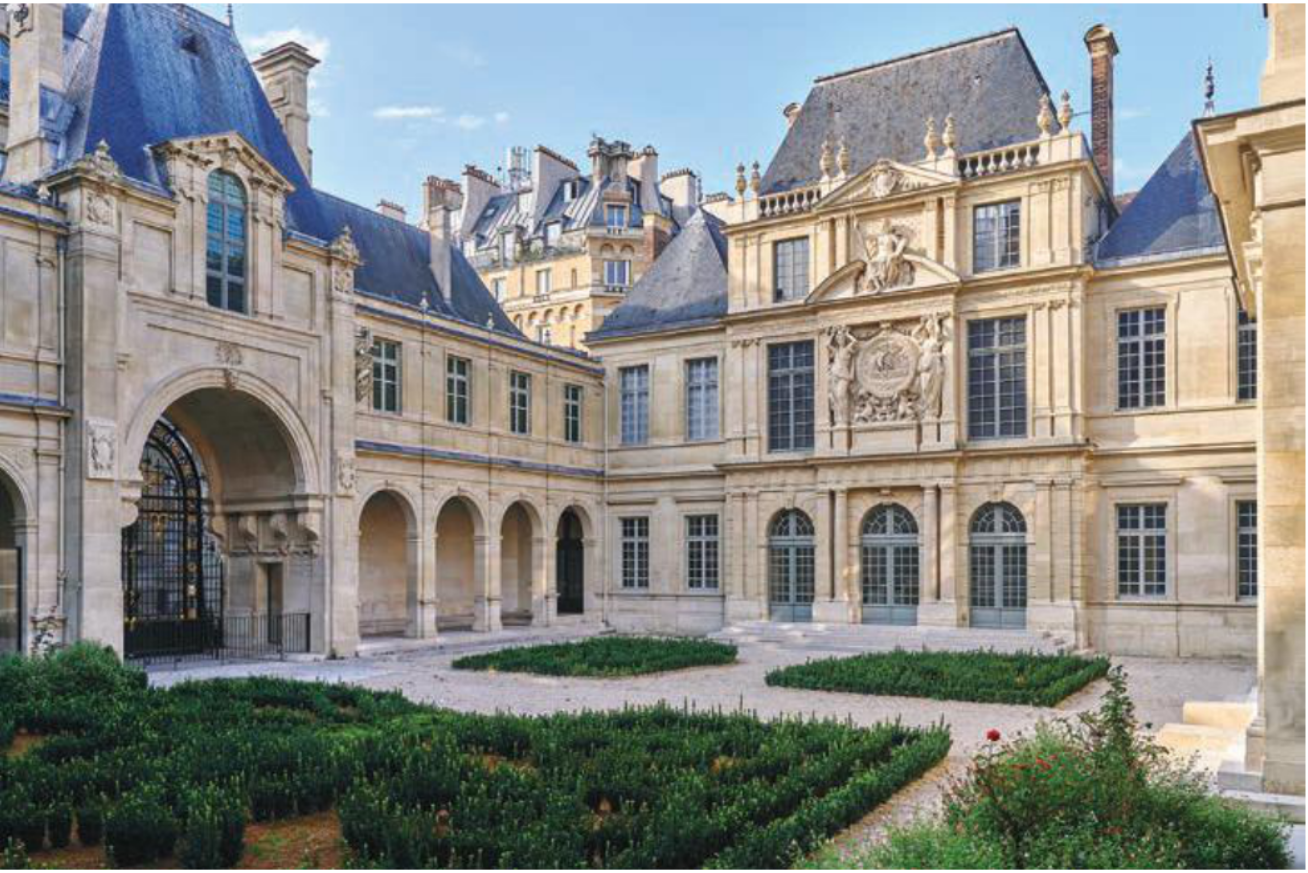
The gardens at the Musée Carnavalet, which was once home to Madame de Sévigné
She lived in a number of different streets in the Marais until settling on the building now called the Musée Carnavalet, which is the best place to ‘find’ her in Paris today. Rooms 1.01 to 1.03 of the museum are where her apartment was, overlooking a pretty courtyard. On moving in, in 1677, she commented that the building lacked “fashionable chimneys”, but was otherwise nearly perfect. Here, she wrote, I shall have “a beautiful courtyard, a beautiful garden and a beautiful neighbourhood”. Visiting today you can see portraits of her and her daughter, admire her exquisite lacquered writing desk and read or listen to examples of her writing.
Many of the letters which Madame de Sévigné wrote to her daughter and others give us fascinating glimpses into 17th-century Paris. There are occasional references to the major events of the day, such as the popular unrest of 1648, and many colourful descriptions of events she witnessed personally. One morning in 1676, she went to the Pont Neuf to see the notorious poisoner Mme de Brinvilliers passing in a horse-drawn cart on the way to her execution, noting afterwards that “the sight made me tremble”. Her descriptions of everyday life range from plans for new dresses to the often grim realities of illness and childbirth. Madame de Sévigné mixed in royal circles and her descriptions take us to the various palaces where Louis XIV held court. They include the Louvre, where she witnessed a spat between two aristocrats; Saint-Germain-en-Laye, where she had the honour of speaking to the queen herself; and the Palace of Versailles, where she attended the ‘Delights of the Enchanted Island’, a six-day extravaganza of feasting, fireworks and entertainment. “The music and the dancing,” she wrote, “were perfect.”
The signs on the Rue de Sévigné remember her as a femme de lettres, because her writings have become a classic of French literature, full of both historical detail and chatty insights into life in the Paris of her day. We read about the many soirées and dinners she enjoyed and the plays she saw at the theatre by such now-classic authors as Corneille, Racine and Molière. She also attended the newly fashionable literary salons such as the Société du samedi (Saturday Club) hosted by the writer Madeleine de Scudéry, where literature and philosophy were discussed.
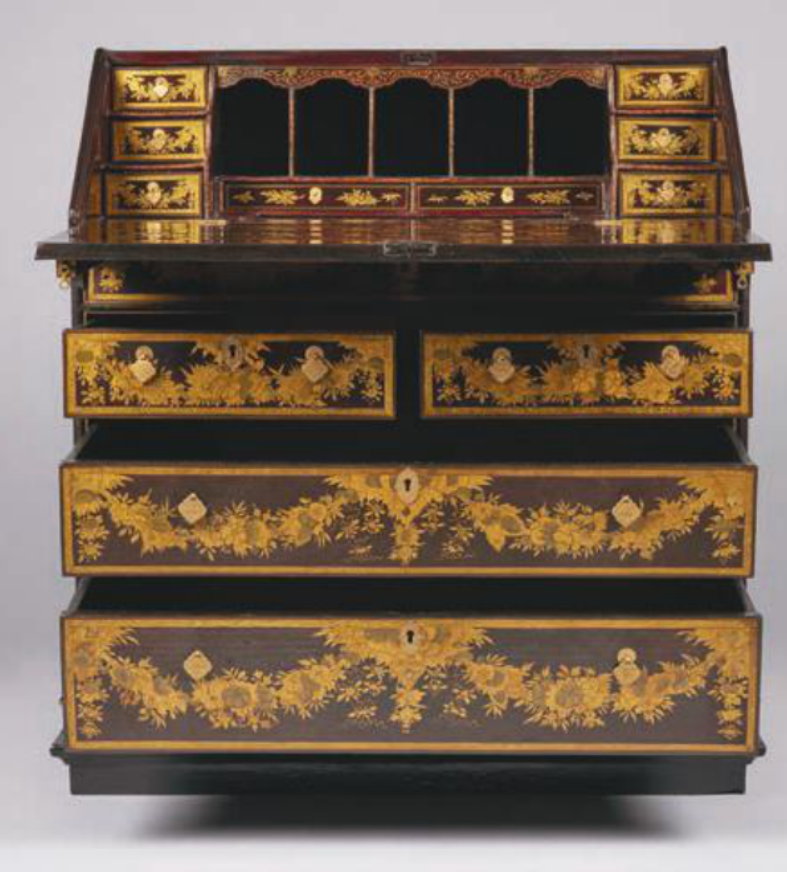
Madame de Sévigné’s desk
AWAY FROM PARIS
All of this means that we remember Mme de Sévigné very much as a Parisienne, but in fact she spent long periods elsewhere in France.
She was a frequent visitor to Livry, just outside Paris, where she would stay with her uncle, the Abbé de Coulanges. In the 17th century it was an idyllic rural retreat, the place she escaped to for weeks at a time to rest, read and write and sometimes to convalesce. The abbey has more or less disappeared, but if you take the RER out to Livry-Gargan you can still stroll around the lake where she often walked and which is now called the Lac de Sévigné. Even more important was the estate in Brittany which she inherited from her husband, centred around the castle now known as the Château des Rochers-Sévigné. It sits high on a rocky hill near the town of Vitré, a monument historique which you can still visit today. Mme de Sévigné spent part of each year there, managing the estate and enjoying a quieter life than in Paris – although her biographer says “her natural gaiety could be heard throughout the château and its grounds”. But even she needed some respite. After the hectic period known as the États de Bretagne, during which she attended “endless balls and plays three times a week”, she wrote that she needed “to rest, to sleep, to be quiet”.
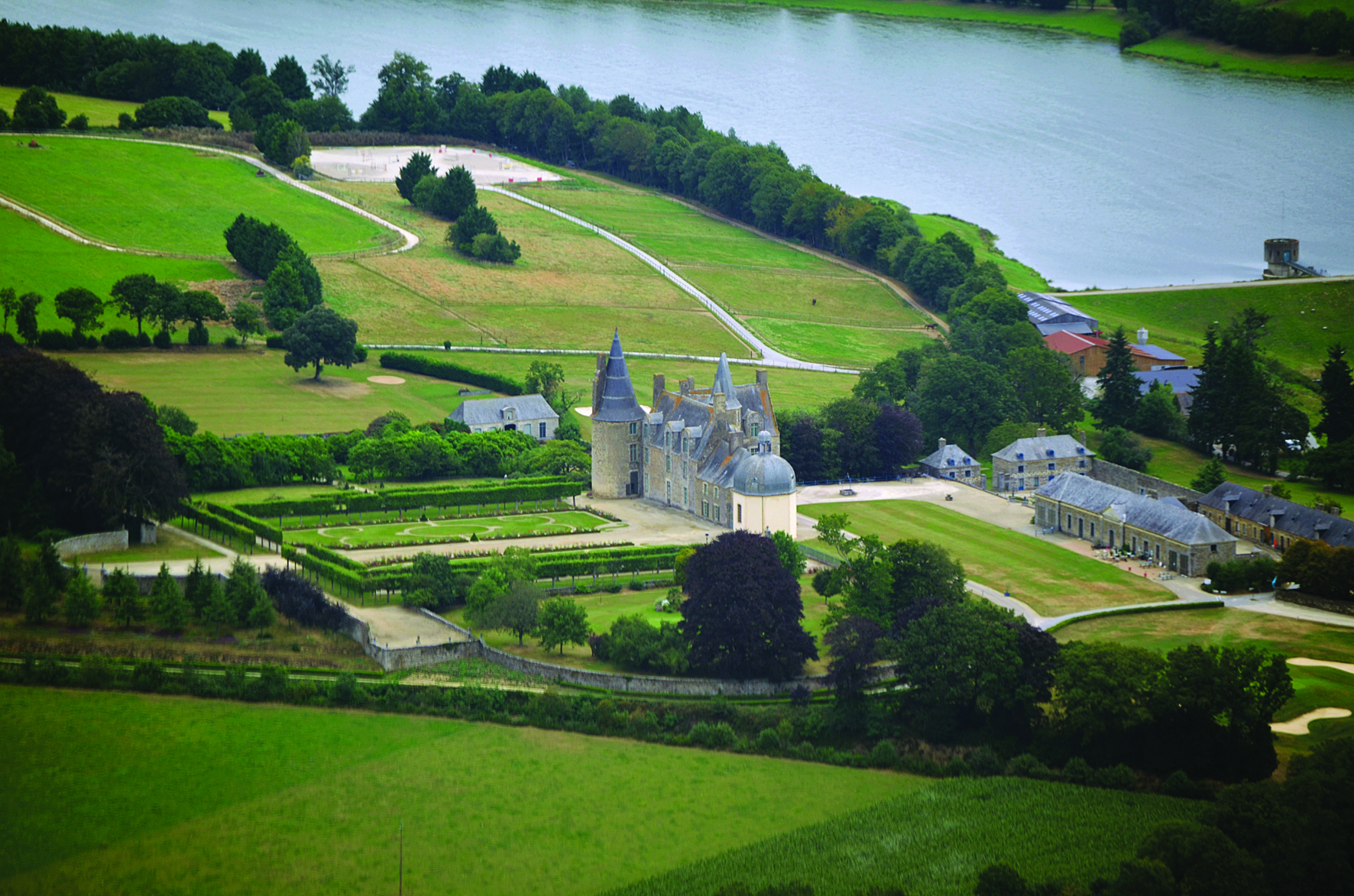
Photo : GUERRIC DE TERNAY
While in Brittany she was, says her biographer Stéphane Maltère, very much a “Parisienne in the provinces”. It was here that she saw how ordinary people lived. Her words, written a century before the French Revolution, paint a stark picture of the contrast between her wealth and their poverty. She was, she wrote, surrounded by “people who owe me money, who have no bread and sleep on straw. Que voulez-vous que je fasse? (What am I supposed to do?)”
The upheaval of travelling long distances in the 17th century is described in a letter to her daughter written in May 1671. The journey to Brittany would take several days, involving two horse-drawn carriages for her and her family, plus “three or four men on horseback” and a separate horse carrying her bed. She went on long journeys several times a year to her other properties and sometimes to Vichy to take a cure. The six-day journey there was followed by a 20-day stay, a time for walks and rests, going to mass, visiting acquaintances and, something she did with very little pleasure, taking the waters. She described them as “boiling hot, tasting of saltpetre and fort désagréable” (most unpleasant)”.
LIFE IN GRIGNAN
Perhaps the most distressing thing in Mme de Sévigné’s life was the fact that when her daughter married the Comte de Grignan, she settled in his family château in Provence. She found the separation unbearable and wrote endless letters describing how unhappy she was. She visited the Château de Grignan a number of times, but of course did not write to her daughter while there, so we don’t hear much about her experiences. However, it was there that she died in 1696 and she is buried in its church. It too is a monument historique, set on a rocky promontory west of Montélimar, and open for visits and guided tours.
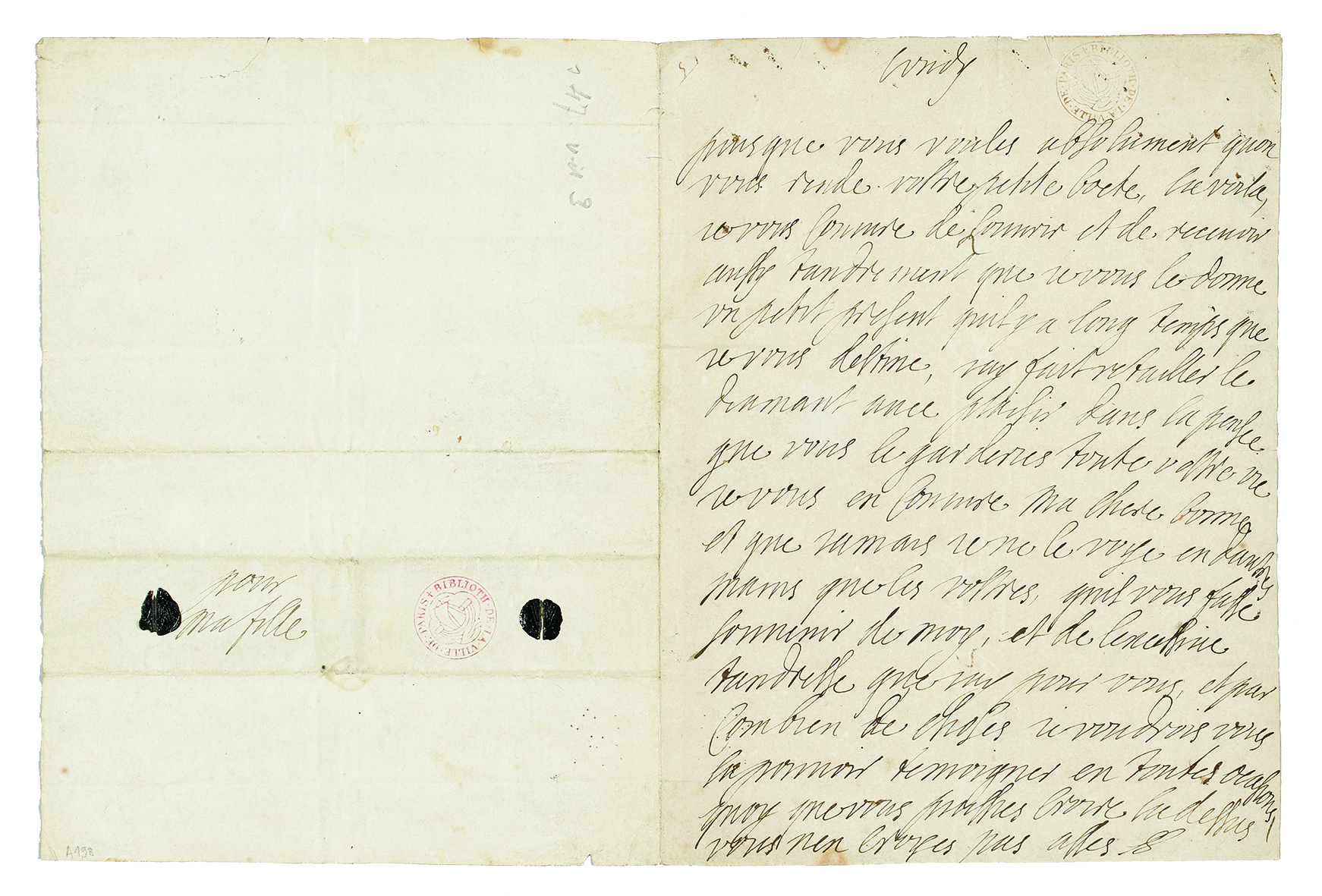
Letter of the marquise to her daughter, February 2 1671 © Musée Carnavalet, Paris
Reading Madame de Sévigné’s letters will take you to a number of places in France, most notably the Lac de Sévigné, the Château des Rochers-Sévigné in Brittany and the Château de Grignan in Provence. Yet she will always be remembered as a Parisienne.
From France Today Magazine
Ohlala! It looks like you’re not a Member yet
Join to view this content!
(If you are a Member, log in or reset your password below or contact us so we can help)
- Log in
- Forgot password