
The Secret Fisherman Canteens Of The Coast
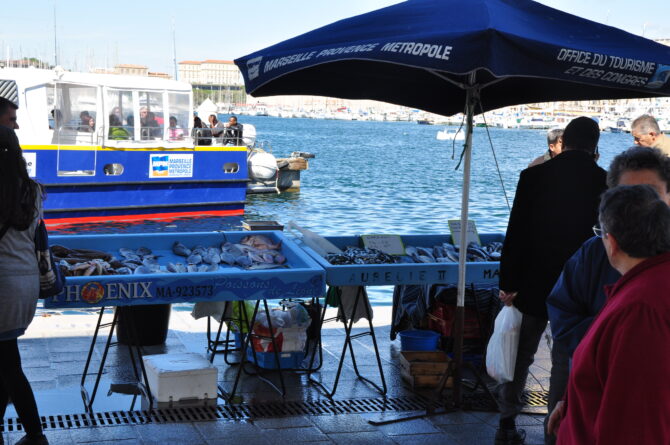
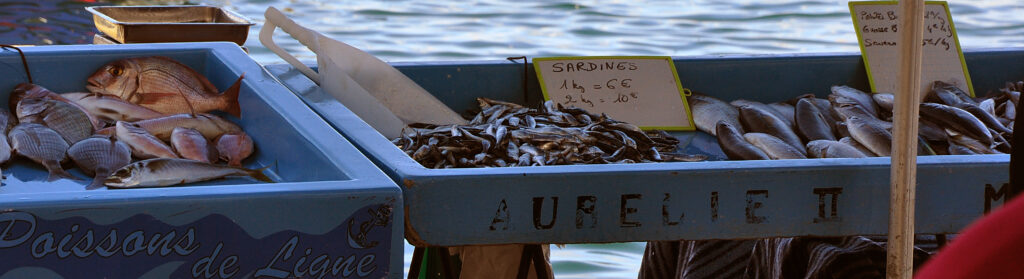
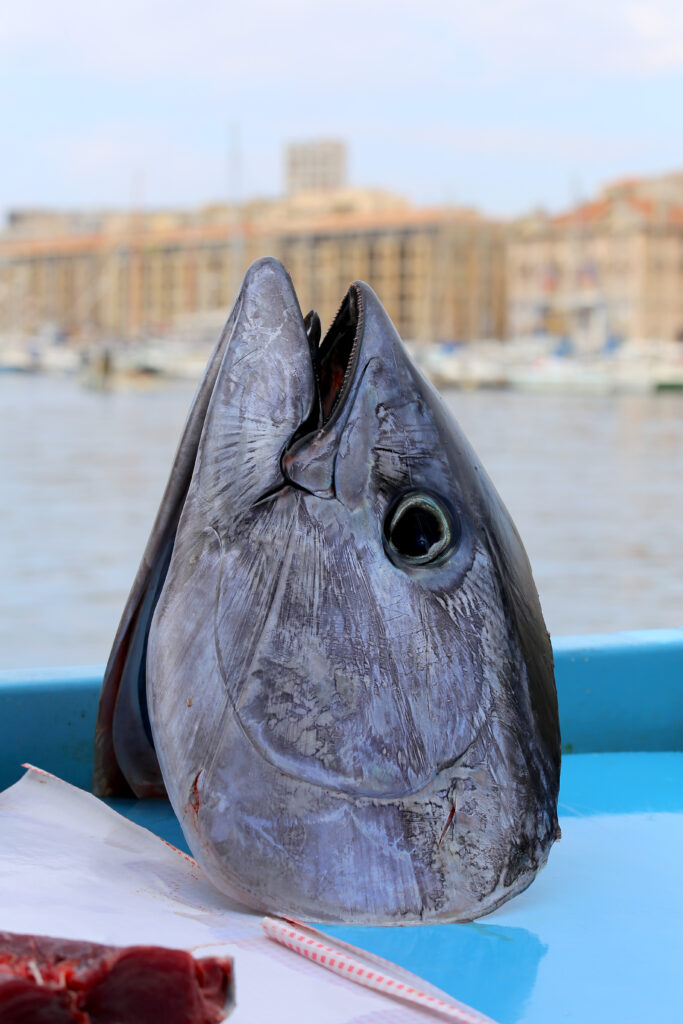
As early as eight in the morning, the fishermen in Marseille begin their daily bargain with the sea. On the Quai de la Fraternité, under the pale shine of the Vieux-Port, fishermen lay out the night’s catch on wet tables. What graces those tables are the sights of red mullet, sardines, sea bream, monkfish, sole, mackerel, sometimes rascasse if the weather has been kind. The official fish market runs every morning from 8am to 1pm, with around ten stalls selling directly from fishermen to customers, and it remains one of the simplest ways to take in the culture and essence of the city. The better story begins after the market, when the fish that does not become a restaurant plate or a family lunch disappears into smaller hands. Follow the coast south from the Old Port, past the Corniche, towards Vallon des Auffes and Les Goudes, and Marseille becomes less polished. Boats sit low in the water. Cabanons lean into the rock. Someone is cleaning squid in a plastic basin. Someone else is heating oil for panisses. The “secret fisherman canteens” are not restaurants in the normal sense. They are private-feeling, word-of-mouth tables, sheds, back-room lunches, and seasonal arrangements built around one dish, one catch, and one person who knows exactly what to do with it. You do not book them through an app.
Slowly but surely, the days of over-planned trips are ending. The new luxury is not always a tasting menu with linen and a view; sometimes it is being trusted enough to sit where locals sit. American Express’s 2026 travel report found that 82% of global respondents say hands-on experiences give them a higher appreciation for local culture, while 89% of Millennial and Gen Z travellers surveyed say it is important to leave space in an itinerary for local snacks. Skyscanner’s 2026 research also points towards food as cultural entry, with travellers treating groceries, snacks and informal eating as a cheaper, more honest way into a place. Michelin’s inspectors, meanwhile, have flagged a return to French classics, fire, preservation and slower cooking as part of the dining mood of 2026. Marseille has always understood this before it became a trend. Bouillabaisse itself began as a fishermen’s dish, made with bony rockfish that were difficult to sell, long before it became a serious bill in a serious dining room. A visit to the coast of Marseille would tell you that fisherman in the region have known this for decades, as seen in the thickened fish soup, as well as the grilled sardines eaten with fingers, octopus softened before it meets the pan, rouille spread without ceremony, and in the creative way bread is pushed into broth.
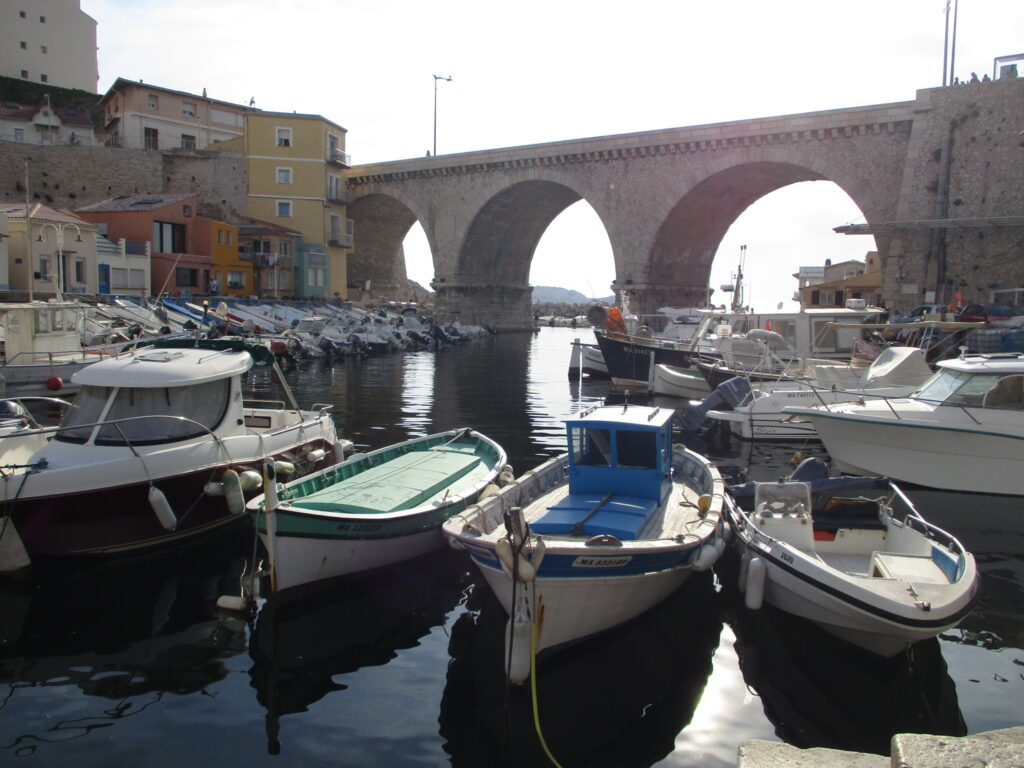
To look for these places, start with the places you can see, but keep your eyes peeled for those you may not spot at first glance. Go first to the Vieux-Port fish market before 9am, not at noon when the best talk has already happened. Ask simple questions in French if you can: What came in today? What is good now? Request to know where people nearby eat fish without fuss or hassle. Then move outwards. Vallon des Auffes is the classic postcard, a cramped fishing cove under the Corniche, known for its colourful cabanons, pointus and traditional fish restaurants. Les Goudes, at the southern edge of the city, still carries the feeling of an old fishing village at the entrance to the Calanques, though it is now busier, cooler, and far more watched than it once was. Don’t go there asking for privacy or whatnot. Buy something. Drink a pastis or a coffee. Speak to the fishmonger, the harbour worker, the woman selling tickets for a boat, the man rinsing crates. These canteens, where they exist, are keen on manners. They are often not advertised because they may be occasional, family-run, semi-private, or simply too small to absorb strangers every day. A good question is not “Where is the hidden place?” Rather, you ask, “Is there somewhere nearby that cooks today’s fish?”
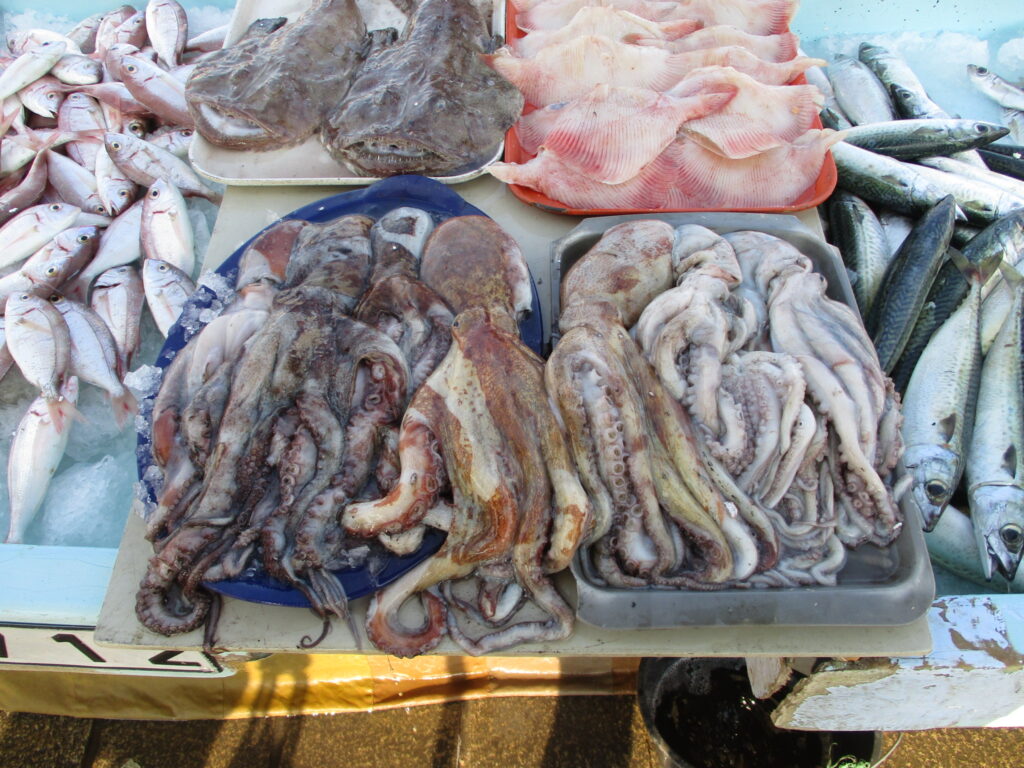
The food is usually plain in the best possible way. A fisherman’s table does not need twelve components. One day it may be soupe de poisson, strained hard and served with rouille, grated cheese and toasted bread. Another day, it may be sardines split and grilled until the skin blisters, or a small daurade baked with fennel, lemon and olive oil. In season, there may be sea urchins opened by hand, their orange tongues eaten with bread while the shells pile up in a bucket. The Marseille tourism office lists the market’s common fish by season and weather, from whiting and red mullet to scorpion fish, sardines, sea bream, sole, mackerel and monkfish, which explains why a real one-dish lunch can never be fully promised in advance. This is the opposite of the best restaurant list, and that is its appeal. A dish changes because the sea changes. A table fills because someone’s cousin came by. A lunch lasts longer because the person cooking wants to talk about storms, prices, tourists, engines, football, or the years when the harbour smelled stronger and nobody photographed their plate. Rough edges are part of the arrangement. So are plastic chairs, paper cloths, chipped glasses, and the slightly nervous pleasure of not knowing exactly what will arrive.
There is also a responsibility to write about places like this. The romance is real, but so are the pressures. Marseille’s fishing culture is smaller than its myth, and the last thing these fragile spaces need is a stampede of travellers treating local trust as content. The cabanon tradition itself began as modest, simple shelters where fishermen kept boats, gear, and weekend habits by the sea. Many have since become coveted addresses, rentals, design projects or nostalgic symbols of a city that outsiders want to touch. Les Goudes and Vallon des Auffes still have working traces, but they also carry the strain of summer traffic, parking shortages, rising attention and the soft gentrification that follows every “hidden gem”. A useful guide should therefore tell readers how to behave, not just where to go. Arrive early. Carry cash. Do not photograph people without asking. Do not push into private cabanons. Accept that “no” may simply mean no. Choose official fish markets, small harbour restaurants, food walks, and local producers when the informal table is not available. Your job there is not to expose their secret, but rather to understand why the secret exists.
By July, the big restaurants in Marseille will be full of linen, bookings, chilled rosé and people who planned everything months ago. Along the coast, another kind of lunch will begin with less fuss about it. A boat knocks gently against the quay. A woman tears basil into a bowl. The cook lifts the lid, tastes the broth, adds salt, says nothing. Someone brings out six plates, although there were meant to be four. The fish is whatever the morning allows. The wine is cold enough. The bread is cut too thick. For a few minutes, nobody asks for the menu, because the menu is already on the table, steaming in the middle, smelling of garlic, rockfish, olive oil and the old, stubborn intelligence of the Mediterranean.
Lead photo credit : Fishermen selling the morning catch at the Vieux-Port fish market, Marseille. Credit: Photo: Philippe Alès / Wikimedia Commons (CC BY-SA 3.0)
Share to: Facebook Twitter LinkedIn Email
More in Fishin, Fishmongers, market, marseille
Related Posts


By Favour Amoye
Leave a reply
Your email address will not be published. Required fields are marked *