Icons of France: The Car That Saved the President’s Life
Justin Postlethwaite salutes a Made in France engineering marvel that saved the French president’s life
📢 As you scroll through the beautiful images, why not listen to our narrated article? It’s a great way for France Today Members to dive deeper into the story while enjoying the visuals. We hope you love this experience, and we’d love to hear what you think—feel free to share your thoughts in the comments below! Happy listening!
President Charles de Gaulle’s policy decision to move towards Algerian self-determination after 132 years of French rule and a brutal eight-year war created many dangerous opponents from within the French army.
Hardliners believed that by recognising the North African country’s right to self-determination in 1959 – two later referendums overwhelmingly endorsed independence, which finally came in 1962 – he was betraying the French people, including the estimated one million pieds-noirs (black feet), people of French and other European descent who were born there.
Revenge was on the minds of members of the intensely patriotic Organisation armée secrète (OAS), formed largely from French military personnel who supported a French Algeria and had been engaged in a bitter war, waged both in Algeria and on French soil before France’s withdrawal. Among them was Jean-Marie Bastien-Thiry, a distinguished French Air Force lieutenant colonel opposed to any dialogue between the French government and the Front de Libération Nationale (FLN), the main Algerian political organisation advocating independence. He believed that assassinating the ‘traitor’ de Gaulle was justified, and set up a 12-man hit squad to gun down the president as he passed through the Paris suburb of Petit-Clamart at around 8pm on August 22, 1962.
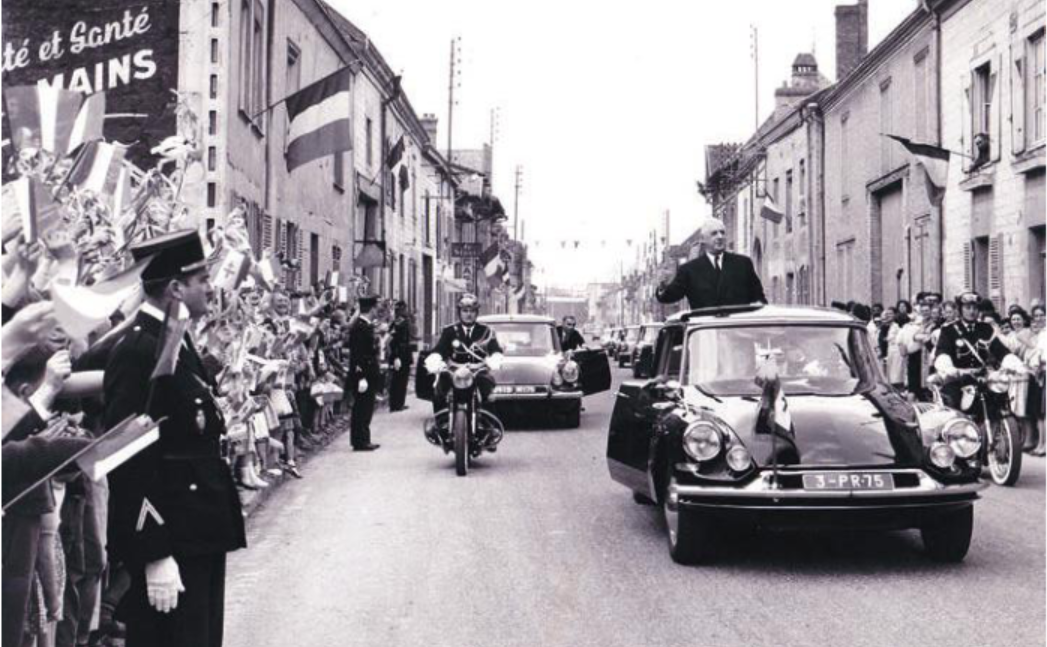
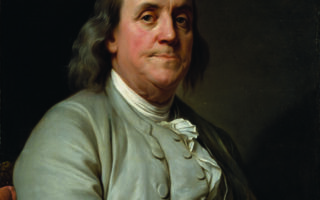
General Charles de Gaulle visiting Isles-sur-Suippe in 1963
The de Gaulle assassination attempt is depicted in Frederick Forsyth’s 1971 novel and the 1973 film adaptation, The Day of the Jackal.
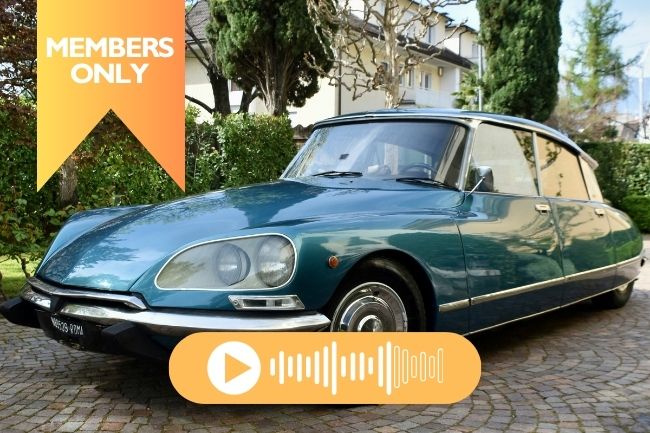
Acting as lookout, when he saw the presidential cavalcade approach he waved a newspaper to signal ferocious machine gunfire. More than 180 bullets were fired, with 14 peppering the president’s car – a state-of-the-art Citroën DS – including one that missed his head by inches.
Whilst the car did not have an especially high-performance engine or special tyres, its technological prowess was later credited with saving the life of de Gaulle and his wife, Yvonne, who was sitting alongside him in the back seat (the rear window was shattered). Hydropneumatic suspension kept the vehicle level and manoeuvrable despite two tyres being blown out, so the car remained stable even when driving on the wheel rims. Normally such a shock would have caused the car to spin or flip over given the speed at which it was travelling. Investigators later praised the presence of mind of the president’s driver, gendarme Francis Marroux, to downshift from fourth to third gear for greater acceleration in order to escape the ambush.
In a defiant display of sang-froid, Yvonne de Gaulle reputedly said after the incident: “I hope the chicken is OK,” referring to the chicken in jelly she had purchased from Fauchon’s in Paris that morning. It was stowed in the DS’s bullet-riddled boot. As for Bastien-Thiry, he was the last ever person to be executed by firing squad in France, on March 11, 1963 at the age of 35.
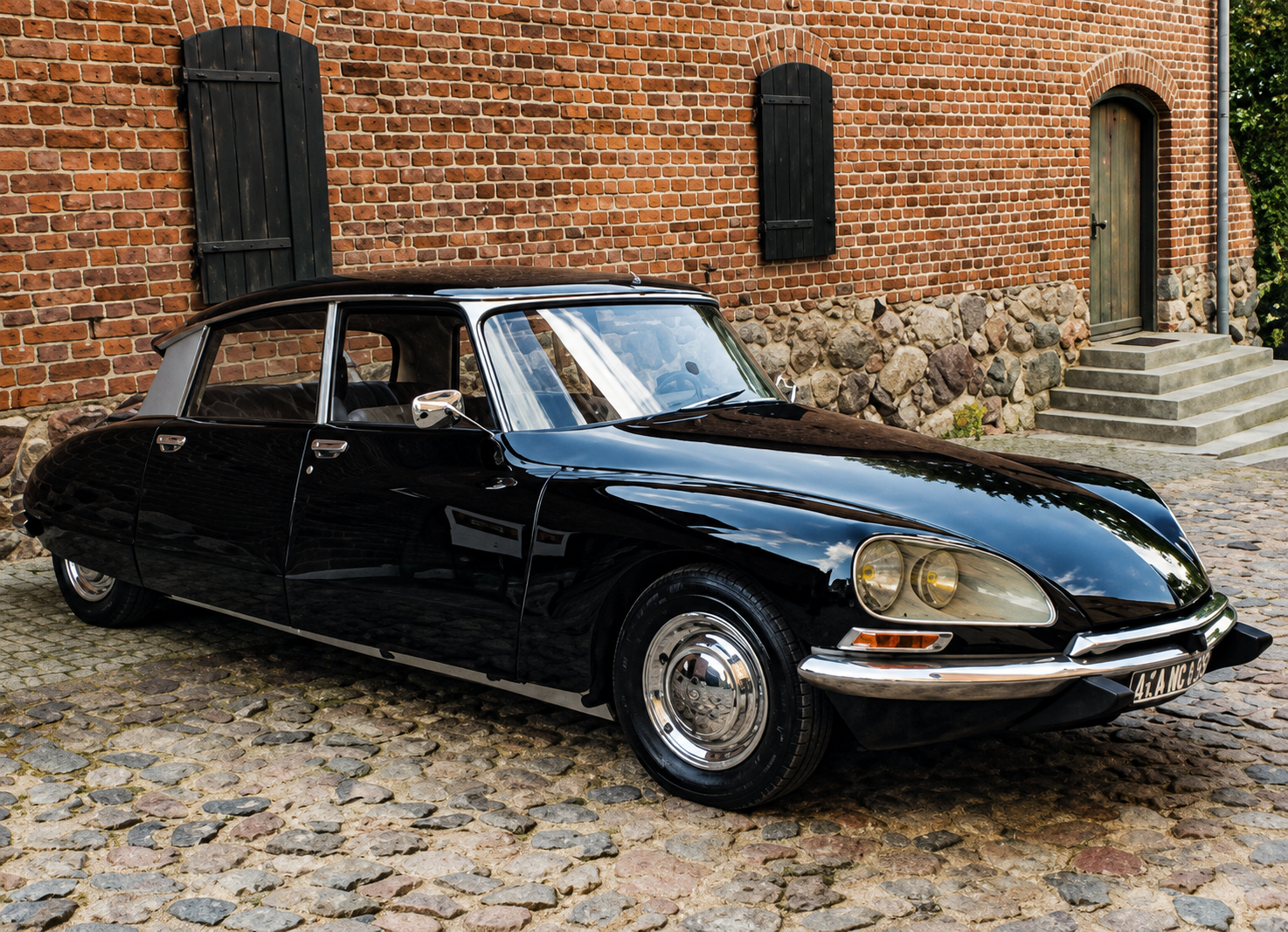
SHUTTERSTOCK
ICONIC AUTOMOBILE
The Citroën DS, a revolutionary luxury car, had been unveiled at the 1955 Paris Motor Show, and almost 1.5 million were sold over the next 20 years, with estate and soft-top versions among the models. Made at the Citroën factory at Quai de Javel in the 15th arrondissement of Paris, it also achieved huge success in rallying. The Petit-Clamart incident cemented its reputation for safety and modernity, with De Gaulle continuing to use the car thereafter.
As well as being technologically groundbreaking with exceptional ride quality, it was also very beautiful. A 2009 poll of designers who worked for the likes of Jaguar, Ferrari and Lotus voted it the most beautiful car of all time. Its name even contains a cheeky play on words: DS is pronounced ‘day-esse’ in French, déesse meaning ‘goddess’.
From France Today Magazine
Ohlala! It looks like you’re not a Member yet
Join to view this content!
(If you are a Member, log in or reset your password below or contact us so we can help)
- Log in
- Forgot password