Mont Blanc: The Roof of Europe
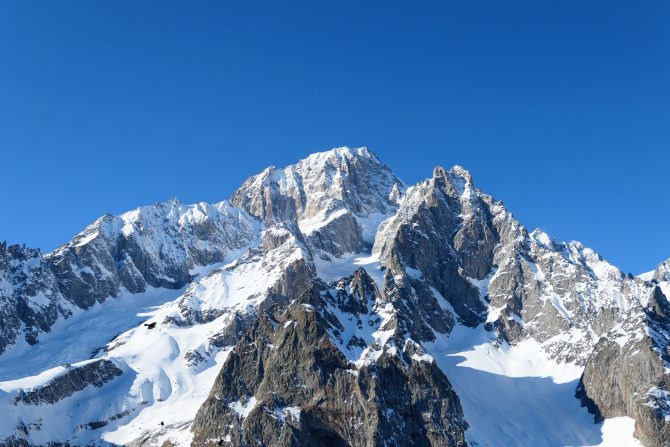
For centuries, Mont Blanc, the tallest mountain in the Alps, has inspired fear and dread in those living in its enormous shadow. It was called La Montagne Maudite (the cursed mountain), convinced that whoever attempted to reach its summit, which was later measured to be 4,805 metres above sea level, would perish on the slopes. In the 18th century, some of the region’s braver souls attempted ascents of this famous mountain. With limited experience and equipment, they repeatedly failed.
One local who became obsessed with the mission was Horace Bénédict de Saussure, a scientist and explorer from Geneva who offered a reward to the first climber to reach the summit in 1760. It wasn’t until 26 years later, shortly before the start of the French Revolution, that two men from Chamonix, Michel-Gabriel Paccard and Jacques Balmat, finally reached the top. A year later, Saussure followed in their footsteps and is now often credited with being the founder of alpinism. Given the dangers of mountaineering, it remained a niche sport for many years until the Victorian era, where tweed-clad gentlemen explorers, mainly from Britain, began hiking and climbing up the Alpine peaks.
Around the same time, after Savoie was annexed by France, various spa hotels were built, the crude road network was improved, and rail travel started, drastically shortening the journey from London to the Alps. All of this boosted the number of Brits visiting the region. Fast forward a century and a half, and visitors are still flocking to the French Alps each year.
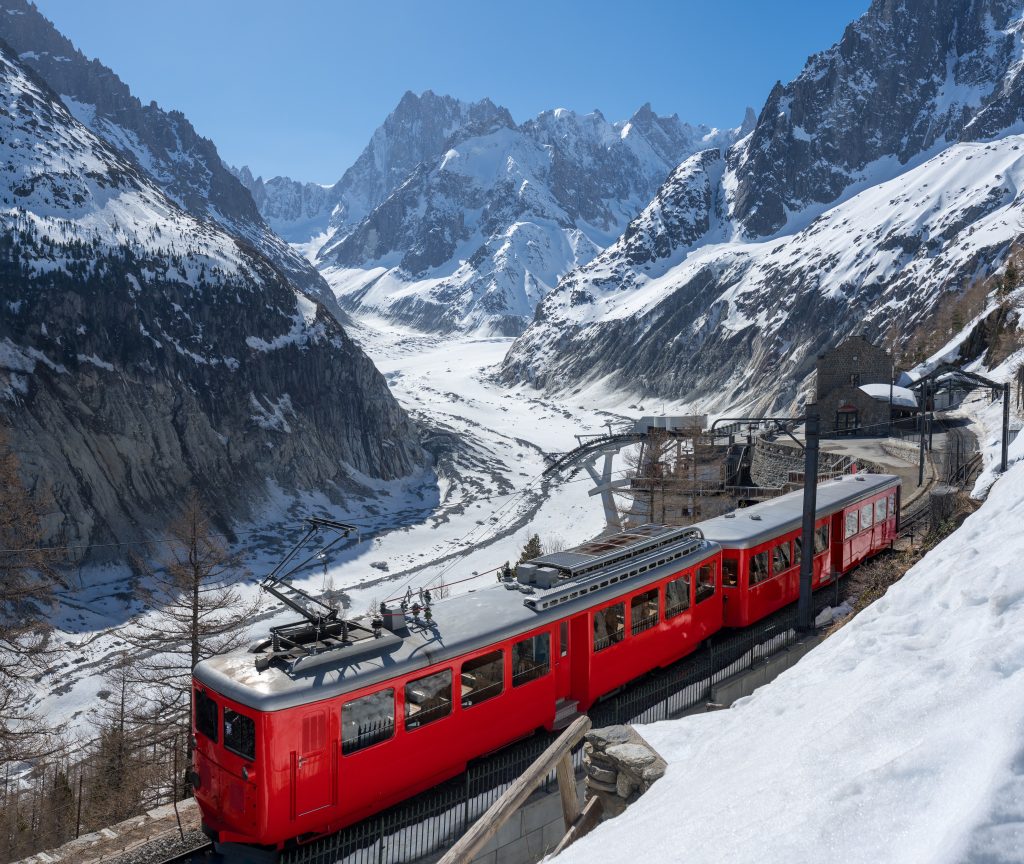
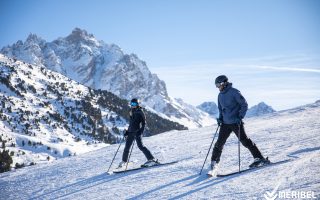
In the summer months, there are endless opportunities to hike, mountain bike or road bike across these beautiful mountain ranges. In the winter, once the snow has blanketed its peaks, well over 200 mountain resorts offer some of the best snow sport facilities on the planet. While winter resorts have existed here since the late 19th century – Chamonix is credited as being the first, with skis imported from Norway in 1893 – it was in the 1960s that the French government first properly developed winter tourism. Since then, the number of hotels, restaurants, ski lifts and pistes has grown spectacularly.
Nowadays, despite milder winters and increased reliance on snow-making machines, the Alps still draw in millions of tourists, both domestic and foreign, to their slopes. France is by far the most popular winter sports destination for the British, with 59% of UK skiers choosing to holiday there, according to a survey by Mountain Trade Network and Ski Club of Great Britain.
While the French Alps technically begin at the Mediterranean, the most well-known areas stretch Lake Geneva in the north through the departments of Haute-Savoie, Savoie, Isère and sections of Hautes-Alpes. The western boundary roughly follows the city boundaries of Grenoble, Chambéry and Annecy, while the eastern slopes stand as the natural frontier with Italy and Switzerland. It’s a breathtakingly stunning region, sculpted over millennia by glaciers carving deep valleys, mountains, lakes, meadows and towering peaks, remains a breathtaking sight today.
Lead photo credit : Mont Blanc Mountain View from Courmayeur Ski Resort