
Can You Learn to Ski in One Weekend? I Went to the French Alps to Find Out
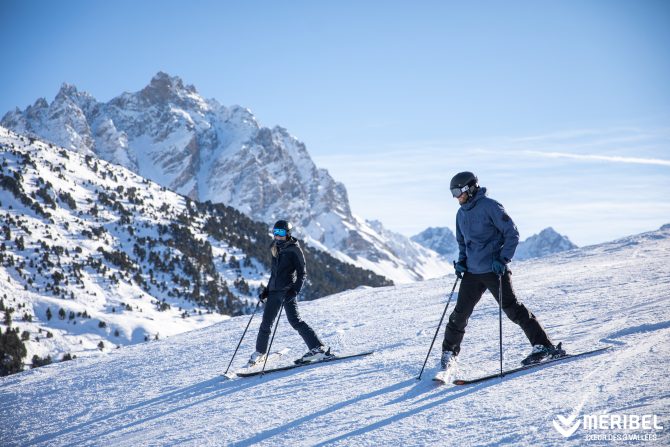
As the taxi wound its way up through hairpin bends, snow-covered peaks rising on all sides, I reflected on the fact that my skiing credentials amounted to a single morning session some years ago, without an instructor, that left me cold, frustrated and swearing I’d never clip into a pair of skis again. And yet here I was, heading to the heart of the largest linked ski area in the world to find out whether a near-total beginner could learn to ski in a long weekend and, more importantly, actually enjoy it.
The short answer: absolutely, on both counts.
Why Méribel?
If you’re going to learn to ski somewhere, you might as well do it in one of the most spectacular settings on earth. Méribel sits at the heart of Les Trois Vallées, the Three Valleys. When I say the largest linked ski area in the world, we’re talking 600 kilometres of pistes spread across Méribel, Courchevel and Val Thorens, all connected by a vast network of lifts that let you ski between resorts without ever removing your skis.

Méribel is a mountain village with a warm, welcoming atmosphere. The resort was actually founded by a Scotsman, Peter Lindsay, in 1938, and there’s still a wonderfully Anglo-friendly feel to the place; you’ll never struggle to find someone who speaks English, and the restaurants and bars have a convivial energy that puts you at ease from the moment you arrive.
The village of Méribel Mottaret, where I was based at the charming Hotel Le Mottaret, sits at 1,750 metres with direct access to the snow front. Step outside and you’re practically on the piste. For a beginner nervous about navigating complicated lift systems and long walks in ski boots, that proximity is worth its weight in gold.
Friday: Fondue and Franglish Comedy Festival
After arriving from Geneva (roughly a two-hour transfer through increasingly dramatic scenery) and checking into the hotel, I picked up rental equipment from Sport Boutique in Méribel centre and got a feel for the town.
Dinner began at Le 80, a brasserie with Jules Verne-style décor, leather-bound books and expedition curiosities setting the tone. We shared escargots and fondue, followed by lamb that fell off the bone, then wandered over to Jack’s, one of Méribel’s most well-known and consistently lively bars, for some drinks and the Franglish Comedy Festival.

Saturday: Forest Yoga and the First Ski Lesson
The following morning started not on the slopes but in the Altiport forest, with a yoga session led by Marcela Bemposta. If you’ve never done yoga surrounded by snow-laden pines at altitude, I cannot recommend it highly enough. The cold air, the silence, the morning sunlight filtering through the trees; it centres you in a way that a studio session simply can’t, and it was the perfect warm-up for what was to come, loosening muscles and calming nerves in equal measure.
Lunch at Le Blanchot came in the form of a proper Savoyard hug: a boîte chaude “Moelleux du Revard”, melted cheese served straight from its little wooden box, bubbling and rich, ready to be spooned over potatoes and cured meats. It was the kind of meal that warms you from the core and makes the prospect of an afternoon on skis feel suddenly much more manageable.
It was time to face the music. Or rather, face the snow front at Mottaret. Having an instructor makes all the difference. I cannot stress this enough. My previous attempt at skiing had been a masterclass in bad habits, and within minutes Anne, my ESF instructor, had identified exactly what I was doing wrong, which was, essentially, everything.

The single biggest revelation? Ditch the poles. As a beginner, they are a hindrance, not a help. I’d been leaning on them, using them as a crutch (quite literally) and it was throwing my entire balance off. The moment I handed them over, something clicked. Without poles to grip onto, I was forced to find my balance naturally, and suddenly skiing felt less like an ordeal and more like, well, skiing.
The next golden rule, and one I took a while to get used to: push your shins into your boots. Ski boots are designed to hold you in a slightly forward-leaning position and so you should lean into them. It feels counterintuitive, as every instinct tells you to lean back, but that forward pressure is what gives you control.

Then there’s posture. Beginners tend to crouch, hunch and generally make themselves as small and tense as possible. Fight that urge by standing tall, keep your weight centred and let your legs do the work beneath you. You want a relaxed, athletic stance; think of standing on a bus that’s moving, not bracing for impact.
And finally: look where you want to go, not at your feet. The moment I stopped staring at my skis and started looking ahead across the piste, towards where I actually wanted to end up, my turns improved dramatically. Your body really does follow your eyes.
By the end of that first afternoon, I was making linked snowplough turns down gentle runs with something approaching confidence. Not elegance, mind you, but confidence. And confidence, on a ski slope, is everything, which is why you’ll see kids flying past you with not a care in the world.

After skiing, the outdoor spa at the Hotel Mottaret proved to be one of the highlights of the entire trip. There is nothing quite like sinking into hot water with a view of snow-covered peaks after your first proper day on skis.
That evening we headed to La Table du Ruitor for dinner. I had the raviole maraîchère, inspiration de Nicolas, followed by a delicious pastry flan. Our waiter Anthony was wonderfully attentive, rounding the meal off with a genepi as a digestif. We were also lucky enough to be joined by David Lindsay, whose father Peter founded Méribel, and hearing about the resort’s origins from someone so close to them brought a real sense of the place and its history.
Sunday: Snowshoeing and more Slopes
The morning brought snowshoeing with Raquett’Evasion, a welcome reminder that a winter holiday in the Alps doesn’t have to be all about skiing. Laurent picked us up from the hotel and led a trek through deep powder, stopping to point out animal tracks and explain the local ecology. It’s a completely different way to experience the mountains, quieter, slower, more contemplative, and the perfect activity for resting ski-weary legs, although the sensation does take some getting used to.
Lunch at Le Rastro in Mottaret refuelled us for another afternoon session with Anne. Building on the previous day’s foundations, I could feel real progress. The movements that had felt so unnatural 24 hours earlier were starting to become (dare I say it) instinctive. I was turning more smoothly, stopping more deliberately and enjoying the sensation of sliding downhill rather than merely surviving it.

I can’t say enough good things about Anne and the ESF. The École du Ski Français is the largest ski school organisation in France, with instructors in resorts across the country, offering group and private lessons for all levels. Anne had a way of breaking things down that made even the most daunting manoeuvres feel manageable. Having the same instructor across both days meant she could track my progress and build on what we’d covered, rather than starting from scratch each time. By the end, she even had me doing little jumps, and her shouts of “well done Eli!” as I made my way down the slope were the kind of encouragement that made all the difference.
Back at Hotel Le Mottaret, I booked in for a massage, and it was exactly what tired muscles needed after two days on the slopes. The hotel really is a gem; warm and welcoming with a wonderful team, it has everything you need after a day in the mountains, from the outdoor spa to the treatment room and pool, and its position right on the snow front at Mottaret means you can be on the piste within minutes of stepping outside. That evening, we kept things easy with the hotel’s buffet dinner, the kind of comforting, no-fuss spread that feels spot-on after a long day in ski boots.
Monday: One Last Lesson and Après-Ski at La Folie Douce:
My final morning was spent with Oxygène, another excellent ski school, at the Mottaret snow front. A different instructor and a different teaching style, but the same core principles reinforced, and more proof that proper tuition is worth every penny.

Then came what we’d all been looking forward to as a reward for learning to ski, lunch at La Folie Douce. If you know anything about Alpine après-ski culture, you’ll know this name. Perched at the midway station of the Saulire Express gondola, La Folie Douce is part restaurant, part open-air nightclub, part spectacle. DJs, dancers, live music and hundreds of people in ski boots dancing on tables in the afternoon sunshine. It’s gloriously bonkers and utterly unforgettable.
So, Can You Learn to Ski in a Weekend?
In three days you won’t become an expert. You won’t be carving down black runs or launching yourself off moguls. But you absolutely can go from terrified beginner to someone who skis down a blue run with a smile on their face, and that feels like something of a miracle when you’re standing at the top of the slope on day one.

The key ingredients are a good instructor, the right mindset, and a resort that makes the whole experience feel achievable rather than terrifying. Méribel delivers on that last point beautifully.
Tips for First-Time Skiers
- Book lessons before you book anything else. A few hours with a good instructor will save you days of frustration and bad habits.
- Start without poles. Ask your instructor about this, most will agree that beginners benefit from learning balance without them first.
- Bring good base layers. Thermals, proper ski socks, a neck warmer; you’ll be far more comfortable on the slopes if you’re warm and dry. Sunscreen and lip balm are essential as snow reflects UV rays and you will burn.
- Bring a swimsuit. Many hotels in Méribel have spas, and there’s nothing better after a day on the slopes than sinking into hot water with the mountains watching over you.
- Book into a resort that offers more than just skiing. Yoga, snowshoeing, the comedy festival, incredible restaurants: having non-ski activities to punctuate your trip means you can rest your legs without being bored, and it gives you a richer, more rounded experience.
The Verdict
I went to Méribel expecting to survive a slope or two. I came home wanting to go back. That’s the highest compliment I can pay any ski resort, but particularly one that took a reluctant, once-bitten beginner and turned her into someone already planning next season’s trip.
Les Trois Vallées is vast, spectacular and endlessly varied, and Méribel, sitting right at its heart, is the perfect place to discover it. Whether you’re a seasoned skier or someone who’s never seen snow, this resort has something for you. Just leave the poles in the rental shop. Trust me on that one.
I was a guest of Méribel Tourisme. For more information about the resort, visit meribel.net. Follow Méribel on Instagram and Facebook.
Useful links
- ESF Méribel: esf-meribel.com
- Oxygène Ski School: oxygene.ski
- Hotel Le Mottaret: hotellemottaret.com
- La Folie Douce Méribel: lafoliedouce.com
- Le Blanchot: leblanchotmeribel.com
- La Table du Ruitor: alpenruitor.com
- Le Rastro: lerastro.com
- Le 80: chaudanne.com
- Franglish Comedy Festival: franglishfestival.com
- Raquett’Evasion: raquettevasion.com
- Yoga with Marcela Bemposta: yoga-meribel-courchevel.com
- Sport Boutique: sport-boutique.com
Lead photo credit : © Sylvain Aymoz
Share to: Facebook Twitter LinkedIn Email
More in Learn to ski, Meribel, ski, skiing, skiing in the French Alps, snowshoeing, winter sports, yoga
Related Posts
Leave a reply
Your email address will not be published. Required fields are marked *