
French Film Review: Le Temps d’Aimer
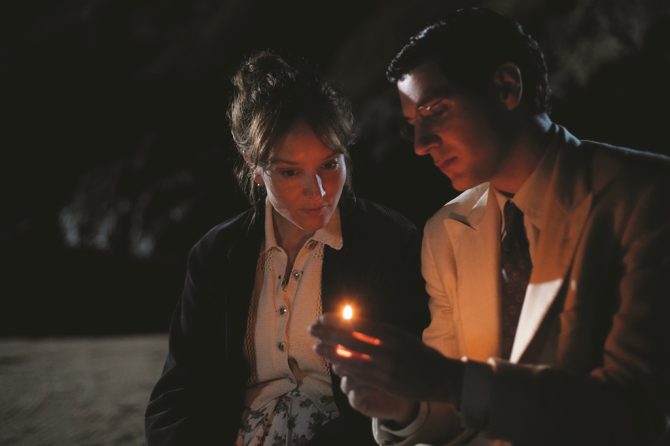
A sensitive drama following the aftermath of war and trauma within a family by Katell Quillévéré
Set in post-war France, Le Temps d’aimer (Along Came Love) opens with a brief moment of sunshine on a Normandy beach in 1947. Madeleine, a young waitress and single mother, meets François, a cultured and melancholy student from a wealthy background. The chemistry is immediate, but the deeper truth behind their attraction and the burdens each carries – unfolds slowly, with devastating emotional precision.
Inspired by director Katell Quillévéré’s own family history, the film explores the aftermath of war through the prism of personal trauma and societal shame. Madeleine has survived a deeply scarring episode: she was one of the women publicly shamed and punished for having loved -or been suspected of loving – a German soldier during the Occupation. François, too, harbours secrets, and as the years pass, the pair must confront their respective pasts while navigating a relationship built as much on reinvention as it is on genuine affection.
What could have been a conventional melodrama is given remarkable emotional depth by Quillévéré’s restrained touch. Shot entirely handheld, with natural light and real locations, the film moves across two decades with a fluid, novelistic grace. The effect is intimate and immediate, allowing the drama to breathe without ever tipping into sentimentality.
Anaïs Demoustier is outstanding as Madeleine, portraying a woman shaped by resilience, pride and the slow awakening of maternal love, while Vincent Lacoste delivers a delicate, vulnerable performance as François. While the themes of shame and the fragility of love permeate the film, so too does the idea of healing.
Director: Katell Quillévéré
Starring: Vincent Lacoste, Anail’s Demoustier, Morgan Bailey
From France Today Magazine
Lead photo credit : le temps d aimer
Share to: Facebook Twitter LinkedIn Email
More in film review, French cinema, French culture, history, movies
Related Posts



Leave a reply
Your email address will not be published. Required fields are marked *