
Beaujolais for Food Lovers: From Michelin Stars to Artisanal Treasures
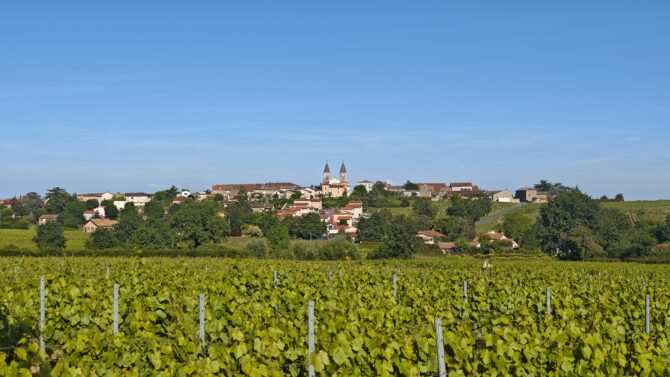
For decades, Beaujolais has lived in the shadow of its own reputation. Mention the region and wine immediately comes to mind: rolling vineyards, convivial tastings and bottles opened around the world every November.
But today, a quieter revolution is taking place beyond the glass. A new generation of chefs, artisans, producers and passionate locals is transforming Beaujolais into one of France’s most exciting gastronomic destinations.
This is not merely a wine region any more. It is a living pantry: a place where Michelin-starred cuisine celebrates local terroir, where chefs reinvent regional classics, where oils rival grand cru vintages in complexity and where butchers, beekeepers, chocolatiers and winemakers contribute to a vibrant culinary identity.
For food lovers willing to venture beyond Lyon and Burgundy’s famous names, Beaujolais offers something increasingly rare: authenticity without artifice.
A first taste of modern Beaujolais
The journey begins in Villefranche-sur-Saône, often considered the southern gateway to Beaujolais. At Le Bistronome, chef Aurélien Mazard embodies the region’s contemporary culinary spirit: refined but approachable, rooted in local ingredients without unnecessary sophistication.

The atmosphere feels relaxed rather than ceremonial. Plates celebrate seasonality and precision while remaining deeply connected to regional traditions. It is exactly the kind of restaurant defining Beaujolais’ gastronomic renaissance: ambitious enough to impress seasoned gourmets, yet grounded enough to reflect its territory honestly.
The meal provides a fitting introduction to a region increasingly focused on a culinary identity that extends beyond wine tourism.
And just a few steps away, that identity takes an unexpectedly sweet turn.
Reinventing Beaujolais’ pink praline tradition
Pink pralines occupy a special place in the culinary heritage of this corner of France. The vivid pink almonds coated in caramelised sugar have long appeared in regional desserts, particularly praline tarts and brioche.
Pastry chef and chocolatier Bruno Saladino is giving this tradition a contemporary interpretation.
Inside his workshop, craftsmanship takes centre stage. Chocolate-making remains intensely manual, requiring patience, precision and deep technical mastery. But it is Saladino’s approach to chocolate that stands out.
Rather than treating these creations purely as nostalgic heritage products, he transforms them into elegant contemporary confections that respect tradition while embracing innovation. The result feels emblematic of modern Beaujolais itself: preserving authenticity without becoming trapped by it.
Visitors quickly discover that culinary heritage here is not frozen in time. It evolves.
The art of charcuterie, elevated
Few products speak more directly to French culinary identity than charcuterie, and in Saint-Étienne-des-Oullières, Boucherie Martins demonstrates why artisanal expertise remains central to Beaujolais gastronomy.

Marie Martins offers visitors a glimpse behind the scenes into a world where craftsmanship matters deeply. In particular, the house’s ageing cellar devoted to saucisson reveals an often-overlooked dimension of French food culture: time.
Drying, ageing, texture development and balance all require patience that cannot be fully industrialised. The result is charcuterie that carries both technical excellence and regional personality.
This devotion to artisanal production emerges repeatedly across Beaujolais. Whether producing cured meats, pastries, honey or wine, producers here tend to favour quality over scale.
That philosophy defines much of the region’s appeal.
Wine remains the backbone, but no longer the whole story
Of course, wine still matters profoundly.
At Maison des Beaujolais in Belleville-en-Beaujolais, visitors can explore one of the region’s most comprehensive selections, with 600 wines showcasing the remarkable diversity hidden behind the Beaujolais name.
For years, international perceptions often reduced the region to Beaujolais Nouveau. Reality tells a different story.
The ten crus (Morgon, Fleurie, Moulin-à-Vent, Brouilly, Côte de Brouilly, Juliénas, Chénas, Chiroubles, Saint-Amour and Régnié) offer extraordinary stylistic diversity. Granite soils, elevation changes, microclimates and evolving winemaking philosophies create wines ranging from floral delicacy to age-worthy structure.
For food lovers, understanding this wine diversity enhances the broader gastronomic experience.
At dinner later that evening, chef Benjamin Dudet demonstrates precisely how seamlessly regional cuisine and local wine interact. Pairings feel natural rather than performative. Seasonal ingredients and Beaujolais wines engage in conversation rather than competition.
The relationship between food and wine here feels organic because it genuinely is.
Sleeping among vineyards
A stay in Beaujolais also reveals another emerging dimension: hospitality.
Villa Alexandre, a charming boutique hotel nestled amid Régnié’s vineyards, captures the relaxed elegance increasingly shaping regional tourism.

Rather than defining luxury through excess, the experience emphasises tranquillity, authenticity and place. Vineyard views replace urban distractions. Slower rhythms encourage visitors to fully absorb the surrounding landscape while swimming in the pool or enjoying the sauna.
For culinary travellers, this slower pace becomes essential.
From andouillette to honey: preserving local flavours
The following morning begins with one of France’s most distinctive specialities.
At Bobosse, visitors discover the intricate production of traditional andouillette made from veal fraise and prepared according to historic methods. For some international visitors, andouillette remains an acquired taste. Yet understanding its preparation reveals why such products remain important cultural markers.

French gastronomy is built not only on refinement but also on preservation: protecting techniques and flavours that connect generations.
That spirit continues in Fleurie, where beekeeper Raphaël Perret offers another perspective on terroir.
Honey production reflects landscape as directly as wine does. Floral diversity shapes aroma, texture and flavour complexity. Bees become silent interpreters of place.
Meeting producers like Perret reinforces an essential truth about Beaujolais gastronomy: exceptional food begins long before it reaches the plate.
EMA Restaurant and Beaujolais’ culinary future
If one establishment encapsulates Beaujolais’ emerging culinary ambition, it may well be EMA Restaurant.
Run by chefs Margot and Émilien Aucagne, the restaurant offers a sophisticated interpretation of regional gastronomy while maintaining strong ties to local sourcing.

Wine enthusiasts will find particular pleasure here. With an extraordinary selection of approximately 500 labels, EMA functions as both a restaurant and a wine destination.
Yet wine never overshadows the cuisine.
The food demonstrates balance, precision and confidence without excessive complexity. Plates celebrate ingredients rather than technique alone.
EMA represents a broader movement reshaping Beaujolais dining: terroir-driven cooking elevated through contemporary execution.
Liquid gold from Beaujolais
Perhaps the journey’s most surprising discovery lies in Beaujeu.
At Huilerie Beaujolaise, oils become objects of culinary fascination.

Top chefs prize exceptional oils for the same reasons sommeliers celebrate fine wine: nuance, complexity, texture and expression of raw materials.
Production here remains artisanal and meticulous. Nuts and seeds reveal remarkable aromatic depth when handled with care and expertise. Tasting these oils also challenges assumptions.
Visitors quickly realise that gastronomy extends far beyond headline products. Regional identity emerges through countless smaller crafts often hidden behind restaurant kitchens.
Beaujolais thrives precisely because such traditions endure.
Nearby, Maison du Terroir Beaujolais deepens this understanding further, highlighting the extraordinary range of local specialities that contribute to regional identity.
Wine may open the door, but food invites visitors to stay.
A biodynamic vision of Beaujolais
Another encounter reveals how the future of Beaujolais wine is being shaped. In Lantignié, winemaker Frédéric Berne embodies a new generation redefining the region through environmental commitment and precision viticulture.
After beginning his career as an agricultural engineer and gaining experience abroad, Berne returned to Beaujolais with a vision rooted in sustainability. His vineyards are farmed organically and biodynamically, guided by the belief that healthier ecosystems create more expressive wines.
For visitors seeking authenticity, meeting producers like Berne adds another layer of understanding to modern Beaujolais. The region’s renaissance is not only happening in restaurant kitchens. It is also unfolding in vineyards where tradition and innovation increasingly coexist.
A vineyard village with Michelin ambitions
No exploration of Beaujolais gastronomy feels complete without Vaux-en-Beaujolais, better known to many French readers as Clochemerle, immortalised by Gabriel Chevallier’s satirical novel.
Today, the village tells another story.
At Auberge de Clochemerle, chef Romain Barthe delivers cuisine that perfectly captures Beaujolais’ evolving identity.

Recently recognised with a Michelin star, the restaurant demonstrates how terroir-focused cooking can achieve fine-dining excellence without losing authenticity.
Local produce drives the menu. Precision enhances rather than obscures ingredients. Plates feel elegant, yet deeply connected to place.
This is not gastronomy chasing trends. It is gastronomy rooted in landscape.
The Michelin recognition feels significant not simply for one restaurant, but for what it symbolises. Beaujolais is increasingly earning recognition as a serious culinary destination.
Beyond the bottle
Wine remains Beaujolais’ global ambassador. It probably always will. But reducing the region to wine alone misses its most compelling evolution.

Today’s Beaujolais invites travellers to explore a richer story told through Michelin-starred kitchens, artisanal oils, traditional charcuterie, contemporary pastry, biodynamic viticulture, honey production, local terroir and passionate producers shaping the future while protecting the past.
For culinary travellers seeking authentic regional depth, this transformation makes Beaujolais particularly exciting. Here, wine is not the final destination. It is only the beginning.
Share to: Facebook Twitter LinkedIn Email
More in artisan, Beaujolais, Food and Drink
Related Posts

Leave a reply
Your email address will not be published. Required fields are marked *