
10 Reasons to Visit the Musée Camille Claudel
Sponsored
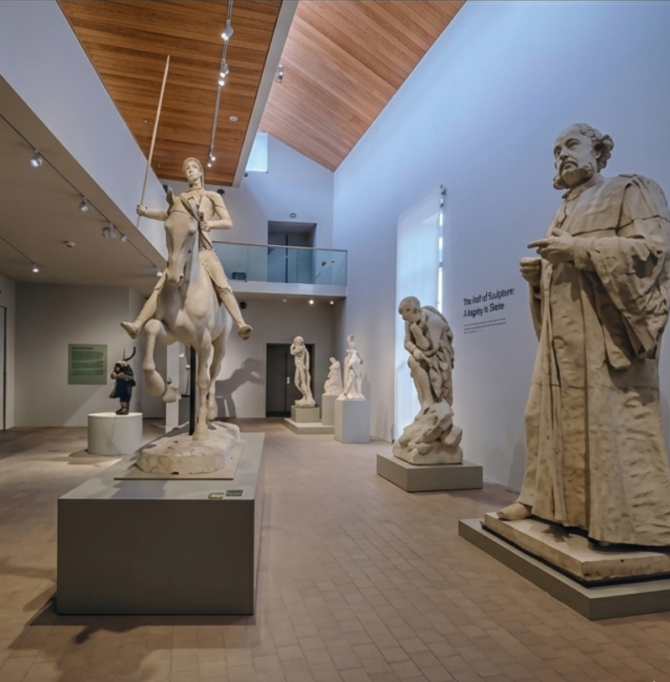
A centre for French sculpture, the Musée Camille Claudel sits in the characterful town of Nogent-sur-Seine in the Seine Valley – an area rich in attractions, from riverside villages to botanical gardens
1. A LANDMARK FOR FRENCH SCULPTURE
Spanning 15 galleries and around 200 works, the museum charts French sculpture from 1880 to 1914. It places sculptor Camille Claudel (1864–1943) firmly within her artistic milieu while revealing the originality of her vision through 45 key pieces, including The Waltz, The Gossips, The Little Châtelaine and The Age of Maturity.
2. NOGENT-SUR-SEINE
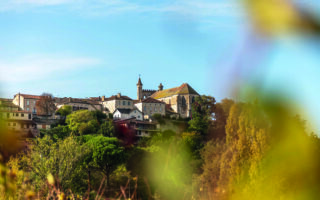
Designated a Petite Cité de Caractère, Nogent-sur-Seine combines architectural heritage with literary connections. Wander its narrow streets to the Seine, follow in the footsteps of Frédéric Moreau from Flaubert’s Sentimental Education, and visit the 15th- and 16th-century Church of Saint-Laurent, whose bell tower offers wide views over the Seine valley and towards Île-de-France.
3. AN ENLIGHTENMENT CHÂTEAU
Built in 1754 for Abbé Terray, the fi nance minister to Louis XV, the elegant Château de La Motte-Tilly is fully furnished with period pieces and set within formal gardens. Now open to visitors, it offers an evocative glimpse of 18th-century life.
4. THE SEINE VALLEY
This stretch of the Seine remains largely unspoilt, making it ideal for walking, cycling or exploring by water – from rowing boat to paddleboard or canoe. The river’s meanders are dotted with charming villages that are well worth a stop.
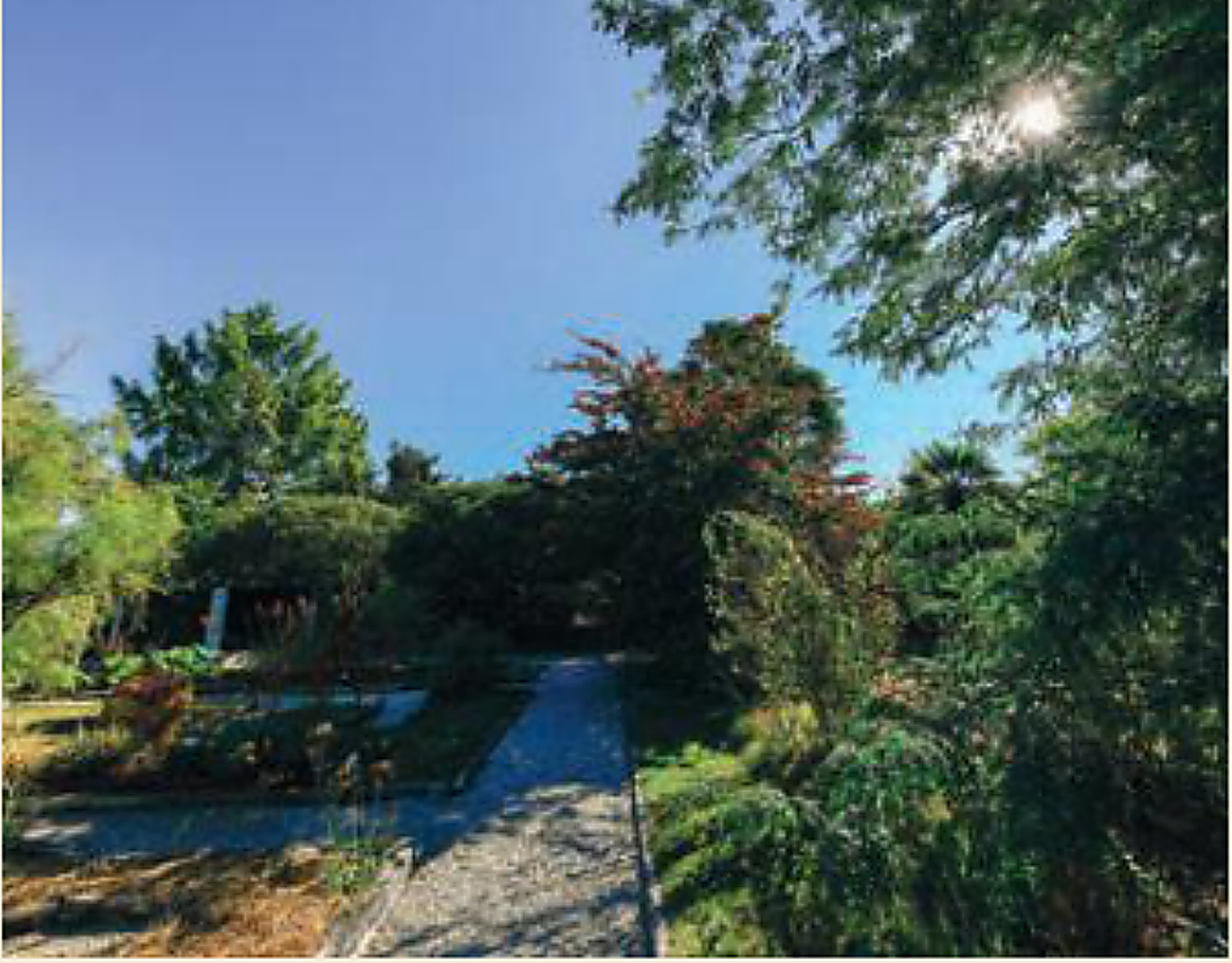
5. MARNAY-SUR-SEINE BOTANICAL GARDEN
This riverside village is home to a botanical garden dedicated to environmental education, with more than 2,500 plant species arranged across themed areas, including rose gardens, medicinal plants and kitchen gardens. Open May 1 to October 15.
6. PONT-SUR-SEINE
A village shaped by centuries of history, Pont-sur-Seine was once frequented by fi gures such as Alcuin, the Anglo-Saxon scholar and adviser to Charlemagne, and Napoleon I. Highlights include a 12th-century church decorated in the 17th century by artists including Philippe de Champaigne and Eustache Le Sueur, as well as ramparts, Renaissance houses and riverside walks.
7. THE GATEWAY TO CHAMPAGNE
Around 15km from Nogent, the vineyards of Villenauxe-la-Grande mark the first stop on the Champagne Tourist Route when arriving from Paris. Covering more than 100 hectares, the area is home to a dozen independent producers offering cellar visits and tastings.
8. STAINED GLASS HERITAGE
The Aube department holds more than 9,000m² of stained glass, from Troyes Cathedral to village churches. A contemporary trail in the Nogent area features works by David Tremlett, Fabienne Verdier and Joël Mône, accessible via the ID Vizit app, designed for self-guided cultural tours.
9. ROMILLY-SUR-SEINE’S TEXTILE PAST
Once known as ‘Romilly les chaussettes’ (Romilly the sock-maker), the town was a centre of hosiery production. Its living museum demonstrates traditional machinery and techniques, while the town remains historically linked to the Le Coq Sportif brand.
10. PREHISTORIC LANDSCAPES
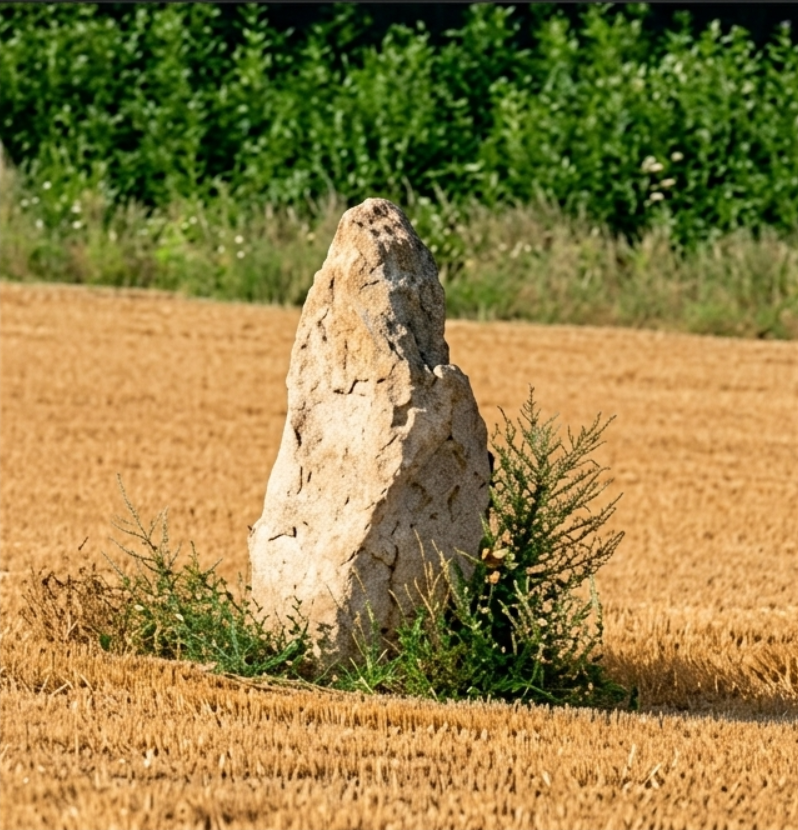
The Nogent region is rich in megalithic remains, with a wealth of menhirs, dolmens and polishing stones dating from the late Neolithic period (c. 2500–2000 BC). A dedicated trail, available via the ID Vizit app, invites visitors to explore these sites.
From France Today Magazine
Lead photo credit : NILS NICOLET, OLIVIER DOUARD, OTNVS
Share to: Facebook Twitter LinkedIn Email
More in Aube, Camille Claudel, Champagne route, Château de La Motte-Tilly, Claudel, Musée Camille, Nogent-sur-Seine, Petite Cité de Caractère, sculpture, Seine Valley, Stained Glass
Related Posts

Leave a reply
Your email address will not be published. Required fields are marked *