
Escape to Villeneuve-Lez-Avignon
The Gard city is ideal for escaping the crowds during Avignon’s annual theatre festival. But its charm, accessibility and gentler prices recommend it as a base at any time of year.
Stately Avignon, the historic seat of the French Popes and a dynamic centre for the arts, is a major stop on the Provence tourism circuit, especially during the acclaimed Avignon Festival. Crafted from the same tawny stone as Avignon, Villeneuve-lez-Avignon is often seen – if seen at all – as a satellite of its famous precursor across the bridge.
Not only does this beautifully preserved and equally historic town offer a peaceful respite from the summer crowds, it also provides a fascinating complement to Avignon’s storied past, along with an abundance of top-notch culture, dining and shopping.
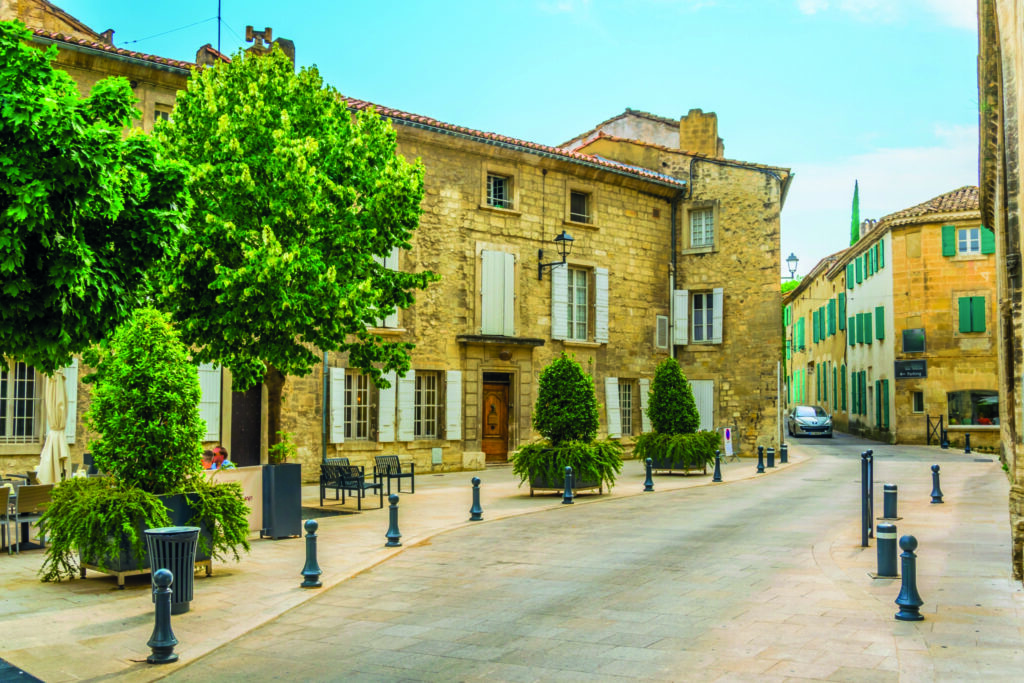
Accessibility is a big part of Villeneuve’s allure; the town is an easy 10-minute bus ride from Avignon centre, and its major sites, dining and lodging are either on or within easy walking distance of the town’s main artery, Rue de la République.
It’s well worth the trip from Avignon or as part of your Provence tour, if only for a stroll down this charming thoroughfare lined with alluring boutiques, cafés and gourmet shops. But lingering for a dose of history offers up beautifully preserved medieval sites resurrected as museums and exhibition spaces and a choice of top-notch hotels.
Villeneuve past and present
“The cobbled streets are lined with medieval stone and half-timbered buildings.”
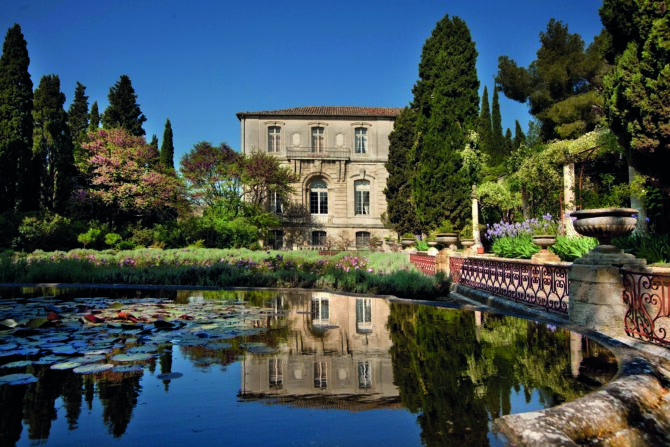
To explore the earliest traces of the town’s rich history, head to the Abbaye Saint-André, a 15-minute walk from the town centre up the Mont Andaon and one of Villeneuve’s loveliest spots.
Nestled within the abbey’s lush Italianate gardens lies the tomb of Saint Casarie, a Christian hermit who lived in a grotto here until her death in 586. Her tomb, sheltered within a modest 11th-century Romanesque chapel at the top of the terraced gardens, has attracted pilgrims for centuries and is the primary vestige of Villeneuve’s earliest Christian origins.
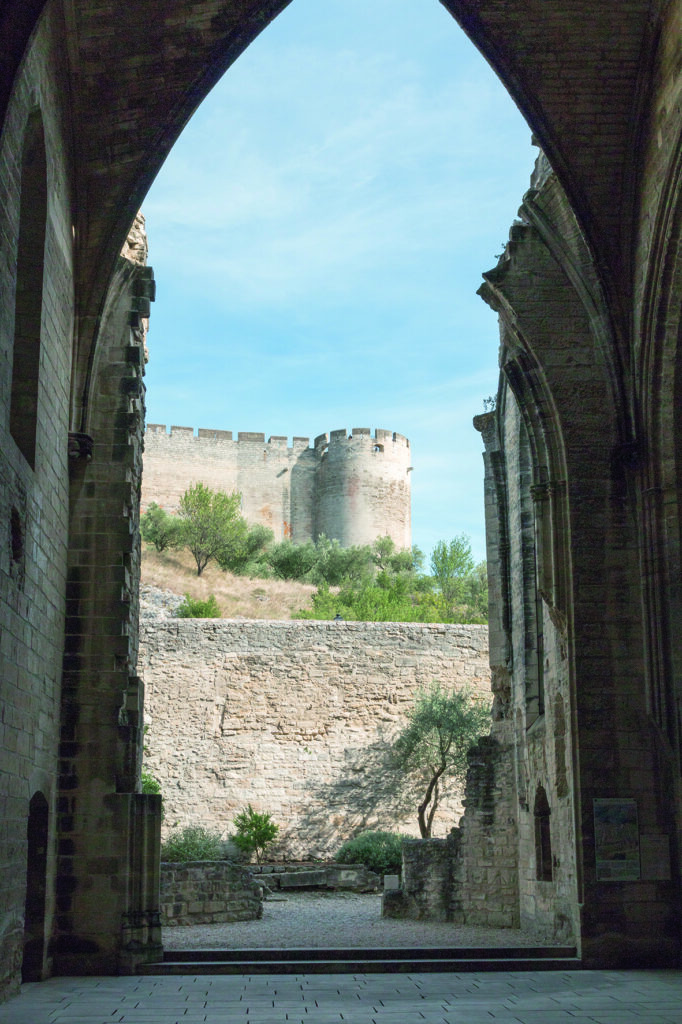
Image: Alain Hocquel / Daniel Villafruela
The abbey itself was founded in the 10th century, and between the 11th and 13th centurtes expanded into one of France’s richest and most powerful Benedictine monasteries, with extensive lands and wealth.
The monks grew so powerful that the Crown took notice, permitting the abbey Independent. rights in return for control of its strategie position high on the cliffs facing Avignon with unobstructed views of the River Rhône.
Though a settlement had always sat at the foot of the mount, the king and the Benedictines joined forces to establish a new town: Villeneuve.
Though little of the medieval monastery remains, visitors can tour the elegant Palais Abbattal, constructed in the 17th century on the site of the original Benedictine monastery. An art gallery on the premises holds notable exhibitions and pays homage to Gustave Fayet, the multi-talented artist and prolific collector who, in the early 20th century, financed the historic abbey’s restoration.
From April till September visitors can stroll in the flower gardens then stop at the Hortus Café for a gourmet lunch or snack on its shady outdoor terrace with panoramic views of Avignon, the river and Mont Ventoux.
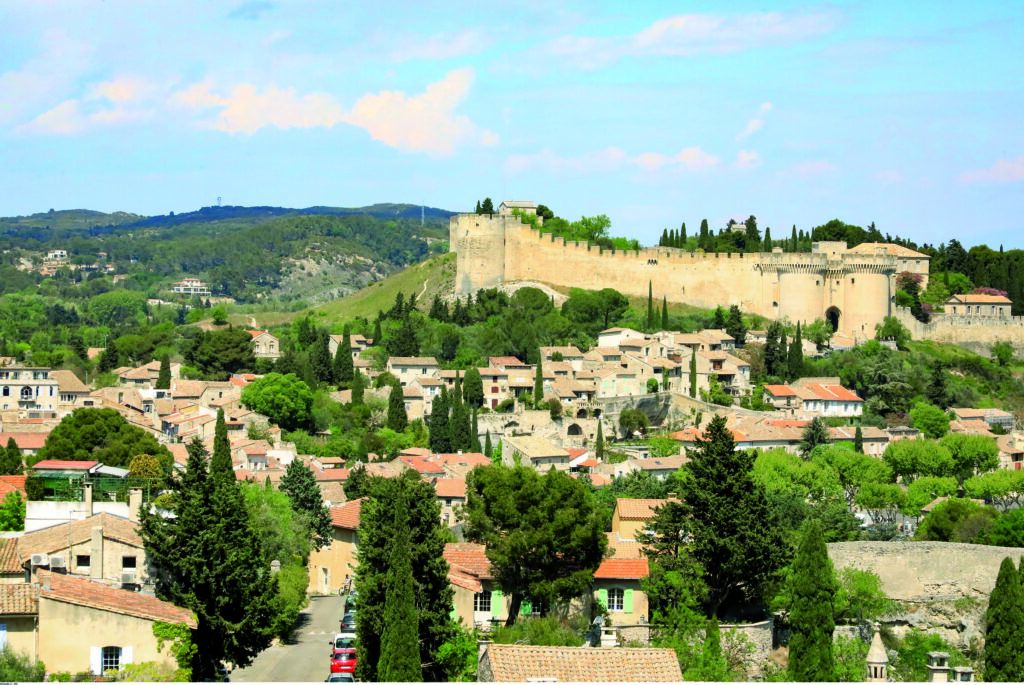
“Villeneuve’s fortunes took a turn in 1309, when Pope Clement V, a Frenchman, moved his papal court from Rome to Avignon.”
At the entrance to the abbey grounds, the vast Fort Saint-André, with its museum, offers a military perspective on this strategic overlook and is a marvellous spot for panoramic views of Avignon and the Provençal countryside.
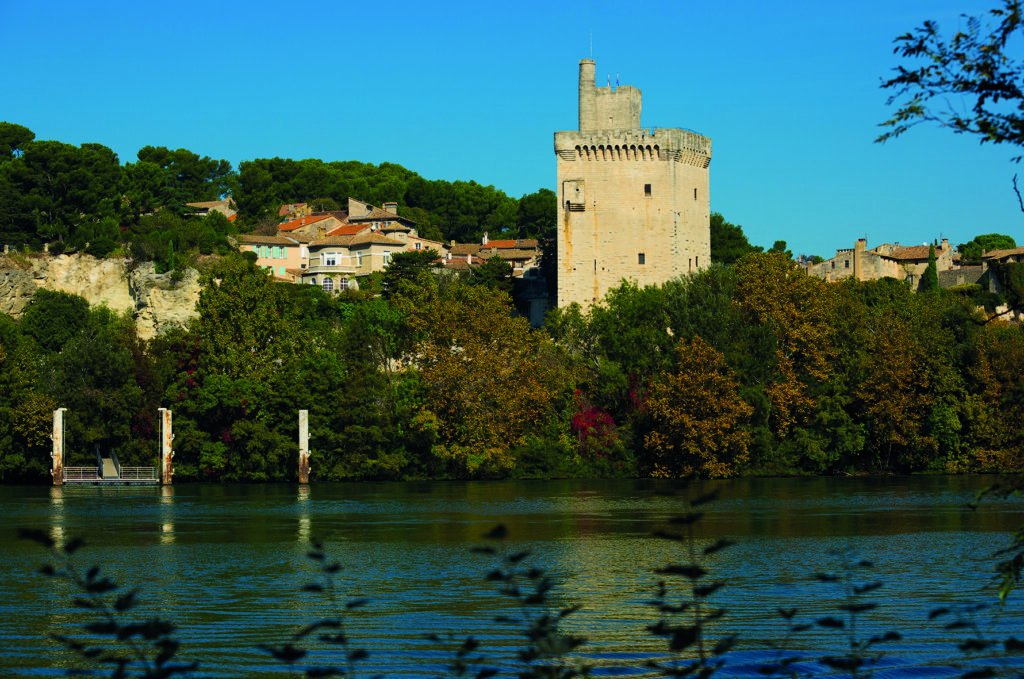
Another great spot for views is the tower built by King Philip IV (Philippe le Bel) at one of Provence’s most strategic sites, at the fork of the Rhône, to intimidate Avignon, then ruled by his rival, the Count of Provence.
The tower once completed the now famously incomplete Saint-Bénézet Bridge (aka, the Pont d’Avignon, of the French children’s song).
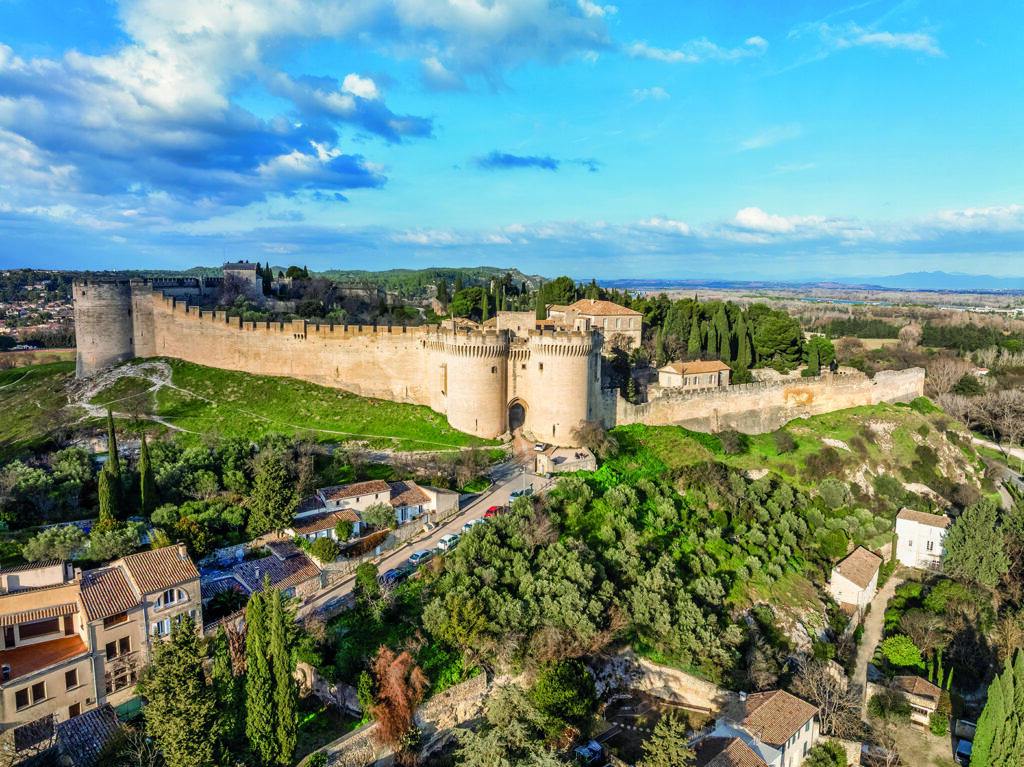
Villeneuve’s fortunes, and those of the region, took a turn in 1309, when Pope Clement V, a Frenchman, moved his papal court from Rome to Avignon to escape Rome’s relentless intrigues and infighting, ushering in 70 years of French popes (and the Western Schism, but that’s another story). In 1348, Pope Clement VI bought Avignon and the surrounding property from the Count to expand his holdings. The property, called the Comtat Venaissin, with Avignon as its capital, included Carpentras, Venasque and many of the villages.
Share to: Facebook Twitter LinkedIn Email
More in accommodation, Bourgogne, burgandy, Chablis, dining, Hotels, meursault, restaurant, where to stay
Related Posts


Leave a reply
Your email address will not be published. Required fields are marked *