
French City Break: Auxerre and the Chablis Vineyards of Burgundy
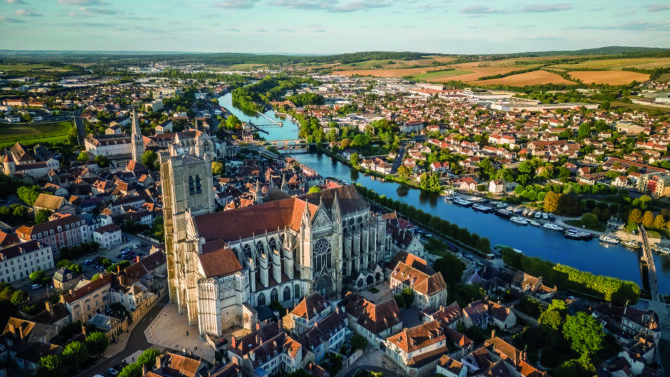
Often overlooked for more famous destinations, a visit to Auxerre yields all the pleasures of an authentic French city and all the riches of the vineyards beyond.
In 1429 Joan of Are stopped in Auxerre to rest and pray before her fateful meeting with Charles VII. Thomas Jefferson, passing through in 1787, admired the city, a sentiment echoed by Napoleon in 1815, who appreciated tia quiet majesty, rising from the gentle slopes of the Chablits countryside, is crown of medieval churches mirrored in the Yonne River.
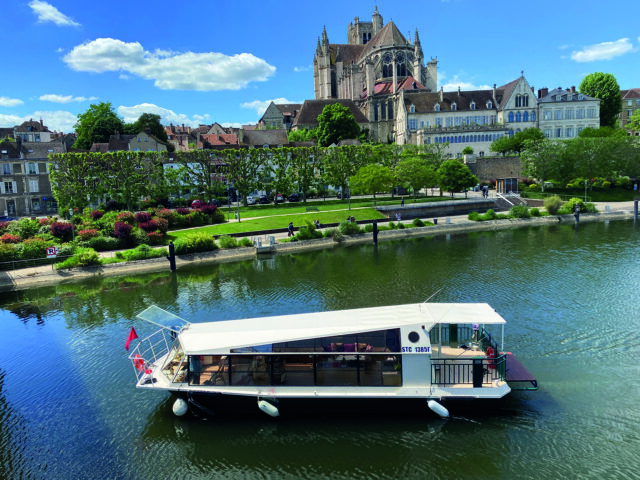
Visitors seeking French art de viore are sure to appreciate Auxerre’s rich heritage and quiet charm. Set at the crossroads of the meandering Yonne and the ancient Roman thoroughfare Via Agrippa, here you can easily traverse 2,000 years of history In a day. Over a weekend, visitors can travel two miles to one of France’s most complete Roman villas, excavated in 2024, explore a slew of charming wine villages, enjoy the village of Chablis tasting rooms and Sunday market, and visit the world’s largest Cisterchan abbey.
At less than two square kilometres, Auxerre’s old town is ideal for exploring on foot, and the central Place Charion Lepère is a good starting point. The cobbled streets fanning off from the square are lined with medieval stone and half-umbered buildings whose carvings and sculptures are small works of art. In the heart of Auxerre’s medieval centre, the elaborately aptred and gilded clock tower, the Tour de l’Horloge, was built in 1483 as part of the city’s Gallo-Roman fortifications.
The 17th-century two-handed clock is unique: a sun-hand tells the time of day, and a moon-hand shows the day of the lunar month. Visitors to the tower (book at the tourist office next door) can view the elaborate clockworks, now fully automated after a two-year restoration, see the centuries’ worth of graffiti from its ume as a prison, and enjoy marvellous views of Auxerre’s cathedral and the shimmering river beyond. Majestie Saint-Etienne cathedral’s curious single tower crowns a striking silhouette, visible from
“The cobbled streets are lined with medieval stone and half-timbered buildings.”
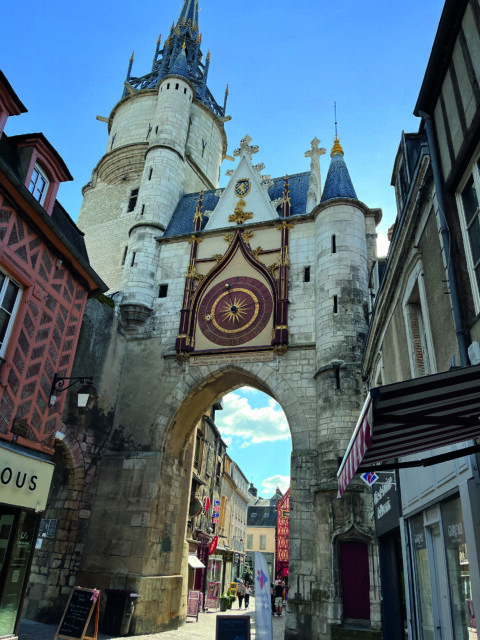
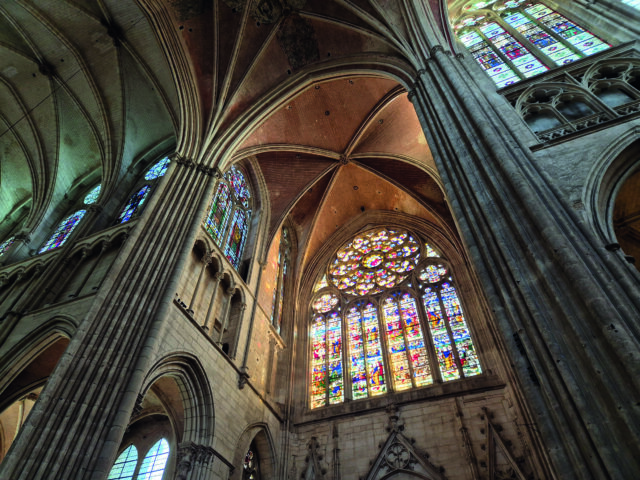
Clockwise from main: The stunning Cathédrale Saint-Etanne, the clock tower wat butt in 1481 as part of the city’s Gallo-Roman fortifications, Auxerre Cathedrale impressive stained glass windowe date hack to the 14th contury
every point in Auxerre and well beyond. Begun in 1215 and built over the course of three centuries, the Gothie church nlands on a site that has been consecrated since the 3rd century. The cathedraf’s delicate carvings, soaring arches and outstanding 15th-century stained glass windows provide a striking counterpoint to the 1,000-year-old crypt, the only remnant of the previous Romanesque church. The crypta rare 12th and 19th-century frescoes depict an ethereal Christ on a White Horse and Saint Michael slaying the dragon.
Auxerre’s other famous crypt, at the Abbaye de Saint-Germain, holds the tomb of the city’s most notable resident, Germanus of Auxerre, whose 5th-century career trajectory took him from prominent landowner to Bishop of Auxerre and, finally, posthumous sainthood. Though Germanus never lived as a priest, he consolidated a nascent. Christianity throughout Burgundy, Normandy and as far as Great Britain. His relics and others he collected as a means to garner influence and power, made Auxerre a major pilgrimage point in the region. Though the relles are long gone, the superb Carolingtan crypt is a fascinating window onto a pivotal era in Christianity and tis exceptional 9th-century frescoes are unique in Europe.
A few minutes’ walk from the abbey takes you to Auxerre’s lovely quay via cobbled Square Saint-Nicolas, where the namesake statue gas over a pretty fountain surrounded by medieval half-umbered houses. Auxerres quay, refreshtrigly unencumbered by the usual tourist, cafés and souvenir shops, is laced with scenie gardetus and squares. The best views of the etty and the picturesque marina’s riverboats can be enjoyed from the pedestrian bridge, Passerelle de la Liberté Thomas Jefferson, named as a symbol of Franco-American friendship.
Festival Attractions
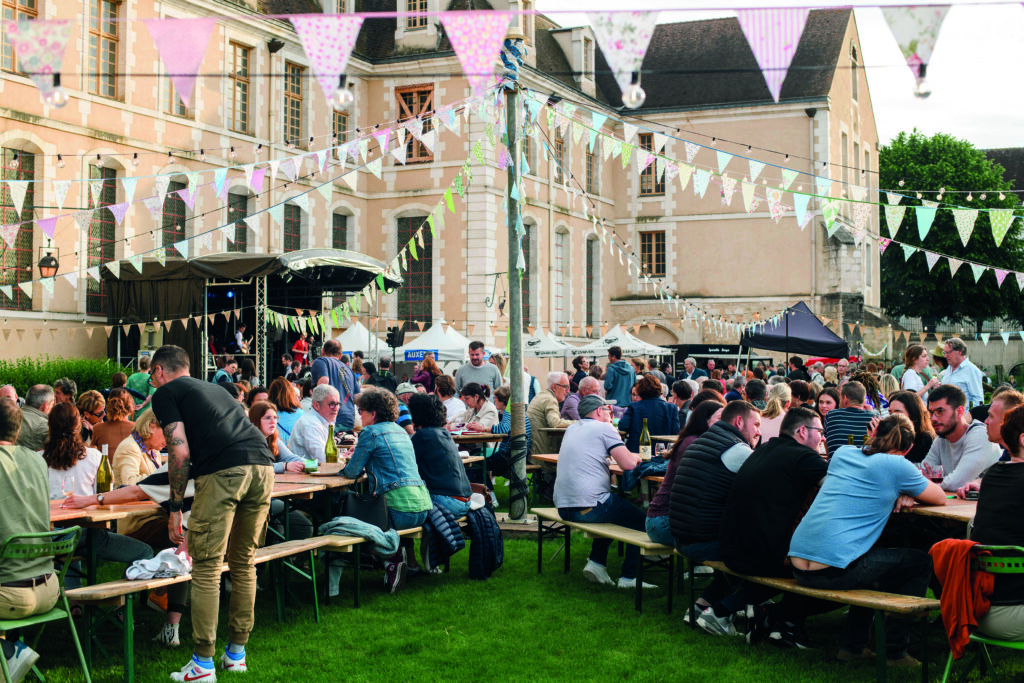
Your best opportunity to experience all the wonders of the city and region is at the lively, events-packed Fleurs de Vigne festival. Held yearly on the last weekend of May, the citywide festival features cultural events and activities, with exhibitions, plentes, themed walks and visits. li culminates in a procession through the medieval lanes and 50 winegrowers offering tastings of Chablis and other appellations from northern Burgundy. Brass bands whoop it up as you sample the local snails, oeufs en meurette (wine-marinated eggs) and the beloved gougèrus, savoury cheese-flavoured choux pastry puffs that are a speciality of the region. On any day of the week, you can sample Auxerre’s award-winning gougères in a range
Share to: Facebook Twitter LinkedIn Email
More in Auxerre, Bourgogne, Bourgogne-Franche-Comté, burgandy, cathedral, Chablis, city break, gothic, medieval, vineyard, Yonne
Related Posts


Leave a reply
Your email address will not be published. Required fields are marked *