
A Medieval Gascon Village Reborn
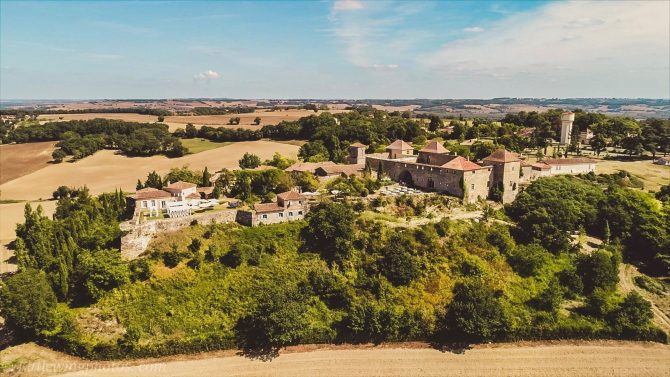
In the heart of Gascony, an ancient stronghold becomes one of France’s most extraordinary places to reconnect…
In the rolling hills of southwest France, where morning mist lingers over sunflower fields and swallows sweep through the sky, there’s a place unlike any other. Once abandoned and drenched in ivy, a fortified medieval village has found new life, not as a museum, but as a destination where guests can slow down, gather, and truly feel part of something special.
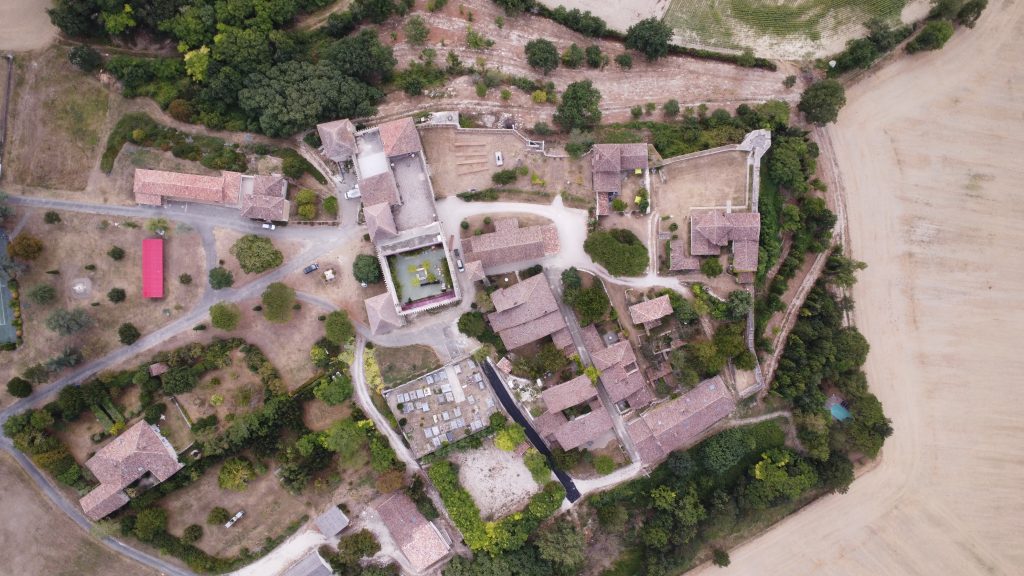
The Village is a 12th-century hamlet, privately restored and now welcoming weddings, retreats, and family reunions. Located in Gascony, between Agen and Auch, it’s one of the most remarkable places in France to stay.
The story begins in 1978, when businessman Frédéric Coustols, originally from the region and the author of a book on the subject of rural architecture in Gascony, was approached by the local baker to purchase three crumbling houses hidden inside the old village walls. What he found beneath decades of neglect was extraordinary: a forgotten medieval stronghold with remnants of ramparts, a chapel, and the outlines of a once-thriving community.
Where others saw ruin, Coustols saw potential. Over the next 23 years, he led a quiet but determined campaign to restore the village. Using traditional techniques and local artisans, he brought it back to life stone by stone. This was not a commercial venture, but a deeply personal mission of restoration, and proof that rural communities could be rebuilt with care and integrity.
The restoration was no small undertaking. Working with grants from the French State and an unshakeable belief in his vision, Coustols and his family embarked on a 23-year journey that would transform not just the physical structures, but the very soul of the place. The first phase, completed in 1988, saw all seventeen houses within the castle walls restored, along with three outside. The impact was immediate and heartening, 16 families, 36 people in total, chose to relocate from surrounding urban areas to live within the ancient walls. What had been a forgotten fragment of French history became a working, living village once again. By 2001, the project had received the RICS Award for Regeneration.
Staying among the stories
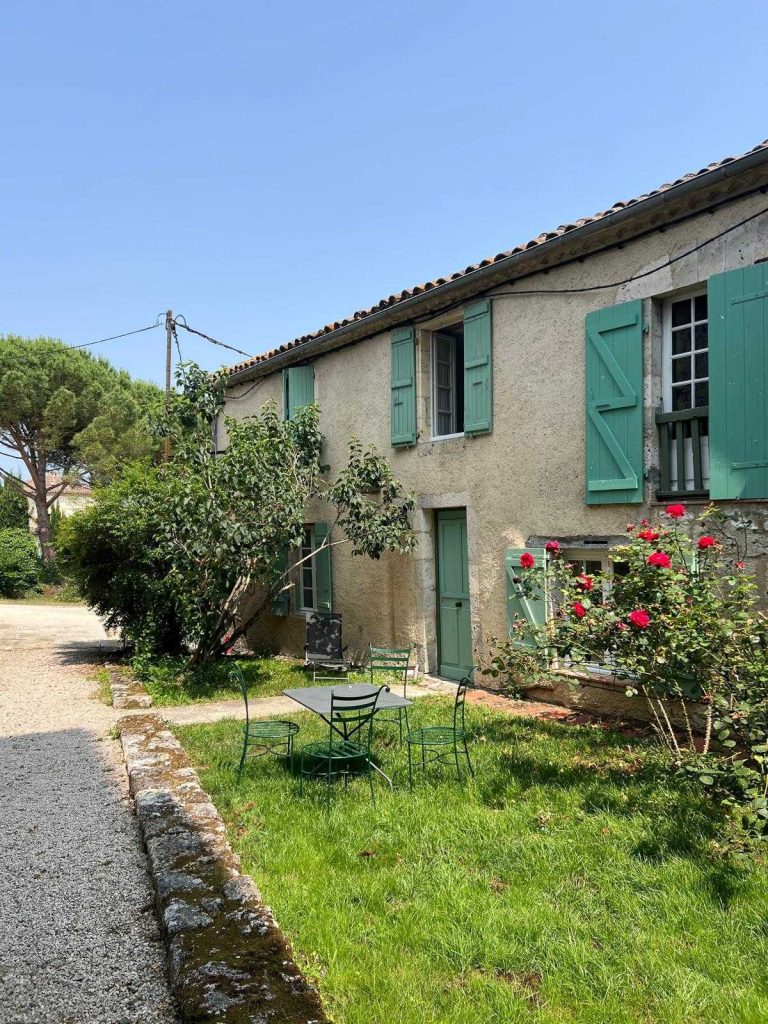
Once a bustling village of trades and tradition, the cottages today still echo the lives once lived within their walls. Some cottages, like Renard and Cadeilhan, have been cleverly joined to create light-filled, layered spaces, while others retain their original footprints which are full of character.
Gests Guests can book all 16 restored houses for events and celebrations. Each one has its own name, often the surname of those who lived there.
Tilladet, once the village bakery, now feels like a generous farmhouse. Filiat, the old schoolhouse, sits on the edge of the village and looks out across a vast valley. Antonin, with its blue-shuttered facade, was once a working farm. Cassagnet, standing proudly where the first castle once rose, still holds the weight and dignity of its past.
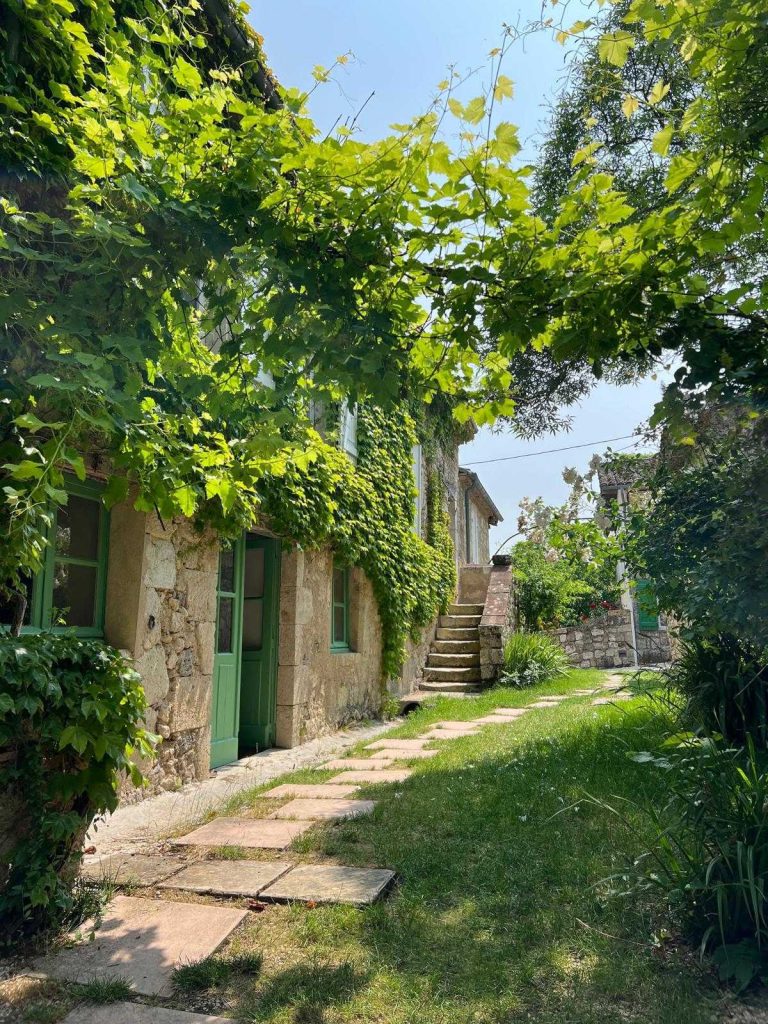
Other homes tell their stories more quietly. Jacob, the former cobbler’s cottage, now offers bedrooms and a rooftop terrace perfect for stargazing. Dastros, home to five generations of mayors, still reveals its secrets through old trapdoors, a magnificent stone staircase and an 11th-century kitchen beam.
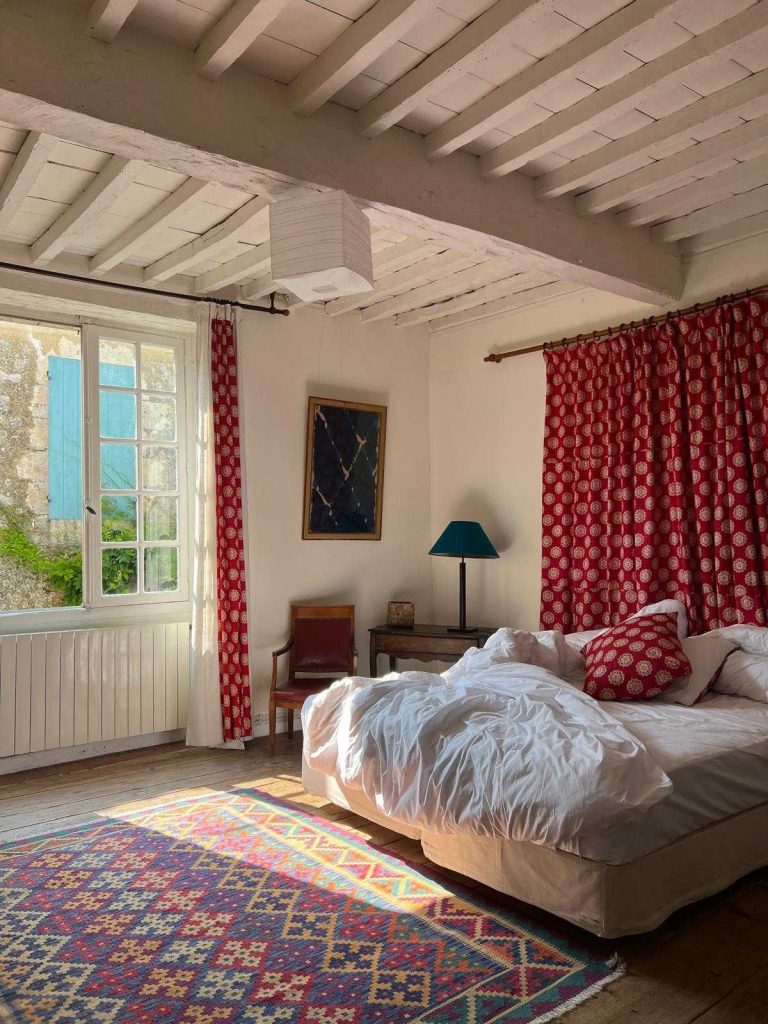
And then there’s Cercle, the village’s former medieval inn, a place so full of character, that one imagines the walls themselves could recount the centuries of stories they’ve absorbed.
What makes the village feel authentically lived-in rather than simply restored is the way the houses relate to one another. Windows face across narrow streets, and guests often find themselves waving to friends staying in the house opposite or gathering in doorways to plan the day’s activities. The architecture naturally encourages this kind of interaction. Unlike a hotel where all rooms are accessed from uniform corridors, here each house has its own unique position and personality. Guests enjoy the process of finding their way through the village, learning the shortcuts and favourite spots, becoming villagers rather than visitors.
Bringing people together
Whether it’s a family celebration, a corporate retreat, or a wedding, the venue offers something increasingly rare in our digital age, – the opportunity to disconnect from the outside world and reconnect with one another.
The sixteen carefully renovated houses, filled with original art and antiques, can accommodate up to 80 guests. But the magic lies not just in the accommodation itself, but in the unique environment it creates.
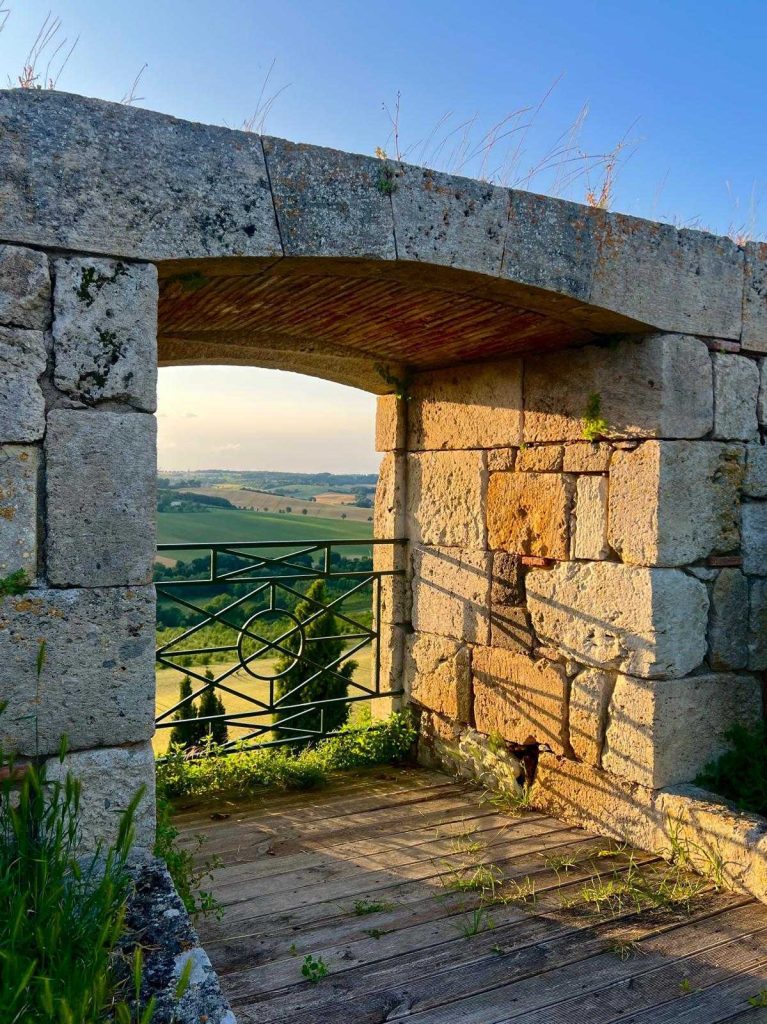
A family reunion might see grandparents chatting away in one garden whilst teenagers gather in another, but the connected nature of the village means that these different groups remain part of the same celebration. Corporate retreats benefit from this same dynamic, teams can break off for smaller discussions in various house gardens, then reconvene in the old stables for larger discussions.
Beyond the houses themselves, the village boasts an immense event space with large windows and a professional kitchen, as well as a chapel complete with ringing bell, and a saltwater swimming pool shaded by trees beneath The Village.
What makes The Village truly special is how it manages to feel both grand and intimate simultaneously. The fortress walls create a sense of enclosure and security, a protected world where guests can focus entirely on one another without the distractions of modern life.
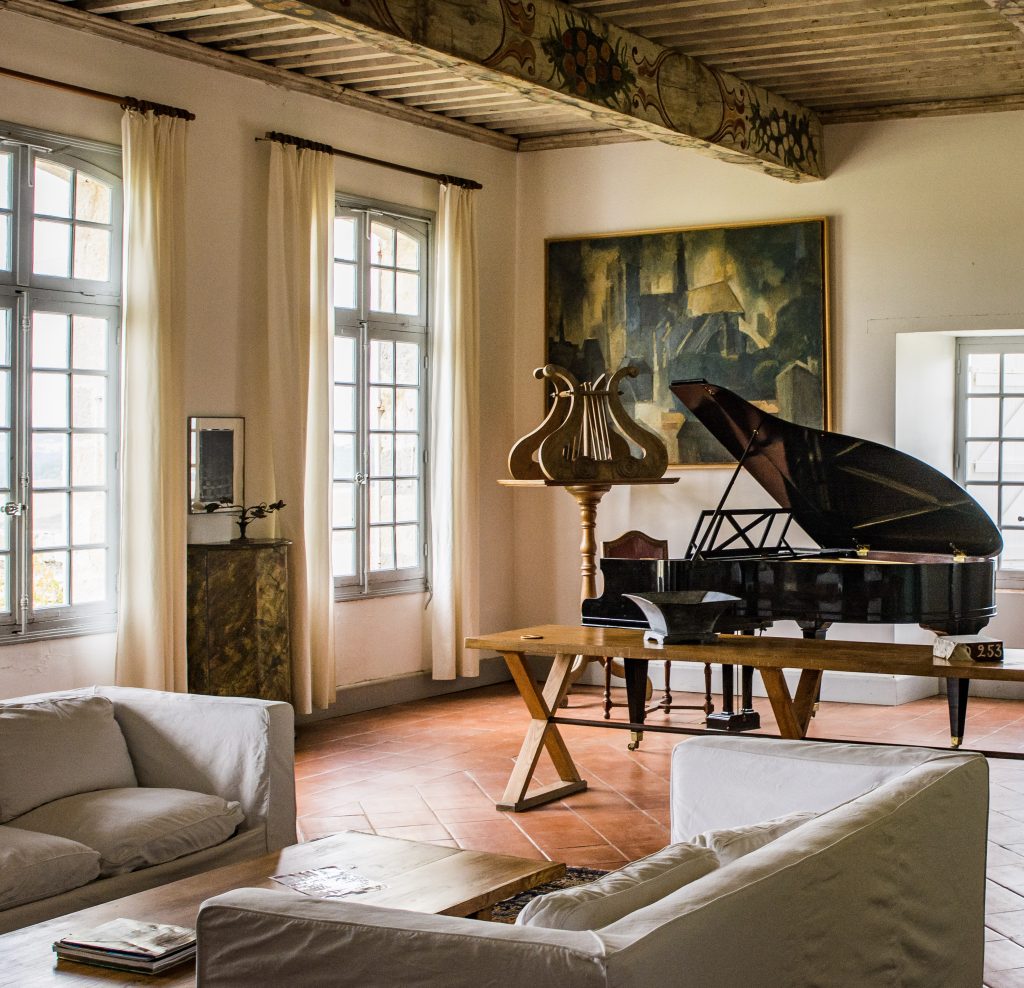
Guests might spend days exploring and still discover new corners, new views, new details. This quality of mystery and revelation adds depth to any gathering.
A lasting legacy
The success of The Village extends far beyond its role as a venue. It has become a model for rural regeneration, showing how historical properties can be given new life while respecting their heritage. Throughout the project, Coustols was committed to using local tradesmen and traditional building techniques.
For the Coustols family and management team, The Village represents more than just a business, it’s a legacy and a continuing mission. Co-owner Jean Coustols proudly emphasises that they are custodians of something precious, not just the physical structures but the sense of community and connection that the place embodies.
In a world that often feels fragmented and rushed, The Village offers something increasingly precious, the time and space to be truly present with one another.
Within these walls, the narrow streets that once bustled with medieval craftsmen and traders now host a different kind of human activity, families reconnecting, teams building stronger relationships, friends celebrating life’s important moments.
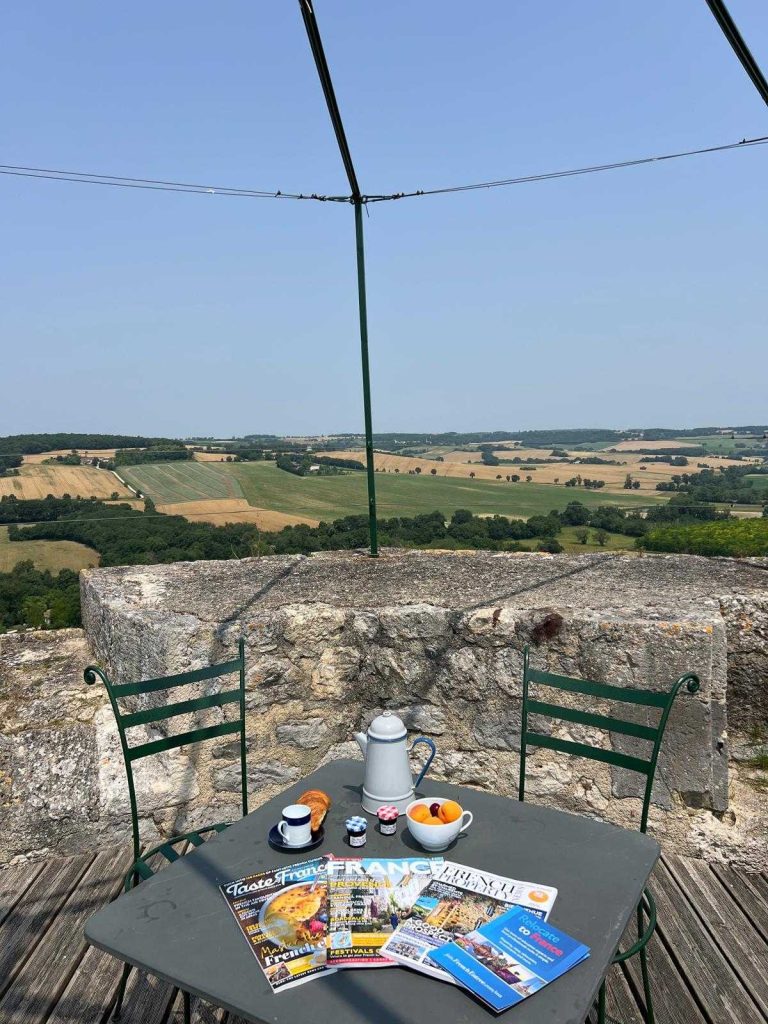
It’s a remarkable achievement, a medieval village that has found new purpose in the 21st century, proving that the best restoration projects don’t just preserve the past but help us build a better future. The Village stands as a testament to what’s possible when vision, craftsmanship, and community come together in pursuit of something truly worthwhile.
Share to: Facebook Twitter LinkedIn Email
More in Gascony, Team-building, travel, village
Related Posts
Leave a reply
Your email address will not be published. Required fields are marked *