
My Life in Paris: Symbol of Peace
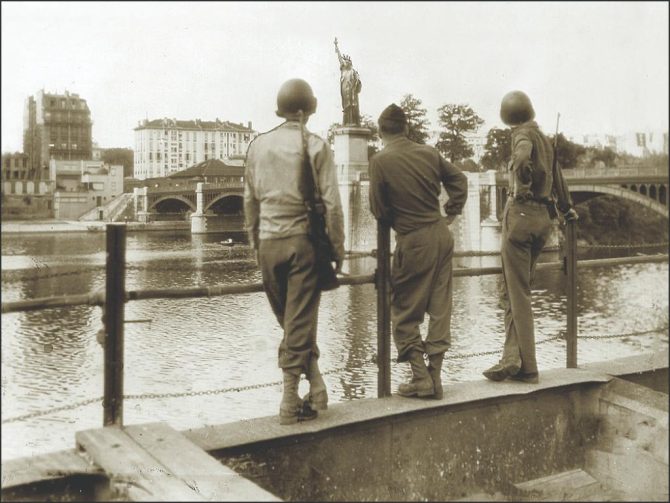
Theadora reflects on a much-loved gift from one nation to another.
There are four in Paris and everybody’s got a favourite. I’m talking about la Statue de la Liberté – you can find them ranging in size from a hefty one near the Pont de Grenelle on the Ile aux Cygnes, to more manageable prototypes in the Musée d’Orsay and the Musée des Arts et Métiers. You can also find a full-size duplicate of her torch at the entrance to the Pont de l’Alma tunnel, where Princess Diana’s car crashed. Nowadays, the Flamme de la Liberté serves double duty as her unofficial shrine.
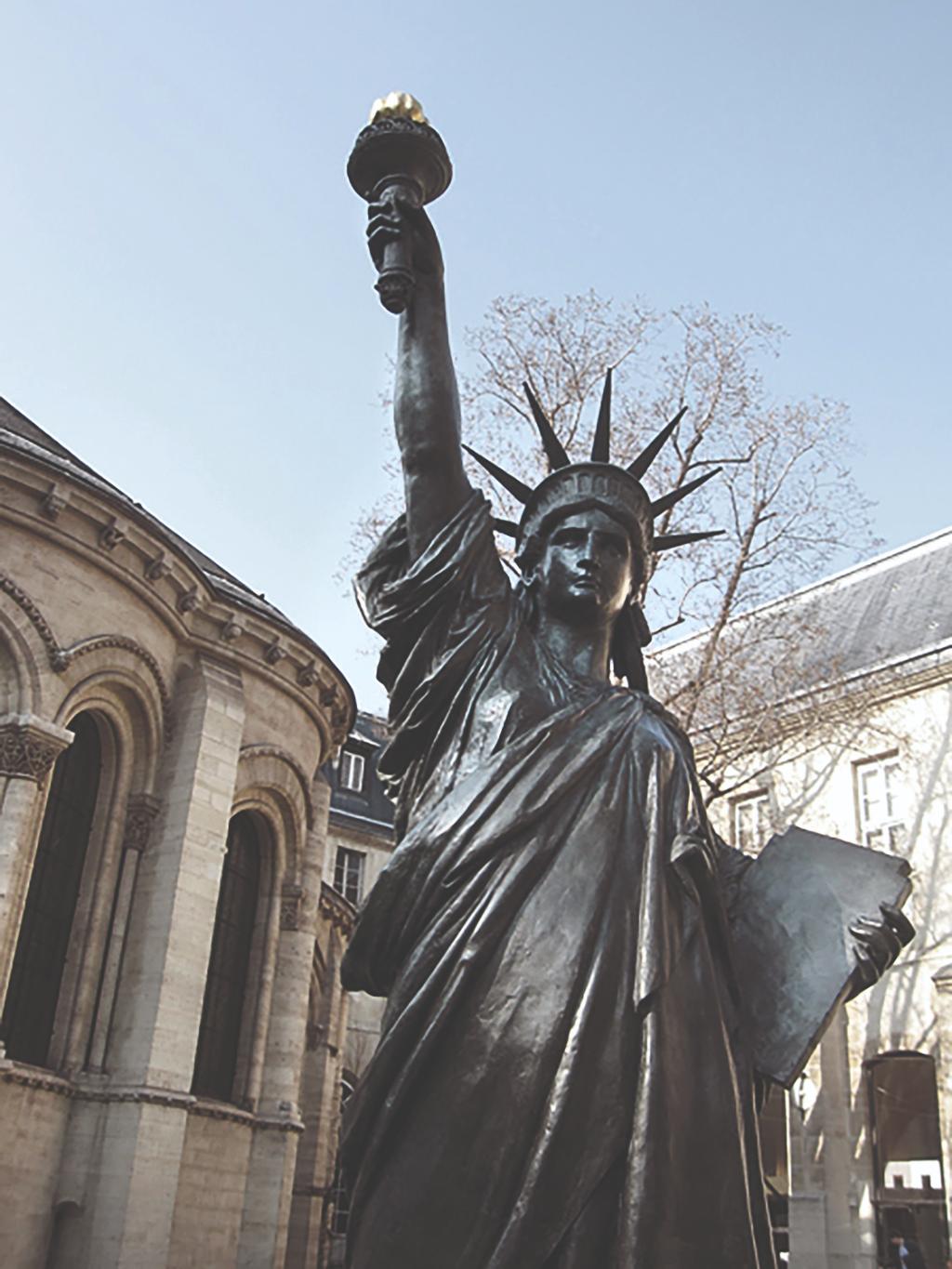
Liberte at Musée des Arts et Métiers
New York, New York
My fondness for Lady Liberty began when I lived on Staten Island in New York City and would take the 25-minute ferry ride to lower Manhattan, passing Liberty Island (formerly Bedloe’s Island). Morning and night, I’d see her looking fierce in her spiky nimbus and floor-length chiton in its shades of copper verdigris.
Years later, after moving to France, I dressed up as the statue while running in La Rochelle’s annual marathon, and Lady Liberty souvenirs became my favourite items to hunt for at brocantes and les puces, where I found photos, postcards, compacts and even flame-shaped perfume bottles. Frédéric Auguste Bartholdi would have been pleased to see my stash, since he was the first to sell her mementos.
Dream team
Bartholdi began dreaming of building colossal statues after seeing huge figures of ancient pharaohs during a tour of Egypt. On a second visit in 1869, he proposed building a lighthouse at the entrance to the Suez Canal, shaped like a huge draped figure bearing a torch. The authorities turned down the project for being too expensive, but he held onto his drawings anyway.
When he learned about plans to celebrate America’s Centennial in 1876, he saw a chance to try again, this time embracing crowdfunding. In 1876, a gigantic torch held by a 42ft (12.8m) copper arm drew throngs at the Centennial Exposition in Philadelphia. Then her head (17ft/5.1m from chin to cranium) and nimbus rays made a photogenic cameo at the Exposition Universelle in Paris in 1878. With a few tweaks in costume and gear, ‘Egypt Carrying the Light to Asia’ had become ‘Liberty Enlightening the World’. By this point, Eugène Emmanuel Viollet-le-Duc and Alexandre Gustave Eiffel had signed on to be the structural engineers of the Union Franco-Américaine Statue of Liberty project.
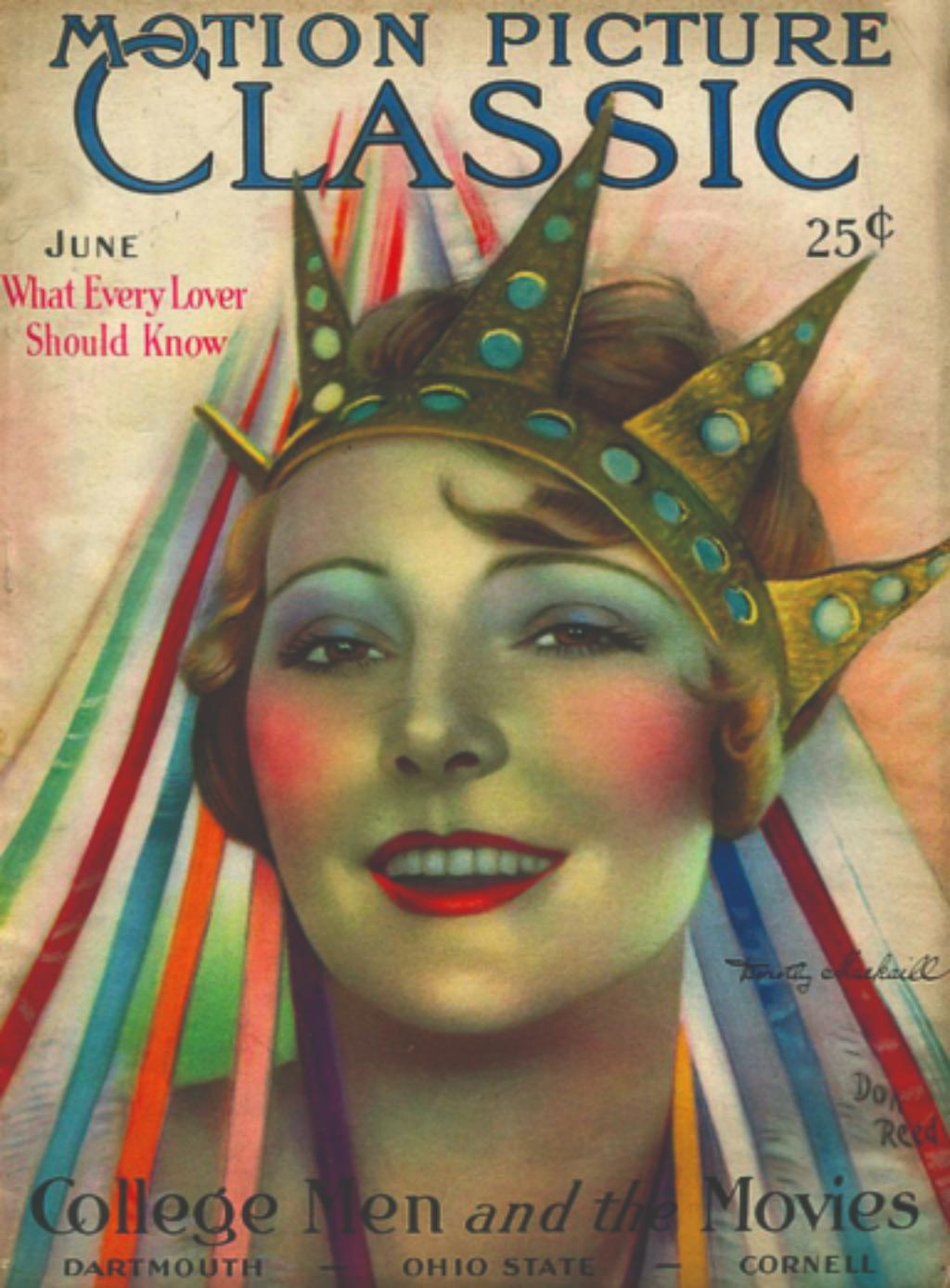
Lady Liberty
A star is born
Cutting a dashing figure with his short beard and pencil-thin moustache, Bartholdi not only designed the figure but oversaw its fabrication while maintaining a global buzz – there was even a Bartholdi Fan Club. French public subscriptions paid to build the statue, while Americans raised the money for her pedestal with a big push from Joseph Pulitzer, who listed every donor’s name in his New York World newspaper, no matter how small the gift. “We must raise the money!” he wrote. “The World is the people’s paper, and now it appeals to the people to come forward and raise the money. Let us not wait for the millionaires.” With a vast majority of donations at less than a dollar, it took years to complete the pedestal, which wasn’t finished until 1886, ten years after the Centennial. The statue’s components were uncrated and assembled in a matter of weeks. By then, Gustave Eiffel, who had created the statue’s internal iron framework, had gone home to focus on building his eponymous tower, which was completed in 1889.
Peace between us
Prior to the Statue of Liberty’s voyage in 1885, Victor Hugo paid a visit to Bartholdi’s workshop at 25 rue de Chazelles, Paris. He was moved to remark: “Yes, this beautiful work aims at what I have always loved, called for: peace. Between America and France , which is Europe – this guarantee of peace will remain permanent. It was good that this was done.” I agree. As Joseph Pulitzer said: “It is not a gift from the millionaires of France to the millionaires of America, but a gift of the whole people of France to the whole people of America.” The site where the workshop once stood is now the Clinique Internationale du Parc Monceau, a place of healing.
Theadora Brack has lived in Paris since 2003 and is the author of the peopleplacesandbling.com blog
From France Today Magazine
Lead photo credit : Pont de Grenelle, 1944
Share to: Facebook Twitter LinkedIn Email
More in column, life in France, Life in Paris, Paris
Related Posts



Leave a reply
Your email address will not be published. Required fields are marked *