Taste the Terroir: The Wines Across the River From Châteauneuf-du-Pape
The Rhône’s dynamic double act
Over the river from Châteauneuf-du-Pape, Dominic Rippon explores the historic rosés of Tavel and the rising whites of Lirac.
For decades, the southern Rhône’s west bank lived quietly in the shadow of nearby Châteauneuf-du-Pape. Yet the neighbouring crus of Tavel and Lirac are among the most distinctive appellations in France, places where vinous tradition and modern tastes converge in fascinating ways.
Tavel occupies a unique position in the Rhône, as the region’s only appellation devoted entirely to rosé. But these deeply coloured, well-structured wines are a world away from the fashionable pale pinks associated with Provence.
Historically, rosés with longer skin maceration and deeper colour were common across southern France. In Tavel, that tradition never disappeared. Grenache forms the backbone of most blends, supported by varieties such as Cinsault, Syrah and Mourvèdre, producing wines with flavours of wild strawberry, blood orange, dried herbs and spice. These are substantial rosés, designed for the table rather than the swimming pool, and, unusually, they benefit from a few years’ bottle age.
Just to the north, Lirac offers an altogether broader identity. Awarded cru status in 1947, the appellation produces wines in all three colours, but it is the whites that are increasingly gaining attention. In an era where freshness has become the defining currency of southern French wine, Lirac’s stony terraces and limestone slopes are proving particularly well suited to white varieties.
Grenache Blanc, Clairette, Bourboulenc and Roussanne produce whites with ripe stone fruit, fennel and floral aromas balanced by a savoury mineral edge. There is richness here, but also lift and energy – qualities that feel increasingly important as temperatures rise across the Mediterranean. The reds remain equally compelling, combining generous dark fruit, garrigue herbs and spice with the ripe tannins typical of the southern Rhône.
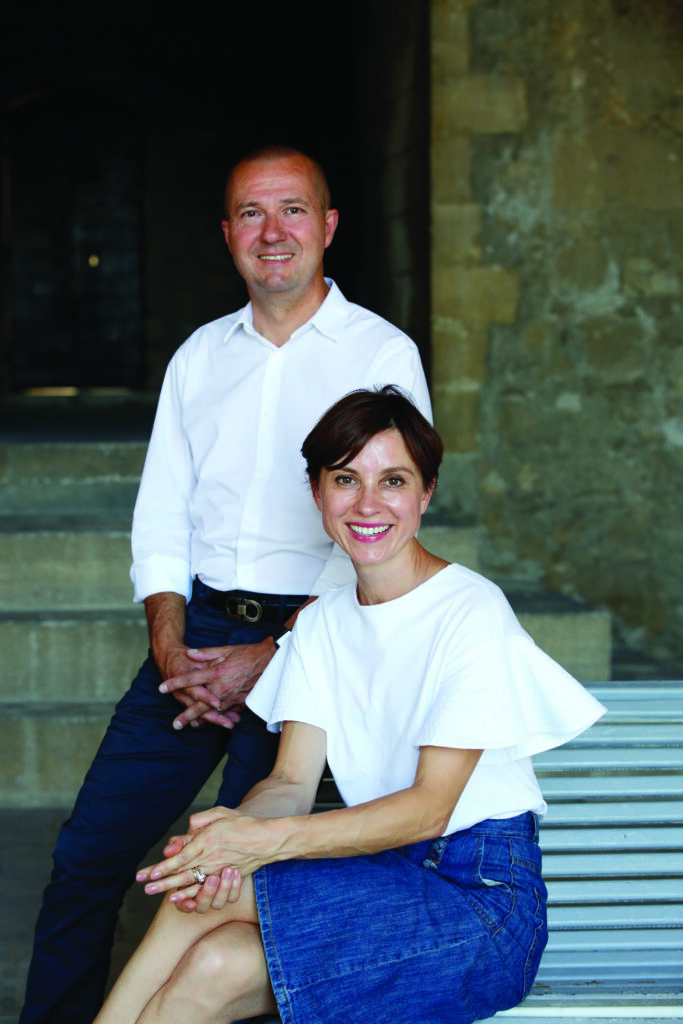
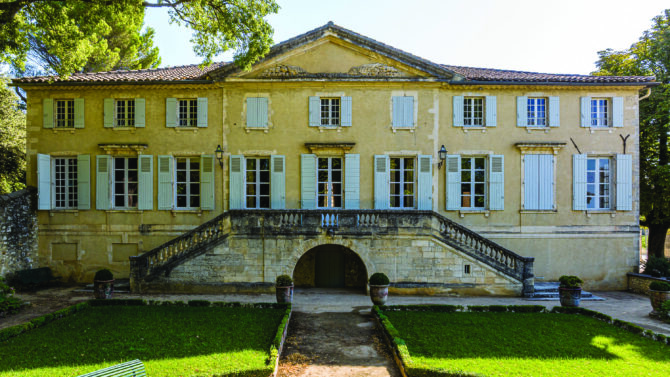
One of the strengths of both appellations is the overlap between their producers. Many estates farm vineyards across Tavel and Lirac, allowing them to showcase two very different expressions of the same broad terroir. Château d’Aquéria has long been regarded as one of the benchmark names in both appellations, while Domaine Maby demonstrates the precision and freshness that modern winemaking can achieve in the southern Rhône.
Together, Tavel and Lirac offer something rare: a confluence of modern style and freshness with centuries of local tradition, creating wines that stand out in an increasingly competitive market.
DOMINIC’S CHOICE
Château d’Aqueria
www.aqueria.com
Choice wine: Tavel Rosé 2025
Domaine Maby
domainemaby.fr
Choice wine: Lirac Blanc ‘Casta Diva’ 2024
Domaine de la Mordorée
www.domaine-mordoree.com
Choice wine: Lirac Rouge ‘La Reine des Bois’ 2023
An obscure French cheese goes viral
A little-known cheese from Franche-Comté is enjoying an unlikely moment in the spotlight.
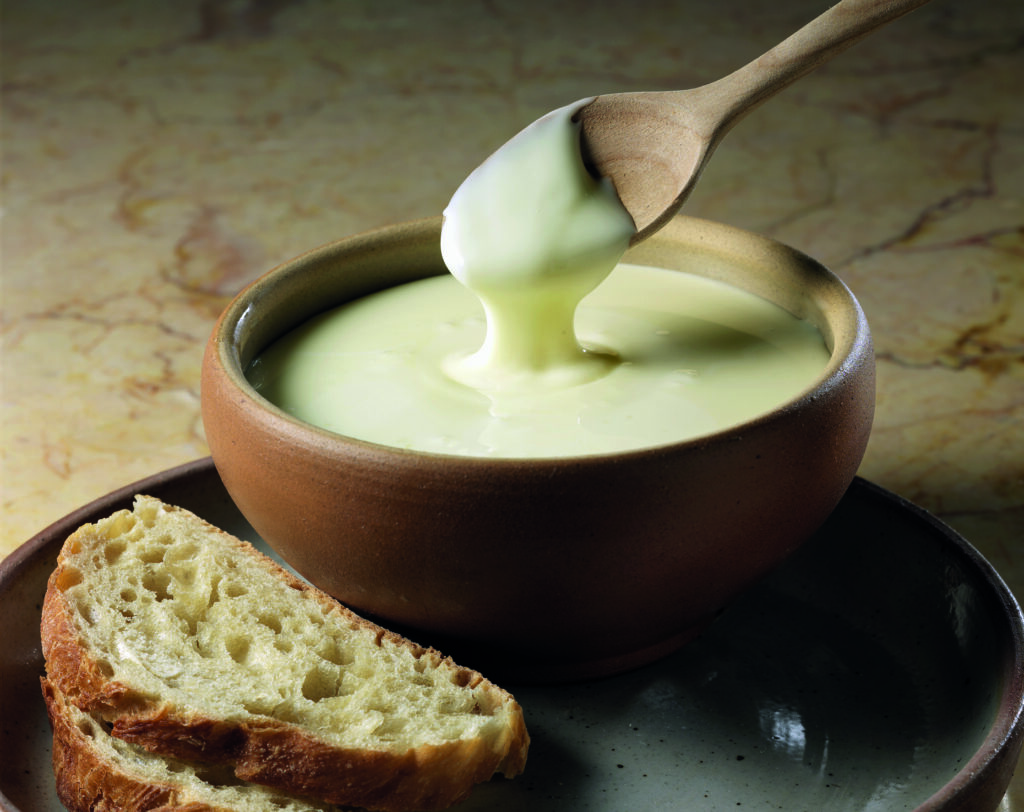
Cancoillotte, a runny speciality hailing from the foothills of the Jura Mountains, has become the latest high-protein food to send TikTok into a frenzy. Fitness influencers have been championing the cheese as a lower-fat alternative to many of its dairy rivals, with around 16g of protein and just eight per cent fat per 100g. Demand has soared and delighted producers have been scrambling to keep up. Some cheesemakers have even expanded their range with flavoured versions as the craze gathers pace.
Unlike traditional cheese, cancoillotte is made from metton, a dry, skimmed-milk curd that is matured, crumbled and melted into something halfway between cheese, sauce and fondue. It is usually served warm over potatoes, charcuterie or crusty bread. A regional favourite, it has remained largely unknown elsewhere – until now. Nutritionists have pointed out, however, that lower fat does not automatically mean it is healthier: cancoillotte contains less calcium and fewer fat-soluble vitamins than many traditional cheeses.
Gourmet Trails: Adieu to green stars.
The Michelin Guide is scrapping its Green Star, the sustainability award it launched in 2020 to spotlight restaurants going the extra mile when it comes to environmental responsibility.
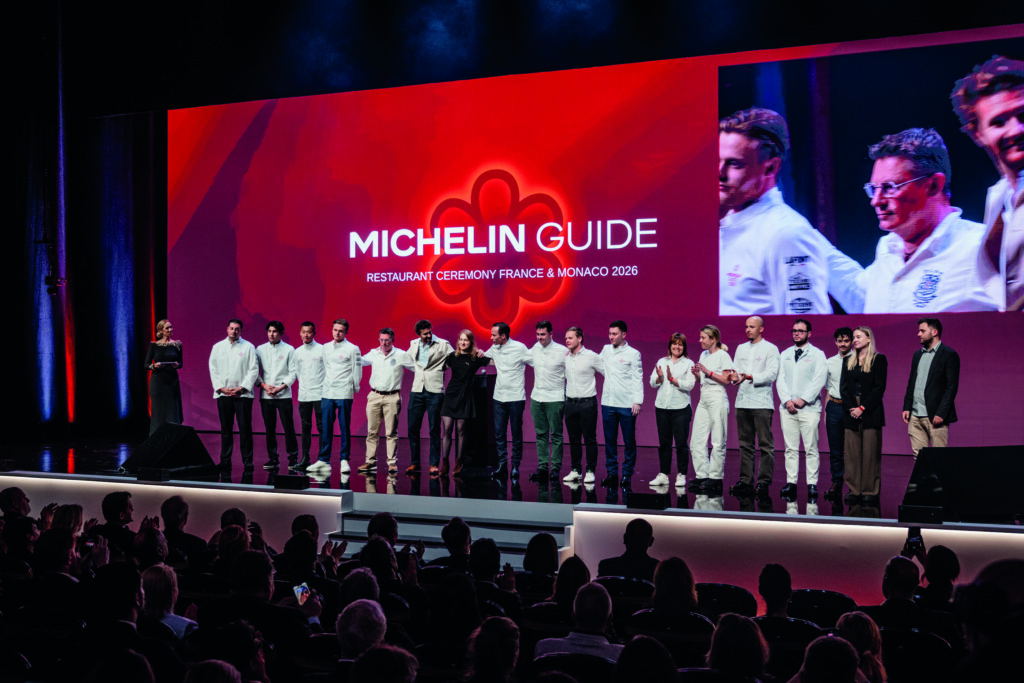
Rather than replacing the Green Star with another award, Michelin is introducing Mindful Voices, an editorial platform that will tell the stories of chefs, hoteliers and wine producers who are leading the charge in sustainable ways of working. Through articles and videos, Michelin Guides director Gwendal Poullennec says it will highlight the pioneering practices of people “who are rewriting the rules in their respective fields”.
The move affects more than 100 Green Star restaurants in France, which has the highest number of recipients in the world. Michelin is framing the change as a way to broaden its sustainability focus beyond restaurants, but the reaction from chefs has been mixed.
Speaking to newspaper 20 Minutes, several French chefs said the Green Star made it easier for diners to spot restaurants genuinely committed to sustainability, and gave businesses a reason to invest in greener practices. Some also questioned the logic of replacing a formal award with an editorial platform that offers visibility but no official accolade. For many chefs, though, the concern is less about losing a badge than losing a benchmark. They argue the Green Star rewarded years of investment in local supply chains, biodiversity projects and waste reduction. Some believe Michelin should now incorporate sustainability into the criteria for its main stars. In March, Michelin awarded the Green Star to 14 restaurants in France, saying they represented “a new approach to gastronomy”.
Three for apéro hour
Add some pizzazz to your summer evenings with these classic French cocktails
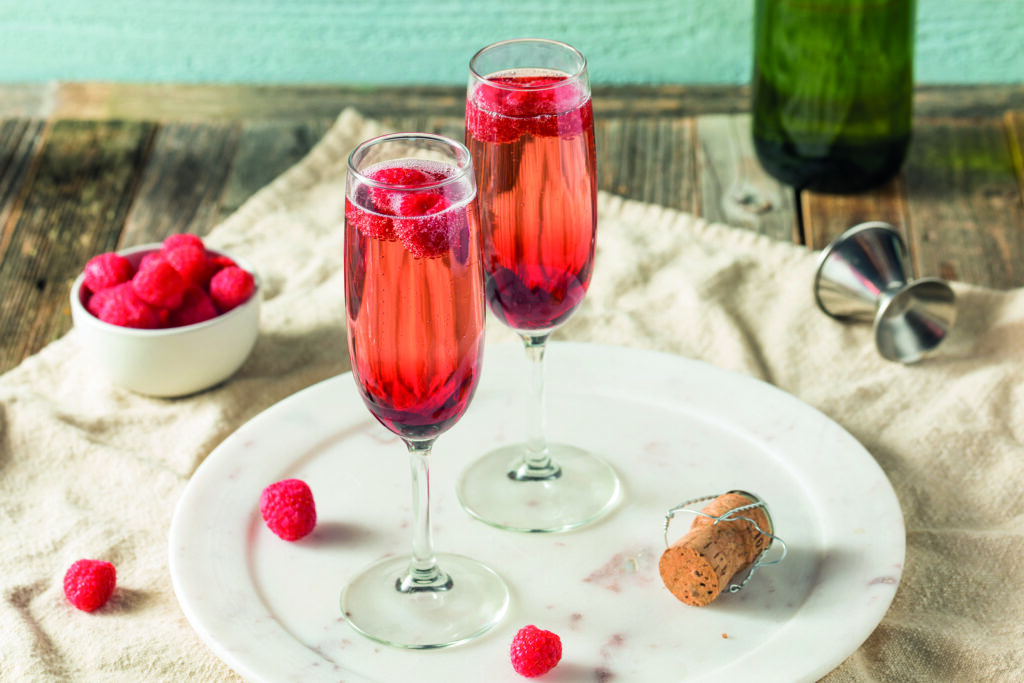
Kir Royale
This celebratory apéritif combines 10ml crème de cassis with chilled Crémant de Bourgogne or champagne. Pour the cassis into a flute, top gently with the fizz and serve immediately.
Sidecar
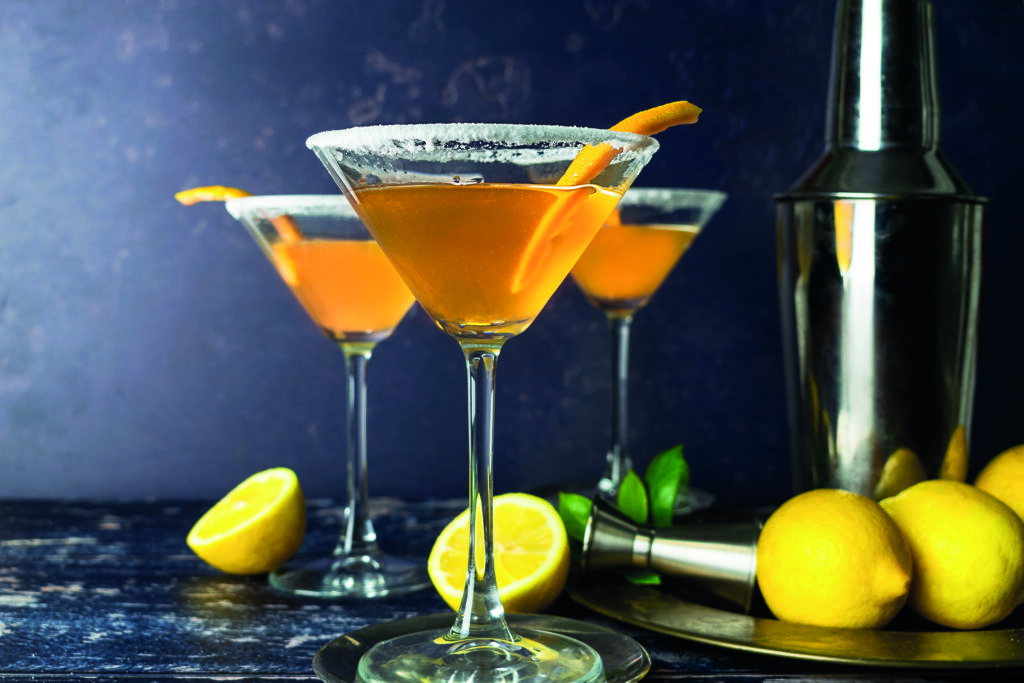
Created in Paris around the end of the First World War, a Sidecar is made by shaking 50ml Cognac, 25ml Cointreau and 25ml fresh lemon juice with ice. Strain into a chilled, sugar-rimmed cocktail glass.
Mimosa
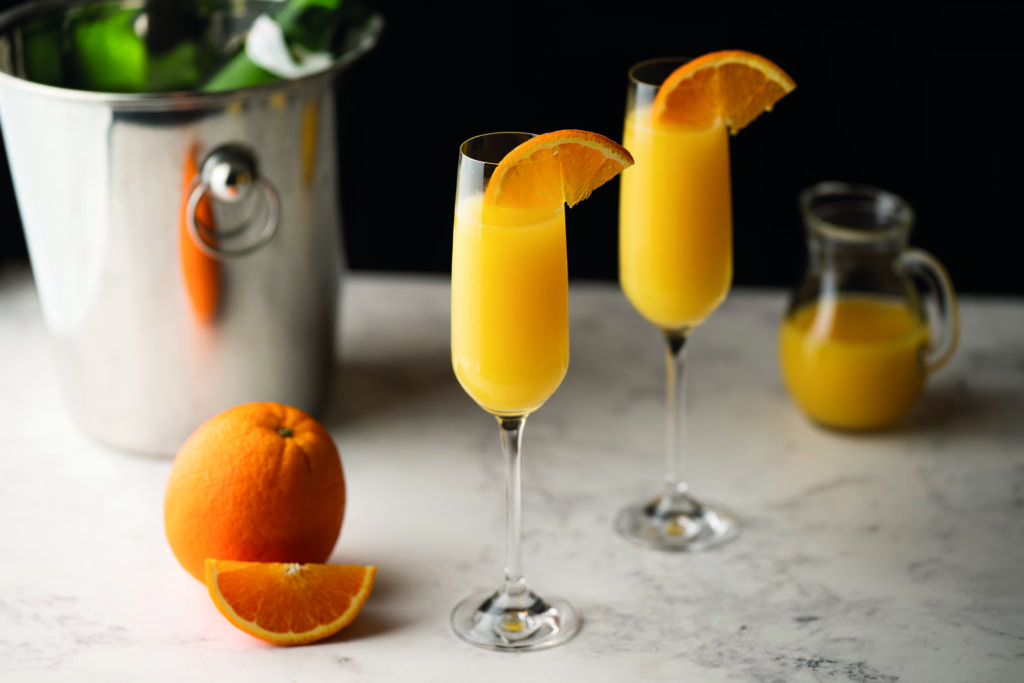
Created at the Ritz in Paris in 1925, this perennial brunch favourite mixes equal parts chilled champagne and freshly squeezed orange juice. Pour the juice first, then top with champagne.
Lead photo credit : #aqueria #chateau #chateaudaqueria