
10 Reasons to visit GO Challans GOis
Sponsored
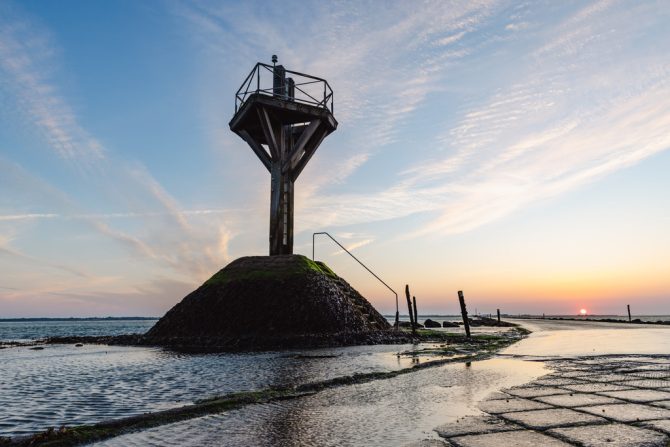
At the gateway to the Île de Noirmoutier, just south of Nantes, the GO Challans GOis destination offers a chance to relax and recharge in an unspoilt setting. This lesser-known corner of the Vendée brings together natural wonders and cultural heritage between the town of Challans, the Passage du Gois, the vast Breton Vendéen marshes, characterful fishing ports and thriving artisanal villages.
Here, nature takes centre stage. Stroll along tidal shores bathed in the luminous Atlantic light, inhale the sea breeze and listen to the birdsong. Indulge in the simple pleasures: a seafood platter fresh from the ocean, a glass of local wine in hand, and the warm hospitality of a land at the crossroads of sea and marsh.
1. The Passage du Gois
This submersible road connects Beauvoir-sur-Mer to the island of Noirmoutier and is revealed twice a day with the tides. At low tide, the path can be accessed by walkers and shore fishers and reveals stunning views all around. A unique site in the world due to its length (4.2 km!), the Passage du Gois was formed by the collision of two opposing marine currents, causing a rise in the ocean floor. It offers an unforgettable show before disappearing under water until the next low tide.
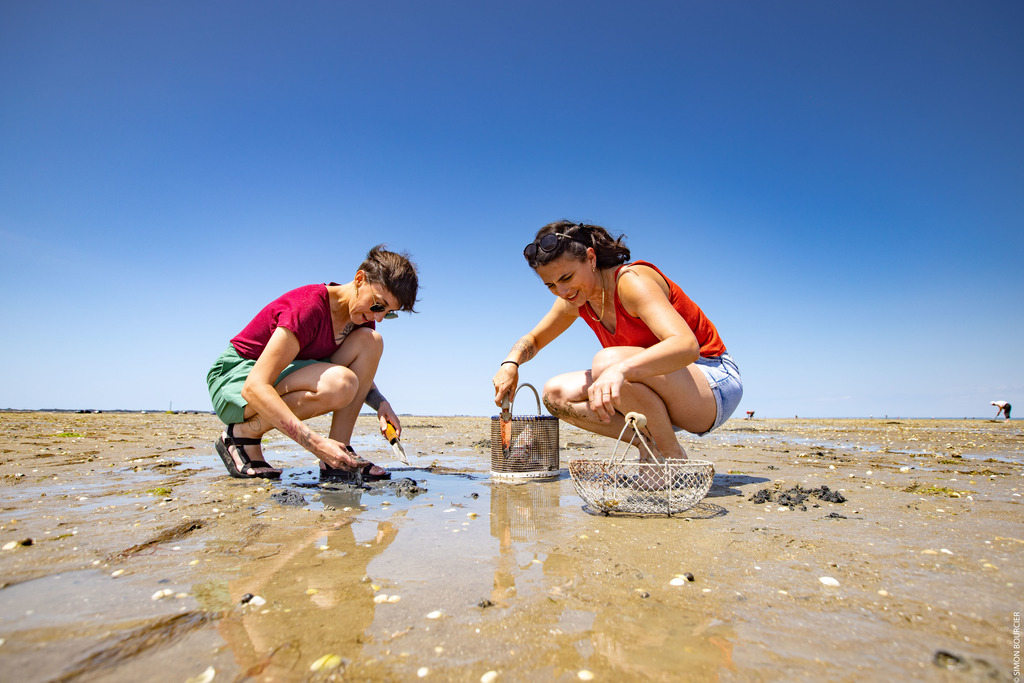
Pêche-a-Pied_Passage-du-Gois_Beauvoir-sur-Mer
2. Shore fishing
The Passage du Gois is a must-visit location in northwest Vendée for shore fishing. Cockles, clams, razor shells, even shrimp – you have options galore! Practised with the tides, shore fishing is like a treasure hunt in the open air. This simple and free pleasure is the perfect way to enjoy memorable moments with family, friends are all alone. And of course, you’re guaranteed a delicious meal to follow.
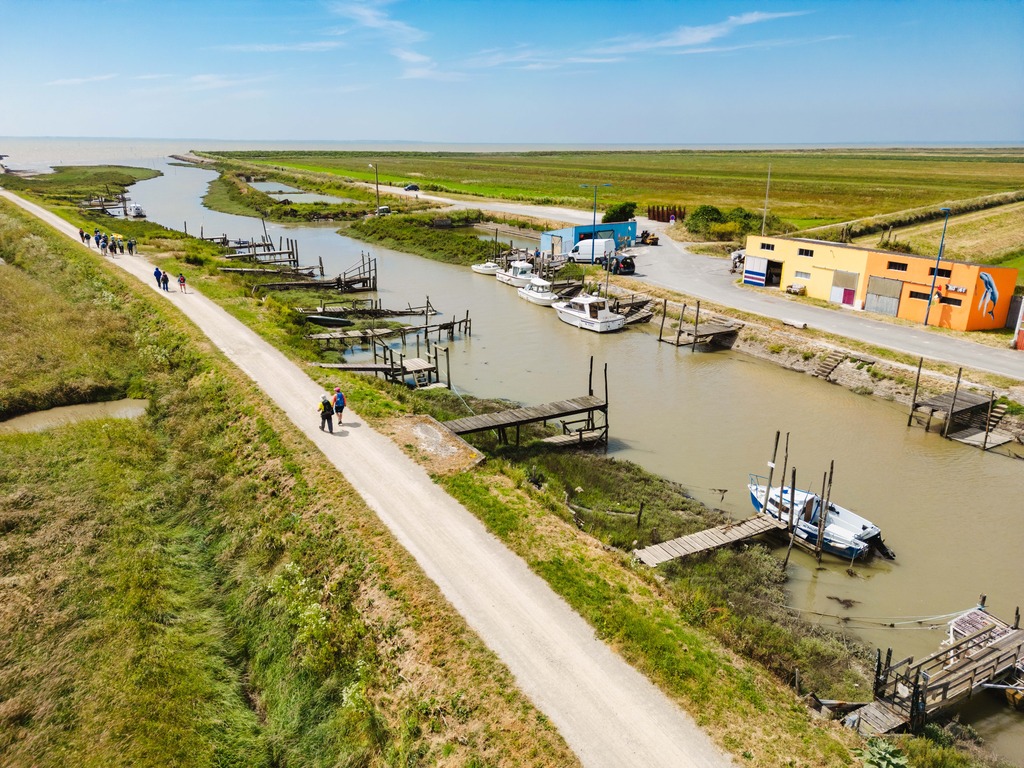
Port des Champs © Simon Bourcier
3. Ports in the Bay of Bourgneuf
From Bouin to Beauvoir-sur-Mer, six small ports dot the coast, home to around 150 oyster farming operations and offering exceptional views between land and sea. Quirky and lively, these ports, which are only accessible at high tide, sit at the mouths of the main coastal areas. Linked by foot and cycle paths, they are must-see locations. These unique places maintain a friendly atmosphere and wild nature. At high tide, the busy ballet of boats loaded to the brim is worth seeing. The scent of iodine fills the air around the wooden pontoons, and the scattered mooring posts resemble giant pick-up sticks.
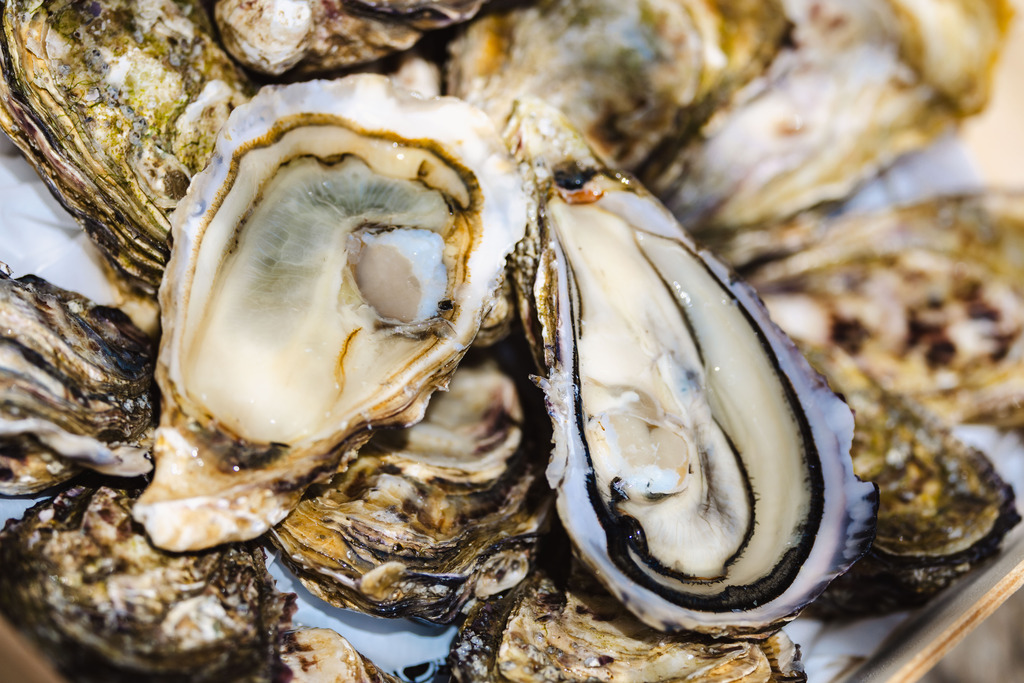
Huîtres Baptiste Raimbaud © Simon Bourcier
4. Oyster farming
Oyster farming is deeply rooted in Vendéen tradition. Between marsh and ocean, the oysters of the Bay of Bourgneuf offer a wide variety of flavours and maturations and are celebrated for their taste. Grown in high-quality waters facing the Atlantic, the oysters follow a specific breeding process. Raised at sea for three years, they are then refined en claire – in shallow basins filled with less salty marsh water. Whether claire, fine de claire or spéciale de claire, the ‘Reine de la Baie de Bourgneuf’ is prized for its delicacy and flavour.
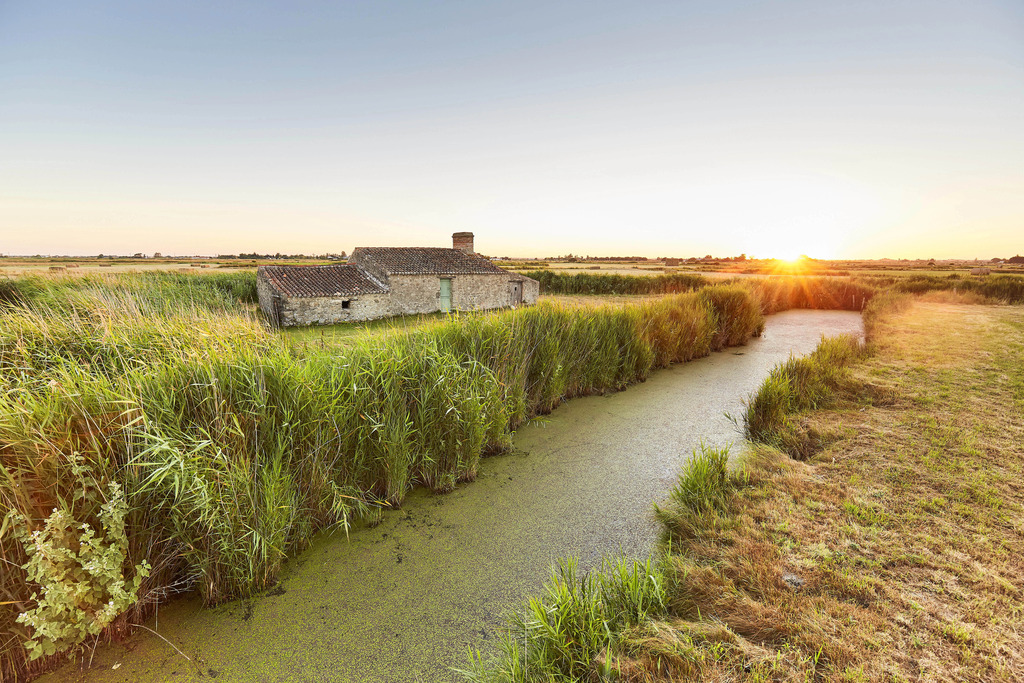
BoisDeCene, alexandre lamoureux
5. The Breton Vendéen marsh
The vast, unspoilt green expanse of the marsh stretches as far as the horizon. In this open, flat landscape, a labyrinth of shimmering canals tells centuries-old stories of the importance of water and the conquest of land by men. This tranquil panorama gives an intoxicating impression of infinity – it is easy to understand why many artists have found inspiration here. From Bouin in the north to Saint-Gilles-Croix-de-Vie in the south, the marsh spans 35,000 hectares. Made up of both freshwater and saltwater, its network of channels is managed by skilled lockkeepers, who allow the correct amount of saltwater to flow into the surrounding salt marshes and oyster farms.
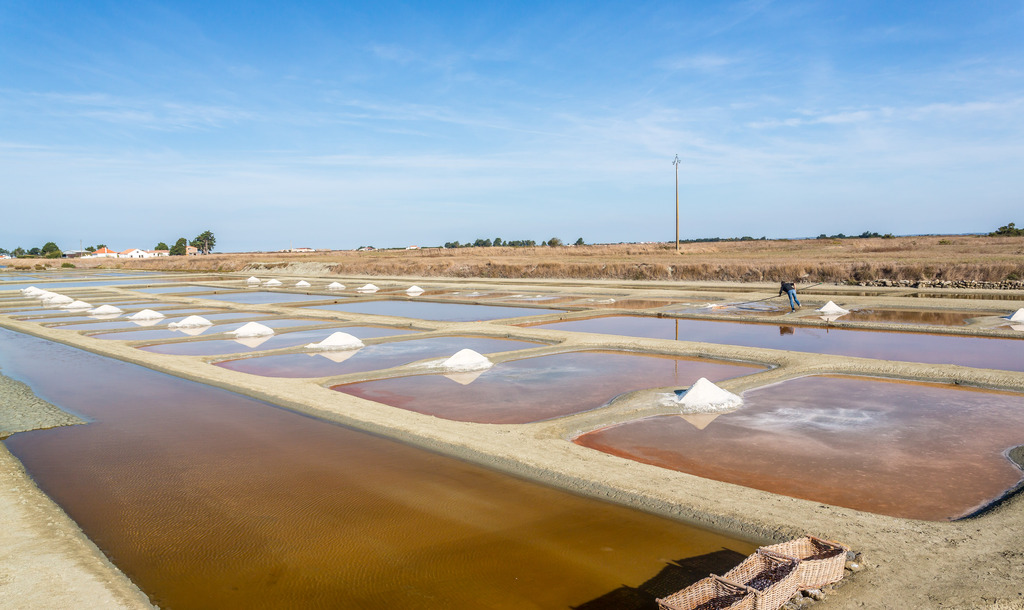
Photo-┬®-Stephane-GROSSIN
6. Salt marshes
Salt marshes are shallow basins where seawater is concentrated into salt through wind and sun, increasing from 30g to 300g of salt per litre. The delicate crystals that form on the surface become fleur de sel – nicknamed ‘white gold’ for its rare and flavourful qualities. Fleur de sel, along with coarse and fine salt, is harvested in summer when the sun enables evaporation. Hand harvested using traditional methods passed down through generations, it’s 100% natural. You can find out more from the salt workers themselves, who love to welcome visitors to see the harvest and their craft in action.
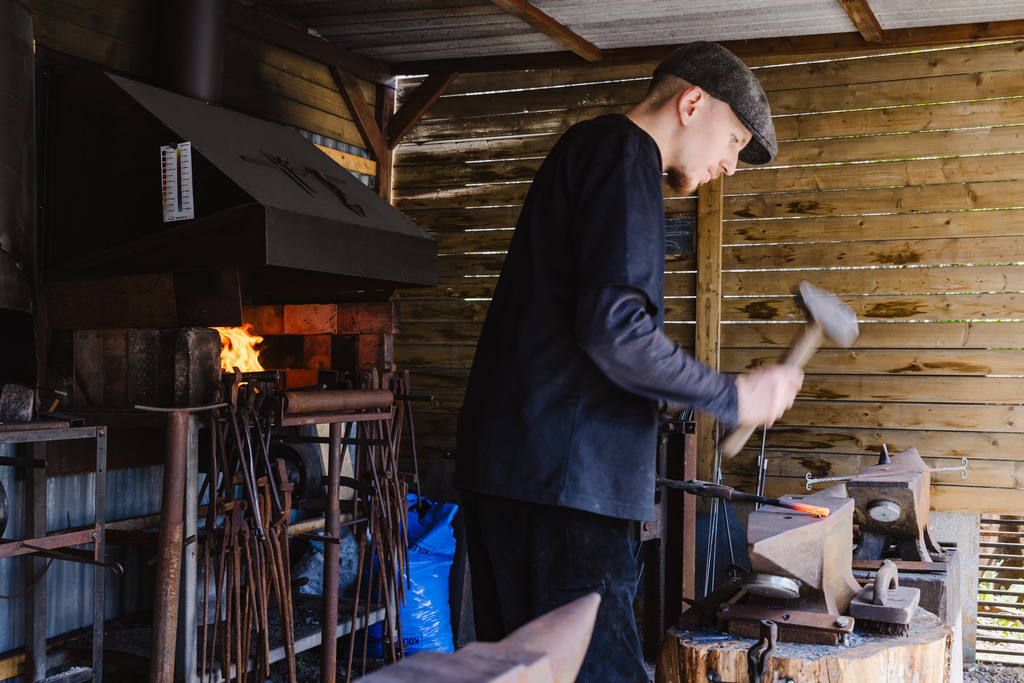
Atelier Antoine Delahaye © Simon Bourcier
7. Sallertaine: heart of artisanal craft
The only municipality in Vendée labelled a Town of Arts and Crafts, Sallertaine invites visitors into a creative and natural world where craftsmen and artists open the doors of their workshops and share their savoir-faire. Come and immerse yourself in their creative worlds: jewellers, glassblowers, ceramists, embroiderers, enamellers, upholsterers or and decorative painters are all waiting to welcome you.
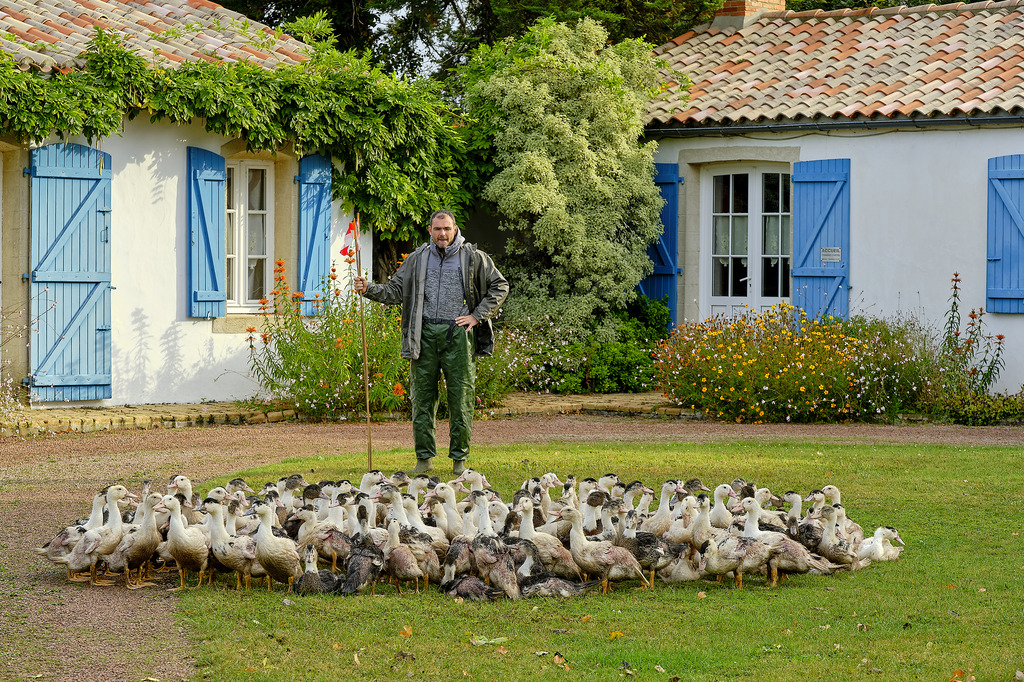
Ferme du Pas de l’île – septembre 2021 – Copyright Ocean Production
8. Poultry capital
Poultry has always been the speciality of Challans. Renowned for its ducks, which are prized by top chefs, the town also produces chickens, quail, geese, capons, turkeys and guinea fowl. Bearing the Label Rouge, Challans poultry is grain-fed and free-range, making it especially tender and flavourful. The tradition of poultry fairs in Challans actually dates back to the 17th century, and was possibly introduced by Dutch workers in the marsh or Spanish sailors. Whether myth or fact, the name Challans remains associated with colourful, bustling fairs. Since 1994, Challans poultry has enjoyed Protected Geographical Indication (PGI) status.
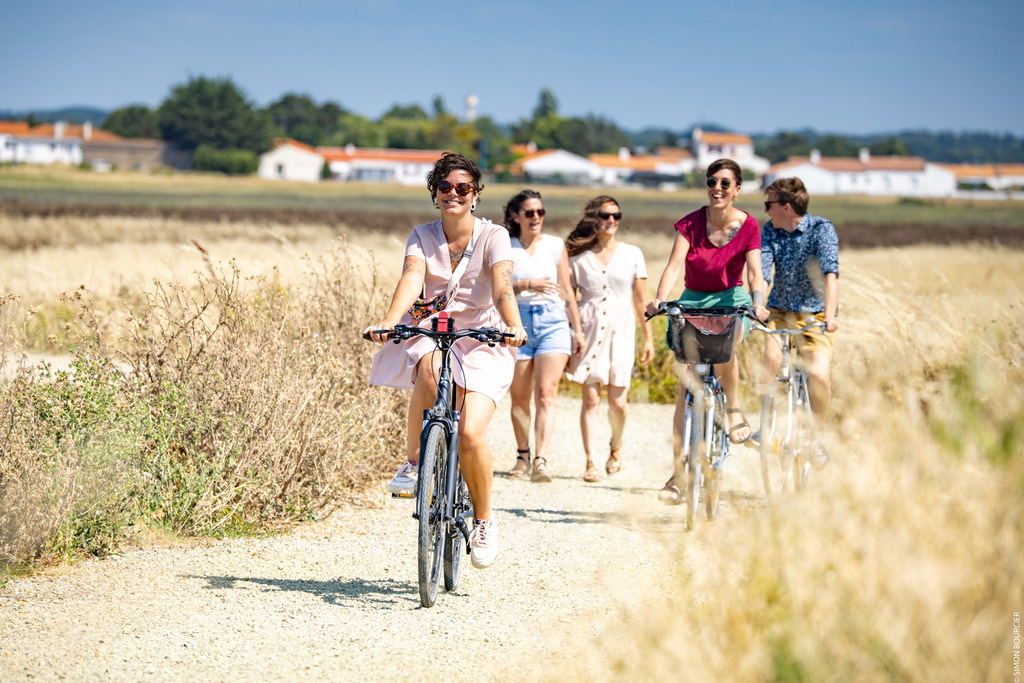
Digue-Port-du-Bec_Beauvoir-sur-Mer
9. On foot or by bike
There’s nothing like exploring the great outdoors, whether on foot or by bicycle. Exploring the typical small roads and paths by bike is a relaxing way to wander from one village to the next and with no hills, conditions are ideal for cycling enthusiasts. Coastal paths in Bouin and Beauvoir-sur-Mer take you past ports, the Gois, wind turbines, dikes and polders. On foot, various circular hiking trails (6km to 13km) provide perfect family outings through rural and maritime landscapes. Northwest Vendée offers a variety of walks, whether themed circuits or simple scenic strolls.
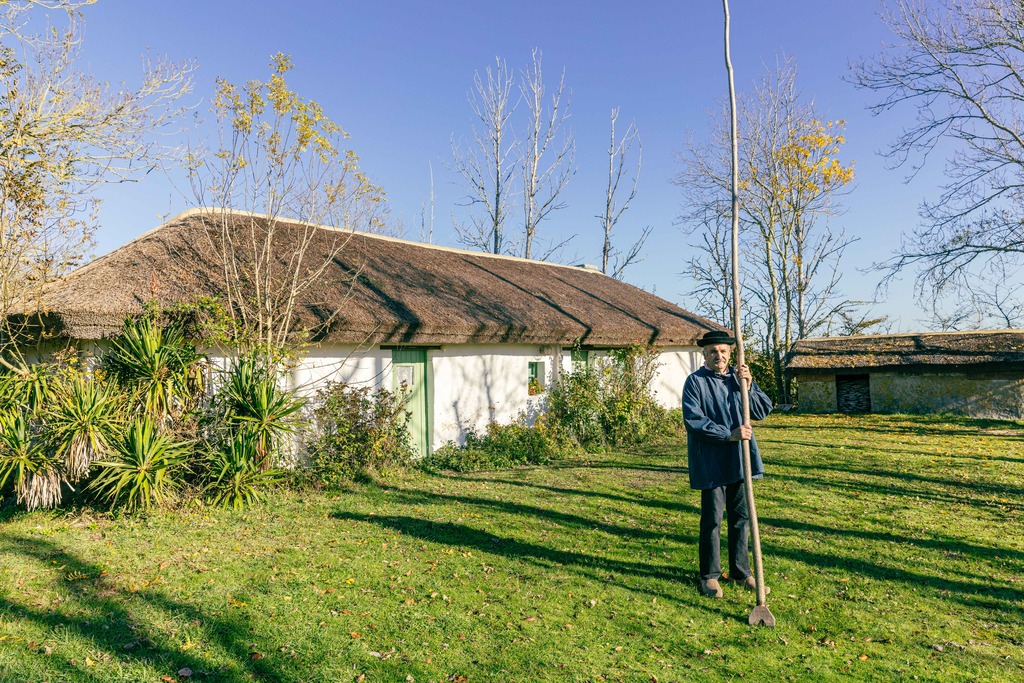
La Bourrine à Rosalie – novembre 2021 – Copyright Simon Bourcier
10. Maraîchine Culture
A landscape between land and sea, the marshes have been shaped and protected over centuries by the people who live there. The Breton Vendéen Marsh is not just a place—it’s a culture: the maraîchine – or market garden – culture. On a walk, you may spot a bourrine, a small thatched-roof traditional house. In the past, locals moved only by yole (flat-bottomed boats) or using a ningle (a long pole to vault over the canals). Their simple and independent life relied on raising cattle, ducks, and chickens. In Challans, on four Thursdays a year, and returns to life in the good old days. The time machine is well-oiled: expect traditional games, farmers’ markets, old-time crafts, folk dances and more… all in traditional costume!
Lead photo credit : challanssbourcier
Share to: Facebook Twitter LinkedIn Email
More in Go Challans, Vendee
Related Posts
Leave a reply
Your email address will not be published. Required fields are marked *