Byways of Burgundy: A Road Trip Through the Region’s Food and Wine
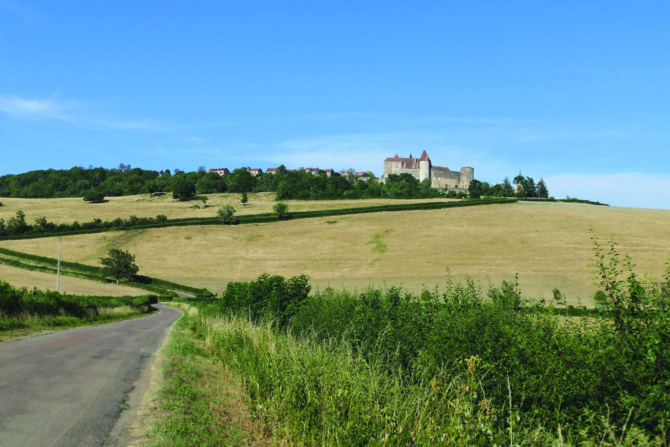

Caroline Mills follows quiet lanes through rural Burgundy, discovering its gastronomic prowess.
Outside, sunbeams burn over Burgundy with ferocity, forcing residents and visitors indoors to escape la canicule and a wall of heat. I’m touring the region, deliberately ignoring Burgundy’s heavyweights, Dijon, Beaune and Auxerre, in favour of quiet country lanes.
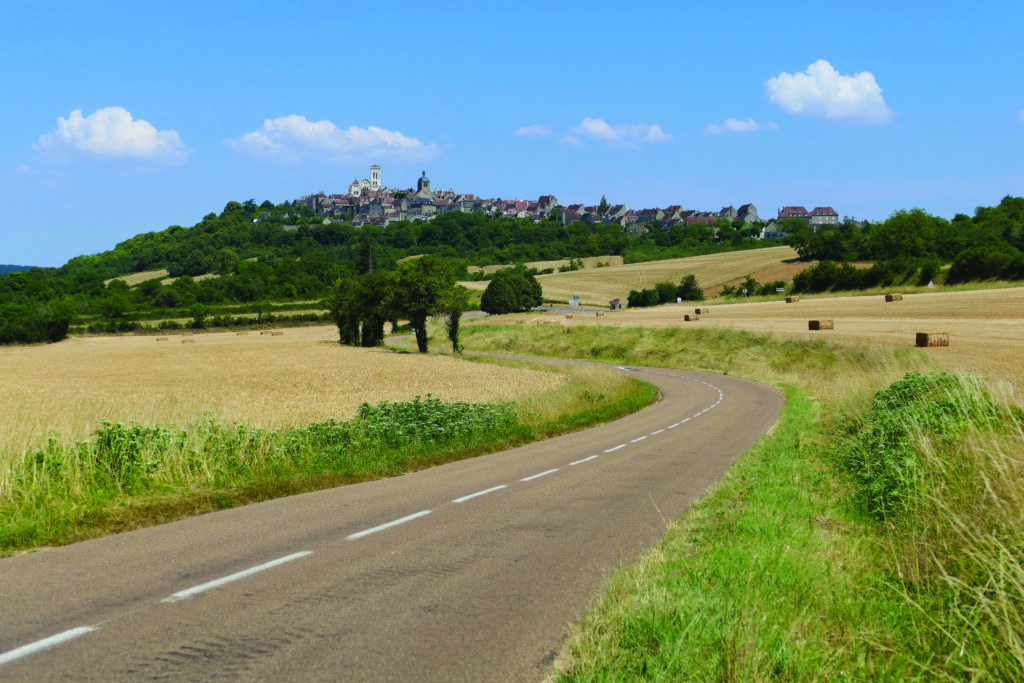
Bourgogne-Franche-Comté Tourism has developed a series of gourmet trails across Burgundy to sample its array of food and drink. Each connects three or four small towns, is no more than 110km long and takes less than a day to explore.
I make a mash-up of these trails to create a multi-day circuit. Michelin-starred restaurants are not on my menu; rather, I’m seeking a more rustic take on Burgundy’s fine produce to match its rural byways. Nonetheless, I celebrate the start of my food-and-drink-themed trip with a glass of fizz.
Bubbly beginnings
Veuve Ambal, in Montagny-lès-Beaune, welcomes me with a cool venue for a self-guided tour of l’Atelier de la Bulle, the fizz-maker’s visitor experience. Earpiece in, I’m guided around an exhibition that details the lands of Crémant de Bourgogne, how crémant differs from champagne and the history of widow Marie Ambal’s business venture in sparkling wine.
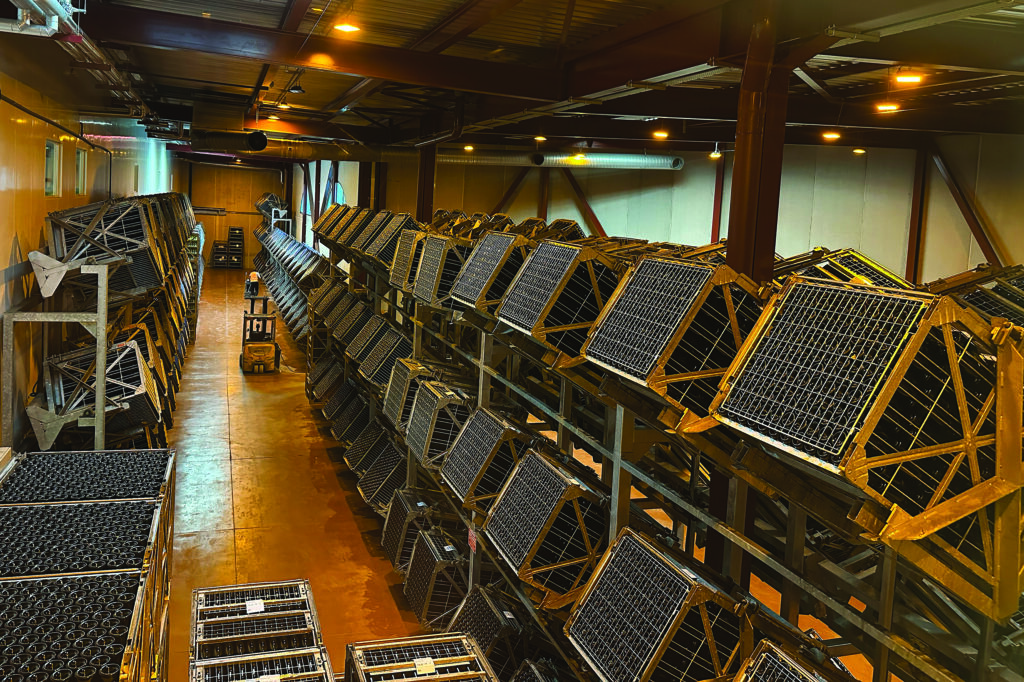
All the while, production takes place below, with the clatter of a million bottles: robotic arms lifting, bottles being washed, filled, labelled and sleeved. In the riddling room and cave, forklifts with spotlights manoeuvre in the dark like something from a science-fiction film.
Veuve Ambal is a modern set-up and the largest manufacturer of crémant in Burgundy. It’s fascinating to see. After the visit, I enjoy a tutored tasting of four wines from the 17 styles of crémant that the house produces, an excellent foundation for my travels.
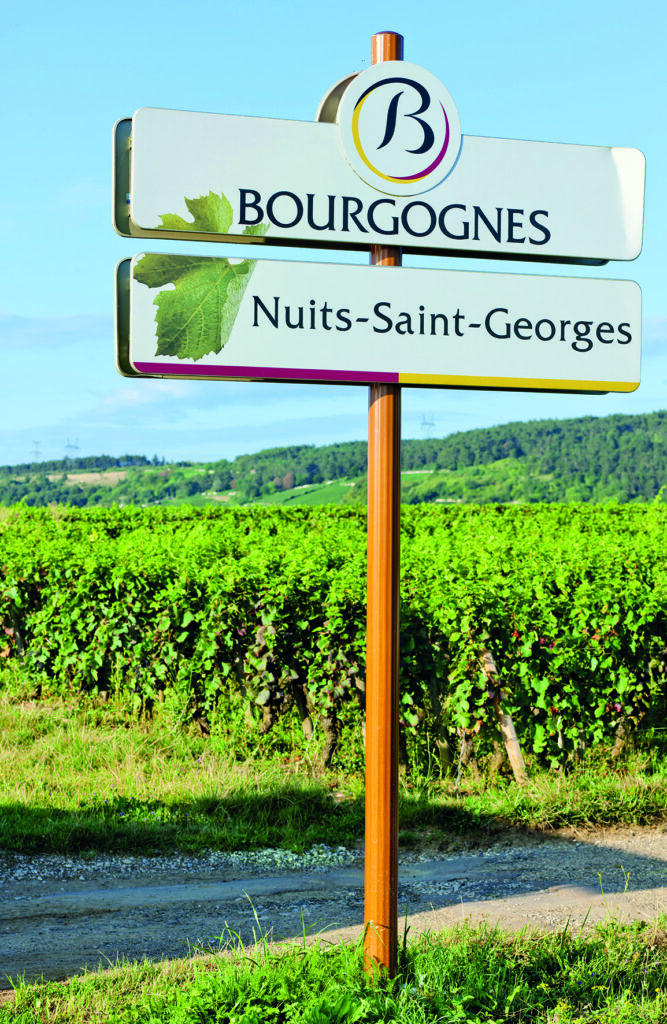
Passing vines climbing up the hillsides to the west, I head north to Nuits-Saint-Georges for a visit to Le Cassissium.
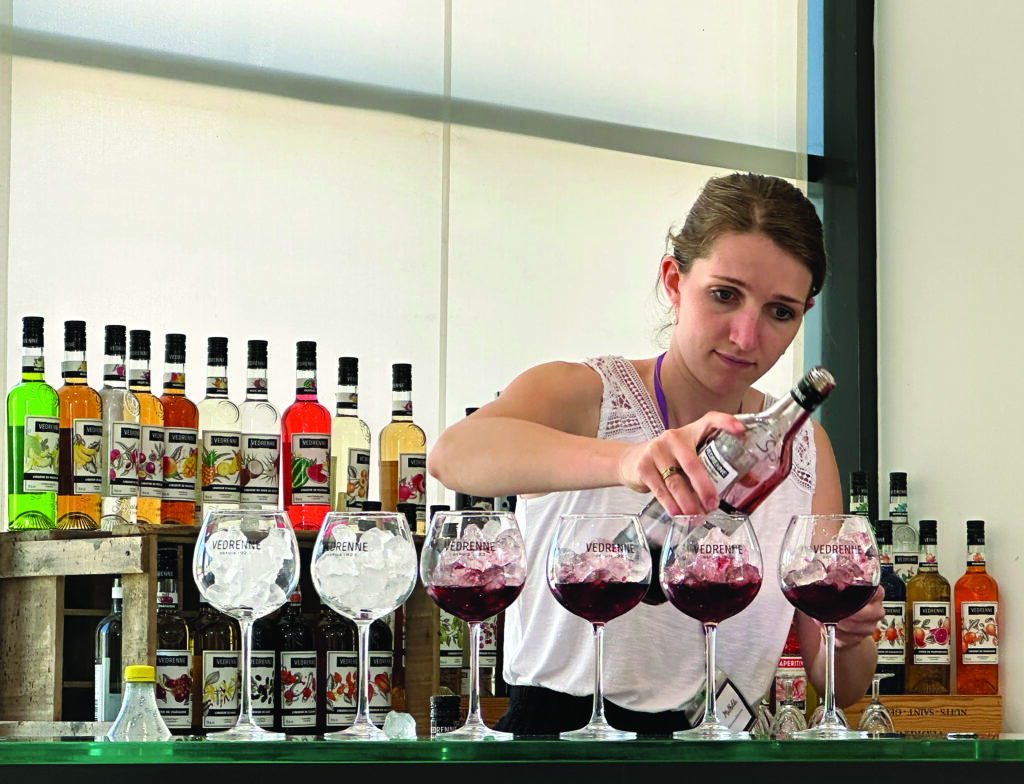
This visitor experience is connected to the factory of liqueur and syrup brand Védrenne. Among a spectrum of coloured and flavoured syrups, Védrenne produces Supercassis, its brand of crème de cassis, Burgundy’s famed liqueur.
On the Gourmet Experience guided tour, I learn about Burgundy’s blackcurrant production and its role as the second-largest blackcurrant-growing region in France, after the Loire Valley.
There’s a visit to the factory, with an explosion of blackcurrant scent as the door opens to reveal giant steel vats for the many fruit syrups, and wooden barrels for ageing Marc de Bourgogne, an eau-de-vie distilled from the grape pomace left over from the wine-making process.
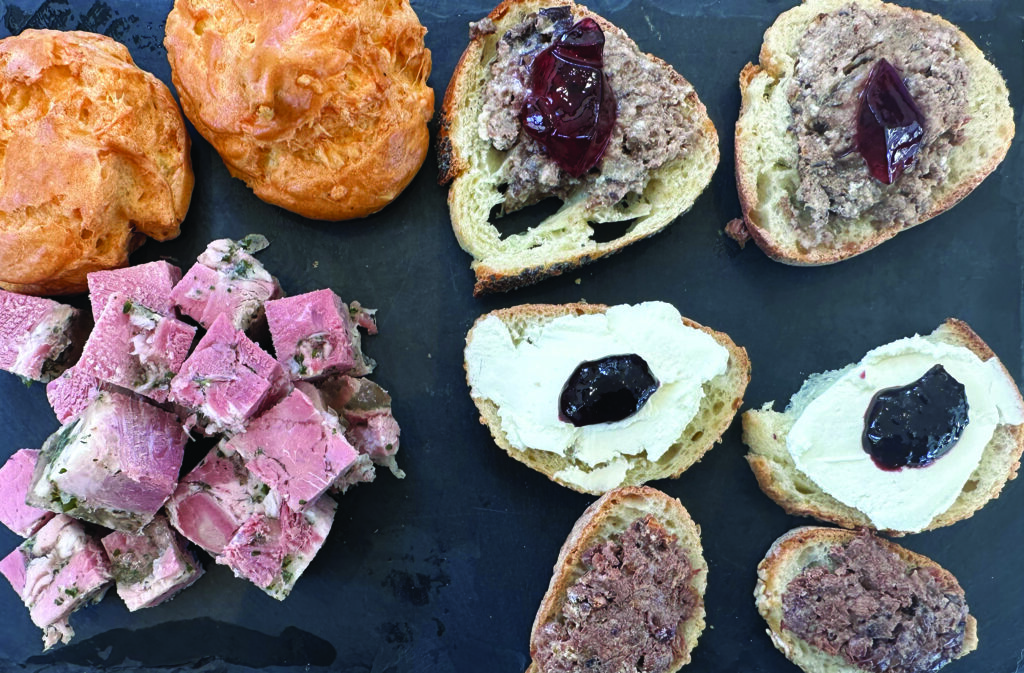
Back in the visitor centre, tour guide Mathilda prepares Supercassis-based cocktails for guests and presents a platter of regional specialities: gougères (savoury choux pastries), goat’s cheese and, from the Morvan, jambon persillé, Burgundy’s delicious ham terrine. All are served with blackcurrant relishes, including jelly, chutney and sauce.
Sweet discoveries
I ask Mathilda if the spritz she made using Crémant de Bourgogne and Supercassis is like a Kir Royale, with crémant in place of champagne.
A Kir Royale, I’m told, is a trademarked drink by a rival brand. Spritz it is, then. It’s so delicious that I buy a bottle of Supercassis for cocktails back home.
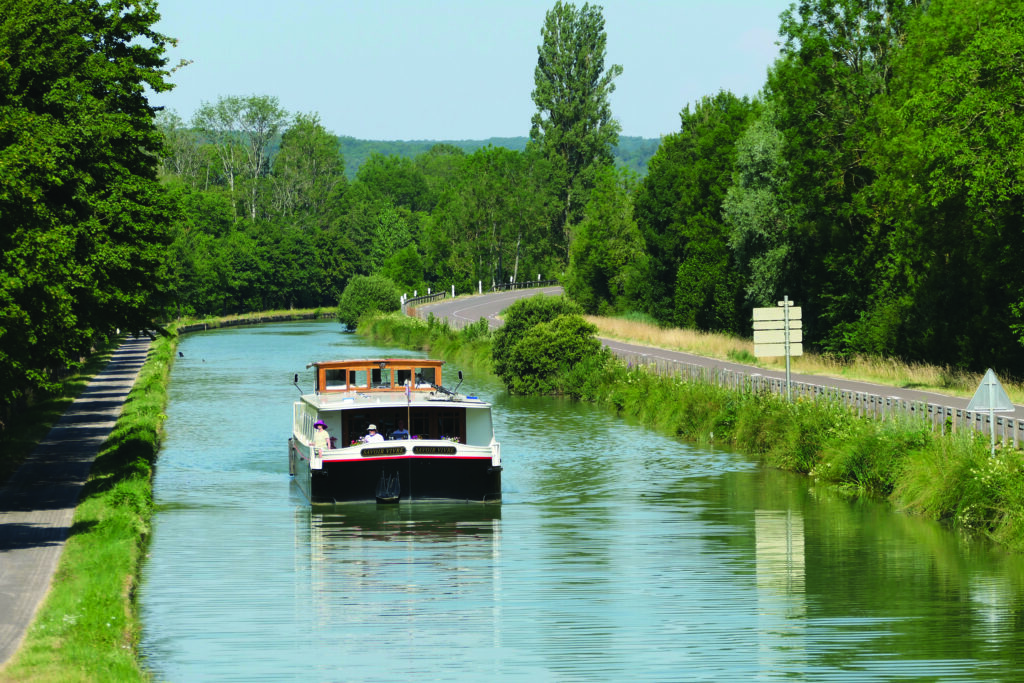
I turn west, up and over the Hautes-Côtes de Nuits into the Auxois area, following the River Ouche and its more ordered neighbour, the Canal de Bourgogne, north. Along the way is a string of villages ending in -sur-Ouche, with La Bussière the prettiest of the bunch, in my humble opinion.
For a detour to higher ground, Châteauneuf, a Plus Beaux Villages de France, is a delight.
Walnut trees. Oak trees. Cream-coloured cattle. Small orchards. A blend of smooth, rolling hills and meadows. The Auxois is picture-perfect, topped off by a visit to Flavigny-sur-Ozerain, a medieval hilltop hamlet also recognised as one of the Plus Beaux Villages de France.
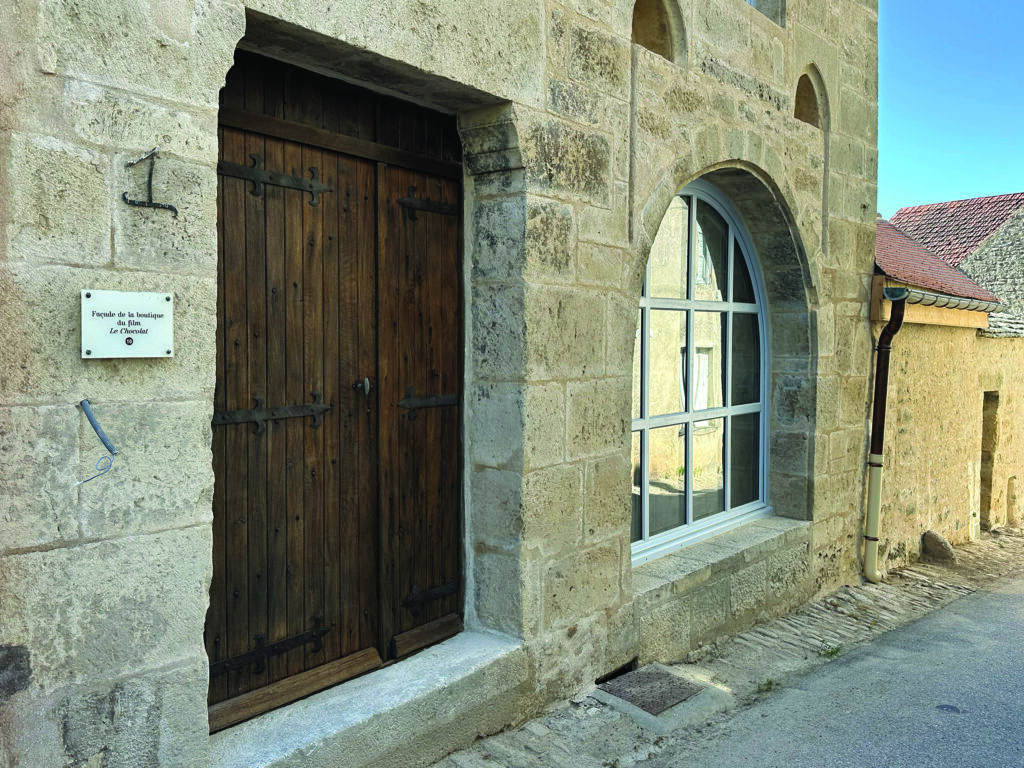
It’s something of a foodie village, too. Film buffs may recognise its narrow streets and charismatic stone dwellings from Chocolat, and imagine Juliette Binoche offering Pinard. Beside the town’s gated fortress walls, I see a sign encouraging a visit to Pâtisserie Chez Nicolas.
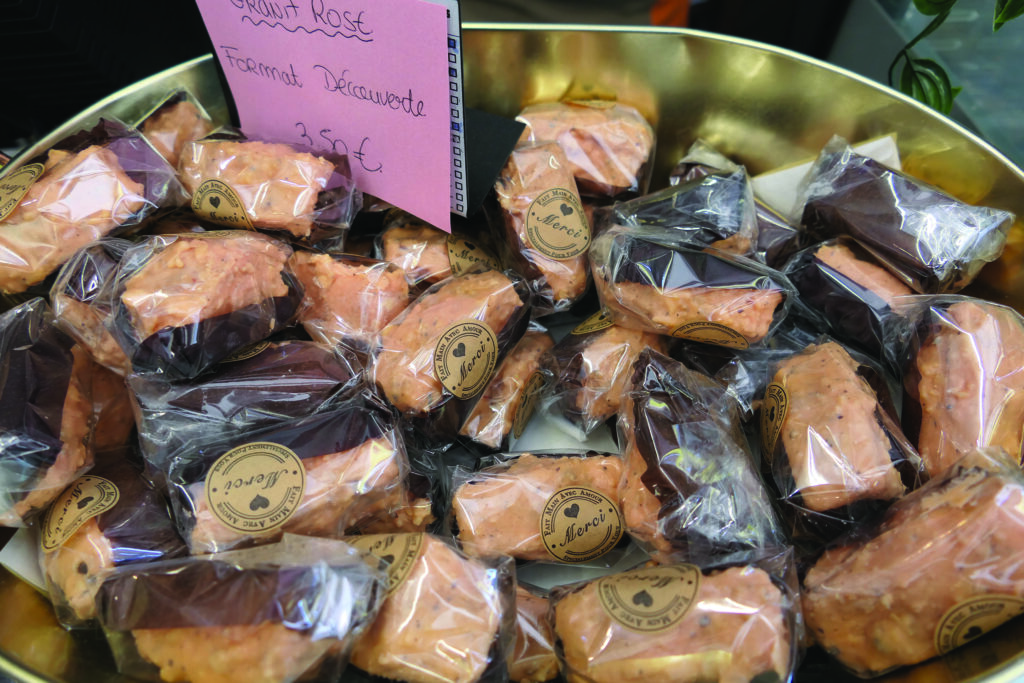
‘Spécialité artisanale’, it says, exclusive to Semur and made to a traditional recipe for more than 70 years. The house speciality is Le Granit Rose, a moist sponge cake with glacé cherries, coated in crunchy pink praline.
Planning to follow the River Armançon north, I make a short detour to Époisses, with good reason on a foodie tour. Fromagerie Berthaut has been making the famous Burgundian cheese, washed with Marc de Bourgogne, in the village for 70 years.
I arrive just before closing, joining a queue of locals buying lunch snacks as the church bells chime midday and fresh boxes of matured cheese are wheeled from the fromagerie next door to the popular shop. It’s tempting, but so, too, is its lesser-known Burgundian cousin, Soumaintrain, made in a similar way but washed in brine rather than Marc de Bourgogne.
The rolling hills and hedgerows of the Auxois peter out, replaced by vast, corn-rich plains as I travel north, following the meandering River Armançon and the Canal de Bourgogne.
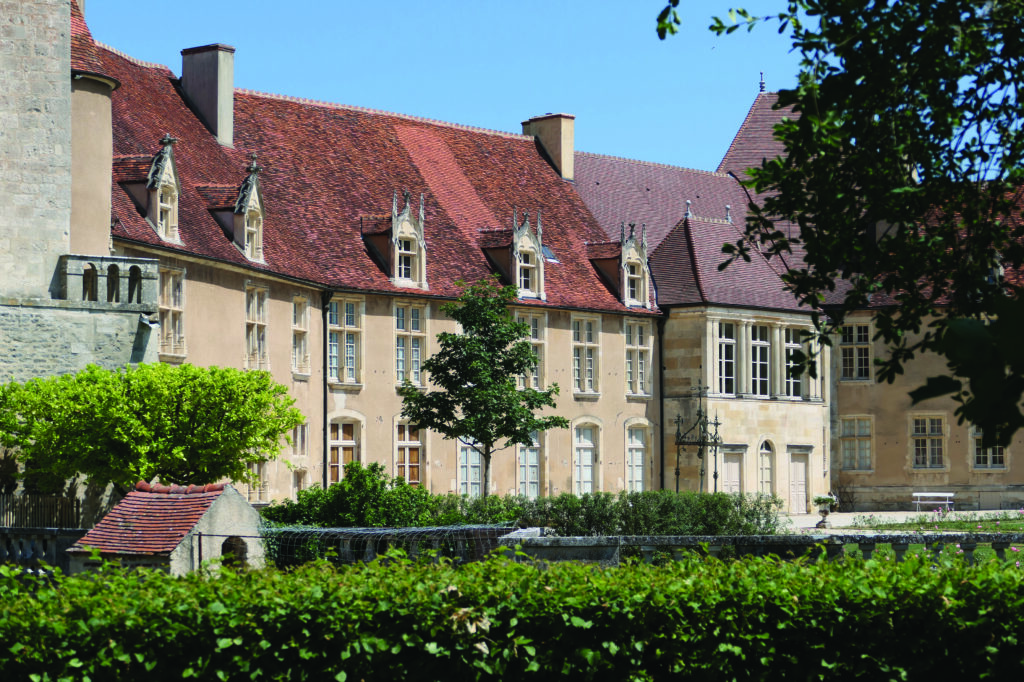
I pass through Ancy-le-Franc, with its opulent château and formal gardens, before reaching Tonnerre and then heading west, sweet temptations from the door of the pretend chocolaterie on Place de l’Église; a plaque marks the spot.
The village, though, has indeed been providing sweet offerings for centuries, with its former abbey now home to Anis de Flavigny. It was the Carolingian king Charlemagne who encouraged monks to grow aniseed. The Benedictines in Flavigny obliged, developing a tiny dragée-style sweet with an aniseed centre.
The monks fled in 1792, but the sweet factory remained. Visitors can now take a free guided tour of the artisan factory, explore a museum of historic manufacturing and packaging equipment, and taste a variety of flavours to find a favourite.
It’s only when leaving Flavigny for Semur-en-Auxois that I realise there is a problem with Burgundy. It’s too good!
As I pass through village after village, each seemingly perfect and the countryside so satisfying, I find myself pleading to see an anomalous architectural faux pas, merely to draw breath. Burgundy’s grand-scale beauty is impossible to grasp.
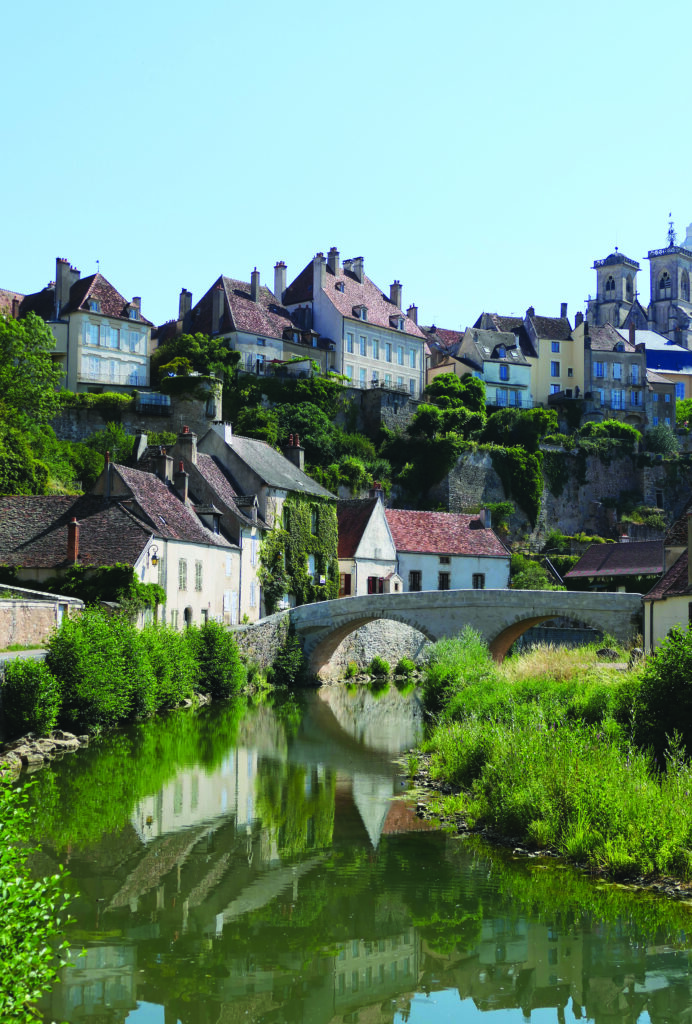
I find no such architectural slip-up at Semur-en-Auxois, the medieval town of turrets and cobbled streets towering above the River Armançon. It is every bit as alluring as the Auxois villages I’ve travelled through, especially when viewed from Pont Chablis.
Vines return as I travel through the Auxerrois (not to be confused with the Auxois) and descend towards Chablis.
The village, which draws plenty of visitors, lies in the Serein valley, alongside a river I encountered earlier on my trip during a visit to the unmissable Noyers, a medieval fortified village recognised as one of the Plus Beaux Villages de France. In Chablis, however, the Serein is lined with vineyards and alluring wine bars.
It’s too early in the day for a glass of Chardonnay, so my interest lies instead behind the charming shopfront of Michel Soulié, Maison de l’Andouillette.
Underground Burgundy
Alongside an impressive range of Burgundian sausages, the 19th-century shop is full of gastronomic pleasures from the region, including Chaource cheese, a colourful kaleidoscope of mustards, juices, ciders (from Burgundy’s Pays d’Othe) and wines.
From Chablis itself, there’s Maison Soulié’s own sauce au chablis, and, from neighbouring Biscuiterie Duché, biscuits de Chablis, a boudoir-style biscuit designed for dunking… in Chablis.
With the heatwave reaching its zenith, the cool interior of Pontigny’s vast abbey church, rising like a colossus out of a cornfield to the north, could not come soon enough. So, too, could a visit to La Maison du Jardinier, the abbey restaurant housed in a newly restored barn, where Burgundy’s culinary heritage is represented in full, including a selection of gougères ‘reimagined’.
Despite lingering over a long lunch, we still reach the little village of Bailly, beside the River Yonne south of Auxerre, in time for an afternoon tour of the Bailly Lapierre caves.
Above the riverside village sits a limestone outcrop, once quarried for its high-quality stone, used in the construction of Sacré-Cœur in Paris, Chartres Cathedral and Auxerre’s Cathédrale Saint-Étienne. Fifty metres underground, where the stone was once quarried, kilometres of tunnels now store the wine of Bailly Lapierre co-operative.
The caves remain at a constant 12°C, perfect for a hot afternoon. And what follows a tour in darkness? A crémant tasting, underground.
Skirting Auxerre, my tour continues south, exploring the magnificent Puisaye countryside, an admirable rival to the Auxois for its beauty and breathtaking villages. First, I pass Saint-Fargeau and Moutiers-en-Puisaye, then Saint-Sauveur-en-Puisaye and Thury, following country lanes through beech woods and past cattle-filled pastures.
Then come two villages of unimaginable character: Druyes-les-Belles-Fontaines, with its imposing 12th-century fortress, and Mailly-le-Château, with its elegant, palatial château hovering above the River Yonne.
A natural beauty
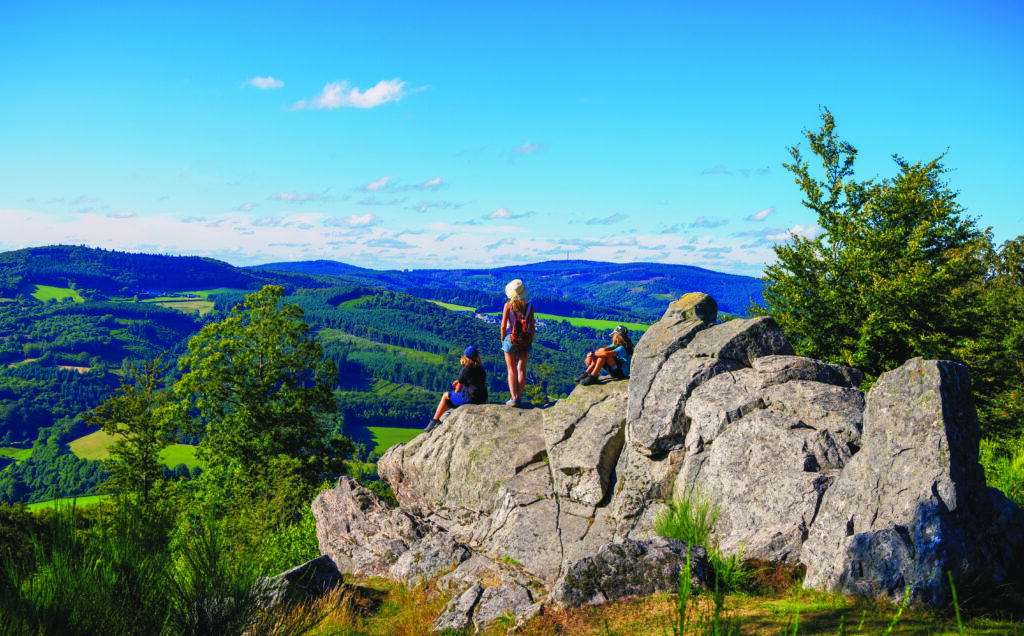
Here, I follow the River Yonne upstream, alongside the Canal du Nivernais as it weaves through open fields, past rocky outcrops such as the Rocher du Saussois. I decide it is one of the prettiest stretches of my tour so far. At least, until I reach the Parc naturel régional du Morvan.
The UNESCO World Heritage Site of Vézelay, with its hilltop basilica, is a gateway to the Morvan. A local cherry producer has set up a stall at the village entrance, selling bags of glossy, deep-purple cherries for which the Yonne department is known. Vézelay also gives its name to an AOC for Chardonnay wines, with rows of vines stretching down the southern slopes of the hillside above which the village sits.
Armed with a bag of cherries, I make my way into the Morvan, cooled by the thickening forests and animated by the sheer beauty of the landscape. Dotted farmsteads, meadows and barley fields are stitched together by hedgerows and spinneys. There isn’t a soul in sight.
I’m reluctant to leave the Morvan and its magnificent viewpoints, connected by a labyrinth of country lanes. But the Côte-d’Or is calling. Like a sparkling necklace of rubies, the Route des Grands Crus links A-list villages built from cream limestone: Puligny-Montrachet, Meursault, Volnay, Pommard and beyond. Pinot noir abounds.
I finish my tour as I began: with a glass of crémant. Blanc de noirs, this time, dunking a biscuit. After all, Burgundy etiquette allows it.
Ohlala! It looks like you’re not a Member yet
Join to view this content!
(If you are a Member, log in or reset your password below or contact us so we can help)
- Log in
- Forgot password