
Following the Champagne Trail in Hautvillers
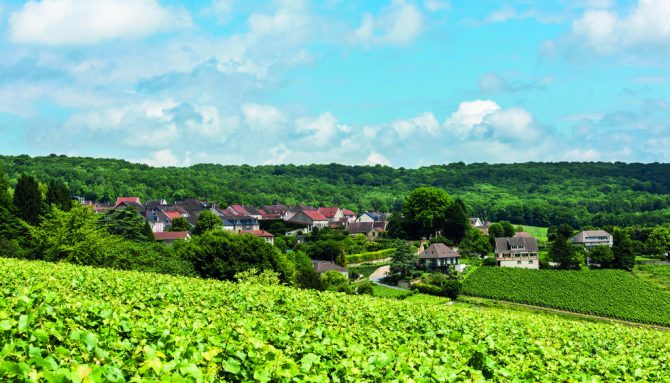
The village of Hautvillers may be small, but its outsized role in the history of champagne – not to mention its charming atmosphere and dozen tasting rooms make it an essential stop on a tour of the region.
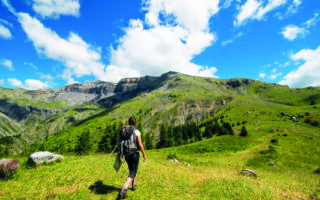
Arriving in Hautvillers on autoroute D386 from Épernay, a glorious expanse of sky and rolling vineyards unfolds before you above a patchwork of village rooftops. It’s a view worthy of the village’s lofty status as the ‘birthplace of champagne, Hautviller’s claim to fame, the wellspring of its economy, and maybe its entire reason for being. Champagne houses line every street, their names emblazoned on a wall or atop a gate. Unlike the grand mansions of the big-name champagnes in Épernay and Reims, these surprisingly modest buildings – some in business for over 100 years – often house a producer’s entire enterprise, from giant stainless steel vats and barrels of still juices to chalk cellars filled wall-to-wall with bottles of ageing champagne to shipping and sales.
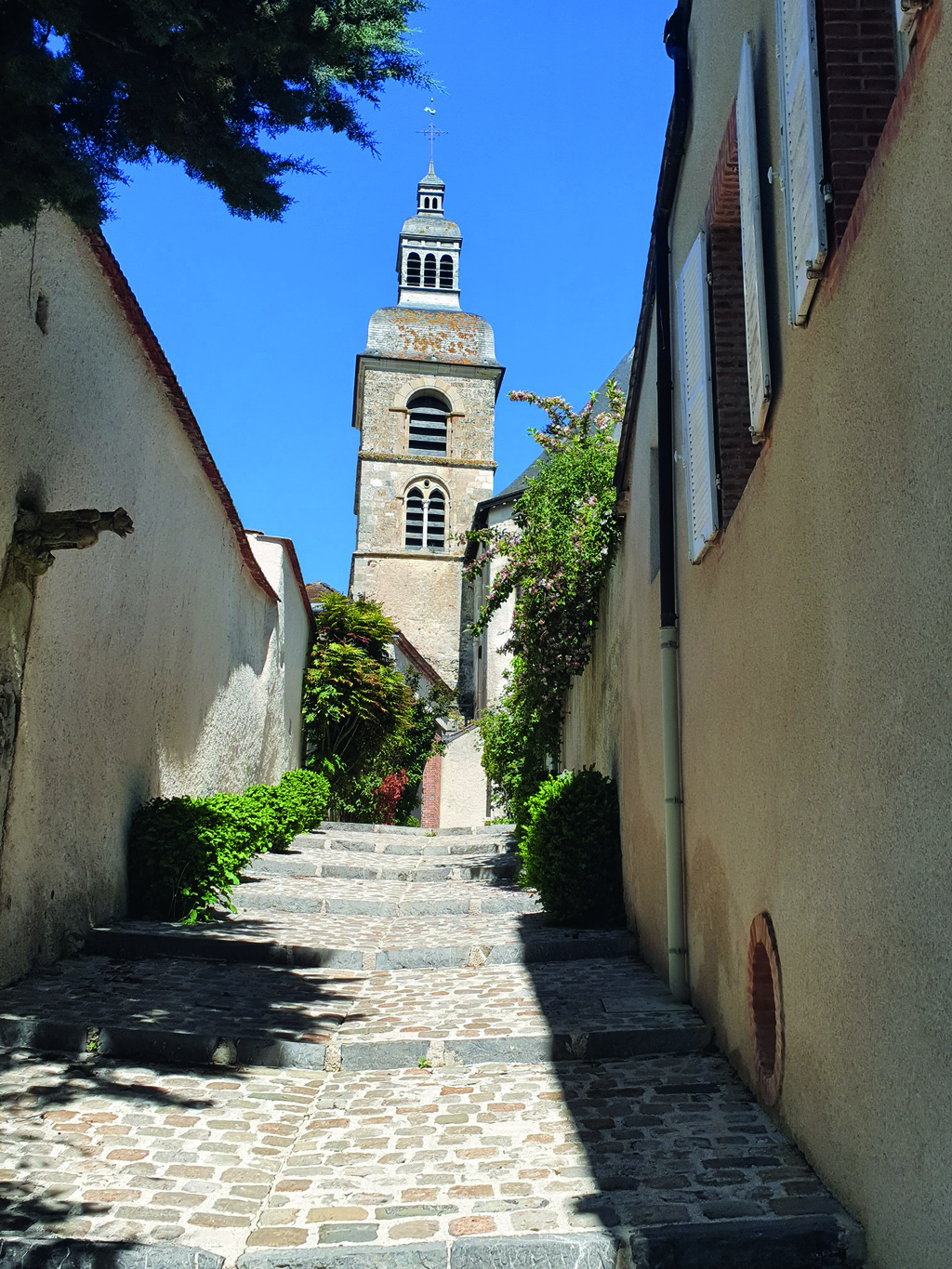
Hautvillers © OTI Hautvillers
It takes only a short stroll through the village to see that in Hautvillers, bubbles are a way of life. Hautvillers, meaning the ‘high village’, where the early Champenois decamped to better detect pillaging Viking hordes, was founded in 650 by Saint Nivard, the Bishop of Reims, whose vision of a dove alighting on a beech tree indicated that this was the place for his abbey.
The Benedictine abbey of Saint-Pierre became a bustling centre of monastic life and capped its renown in 841 after a priest from Reims on a visit to Rome made off with relics of Saint Helena, mother of Constantine and a major driving force for Christianity in the Roman Empire. The relics were housed in Saint-Pierre, attracting pilgrims to Hautvillers on the Route de Compostela and bringing revenues to the monks for the purchase of land and vineyards. The church was desacralised during the Revolution, but some of the relics can still be seen in a chapel on the left side of the church as you face the altar. But it’s not the fragment of Saint Helena’s arm bone that draws the pilgrims of today that would be the tomb of Dom Pérignon.
© Alamy
Tasting the stars
A flat, black slab laid into the floor of Saint-Pierre Abbey marks the final resting place of Champagne’s legendary monk, who was born in Champagne in 1638 and died in Hautvillers in 1715. We might expect more pomp for the man credited with inventing champagne. As the story goes, Dom Pérignon lifted a glass of his own wine to his lips and, discovering its magical effervescence, said: “Come quickly, I am tasting the stars!” A charming story – and most certainly false.
Moët & Chandon, the grandest house in Hautvillers and owner of the church and abbey since 1823, is not wrong to encourage the myth. Though Dom Pérignon did not invent the méthode champenoise, and may actually have spent years of his life trying to eradicate the cursed bubbles that shattered bottles and resisted corks, he is certainly responsible for groundbreaking innovations used in the making of champagne. He was the first to produce a clear white wine from black grapes; he advocated harvesting grapes in cool weather to better concentrate their flavours and aromas; he invented the first champagne press; and he conceived the art of assemblage, blending several still wines from different parcels, or even years, to create a better and more consistent quality of wine-a hallmark of champagne since the 1800s now essential to every house style. All of his innovations remain crucial to the champagne makers of today.
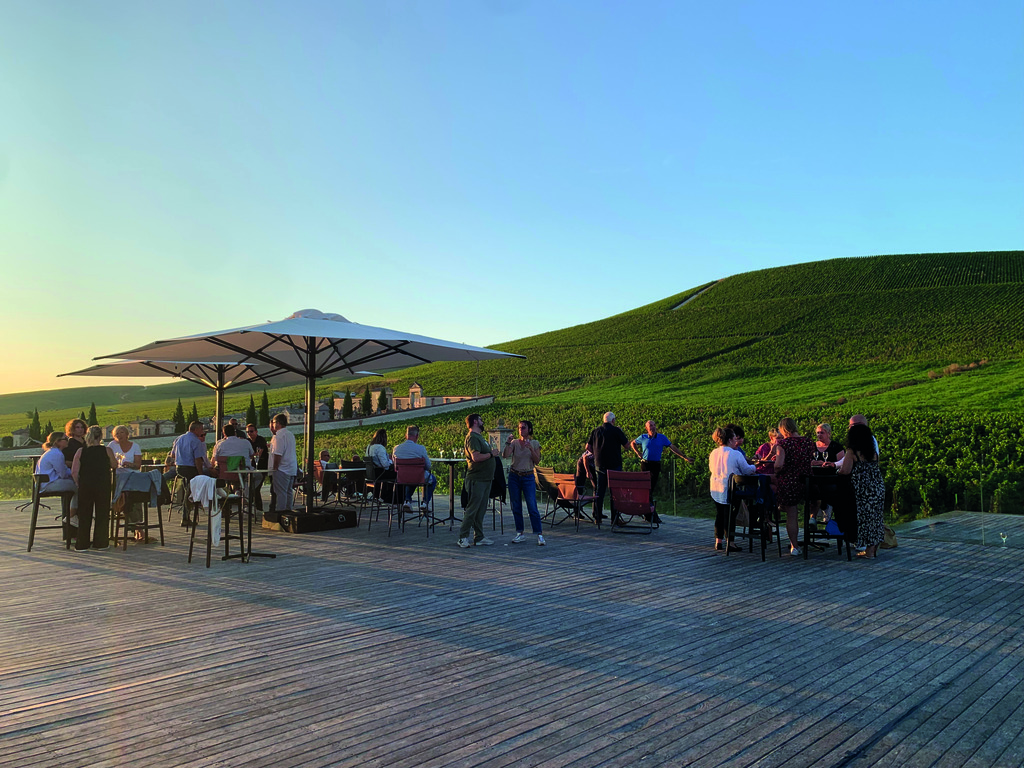
Pressoria tasting terrace
For example, at Fernand Lemaire, where siblings and fourth-generation winemakers Benoît and Hélène Lemaire took over the reins from their parents in 2022. Like most of the champagne houses in Hautvillers, Lemaire is a modest operation, producing 50,000 bottles a year. While that may sound like a lot, consider that Veuve Clicquot produces 19m bottles a year and Moët & Chandon 28m, for annual revenues of more than $2bn.
For its seven champagnes, including a much-lauded rosé, Fernand Lemaire uses the three principal grape varieties of Chardonnay, Pinot Noir and Pinot Meunier, and matures all of its wines for at least 36 months, or six to ten years for the vintages, much longer than the required minimum of 15 months for non-vintage champagnes and three years for vintage cuvées. At Lemaire, as with every champagne maker in Champagne, the grapes are harvested by hand, but Lemaire uses minimal intervention on the soil and vines and ploughs fields by horsepower.
“We don’t speak about quality in Champagne so much as about taste,” says Benoît as we enjoy a flight of three champagnes in the tasting room, with its eye-popping views of the vineyards below. “In this area, I think we can say that we all produce high quality because the rules of champagne are strict, but we do talk about style.” What sets the 370 registered champagne houses apart is their different “philosophies and styles”, he adds, and that has to do with the cellar master’s assemblage, a hallmark of champagne thanks to Dom Pérignon. “When you drink champagne you have to drink with pleasure, according to your own taste. I respect all the different styles and philosophies.”
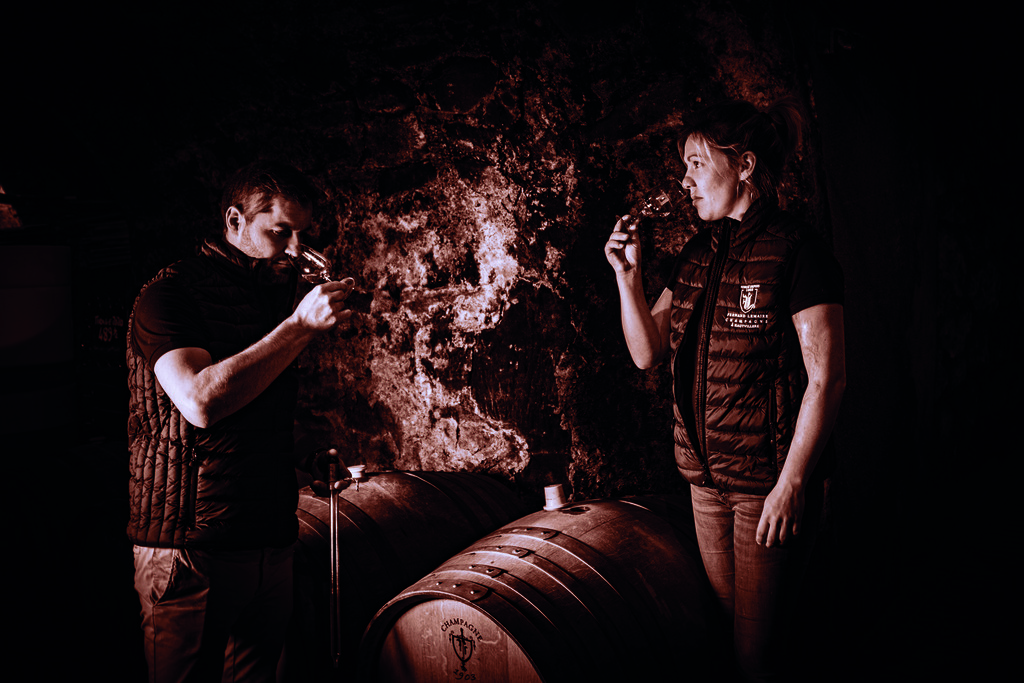
Champagne Fernand Lemaire
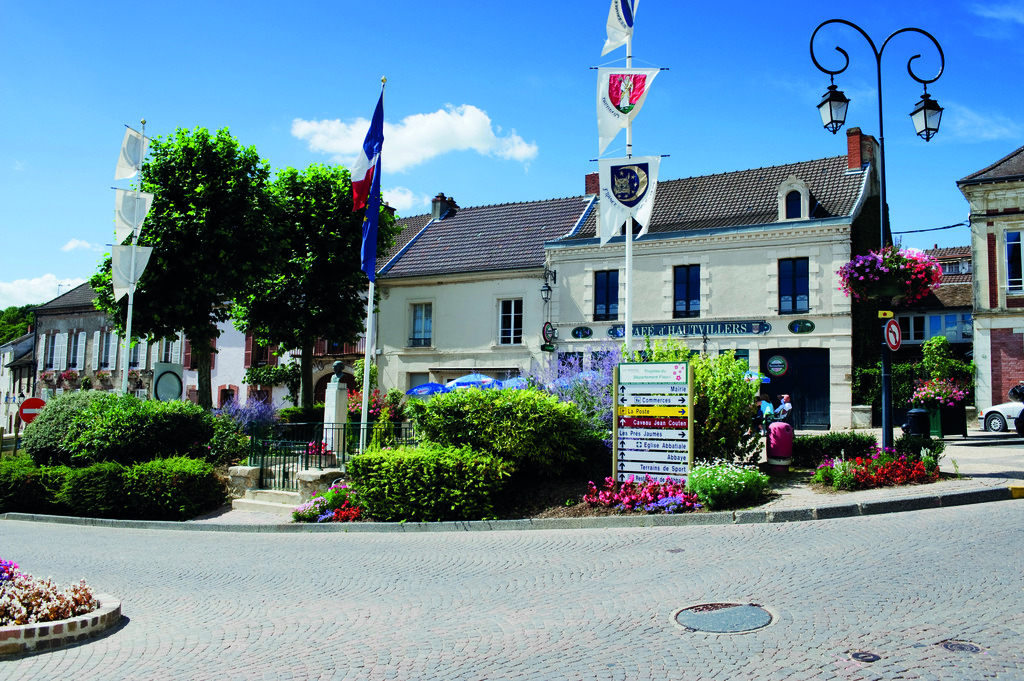
Thanks to Hautviller’s 20 or so tasting rooms, visitors have the luxury of discovering what they like in real time. At least 10 of the tasting rooms are walk-in, so you can stroll through the village, tasting as you go. The remaining dozen require reservations, which can also come with a tour of the facilities and a primer in champagne-making. When in Hautvillers this is the thing to do. You can get all the information you need at the tourist office (10 Place de la République) in the centre of the village just look for the clock tower to find it.
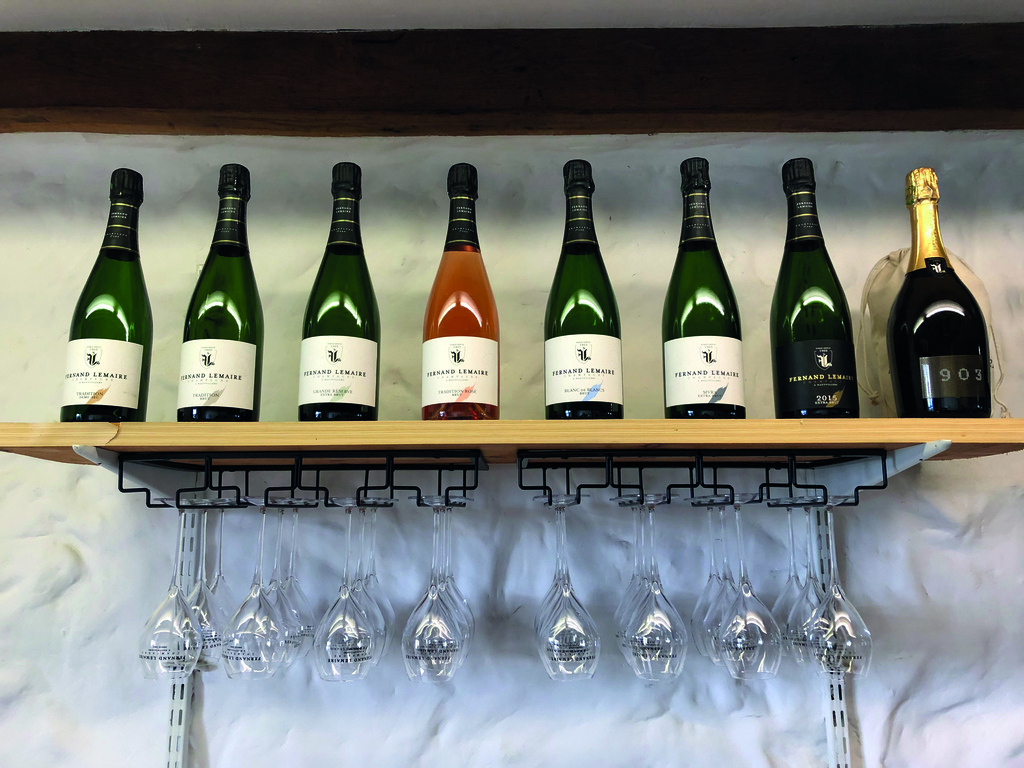
Lemaire Champagne
Village of 140 signs
As you wander through Hautviller’s narrow streets discovering the winegrower’s houses, you will also notice poetic wrought-iron signs everywhere, each evoking the historic trades of the various dwellings (expect lots of vines, flutes and bubbles). From this lofty position, you’ll also take in magnificent views of the surrounding vineyards to see why Hautvillers literally defines Champagne’s UNESCO designation for its “hillsides, houses and cellars”.
Though shopping is mostly limited to buying champagne at the various houses (at wholesale prices), at Les Enfants du Bacchus, a spanking new vinegar factory and boutique, you can buy local products such as craft beer and ratafia (a sweet liqueur made from champagne), as well as snacks, dreamy scented candles, jewellery made from champagne caps, champagne, and the six flavours of artisan vinegar made on the premises. In warm weather, the courtyard terrace is the perfect spot for refreshment after a tour of the vinegar distillery.
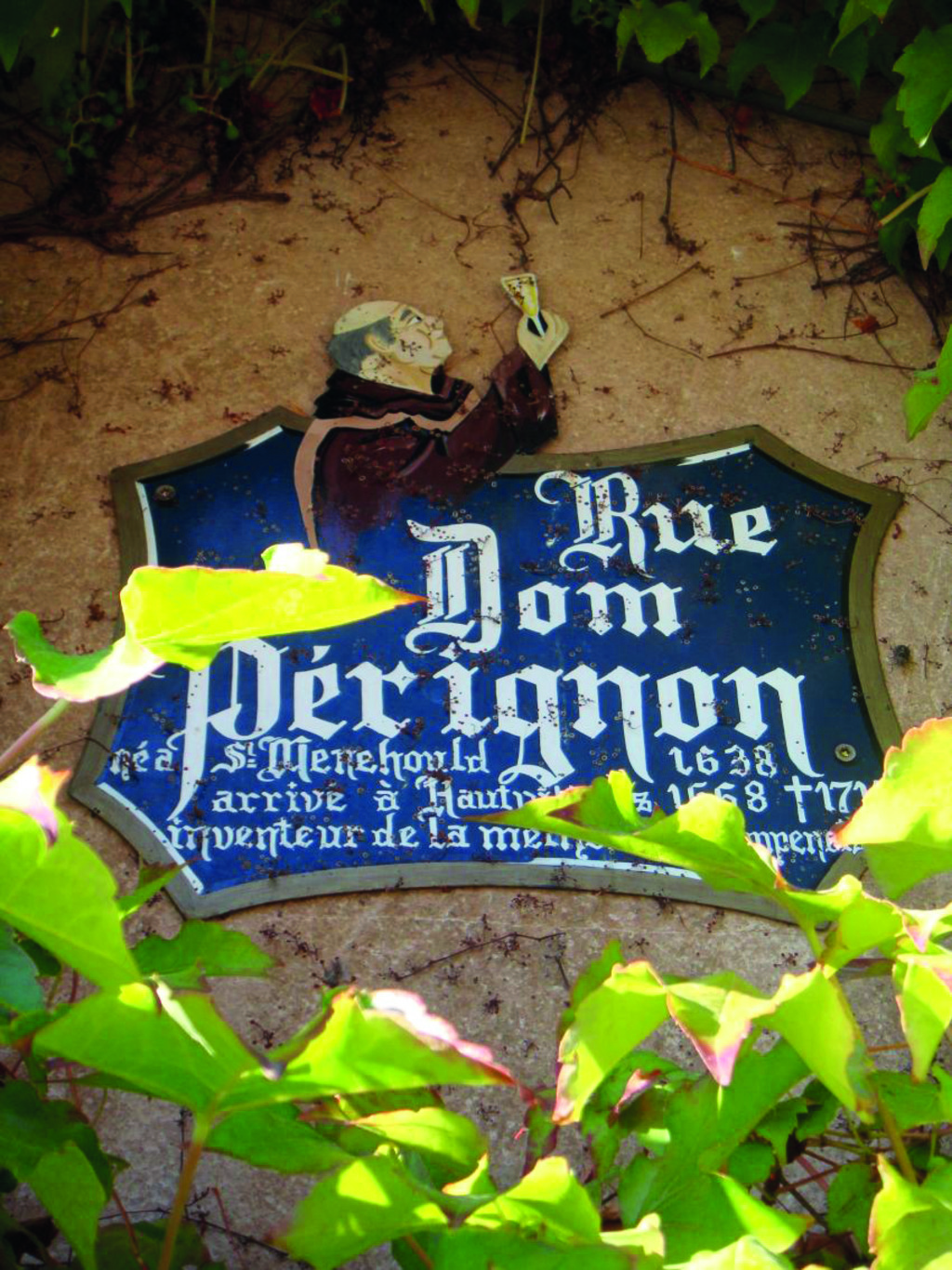
Hautvillers © OTI Hautvillers
Hautvillers is also home to a bakery for pastries, sandwiches and local specialities, a village café and several good restaurants, including Clotaire, which has an old winepress as its centrepiece, and Au 36, where you can enjoy a reasonably-priced champagne tasting. Nothing in Hautvillers is more than a ten-minute walk away. Don’t miss the statue of a delighted Dom Pérignon, champagne glass in hand. While there, a 15-minute drive to the town of Ay-Champagne takes you to the impressive new Pressoria museum, elucidating every step in the making of champagne in the most imaginative and sensorial way, from the terroir the most important concept in French gastronomy and winemaking – to the bottling, culminating in a champagne tasting on the wide-open terrace with epic views of the surrounding vineyards. Suitable for aficionados and newcomers, young and old alike, allow a couple of hours for your visit.
If you’re hankering after a luxurious champagne-soaked spa weekend, look no further than the Royal Champagne Hotel & Spa, a mile as the crow flies from Hautvillers (the walk through forest and vineyards is lovely). Owned by Leclerc Briant champagne makers based in nearby Epernay, this beautiful hotel offers a Michelin-starred restaurant, exquisite views and a world-class pool and spa. For a less pricey but equally epicurean option, the uber-contemporary Loisium Wine & Spa, set between vineyards and woods, offers a chic restaurant and bar, a lovely pool and full-service spa with grape-based beauty treatments, cycling and tranquil walks in the woods.
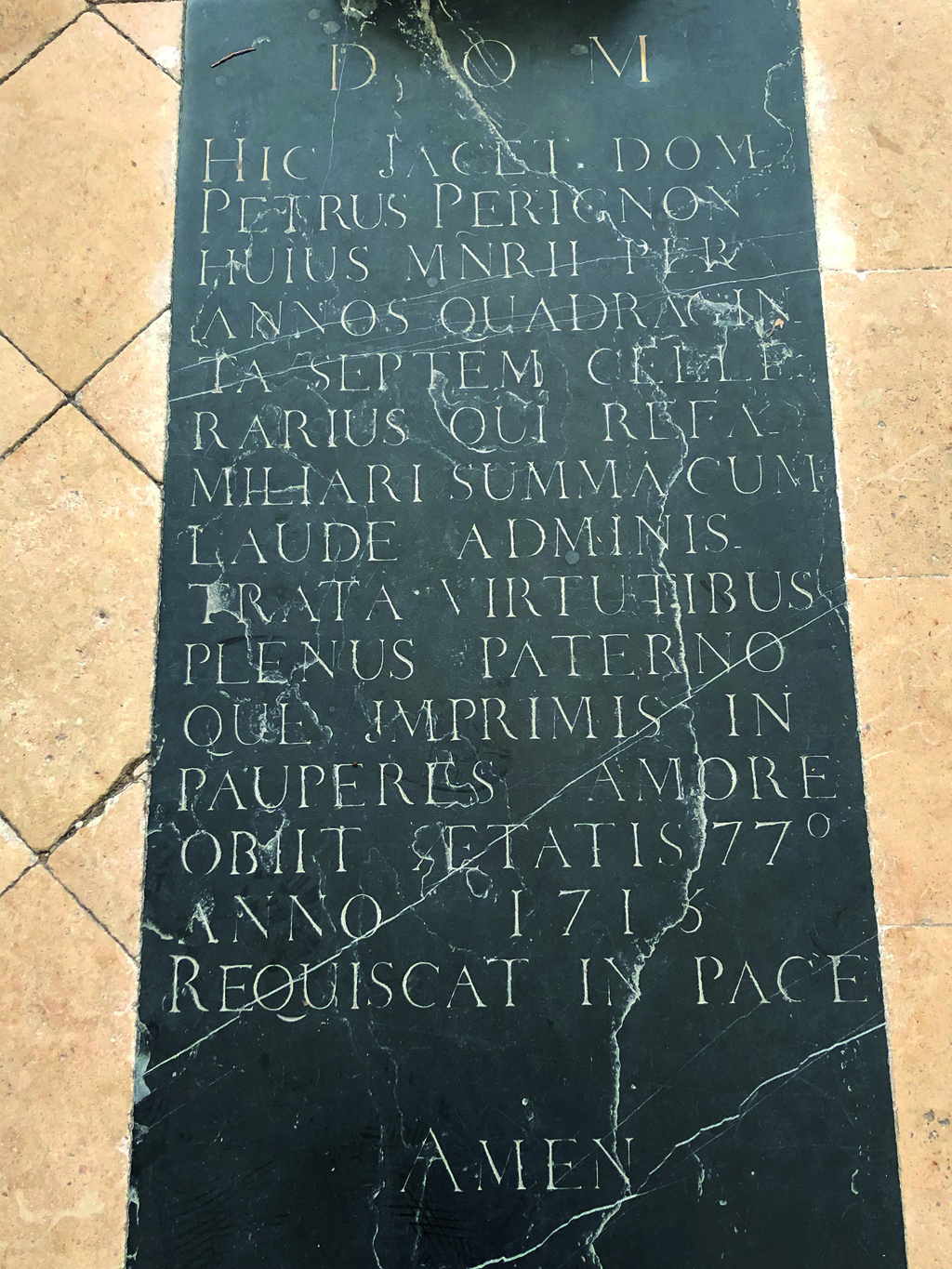
Perignon tomb
HAUTVILLERS ESSENTIALS
Getting there
TGV from Paris to Reims takes as little as 45m. Hire a car at Reims station at very reasonable rates driving is by far the easiest way to get to Hautvillers You can also take a regional train from Reims to Epernay (25 minutes) and call a taxi or Uber (€35-€45). Reims tourist office offers information on wine tours by van that include a visit to Hautvillers. Besides maps and info on the tasting rooms, Hautvillers’ tourist office can advise you on all the many activities in and around Hautvilliers, from boating on the nearby Mame River to biking and wine tours.
Contacts
Office de Tourisme Intercommunal d’Hautvillers, Place de la République, 51160 Hautvillers Tel: 03 26 57 06 35.
www.tourisme-hautvillers.com/en
From France Today Magazine
Lead photo credit : © Alamy
Share to: Facebook Twitter LinkedIn Email
More in champagne, countryside
Related Posts

Leave a reply
Your email address will not be published. Required fields are marked *
REPLY