Toulon on the Rise: the French Riviera’s Underrated Cool Kid

Pegged as an industrial city, Toulon has endured an indifferent reputation and been given a wide berth by tourists. But change is in the air…
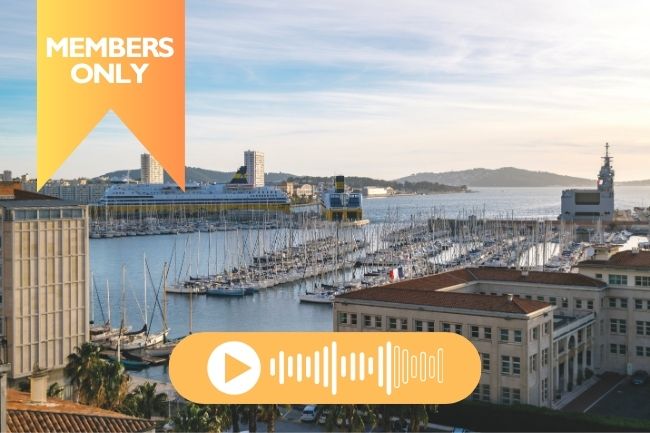
📢 As you scroll through the images, why not listen to our narrated article? It’s a great way for France Today Members to dive deeper into the story while enjoying the visuals. We hope you love this experience, and we’d love to hear what you think—feel free to share your thoughts in the comments below! Happy listening!
A mid the southernmost coastline’s coveted lands and glamorous tourist destinations, the city of Toulon seems to inhabit a kind of Bermuda Triangle. With glitzy Saint-Tropez and the Côte d’Azur to the east and a chain of picturesque Provençal fishing villages to the west, France’s 12th largest city and preeminent naval port is largely skipped over by tourists on their way to the more famous coastal centres of Marseille and Nice.
While the average tourist can’t tell Toulon from Toulouse, the city is famous among history buffs for a day-long Second World War attack in 1942 when France was forced to scuttle 75 of her own ships to keep them from the advancing Germans. In August 1944, Toulon was ground zero for a decisive battle, when French Resistance fighters and Allied forces reclaimed the ports of Toulon and Marseille, destroying large swathes of the city in the process one reason Toulon lacks some of the historic charm of its coastal neighbours.
Best known in France as the home of the French Navy, the city is also appreciated by sports fans thanks to the Rugby Club Toulonnais – known simply as Toulon – which is among the top clubs in France, with a fervid following amongst fans at home and abroad.
For now, it’s mostly rugby fans, French tourists and a few travellers seeking a more authentic experience of Provence who fill the city’s hotels. What are the rest of us missing? An appealing combination of ancient and modern, where the atmosphere of Provence mixes with the everyday life of its urban inhabitants; a recently restored Old Town; an authentic Provençal market free of tourist hordes (and the vendors catering to them); a harbour and beaches as beautiful as any along the Mediterranean coast. In short, a lived-in, glitz-free, deeply Mediterranean city.
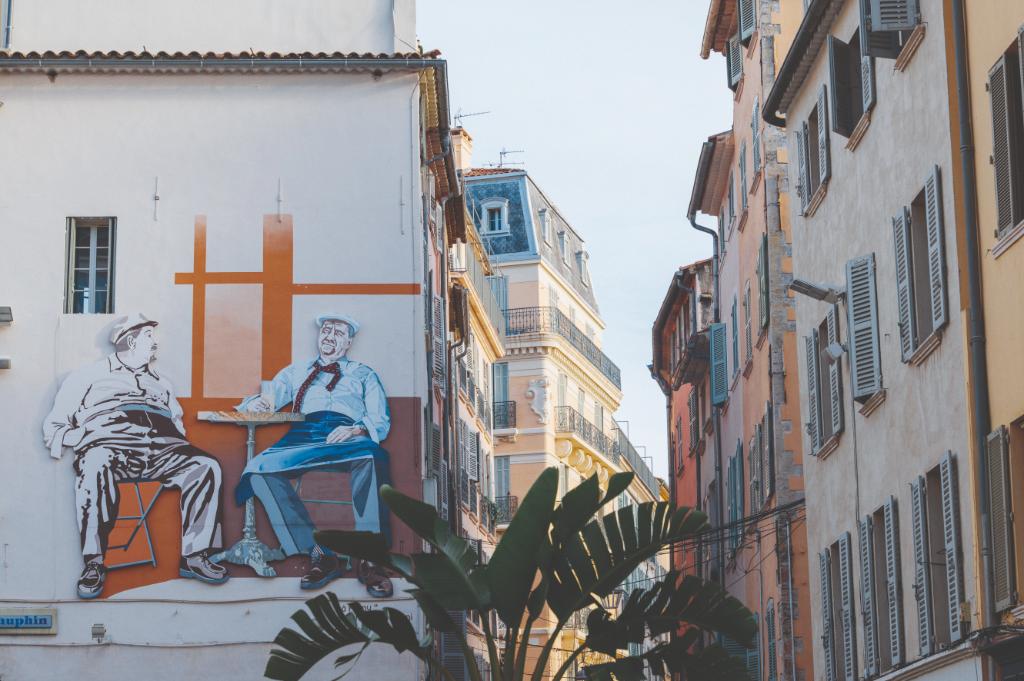
STREET ART OLD TOWN
Perfect port
Louis XIV’s famous military engineer Sébastien Le Prestre de Vauban, architect of the Fort Saint-Louis, built here in 1692, called Toulon “the most beautiful harbour in Europe”. Beautiful and strategic: nestled below a ring of steep cliffs and fronted by a unique double harbour created by the Saint-Mandrier-sur-Mer peninsula across the bay, the city’s dramatic natural wonders protect the harbour and its boats from violent weather and easy attack. The Phoenicians were among the first mariners to profit from this insular port when they landed here around 600 BC. For centuries after, French and foreign rulers fought over this strategic bay. In a surprising historical interlude during the winter of 1543-44, François 1 invited the 30,000-strong Ottoman navy to overwinter here during the long Franco-Ottoman alliance against Charles V and the Holy Roman Empire.
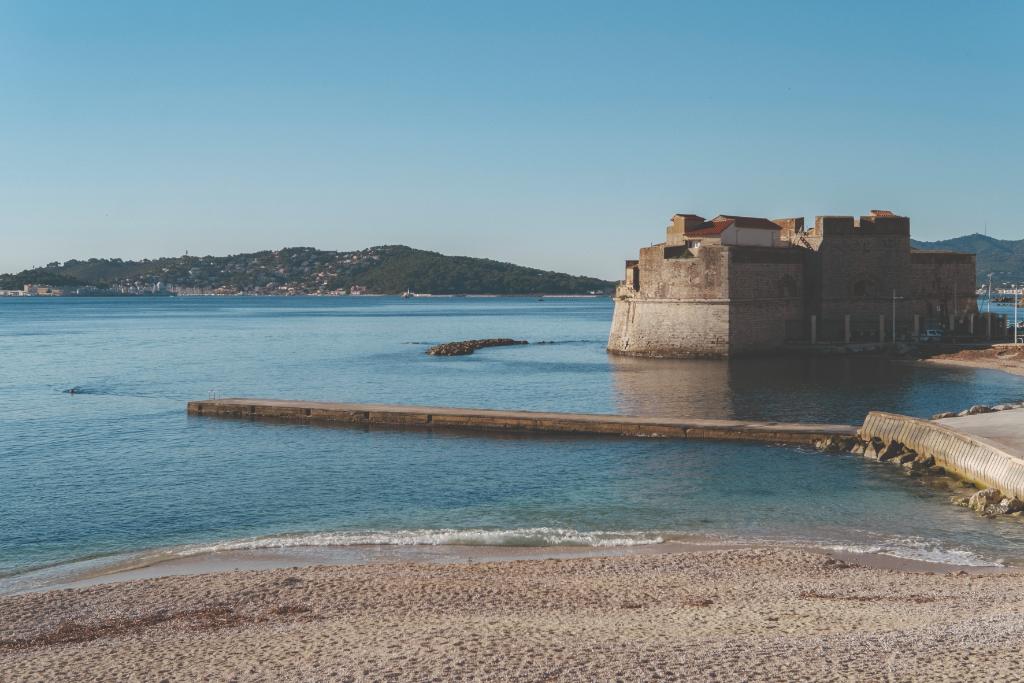
Fort Saint-Louis, built by Vauban in 1692
Today, this turquoise port is NATO’s largest Mediterranean military base and the home of the French Navy, sheltering France’s flagship aircraft carrier Charles de Gaulle as well as part of France’s nuclear submarine arsenal. But you’d never know it for the yachts, ferries and pleasure boats docked here, some of which you can hire for trips to the Îles d’Hyères, across the bay, or board for passage to the nearby islands of Corsica and Sardinia.
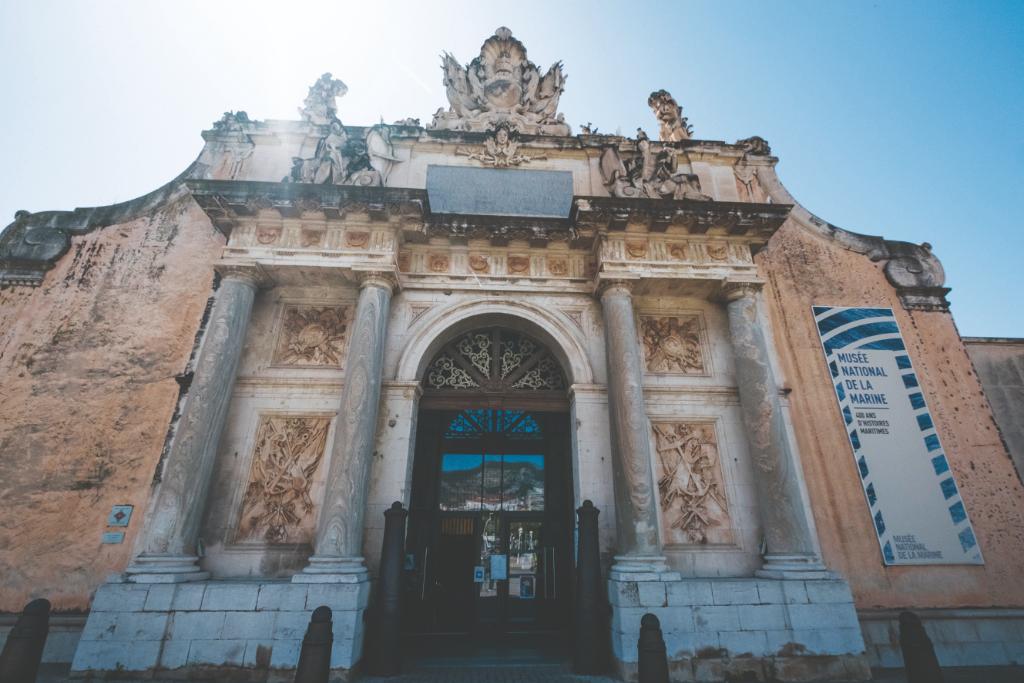
MUSEE DE LA MARINE
Old town renewed
Between the port and Toulon’s Haussmannian quarter, the Old Town’s rabbit warren of narrow streets, lined with medieval and Renaissance houses that open up onto hidden squares with charming fountains, is the best place to wander and explore. Until 20 years ago, the Old Town’s lower quarter, set just outside the naval yard gates, was a bustling red light district packed with the seedy bars catering to the thousands of off-duty sailors. Older Toulonnais still refer to this area by its post-war nickname, Chicago.
Nowadays, the once-decrepit buildings that once housed watering holes and brothels are spotlessly restored, painted in sunny Mediterranean pastels and inhabited by chic bars and cafés. The only reminder of the Old Town’s indecorous past is a massive trompe l’oeil mural on the rue Chevalier Paul depicting Chicago’s ladies of the night. This mural and other public sculptures and artworks scattered around the Old Town are part of the Rue des Arts urban renewal project, begun in 2001, that has slowly transformed this maze of streets into a chic, quickly gentrifying neighbourhood full of stylish boutiques, vintage shops, art galleries, wine bars and cafés.
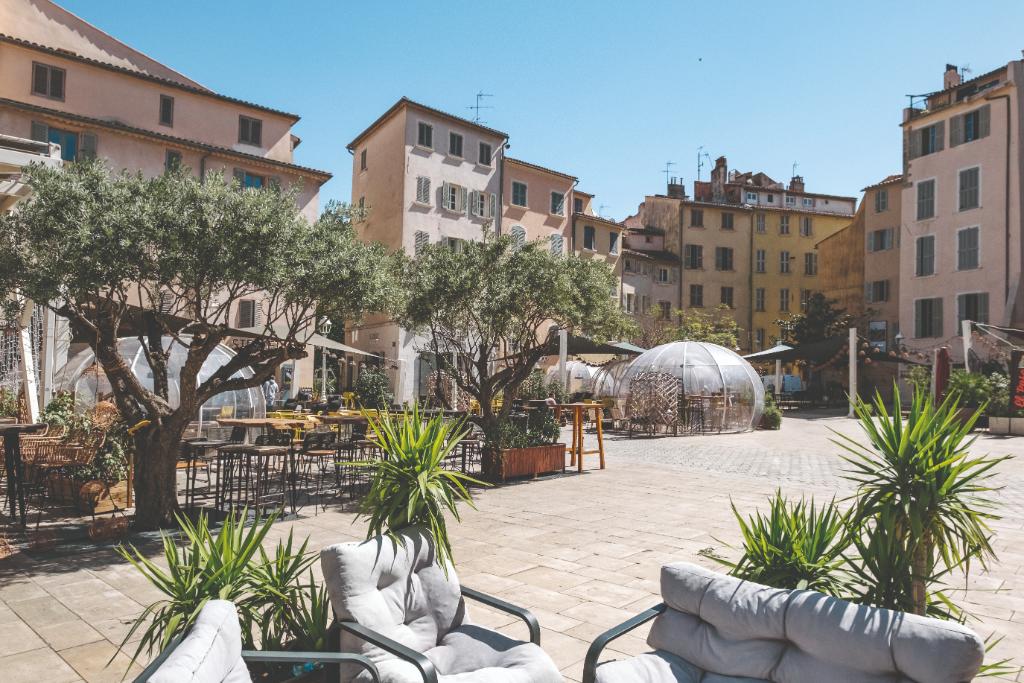
RUE DES ARTS OLD TOWN
Start your tour in the morning at the picturesque market, held every day but Monday at the Cours Lafayette and neighbouring streets. Abuzz with stalls brimming with the usual foods, flowers, lavender products and Provençal goods, be on the lookout for carts offering crispy cade, a Toulon speciality made from chickpea flour baked in a flat round pan. At the Marché des Producteurs (Tuesday, Friday, and Saturday mornings) producers from smaller local farms proffer seasonal products: honey, cheeses, local orchard fruits and nuts and artisanal jams.
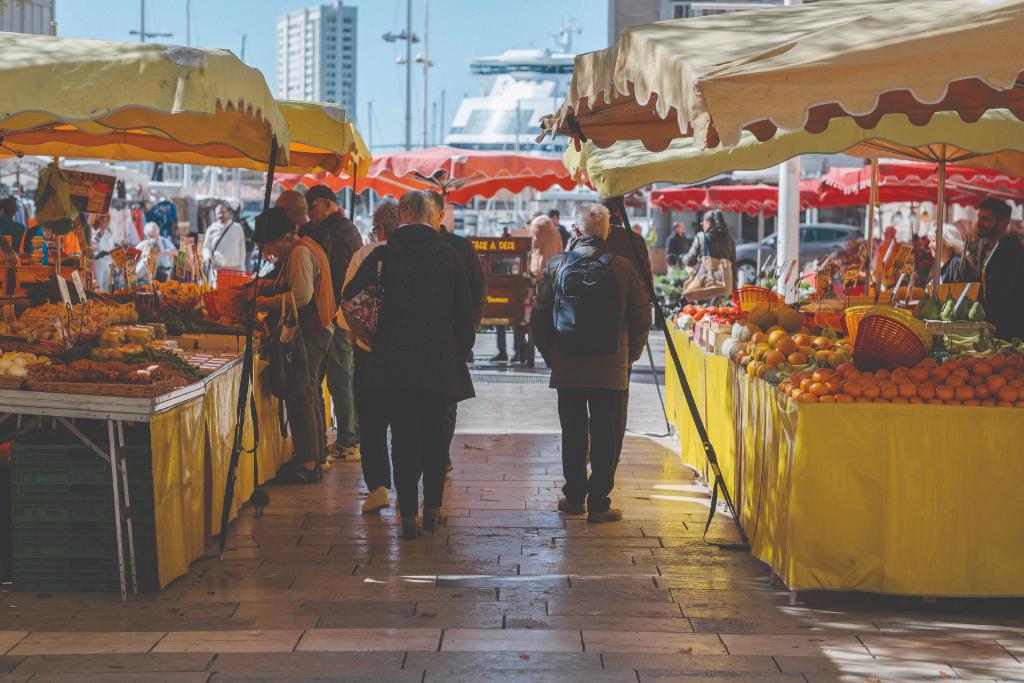
MARCHE OLD TOWN
Around the corner from the market, the 12th-century Cathédrale Notre-Dame de la Seds harbours a magnificent marble altarpiece and two 17th-century paintings by Pierre Puget, a Marseille native whose sculptures once decorated the palace of Versailles (and can now be seen in the Louvre).
Francis I had the cathedral converted to a mosque in the winter of 1543-1544 to accommodate the Muslim corsairs stationed in Toulon for the king’s campaigns against Italy during the Franco-Ottoman alliance.
For lunch, an apéro, or an informal dinner head to Les Halles, a recently restored Art Deco gem of a building housing 21 gourmet food stands. You can slurp fresh oysters from the Toulon Bay oyster farms or enjoy a made-to-order pizza along with other Mediterranean, South American and classic French dishes. Dine inside and outside on the terrace, or visit the rooftop bar, a great place to watch the sunset over snacks and a cocktail or a glass of local wine.
Cultural life
Lodged in the graceful 18th-century section of the Toulon arsenal, the Musée National de la Marine recounts the rich maritime history of this part of France via model ships, paintings, mastheads and a pictorial account of the city’s role in the Second World War. For anyone interested in Provence’s wartime history, the Mémorial du débarquement et de la libération de Provence, on the site of a crucial fort at the summit of Mont Faron, gives a detailed timeline of the planning and execution of Operation Dragoon, a daring mission to liberate the ports of Marseille and Toulon that ended the German occupation in the south. The story unfolds via firsthand accounts in French and English from members of the Resistance, with descriptions of life under the occupation and a gripping 11-minute film showing original footage of the August 15, 1944, invasion, a decisive moment that turned the war in the Allies’ favour. Whether you visit the museum or not (you should), Mont Faron is a must-see.
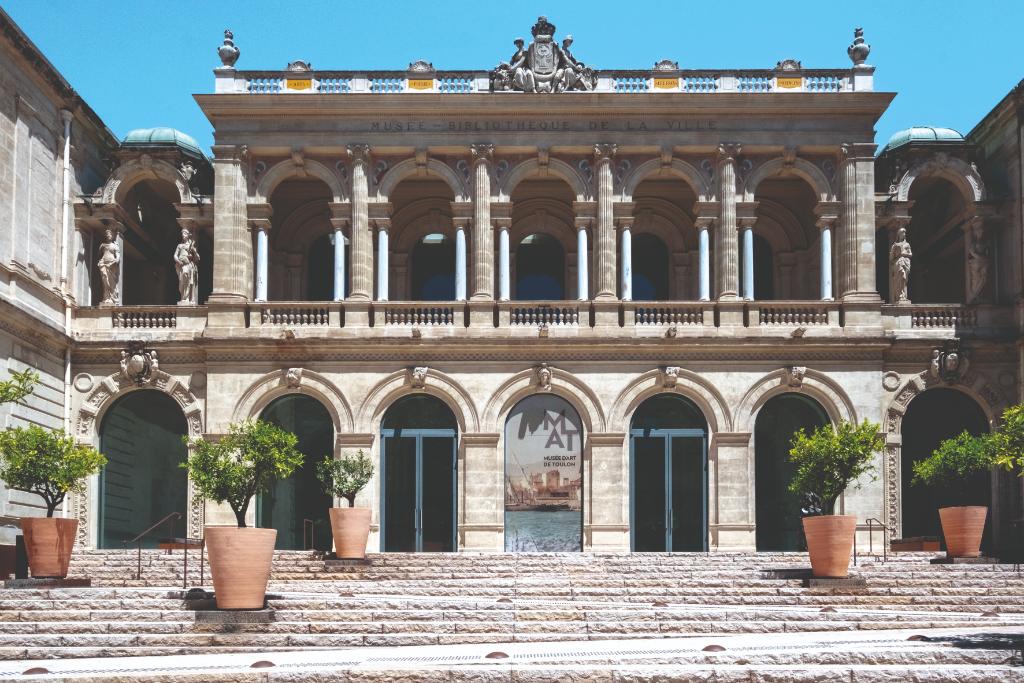
ART MUSEUM
Rising 584m (1,920ft) above the town, reached by car via the circular Route du Faron or on a thrilling six-minute cable car ride from Boulevard Amiral Jean Vence, the panoramas of Toulon, the surrounding countryside and the sea are breathtaking. At the top you can stroll over vertiginous paths and visit a small zoo and breeding centre for wild cats, including lions, tigers, lynxes, jaguars and pumas. The recently renovated and expanded Musée d’Art de Toulon houses a fine collection of archaeological objects found in the area, paintings spanning the 15th to the 20th centuries and contemporary works from the 1960s onward.
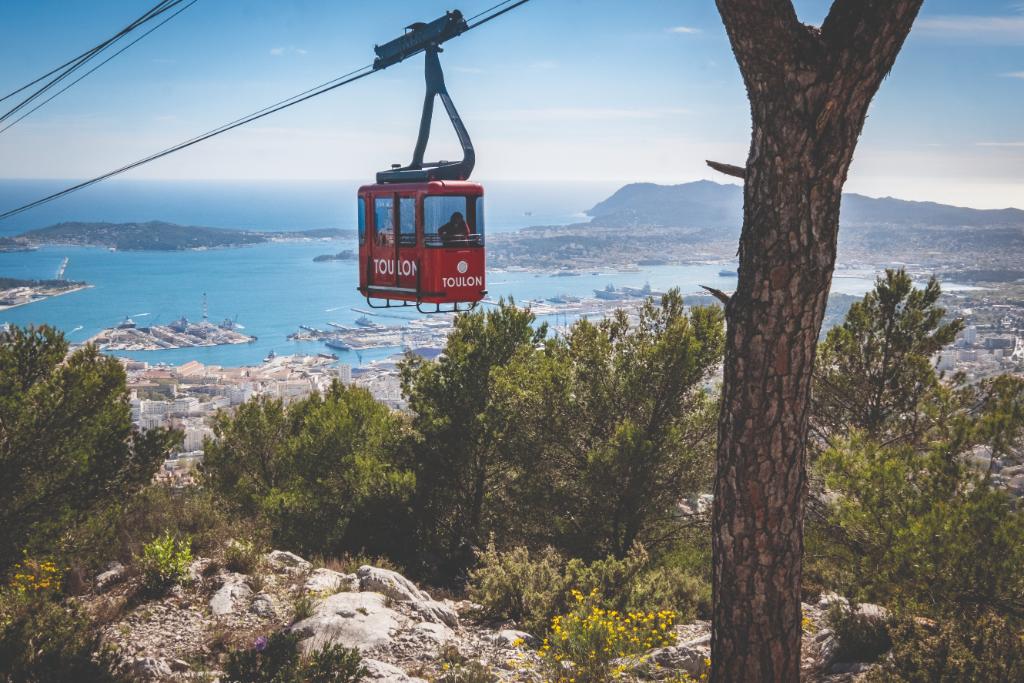
CABLE CAR MONT FARON
Beautiful beaches
Sunseekers and beachcombers will feel they’ve hit the jackpot in the Mourillon neighbourhood, with its long stretch of four contiguous white sand beaches along the eastern peninsula. Besides the usual beachfront restaurants and bars, the beaches are pleasantly uncluttered and perfect for picnics and swimming. Le Mourillon is a ten-minute bus ride from the city centre or a scenic 20-minute walk. If you have a car, there’s plenty of parking. In summer, facilities include showers, public toilets, chair hire and plenty of food stands. Expect bigger crowds in July and August, but the rest of the year the beaches are significantly less busy than the beaches lining the Côte d’Azur. Just behind, gracious mansions which once housed French naval officers line the lovely Littoral Frédéric Mistral, surrounded by gardens and towering palm trees.
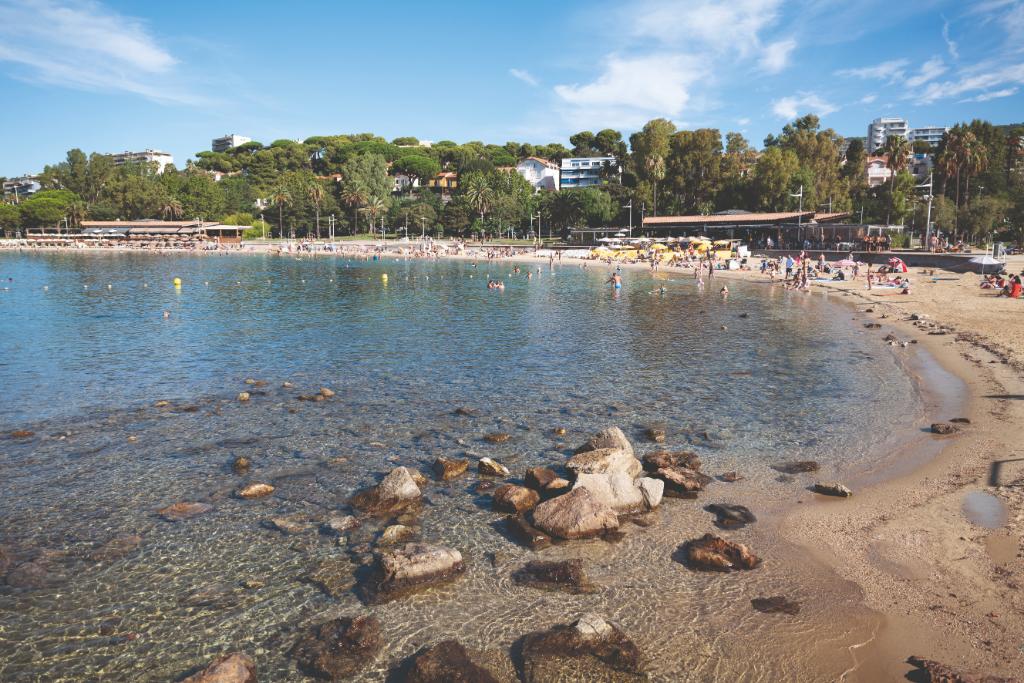
Mourillon beaches III
TOULON ESSENTIALS
GETTING THERE
Toulon is 67km (42 miles) east of Marseille and 150km (93 miles) from Nice. From Paris, Toulon is a four-hour train ride with a change at Marseille’s Saint-Charles station for the scenic hour-long train ride to Toulon.
WHERE TO STAY
At the edge of the Old Town, a few minutes’ walk from the port and arsenal, the recently opened L’Eautel is a good mid-range choice. The chic hotel is composed of three restored and combined 17th-century buildings and some rooms (and the tiny rooftop pool) have terrific views of the bay, Old Town, or Mont Faron. The in-hotel restaurant is popular among locals for cocktails and a classic French menu featuring seafood.
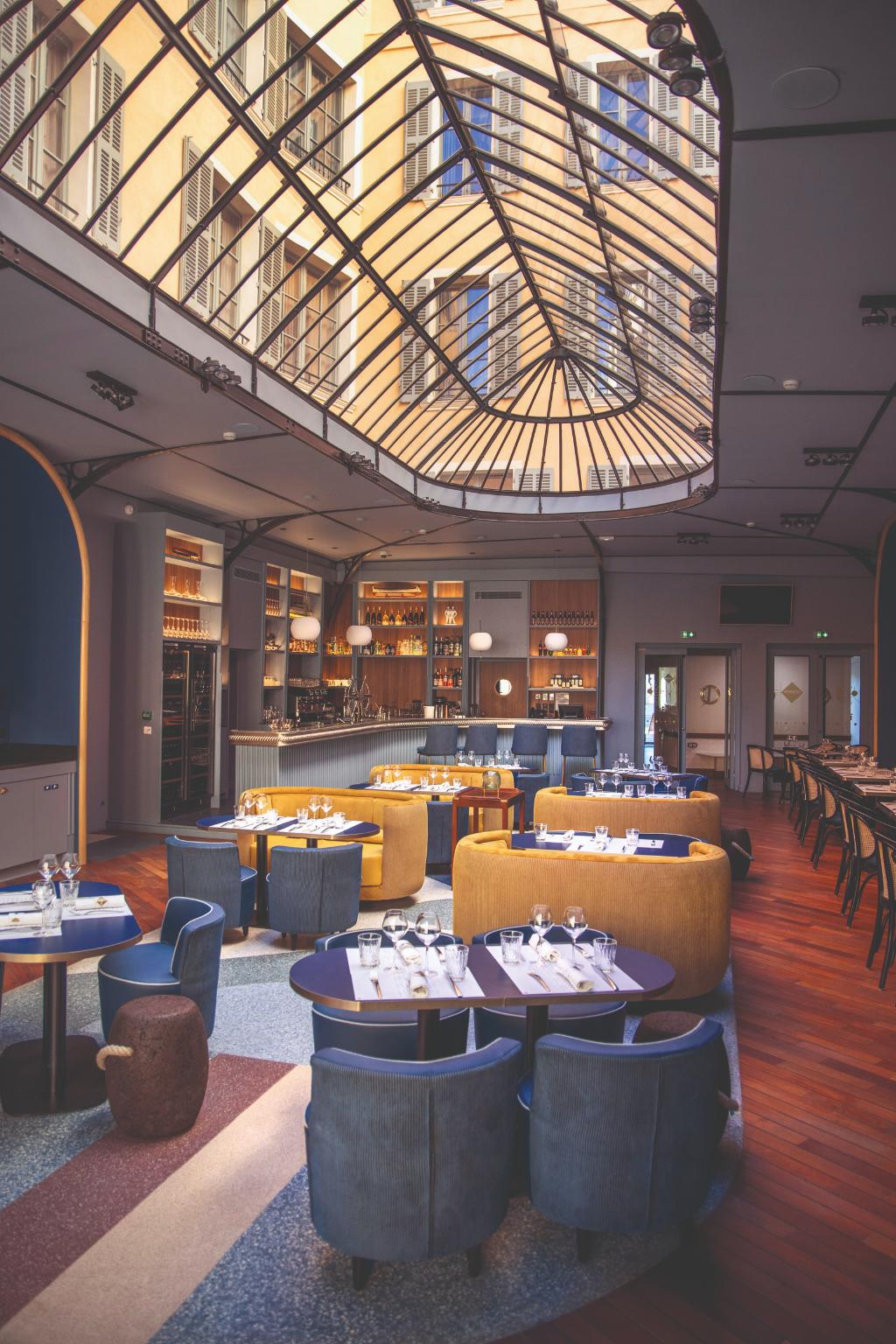
LEautel Restaurant
On the Saint-Mandrier-sur-Mer Peninsula across the harbour, the Belle Époque-era Grand Hôtel des Sablettes hotel and spa, fronting Les Sablettes Beach, is Toulon’s only five-star hotel. The ocean views from some of the rooms are spectacular, while nine of the suites have whirlpools on private terraces. The ferry to Toulon is just a ten-minute walk away.
CONTACT
Toulon tourist office
12, place Louis Blanc, Place Raspail, 83000 Toulon
From France Today Magazine
Ohlala! It looks like you’re not a Member yet
Join to view this content!
(If you are a Member, log in or reset your password below or contact us so we can help)
- Log in
- Forgot password