
How Many National Parks Are There in France?

From sky-scraping mountains, to tropical jungles, France has 11 national parks. That total includes parks in mainland France and in overseas departments such as Guadeloupe, La Réunion and French Guiana. The newest is Forêts National Park, created in 2019 to protect vast temperate woodlands between Burgundy and Champagne.
What makes a French national park different?
French national parks have a highly protected core area surrounded by a wider aire d’adhésion where towns and tourism partners sign up to the park’s charter. They are coordinated by the national French Office for Biodiversity and created by government decree. Think strict nature protection in the middle, with gentle, well-managed discovery around the edges.
National park vs regional park vs marine park
Travellers often confuse the labels.
- “Parc national”: one of the 11 top tier protected areas
- “Parc naturel régional”: landscape-scale living countryside with villages and farms. There are 59 of these and they are lower in status than national parks
- “Parc naturel marin”: large, protected sea areas managed separately from the national park network. Enjoyable for wildlife trips but not counted in the “11”
1. Calanques (Provence–Alpes–Côte d’Azur)
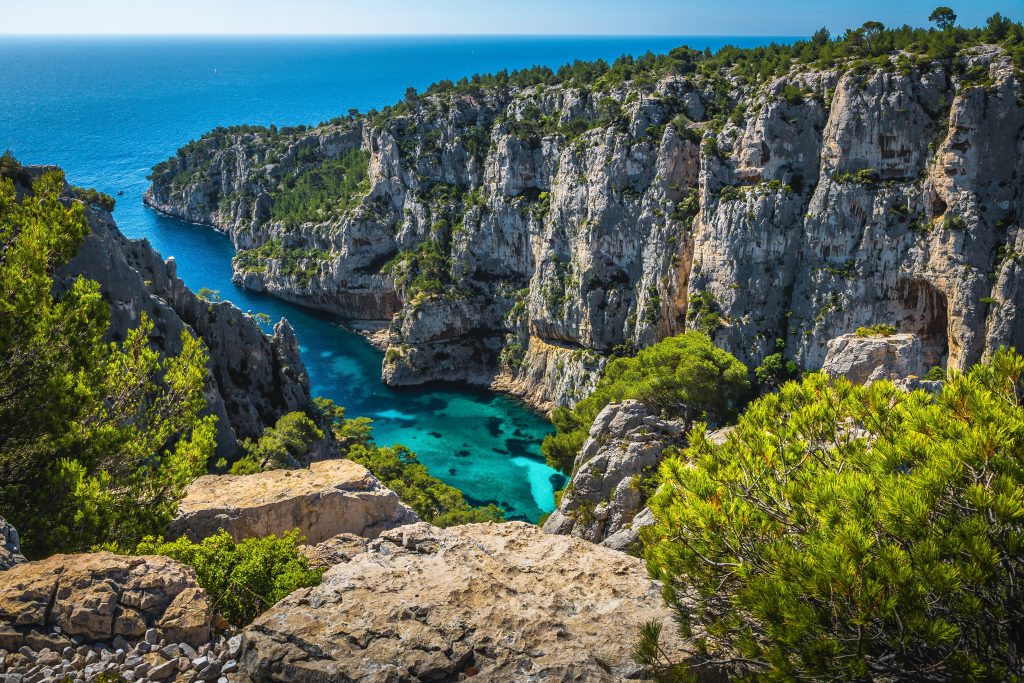
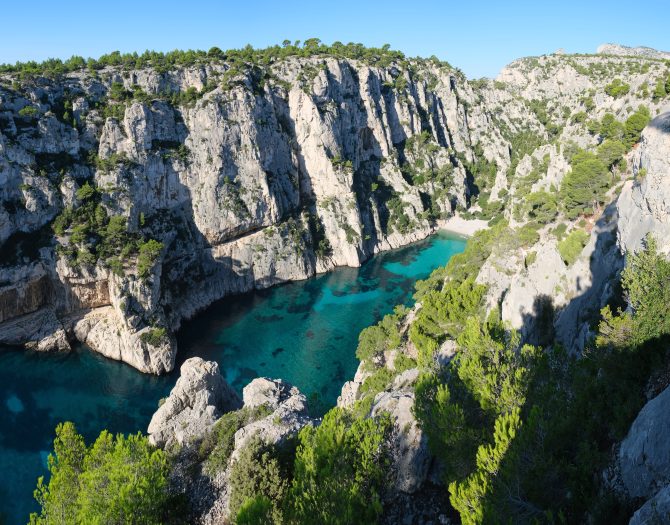
Calanques is the name used for narrow, steep-walled water inlets that dot the coast around Marseille and Cassis. White limestone cliffs drop into water that shifts from turquoise to deep blue, pine scent carries on the breeze and the light bounces off the rock like a mirror in Calanques. Boats bob in the shallow waters, seabirds skim the surface to the soundtrack of wind and water. As an extremely picturesqueplace, the Calanques are very popular in the summer…and for good reason.
Not to miss
The high lookout above Calanque d’En-Vau where the inlet narrows and the sea turns inky. Aim for early morning or late afternoon to see the richest colours reflect against the water.
Best base
Stay at Cassis for a pretty harbour and access to quick boat trips or stop in Marseille if you want to visit galleries, markets and have more food choices.
Easy first walk
Park at Port Miou and follow the simple coastal path to Port Pin. Pause for photos of the bright channel between the cliffs.
2. Vanoise (Auvergne–Rhône–Alpes)
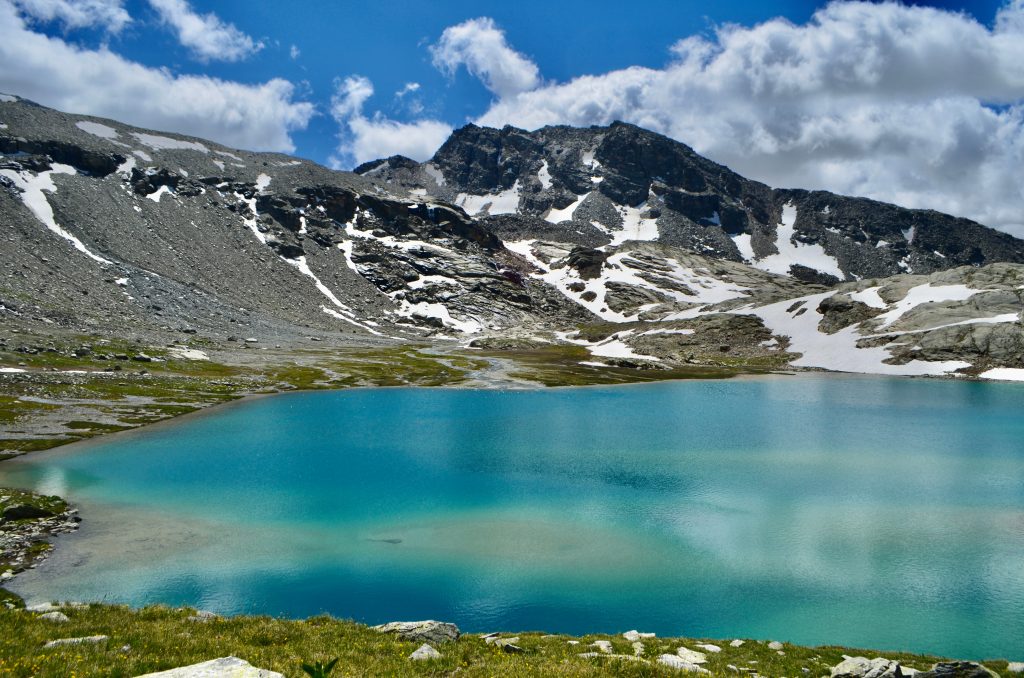
Sandwiched between the Tarantaise and Maurienne valleys, you’ll find classic high Alps scenery in this national park. Think bright air, big ridges, small farms with slate roofs and the chance of spotting ibex goats on quiet slopes. Lakes sit under grey peaks like sheets of glass in summer, and in the winter, its ski resorts are buzzing with visitors who’ve come to race down the slopes in picture-perfect snowy scenery.
Not to miss
The stone causeway across Lac des Vaches with La Grande Casse (the park’s highest summit) ahead. On windless days the lake’s surface becomes a glass reflection.
Best base
Pralognan-la-Vanoise, in Savoie. Trailheads are close, shops are small and friendly, evenings are calm.
Easy first walk
Start from Les Fontanettes and wander the marked path toward the lake. Turn around whenever you feel like it, but the stunning views begin early on.
3. Écrins (Auvergne–Rhône–Alpes and Provence–Alpes–Côte d’Azur)
Steeper and wilder, the mountains in the Ecrins national park are jaw-droppingly beautiful and offer fantastic hiking opportunities. Valleys close in, waterfalls hang like white threads, then suddenly a green bowl opens with a bright lake in the middle.
Not to miss
Lac du Lauvitel, the largest lake of the Ecrins, on a clear afternoon when the water glows emerald and the peaks stand sharp behind it. It’s located at just over 1,500m high on the commune of Le Bourg d’Oisans.
Best base
Bourg d’Oisans. Plenty of places to stay and roads that reach the valleys quickly.
Easy first walk
Follow the path from La Danchère to the lake at your own pace. Bring a snack,sit by the shore and watch the world go by
4. Mercantour (Provence–Alpes–Côte d’Azur)
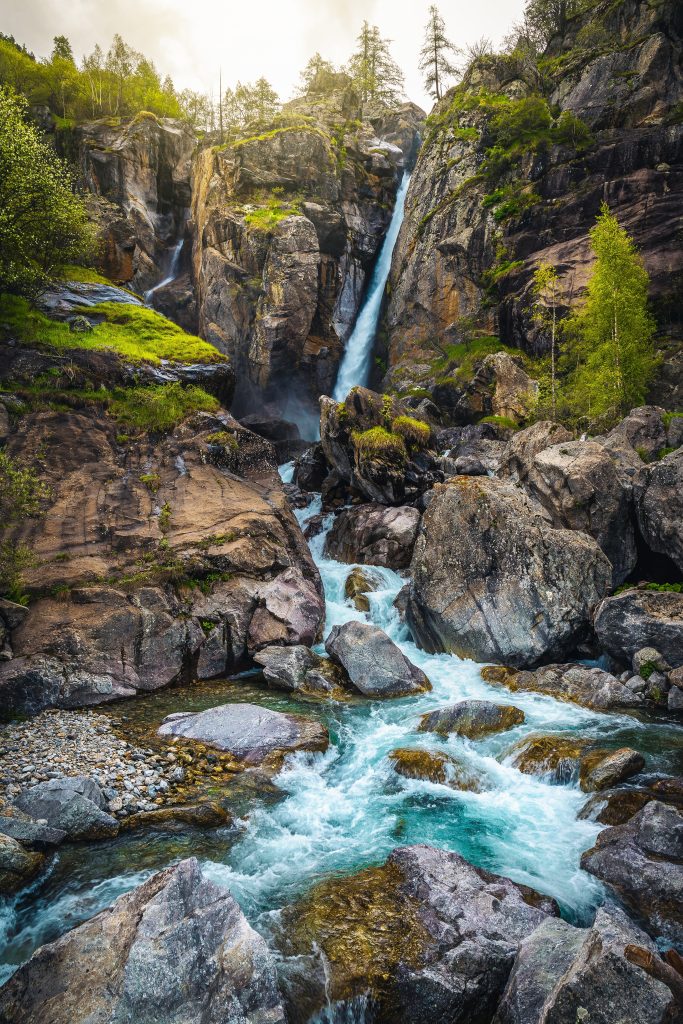
Sunlit mountains with larch trees that turn gold in autumn. The air feels clean and dry and the still lakes are dark blue. On clear days you can sense the Mediterranean close by, while Italy sits just behind some of the peaks. Outdoor enthusiasts come to ramble along the 600km of marked trails, with stops in the many charming villages that dot the park.
Not to miss
Lac d’Allos, ringed by a high cirque that looks dramatic from every angle. As an ancient glacier lake, its depths plunge to 48m!
Best base
Barcelonnette, in the Ubaye valley, for a lively centre and good day trip options. Colmars-les-Alpes if you prefer quiet nights inside old, fortified walls built by Vauban.
Easy first walk
From the Laus car park take the gentle track to the lake. Make your way around and pick a rock to perch on for a simple picnic.
5. Pyrénées (Occitanie and Nouvelle–Aquitaine)
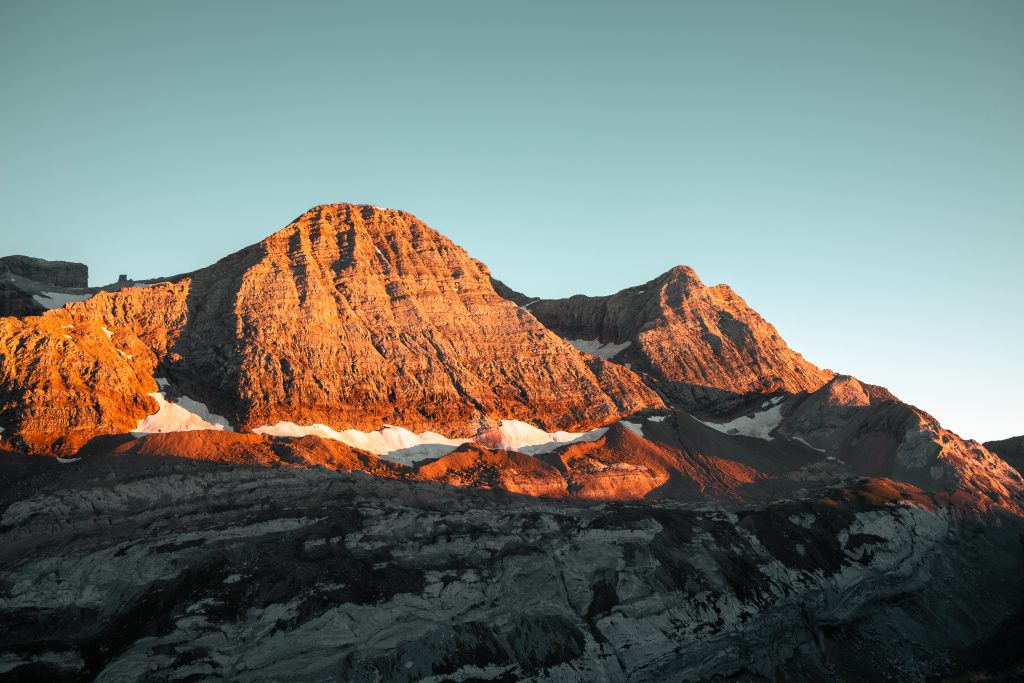
This is the place for big mountain drama with little effort. Rushing water, tall cliffs and expansive meadows with views that are sure to be a surprise. The perfect playground for nature enthusiasts.
Not to miss
The path to Lac de Gaube where the Vignemale massif suddenly appears. And of course, the awe-inspiring Cirque du Gavarnie.
Best base
The spa town and ski resort of Cauterets. Good choice of stays, hot springs for tired legs and quick access to the valley.
Easy first walk
Take the marked riverside path from Pont d’Espagne towards the lake. Stop at the first viewpoint if you want to make it a pleasant, short stroll.
6. Cévennes (Occitanie and Auvergne–Rhône–Alpes)
Round hills fold into chestnut valleys. Stone hamlets sit on ridges. Night skies are dark and full of stars. The light is soft, and the pace is slow. Made famous by a certain writer and his donkey, the Cévennes is home to a huge variety of animal and plant species.
Not to miss
Nîmes le Vieux on the Causse Méjean, in Lozère, where rock towers stand tall like the ruins of a city.
Best base
Florac Trois Rivières. Small town comfort, simple places to eat and quick access in every direction.
Easy first walk
Follow the short discovery trail at la Bambouseraie de Prafrance, through the stone labyrinth. Children enjoy the odd shapes and little passages.
7. Guadeloupe (Overseas: Guadeloupe)
Warm, green rainforest, overlooked by an active volcano, with fern lined paths and quick tropical showers that pass in minutes. Rivers run clear and bright birds flash through the canopy. The Grand Cul-de-Sac Marin Nature Reserve is a marine protected area adjacent to the park.
Not to miss
La Cascade aux Écrevisses. A short, level path leads to a perfect curtain of water in heavy jungle.
Best base
Deshaies on the coast for beaches, sunsets and easy drives into the forested interior.
Easy first walk
Stroll from the Route de la Traversée pull ins to the falls on the signed trail. Bring a light rain jacket and sandals fit for rocks.
8. La Réunion (Overseas: La Réunion)
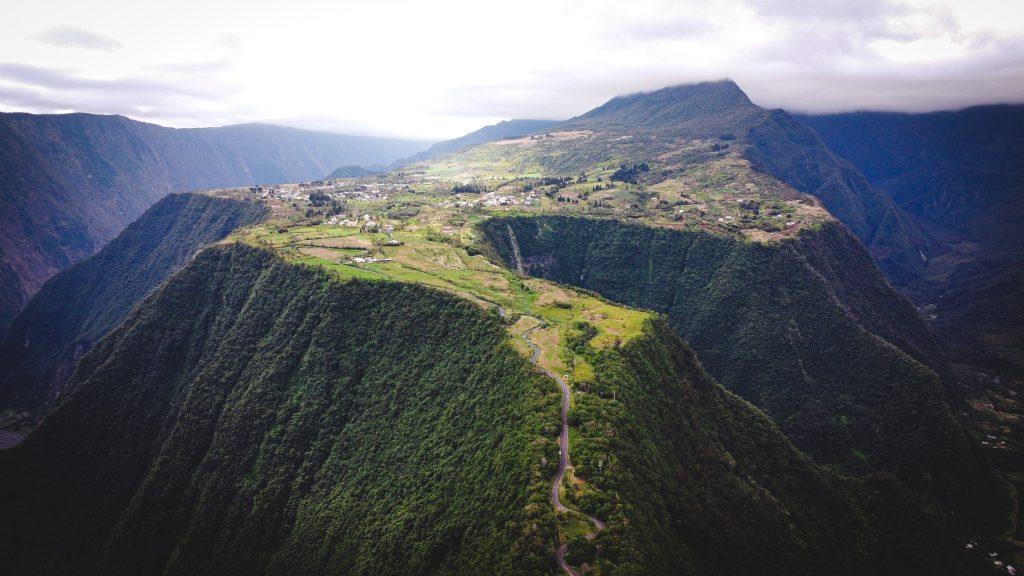
The park protects the mountainous interior of the island where the high volcanic amphitheatres feel like green cathedrals. Cloud rings drift across the rims and then the sky opens again. In the south, a black lava field lies on the horizon.
Not to miss
The short stroll near Piton de la Fournaise where the ground looks like the surface of the moon.
Best base
Cilaos inside the cirque for balcony views and village pace. Hot springs and vineyards add interest for the more hedonist travellers.
Easy first walk
From Pas de Bellecombe drop to the tiny cove called Formica Leo and climb back when you have had your fill of the view.
9. Guyane Amazonien (Overseas: French Guiana)
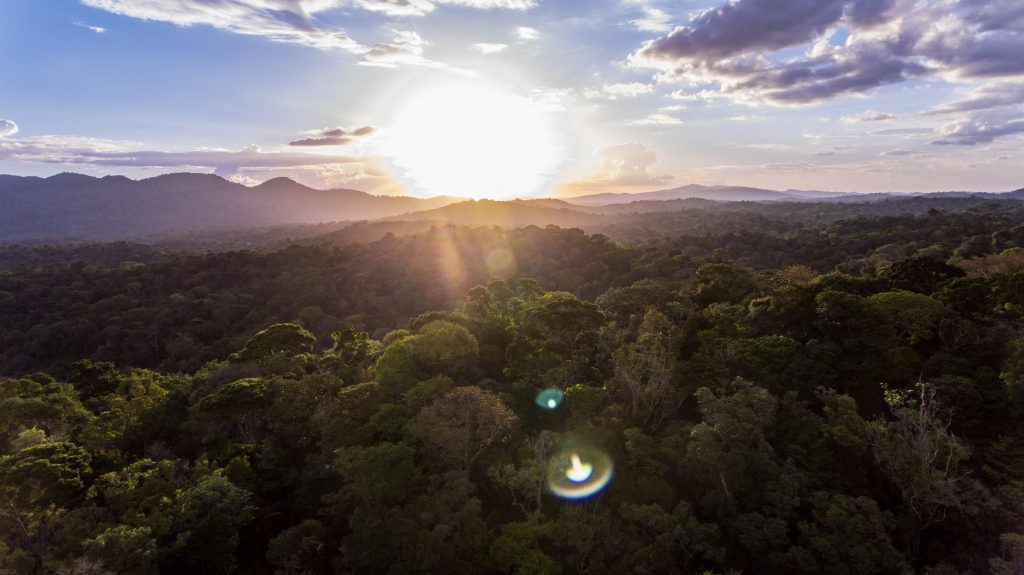
As the largest of French national parks, it aims to protect the Amazonian forest located on French territory. Imagine endless green canopy, slow river loops and a chorus of insects at dusk. The air is thick and alive. You feel far from cities here.
Not to miss
The viewpoint near Saül where the forest rolls in waves to every horizon. Mornings are often clear before heat builds.
Best base
Saül, deep in the forest in the centre of the département. A small friendly village that is only accessible by aeroplane, – with a few simple places to sleep and guides who know the trails.
Easy first walk
Take the signposted Belvédère loop for your first taste of the forest. Move quietly and you will hear more than you see.
10. Port Cros (Provence–Alpes–Côte d’Azur)
A small island off the eastern coast of Toulon with clear water, scented maquis and forts sitting on its headlands. Some 30km of criss-cross paths through the island that lead to crystal-clear coves where you can see fish from the shore.
Not to miss
The underwater trail at La Palud on a calm day. Pack a mask and snorkel.
Best base
Hyères on the mainland for many boat options or Porquerolles if you want to stay on an islandwith easy connections.
Easy first walk
Follow the coastal path from the harbour to a quiet cove. Bring bread, olives and fruit to make a beach picnic.
11. Forêts (Grand Est and Bourgogne–Franche–Comté)
This park was created to protect the typical broad-leaved trees from the vast Paris Basin plateau. Vast beech and oak forests stretch between Burgundy and Champagne. Light filters through the trees, deer move at the edge of clearings and nights are very dark and quiet.
Not to miss
The Rolampont Tufa Formation and the various gurgling sources, rich marshlands and gorges that pierce the deep swathes of forests on this land.
Best base
Arc-en-Barrois for village bakeries, short drives to trail starts and a gentle rhythm.
Easy first walk
Start at a local Maison de la Forêt or visitor point and follow a signed loop for about an hour. Collect leaves and look for tracks in soft ground.
Lead photo credit : Wikimedia Commons: En Vau, Calanque
Share to: Facebook Twitter LinkedIn Email
More in France National Parks
Related Posts

By François
Leave a reply
Your email address will not be published. Required fields are marked *