
A Little Corner of Greece on the French Riviera
Sponsored
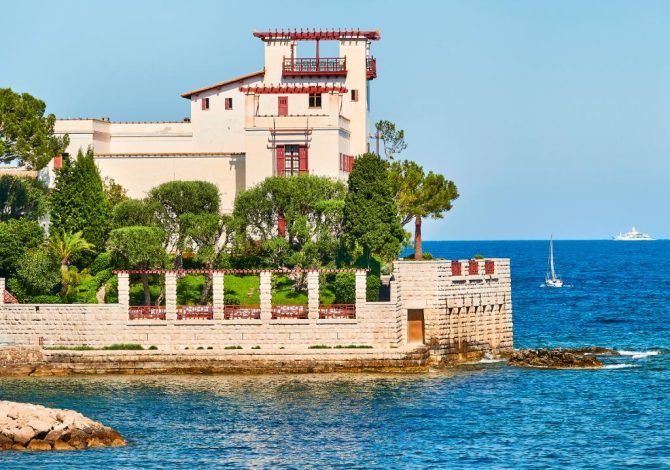
As if floating on the Mediterranean, this 20th century villa is an ode to Greek architecture and the creation of two passionate intellectuals.
Built on a rocky outcrop jutting out into the bay at Beaulieu-sur-Mer, Villa Kerylos was built, entirely furnished and fitted in just 6 years. Construction began in 1902 after two men, scholar and erudite Théodore Reinach and architect Emmanuel Pontremoli, met in Paris. This meeting-of-great-minds was also one of kindred spirits since both men are passionate Hellenists. Pontremoli spent many years working, researching and taking part in archaeological projects in Greece and had just presented his findings on the Ancient Greek city of Pergamos (located in current Turkey) at the 1900 Universal Exhibition of Paris. Reinach was considered one of the most brilliant Hellenists of his time and had also spent many a year on archaeological dig sites in Greece, producing an innovative theory on Ancient Greek domestic architecture.
Reinach and Pontremoli combined their interests and love for Ancient history to create this unique villa which is neither a replica, nor a historical reconstitution but an interpretation of the era’s understanding of Antiquity – equipped with the modern comforts of the 20th century nonetheless! Today, it serves as a repository of historical research from that time and honours contemporary art through exhibitions curated by the Centre des Monuments Nationaux which also cares for the monument.
© Ambroise Tézenas / Centre des monuments nationaux
An architectural treasure
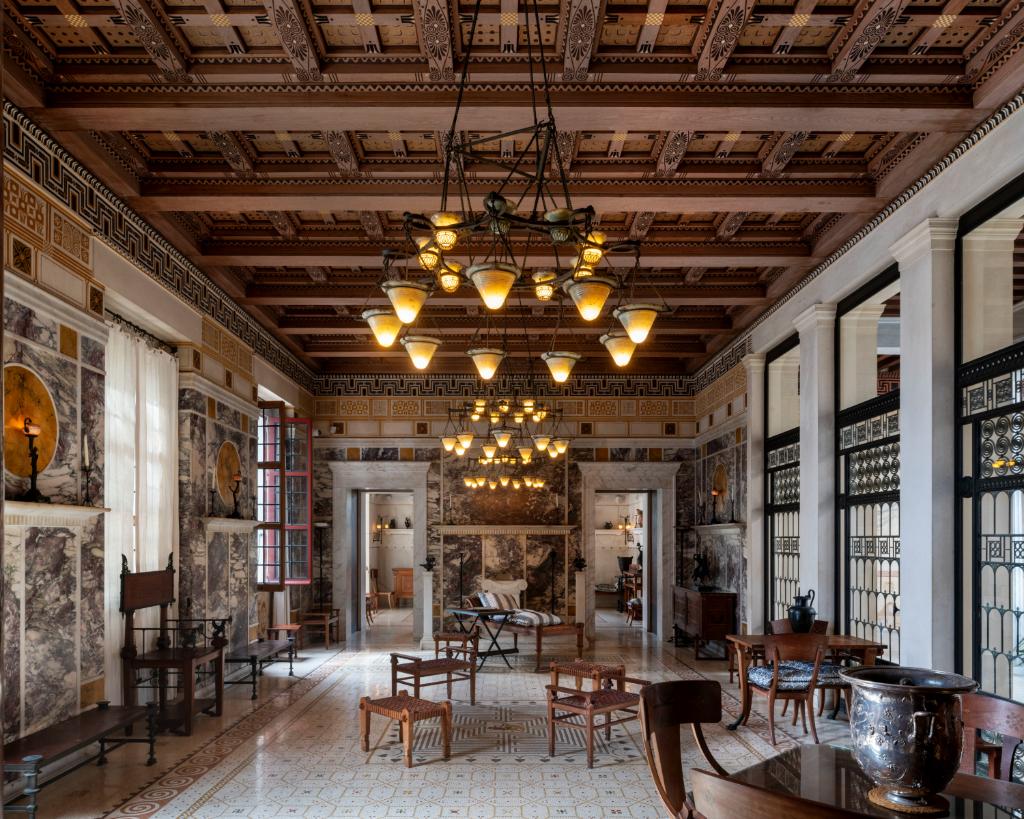
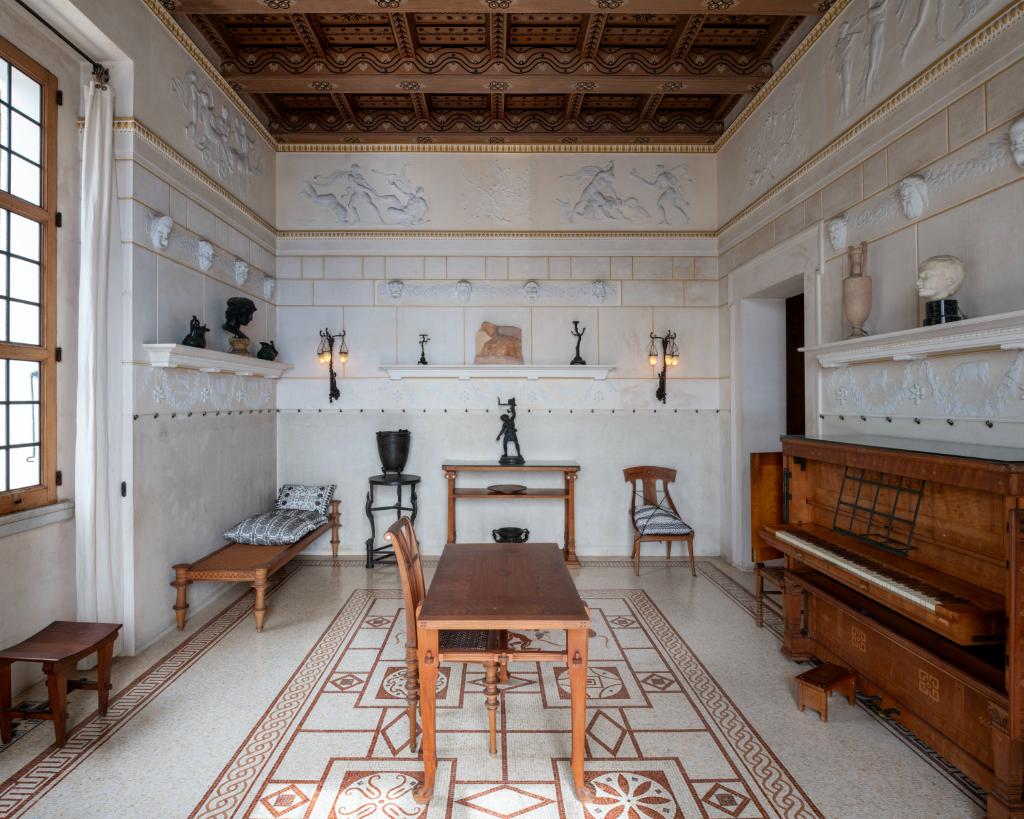
Lovers of Antiquity will be delighted to enjoy the mosaic-covered floors and their mythological scenes. In keeping with the atmosphere of the villa, these mosaics are not replicas but evocation from Greek mythology but they were nonetheless created using ancient techniques, with marble sourced from across the Mediterranean world. They tell their own story of the Mediterranean—a tale of exchange— giving the villa a further distinctive ambiance, echoed beneath the visitor’s footsteps.
Similarly, the furniture is truly unique to the villa. Everything down to the plates was designed and created especially for the project.
Don’t miss either the garden, dotted with local trees and shrubs from the Mediterranean and further anchoring the house in its Greek setting.
© Ambroise Tézenas / Centre des monuments nationaux
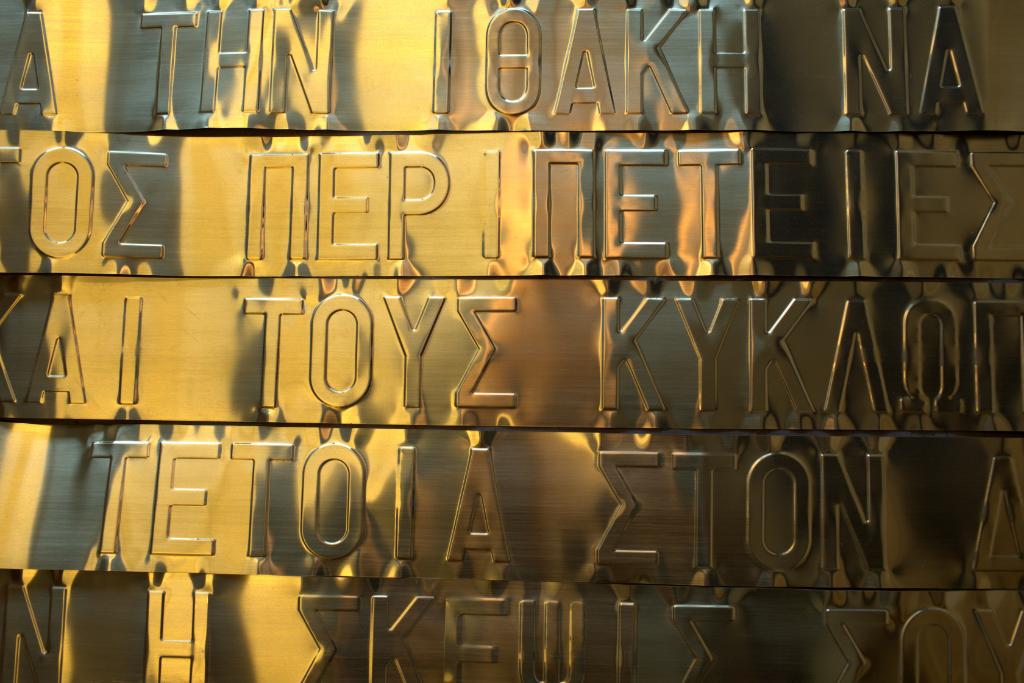
‘L’Or du Temps’ exhibition celebrates Gabriel Léger
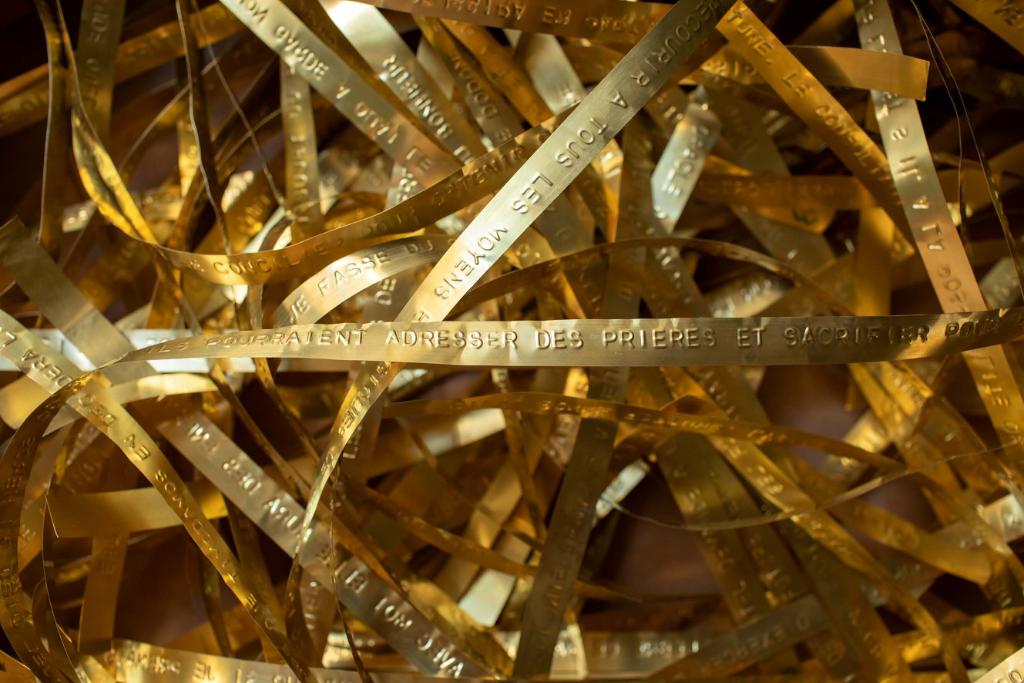
Reflecting on the passage of time and the survival of words through the ages, Gabriel léger presents a collection of brand-new works, inspired by latin and ancient greek. Using materials used by mankind for millenia and drawing inspiration from the sun, the sea and fire, this artist showcases an immersive exhibition, questioning the very essence of time and how we can extract, through art, the ‘gold nuggets of time’.
Gabriel Léger is a contemporary French artist known for his evocative mixed-media works that blend abstraction with elements of landscape and memory. Drawing inspiration from the natural world and architectural forms, Léger explores themes of transience, perception, and the passage of time. His layered compositions often incorporate found materials and textured surfaces, inviting viewers into a contemplative visual journey that bridges past and present.
May 18 – September 21
Ticket included in the entrance ticket to the monument
© Gabriel Leger ADAGP
Opening hours of the villa:
- From May 2 to August 31 – 10 a.m. – 6 p.m.
- From September 1 to April 30 – 10 a.m. – 5 p.m.
Last entry to the monument is 30 minutes before closing.
Closed on January 1, May 1, November 1 and 11, and December 25. Exceptional closures from September 22 to 25, 2025, and October 9 to 11, 2025.
On December 24 and 31, closing time is 4 p.m. instead of 5 p.m.
For more information, visit www.villakerylos.fr
Villa Kerylos, Rue Gustave Eiffel, 06310 Beaulieu-sur-Mer
© Gabriel Leger ADAGP
Lead photo credit : © Laurent Lecat / Dist. Centre des monuments nationaux
Share to: Facebook Twitter LinkedIn Email
More in Discover the secrets of France's heritage sites, French history, French monument, Mediterranean coast, Riviera
Related Posts

Leave a reply
Your email address will not be published. Required fields are marked *