
Cluny Abbey: how a Medieval Masterpiece is Still Revealing its Secrets
Sponsored
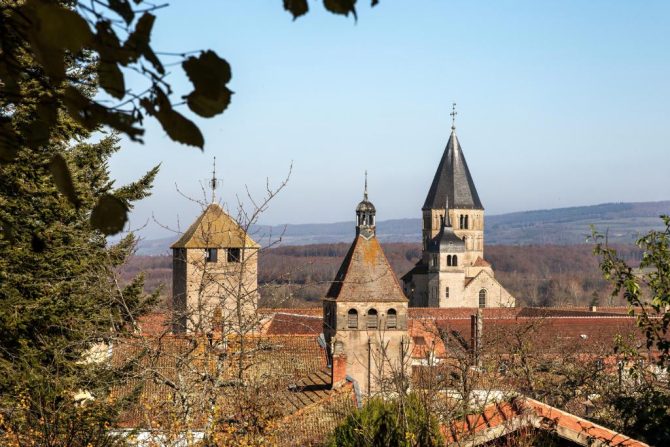
A recently excavated treasure of medieval coins will finally be put on display at the Cluny Abbey, once the beating heart of the Christian religion.
Rising from the gentle hills of southern Burgundy, the remnants of the Abbaye de Cluny hint at a past of extraordinary grandeur. Founded in 910, this Benedictine monastery once stood as the largest religious building in Christendom, its influence radiating across medieval Europe.
More than a centre of prayer, Cluny was a beacon of reform, art, and intellectual life, shaping the spiritual and cultural landscape of the Middle Ages. Though much of its vast structure was lost to the upheavals of history, Cluny’s legacy endures…and continues to puzzle historians.
Today, new technologies and ongoing archaeological work peel back the layers of history: digital reconstructions now reveal the staggering scale and splendour of Cluny’s lost architecture, while recent excavations uncovered a trove of medieval coins, long hidden beneath its stones. With each discovery, Cluny whispers new secrets from its past. Who knows what might yet lie beneath its ancient foundations?
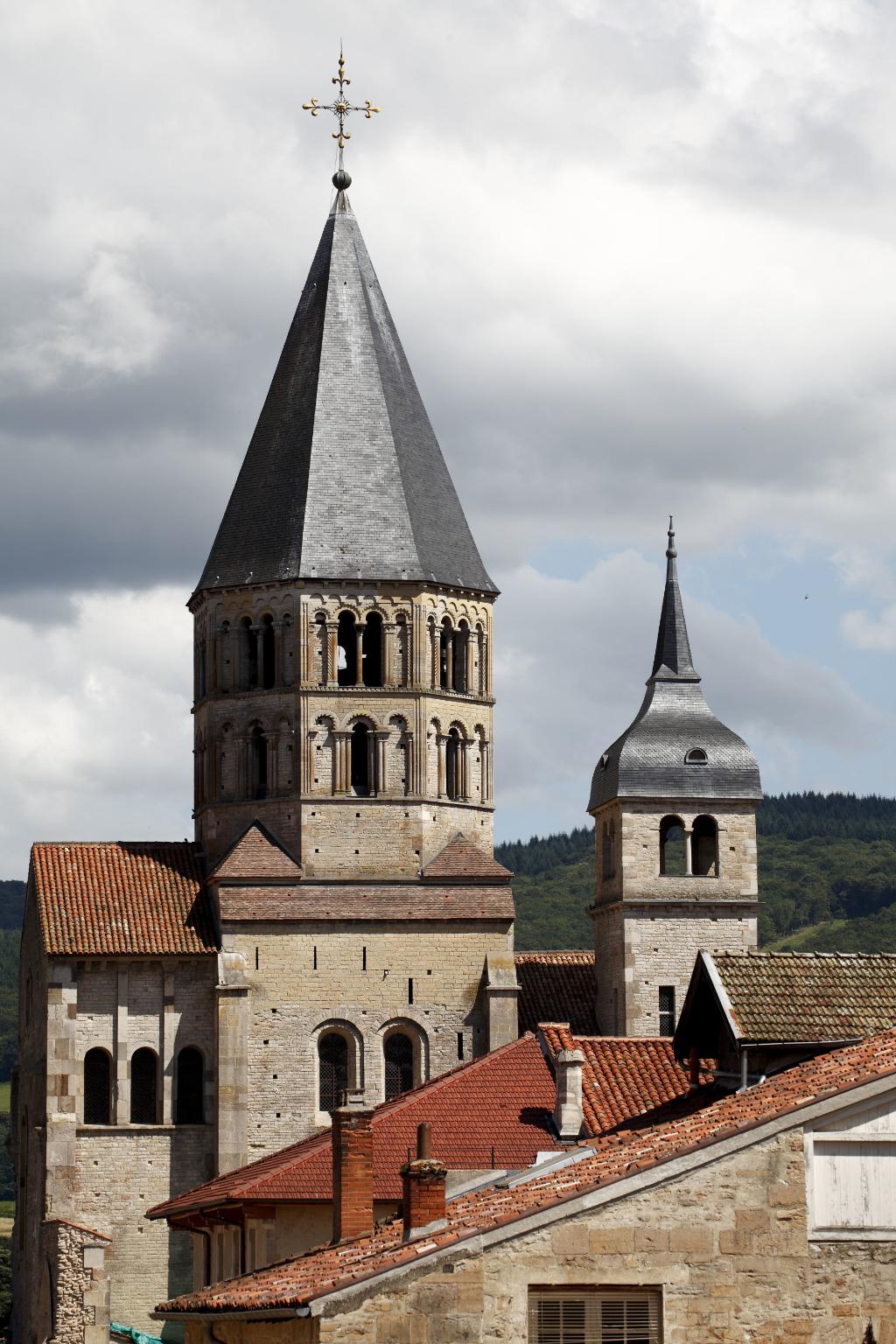
The church spire and the bell tower © David Bordes / Centre des monuments nationaux
From humble beginnings to one of the greatest monastic orders of Western Europe
In the 10th century, the Duke of Aquitaine and Count of Mâcon, Guillaume “le Pieux” (William “the Pious”), founded a monastery on the site of a roman villa. Guillaume wanted to see a return to the stricter and more devout values of the Carolingian era and wrote a text that was to become the basis of the Cluniac order: not a new order per se, but rather a reform movement within the Benedictine tradition.
The abbots of Cluny wanted to return to a purer, more spiritual way of monastic life. They put special emphasis on prayer, beautiful liturgy, art and architecture and made sure their abbey was independent from local political interference. For instance, All Souls’ Day, a Catholic holiday on November 2, was first celebrated at Cluny Abbey by Odilon, Abbot of Cluny in the 10th-11th century.
The Pope encouraged Cluny to take other monasteries under its wing. Quickly, the order prospered, and its influence grew. The first church of Cluny was built, and, around the year 1100, the small Carolingian villa was long gone, replaced by a sprawling religious community.
Other monasteries across Europe soon joined this reform movement. They followed Cluny’s strict discipline, looked to the Abbot of Cluny as their head and made donations to the order. At its height, the Cluniac network included hundreds of monasteries, spreading its religious, cultural and artistic influence across medieval Europe.
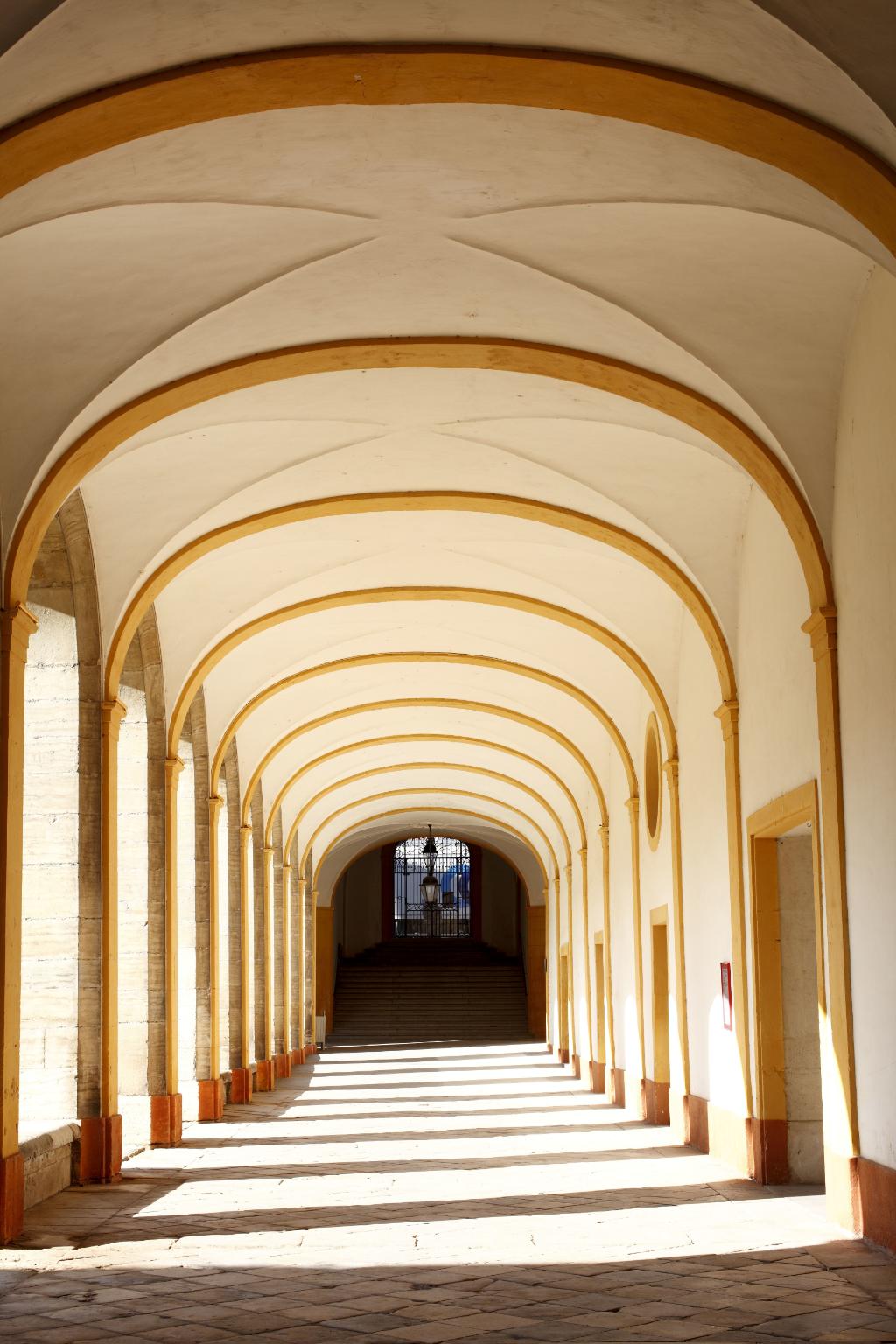
Inside the cloister © David Bordes / Centre des monuments nationaux
The Maior ecclesia, the largest church in Western Christendom
As the order grew, so did the ambitions of the Abbots to build an abbey worthy of their piety. In 1088, Hugues de Semur planned the construction of a new, ever larger abbey which would represent the power of God on earth, but also the power of Cluny. Once built – in the roman architectural style – it remained the largest Christian church of western Europe for over 400 years. Its vaulted ceilings reached over 30m high!
Over the centuries, abbots strove to maintain the Cluny rules and their influence by undertaking reforms. Famous figures such as Richelieu or Mazarin served in Cluny but soon, the order began to decline.
One last effort was made around 1750, when a new set of buildings was erected in a more classical style: a cloister, rooms, a refectory, a chapter room…most medieval remnants were removed in favour of a more “elegant” style.
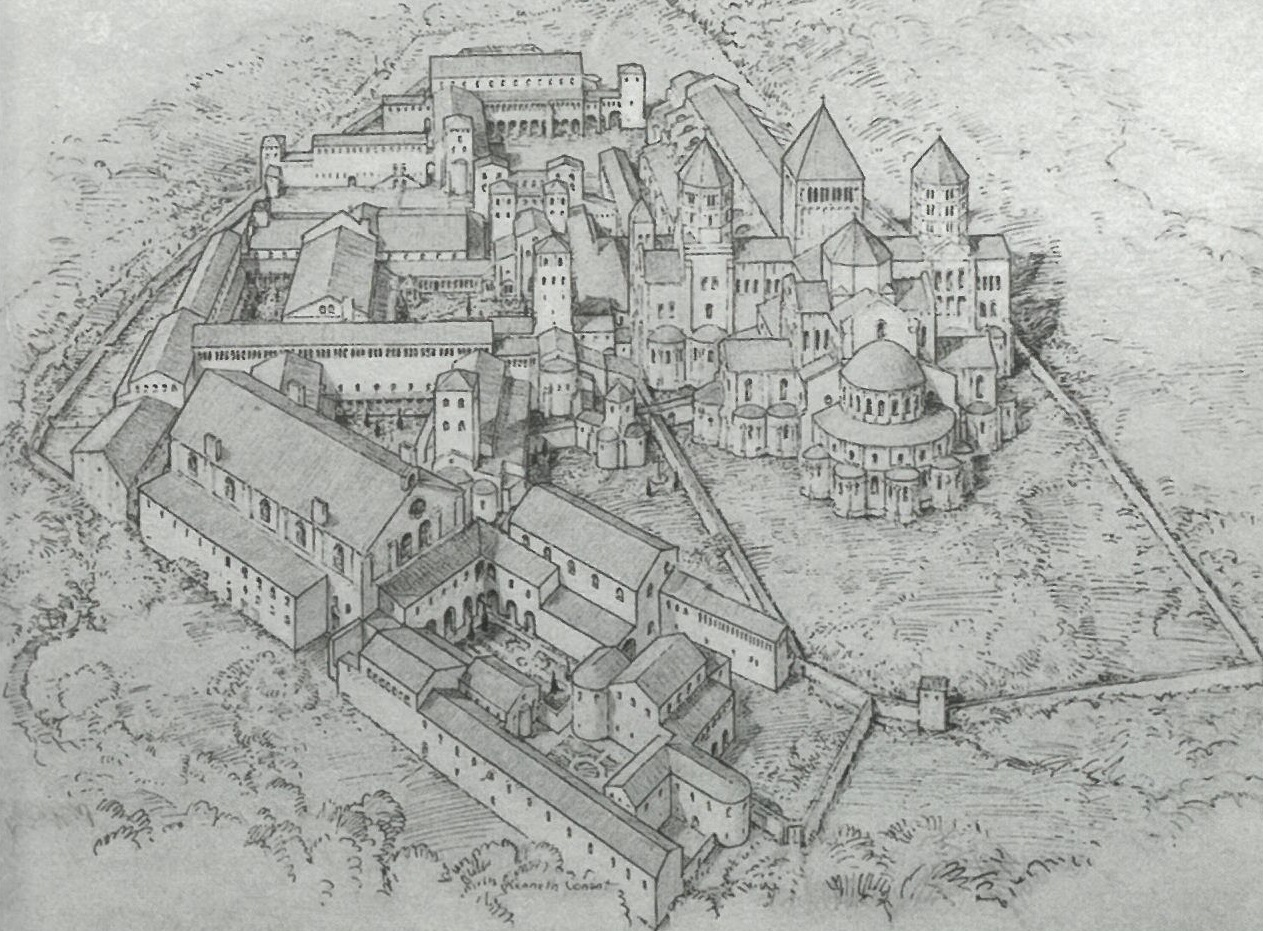
An illustration of Cluny Abbey during the 12th century based on a hypothesis of K.J Conant © Centre des monuments nationaux
The end of an era
Once the Revolution came around however, the monks deserted the abbey. On October 25, 1791, a final mass was celebrated in the abbey church in the presence of twelve monks. They were then expelled and dispersed to the surrounding parishes.
As with many religious buildings during the troubled aftermath of the Revolution, the abbey was divided into four sections of buildings and sold to merchants from Mâcon who dismantled the structures for their stones, turning this architectural marvel into a mere quarry.
It took a curious and inquisitive American medieval specialist to dig up the foundations and rediscover this incredible architectural ensemble. From 1928 to 1938, Kenneth John Conant meticulously studied the maps and dug up trenches to understand the various constructions of Cluny’s grand church.
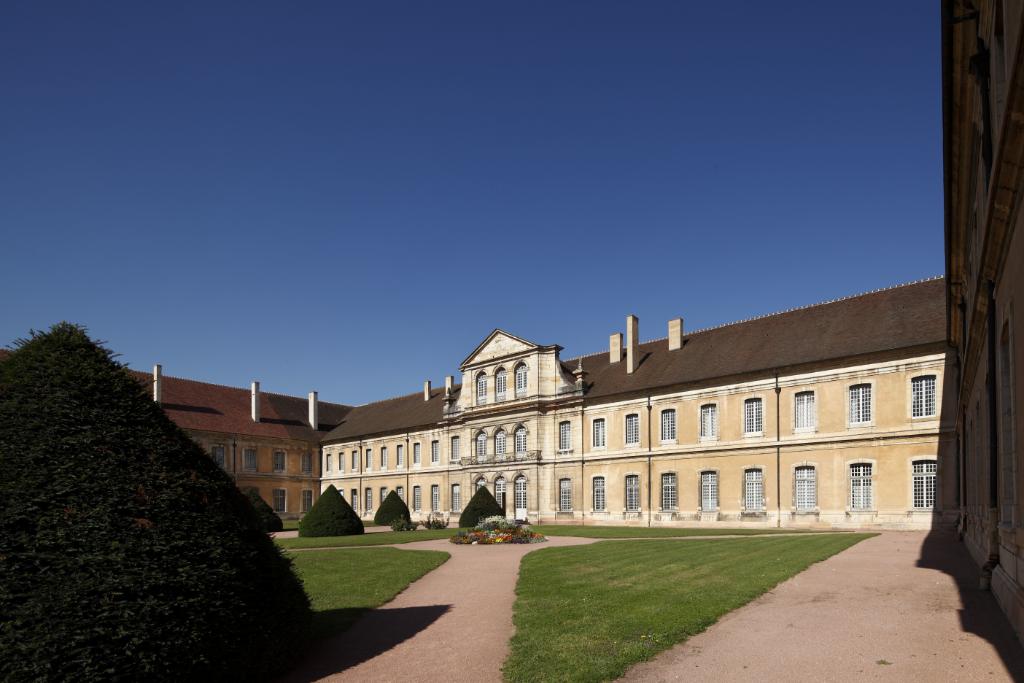
Convent buildings © David Bordes / Centre des monuments nationaux
New surprises
Today, the surviving remains, such as the great and small transepts, give an idea of the immensity of this building. Many other elements were discovered: the surrounding wall and its towers, the 18th-century convent buildings, and the Farinier, a 13th-century building that now houses the capitals from the choir of the Maior Ecclesia.
A team of specialists – art historians, engineers, geographers and archeologists – created a digital replica of the church as it stood in its heyday during the 12th century. Combining virtual and augmented reality, these digital replicas are both research tools and didactic displays for visitors, allowing a fuller comprehension of this immense monument.
But, it seems Cluny still had some surprises up its sleeves. A 2017 archaeological dig in the grounds revealed a large treasure trove of ancient coins. Over 2,200 pieces of Clunisian silver and 21 gold dinars, as well as a precious golden ring were uncovered on the site of the old infirmary. An exceptional find which illustrates the vast influence Cluny had on other monastic sites since the coins were likely from donations and payments. The dinars, which were minted in north Africa, came from Spain which was under Muslim influence at the time and likely came from a highly placed person in the Spanish order.
From July 9th this year, this exceptional treasure will be on display in the newly fitted out Galilée passage within the monument.
As visitors wander through the soaring remnants of Cluny’s great church and cloisters, it’s impossible not to sense the weight of centuries beneath their feet. Thanks to modern archaeology and digital innovation, the abbey is slowly revealing more of its extraordinary past. But Cluny still holds many mysteries. With each new excavation, fresh clues emerge, hinting that this great abbey’s story is far from fully told. The next chapter may lie just beneath the next stone.
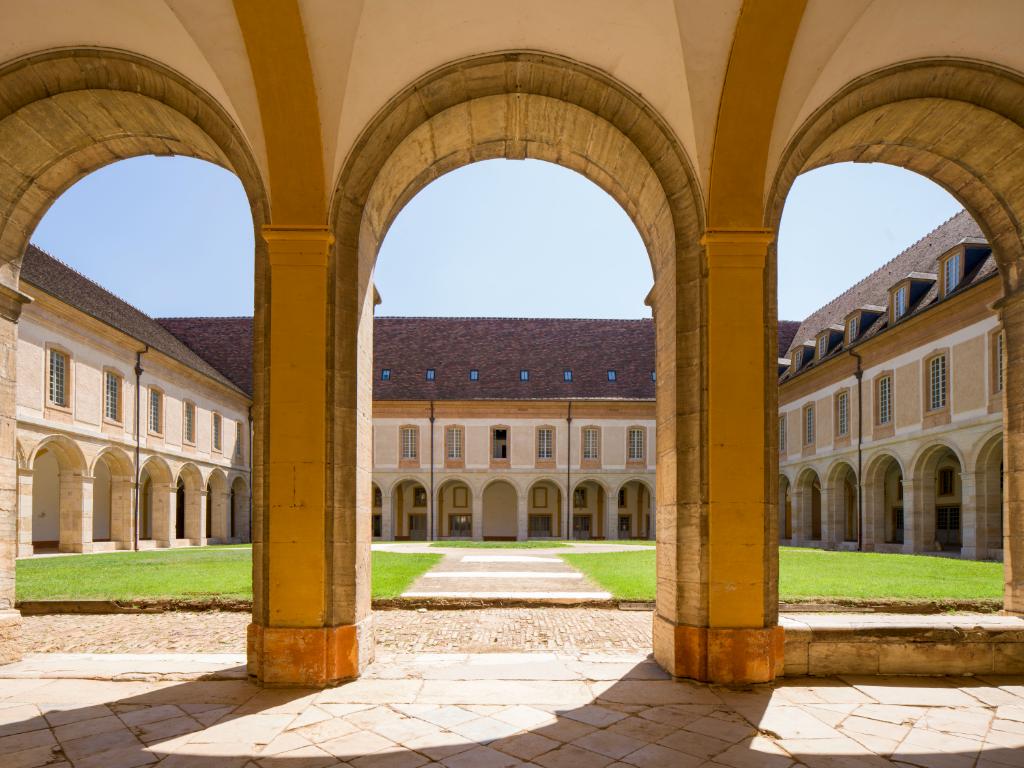
The cloister © David Bordes / Centre des monuments nationaux
Opening hours:
From July 1st to August 31st – 9:30 am – 7:00 pm
From September 1st to 30th – 9:30 am – 6:00 pm
From October 1st to March 31st – 9:30 am – 5:00 pm
Last access 45 minutes before closing.
For more information, visit www.cluny-abbaye.fr
Lead photo credit : Abbaye de Cluny, tour des Fromages et clochers de l'abbatiale et de l'église Notre-Dame © Patrick Tournebœuf - Tendance floue / Centre des monuments nationaux
REPLY