
How Forgotten French Regions are Reclaiming their Lavender Fragrance Heritage
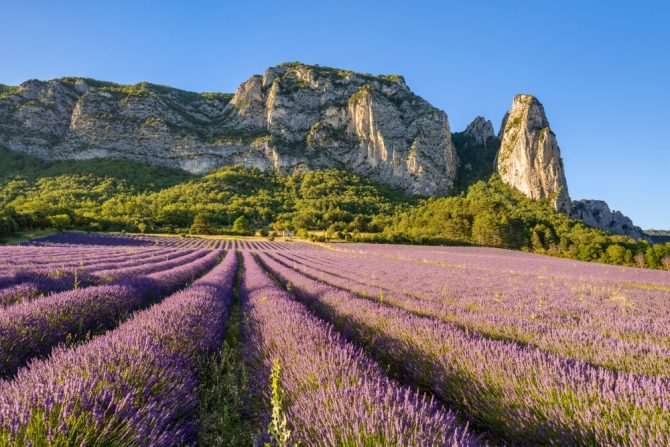
While prominent lavender-growing areas such as Provence and Grasse have usually received much of the spotlight, lesser-known places like the Drôme Provençale and Ardèche are wrongly overlooked.
However, these quieter, less-visited regions are going through a subtle, but rapid change, reclaiming their own rich and unique lavender fragrance heritage.
Steam distillation and aromatic integrity
While initial large-scale lavender cultivation in the Ardèche gathered pace in the 20th century, the plant has always grown on the Plateau des Gras. Once a household staple for perfume, rituals and medicine, monks and herbalists have gathered it for centuries from the sloping hills and plains of the Ardèche.
The region has about 20 lavender varieties, however, three stand out in particular: broad-leaved lavender, lavandin and fine lavender, with the Ardèche Blue variety being especially renowned for its startling blue flowers and heady fragrance.
Similarly, lavender has been grown in Drôme Provençale, Provence’s northern gateway for centuries, where it holds deep meaning.
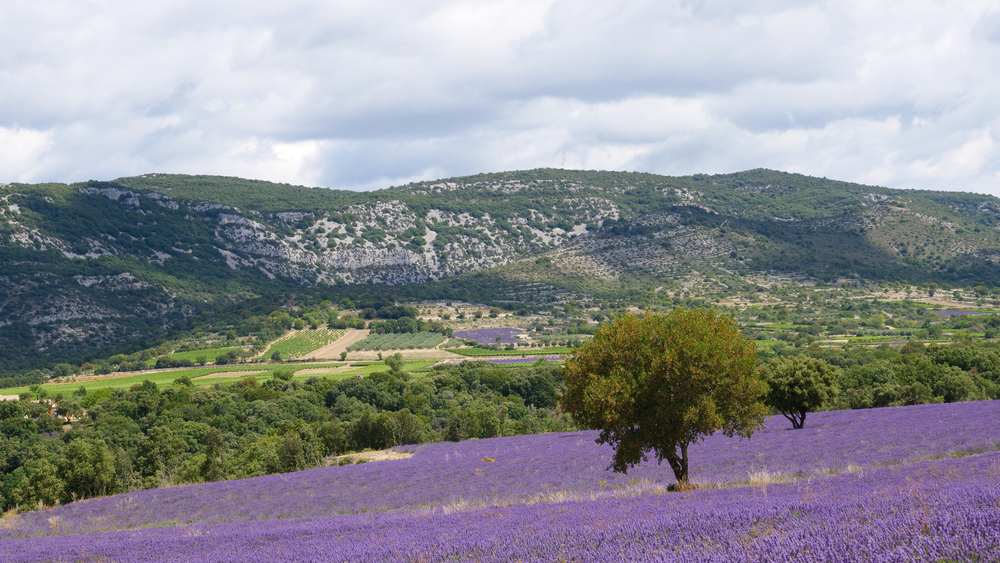
Lavender fields in the Ardèche © shutterstock
Both these regions, renowned for their unique terroir and lavender varieties, have retained their aromatic integrity through artisanal methods of extracting lavender oil, such as traditional steam distillation, which releases the essential oils through hot – but not boiling – water.
Steam distillation is widely considered a more authentic method of extracting lavender oil as it is gentler on the lavender plant, reducing exposure to boiling water. It needs precise control of variables and skilful hand-harvesting for high-quality aromatic products, emphasizing reverence for the plant and deeply nuanced fragrance profiles.
This is used by distilleries such as Maison de la Lavande, in Ardèche and Blue Provence Distillery in Drôme Provençale, among other small-scale producers and cooperatives.
Unlike Grasse and Provence, where mechanised harvesting techniques and synthetic fragrances for olfactory effects now abound, Ardèche and Drôme Provençale have preserved a more authentic and traditional way of harvesting and distillation.
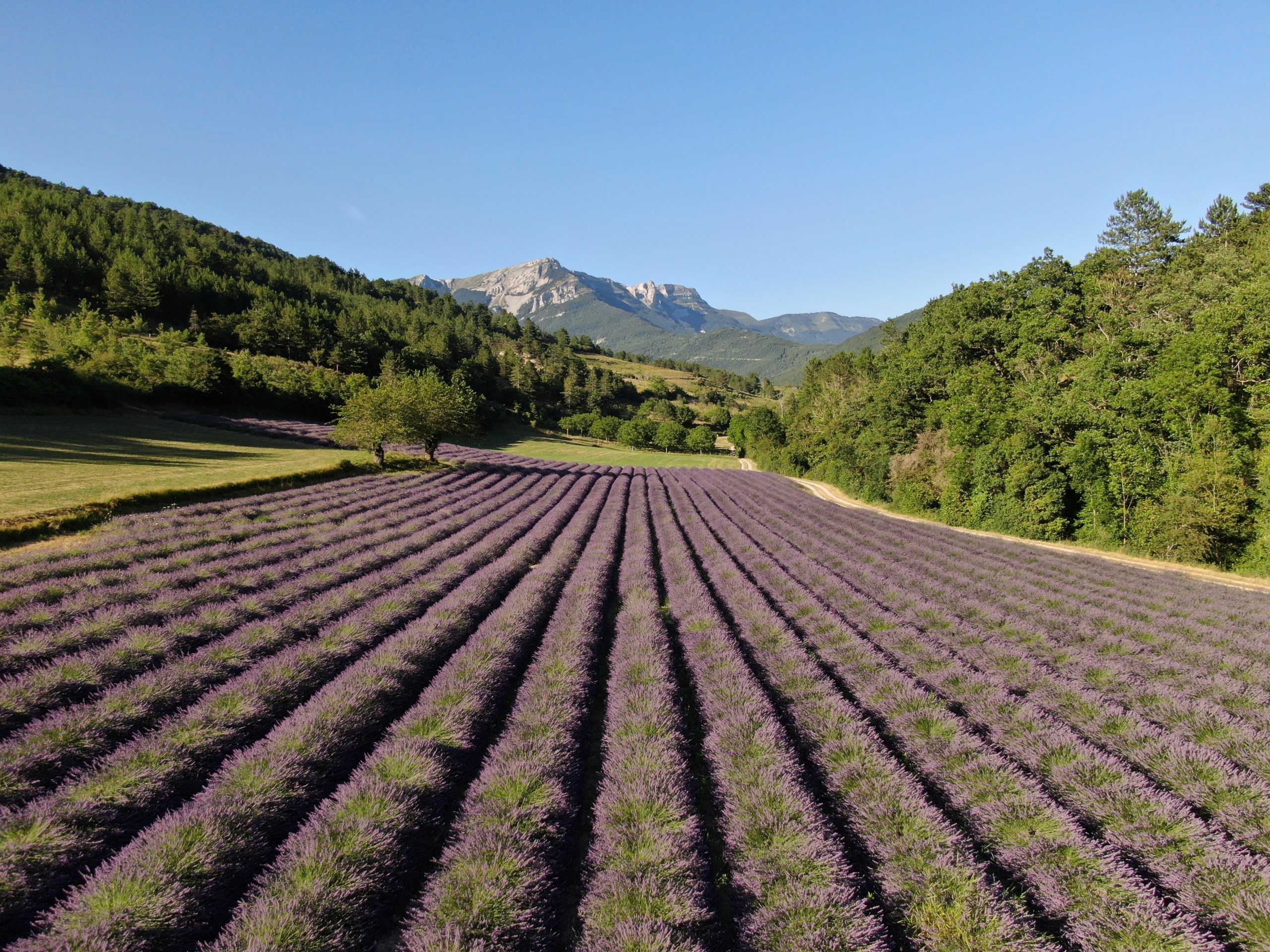
© Distillerie des 4 Vallées
Sustainability meets heritage
Currently, many small-scale producers in Ardèche and Drôme Provençale are reclaiming their fragrance heritage, while also embracing more sustainable agricultural practices. These include biodiversity protection, organic cultivation and carbon-conscious production.
More cooperative models are emerging, where communities are combining resources to keep lavender production viable.
Other methods include agroecology which uses cover crops for soil protection, as well as planting diverse native legumes and trees like sainfoin to boost soil nitrogen. Farmers also use mobile distillation units to decrease carbon footprint and rotate crops, while prioritising bee-friendly cultivation.
Many producers are part of the Green and Lavender program too, which aims to slash carbon emissions from harvesting and cultivation, while optimising the lavender lifecycle.
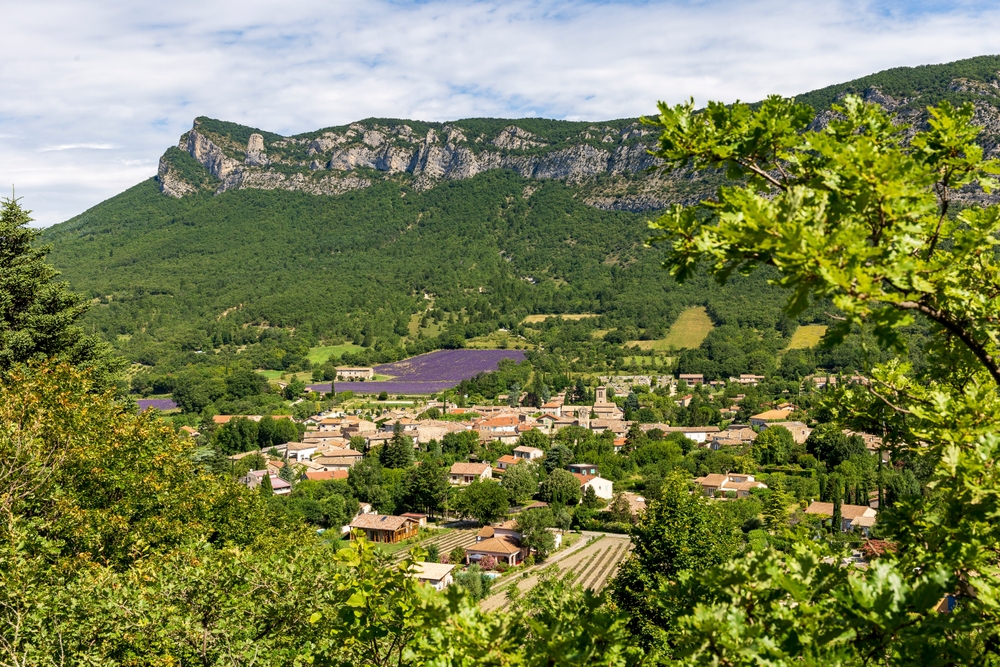
Saou, Drôme © shutterstock
Rivals to Provence and Grasse?
As consumers want more transparent supply chains and ethically and sustainably sourced ingredients, these regions are well-poised to continue growing an edge over Grasse and Provence.
Producers across Vaucluse, Alpes-de-Haute-Provence and Drôme are advocating for the landscapes of lavender culture to receive a UNESCO World Heritage status and therefore protect the “blue gold” of the area.
Both Ardèche and Drôme Provençale are focusing more on other lavender-themed products, such as alternative medicine, ice-cream, oils, cosmetics, perfumes and honey.
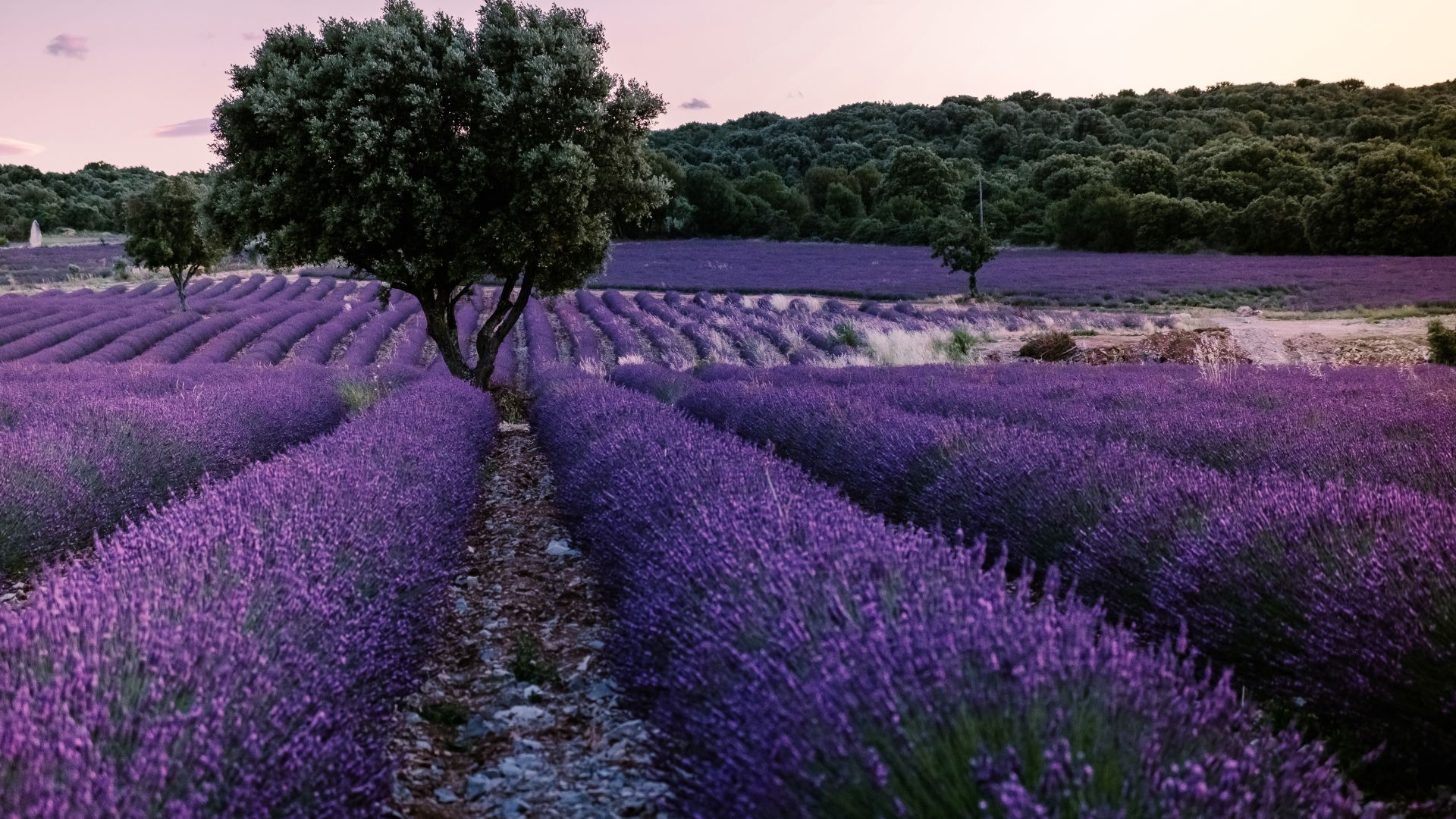
Ardeche lavender field at sunset
Cécile Aubanel, manager at the Distillerie des 4 Vallées in Chamaloc, Drôme Provençale, told France Today: “We have our own unique communication and history, different from those of the Valensole or Albion plateaux. We remain areas with a strong and committed lavender and lavandin culture.”
She added: “We view the evolution of tourism with confidence and are confident in its growth and development. Our mountain landscapes and valleys attract more and more visitors every year.”
By reclaiming their lavender heritage, these regions also hope to invest in their cultural survival and rural pride.
Lead photo credit : Lavender fields near Saou, Drôme © shutterstock
Share to: Facebook Twitter LinkedIn Email
More in lavender fields, perfume, Provence, South of France
Related Posts



Leave a reply
Your email address will not be published. Required fields are marked *