
10 Great Reasons to Visit the Biodiversity Pavilion
Sponsored
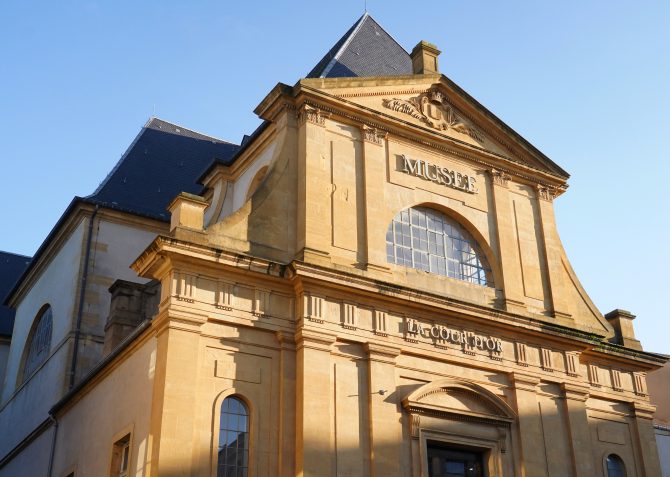
The Biodiversity Pavilion at the Musée de la Cour d’Or in Metz represents a remarkable fusion of scientific discovery and cultural heritage, offering visitors an extraordinary journey through the natural world.
1. Marvel at nature’s rarest treasures
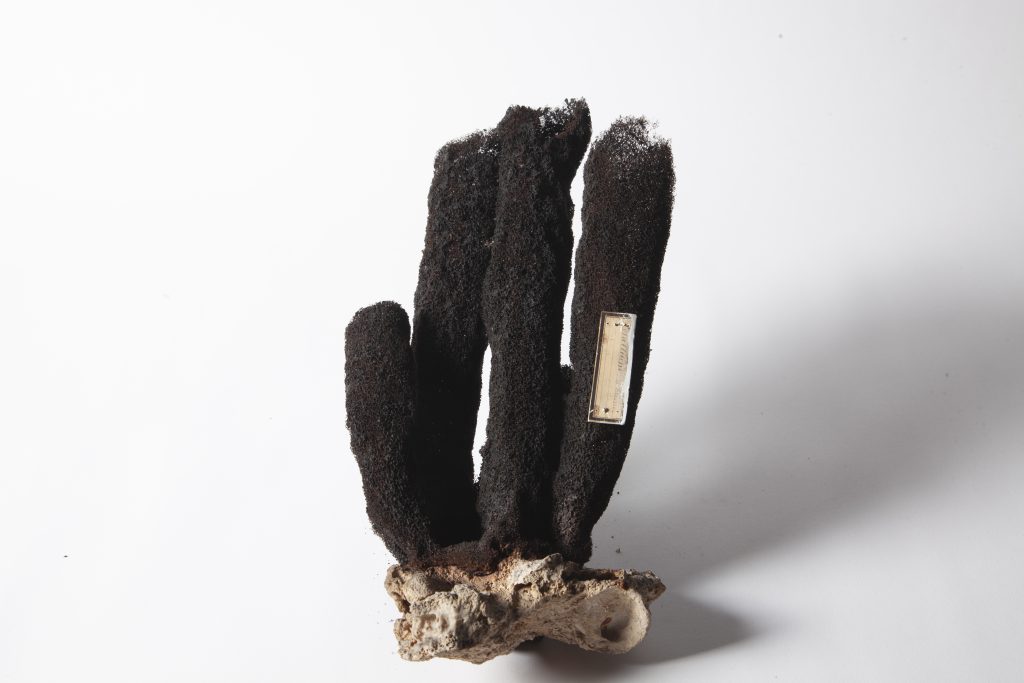
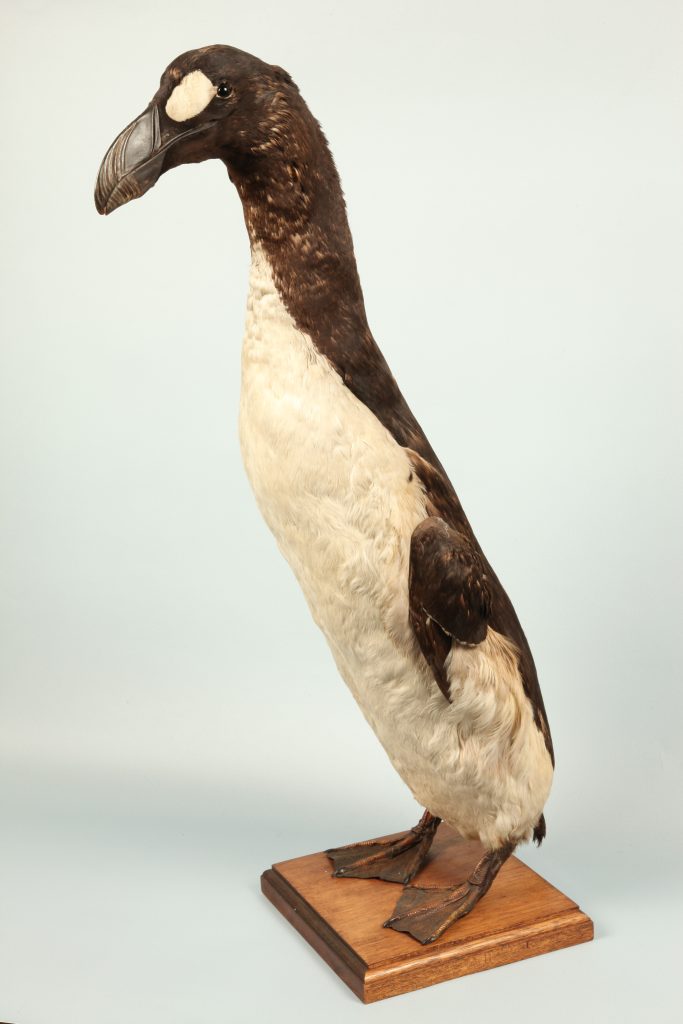
Discover an extraordinary collection of spectacular animals, astonishing plants, and extinct species that tell the remarkable story of our planet’s biodiversity. This rare and precious assemblage includes specimens such as the golden thrush and Malherbe’s parakeet, a critically endangered New Zealand endemic species. Each specimen represents a unique window into the natural world’s incredible diversity and the urgent need for conservation.
2. Immerse yourself in a journey through the living world
Experience an original and thoughtfully designed scenography that takes you on a sensory exploration of biodiversity, from its initial discovery by pioneering naturalists to modern conservation efforts. This immersive journey engages all your senses and provides a deeper understanding of the interconnectedness of life on Earth, making complex ecological concepts accessible and emotionally resonant for visitors of all ages.
3. Explore a historic collection shown to the public for the first time
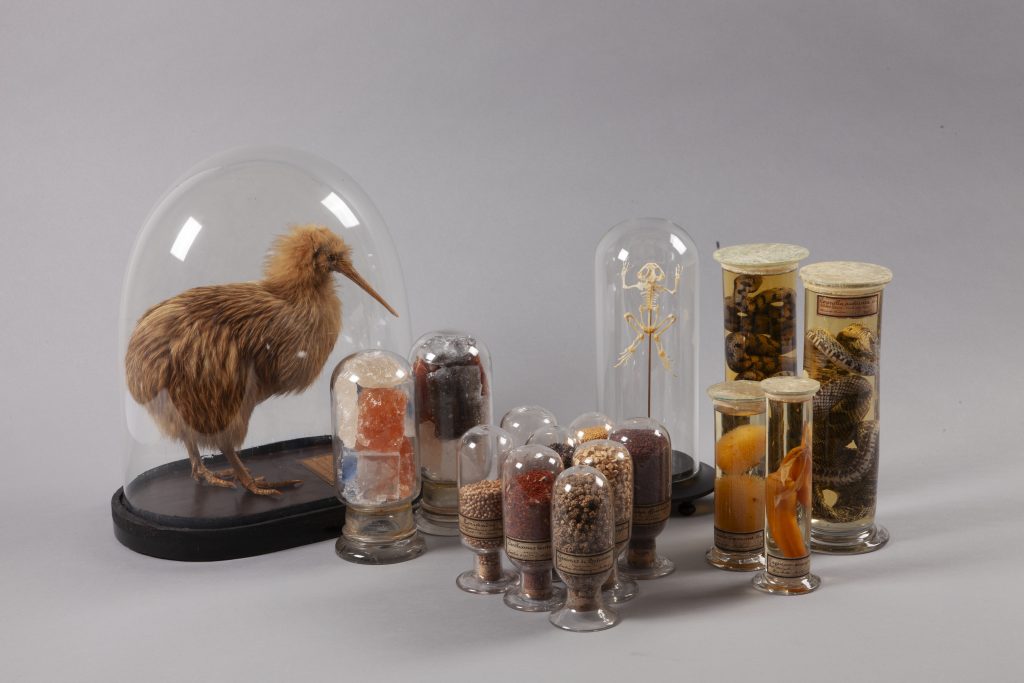
Delve into a remarkable historic collection that has been carefully preserved in storage for half a century and is now finally on display for the public. This extraordinary collection features specimens that are 200 years old, with the oldest piece of taxidermy dating back to 1788 – a testament to centuries of scientific curiosity and the dedication of countless naturalists who contributed to our understanding of the natural world.
4. Step into the shoes of a 19th-century naturalist
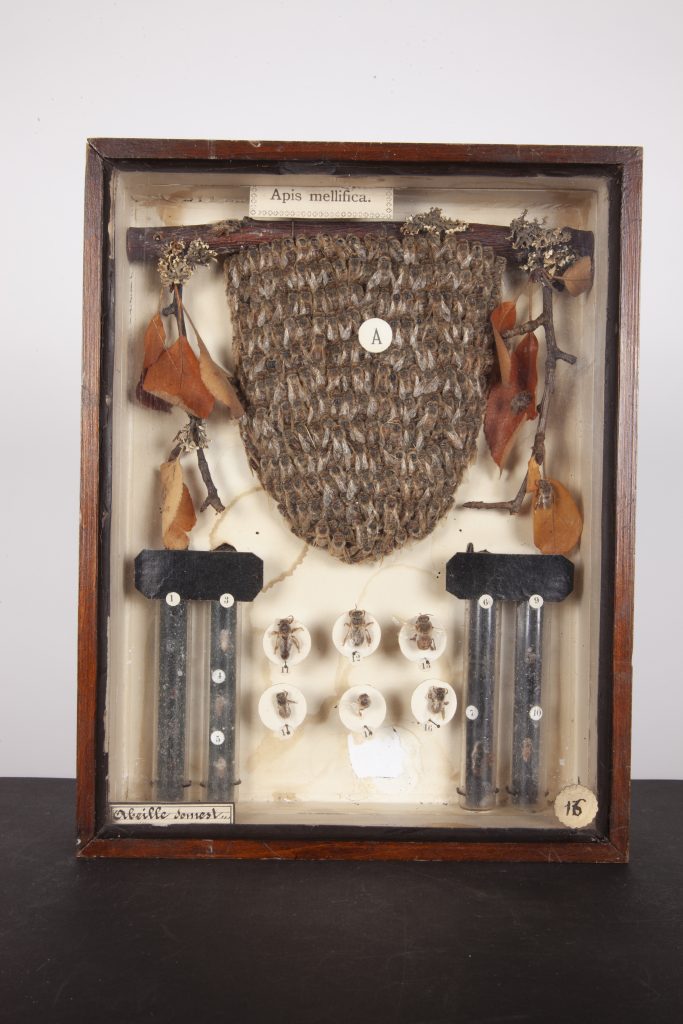
Stand before the beautifully restored Metz display cases and experience the same sense of wonder that early scientists felt when discovering the living world. These meticulously preserved Victorian-era cabinets of curiosities allow you to understand how naturalists of the past approached the study of nature, combining scientific rigour with an aesthetic appreciation that transformed museums into temples of learning and discovery.
5. Discover ancient biodiversity
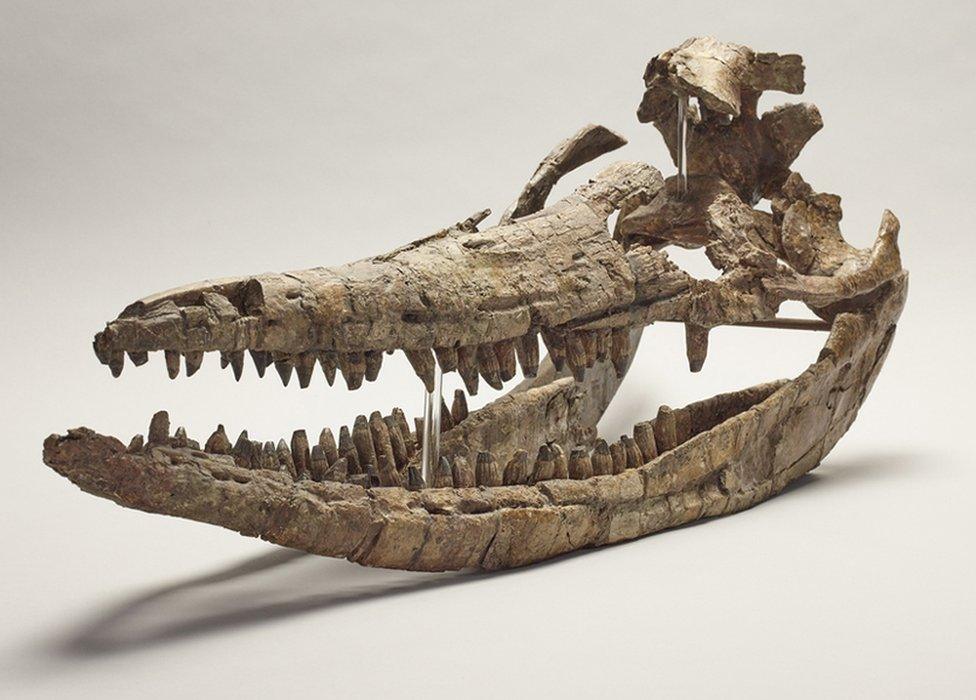
Journey back in time to encounter the giants that once roamed our planet, including mammoth fossils and ichthyosaur skulls that date back over 190 million years. These remarkable specimens provide tangible evidence of the Earth’s prehistoric past and demonstrate how life has evolved and adapted over geological time scales, offering fascinating insights into extinction events and the resilience of life itself.
6. Explore the natural richness of Lorraine
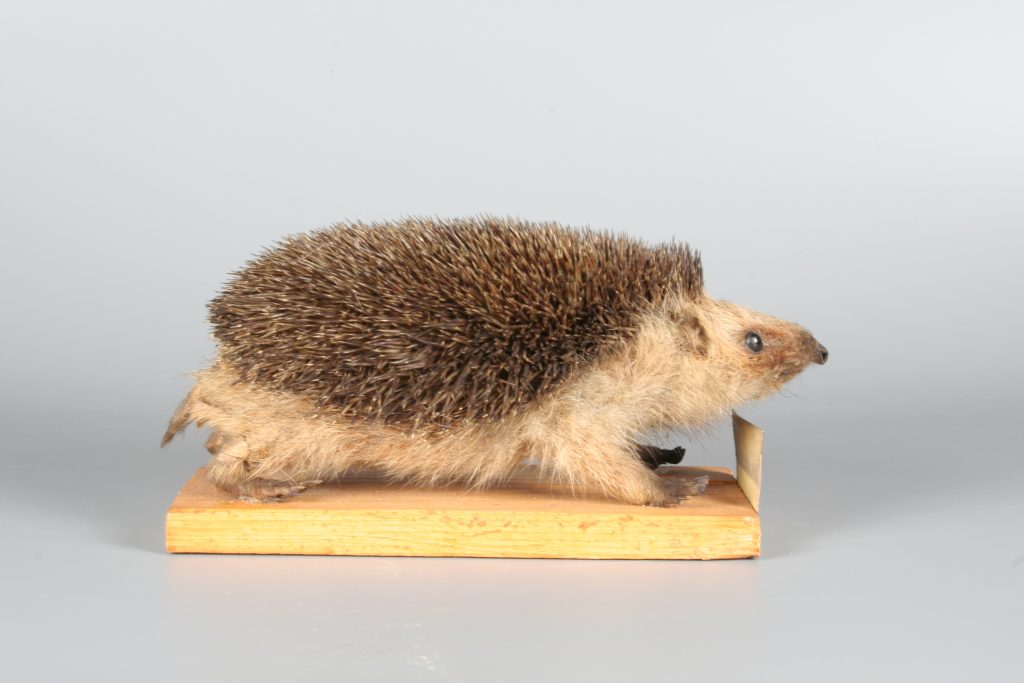
Discover eight key ecosystems of the Lorraine region, each showcasing the remarkable diversity of wild flora and fauna found in local rivers, forests, meadows, and mountains. This regional focus demonstrates that extraordinary biodiversity exists right on our doorstep, highlighting the importance of protecting local habitats and understanding how regional ecosystems contribute to global biodiversity patterns.
7. Enjoy a sensory, hands-on visit
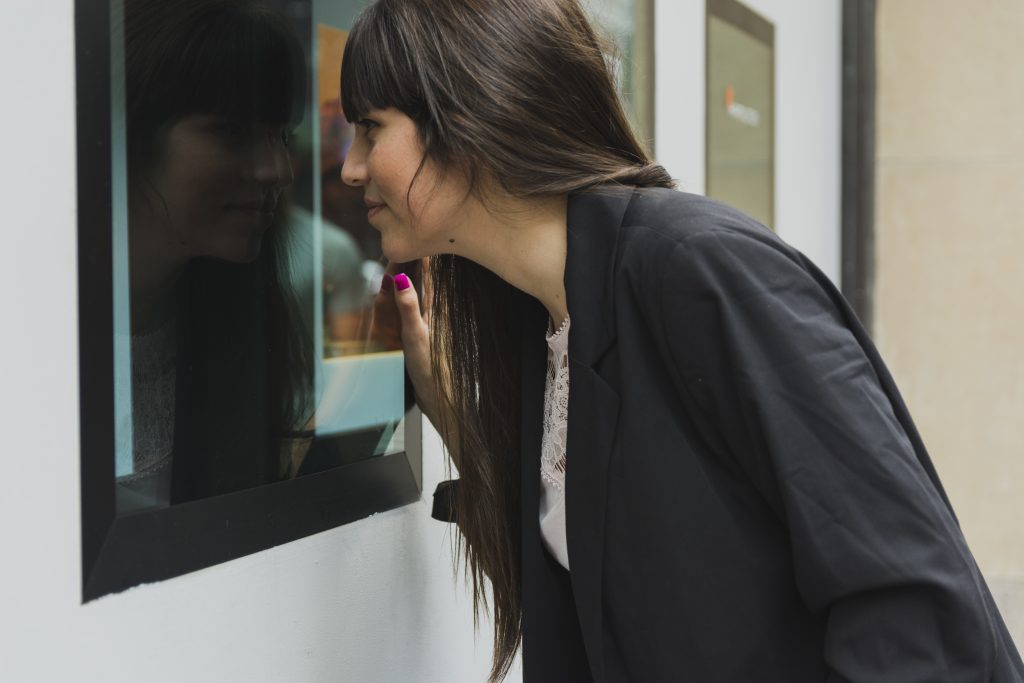
Engage with biodiversity through all your senses – see, hear, touch, smell, and interact with 61 mechanical and multimedia devices that make the visit engaging and accessible to visitors of all abilities. These interactive elements transform passive observation into active learning, ensuring that complex scientific concepts become memorable experiences that resonate long after your visit.
8. Understand everything with clarity
Access comprehensive information in French, English, and German through concise, clear, and accessible texts designed for universal understanding. This multilingual approach ensures that the wonders of biodiversity are communicated effectively to an international audience, breaking down language barriers and making scientific knowledge truly inclusive and democratically accessible.
9. Take a complimentary, self-guided tour
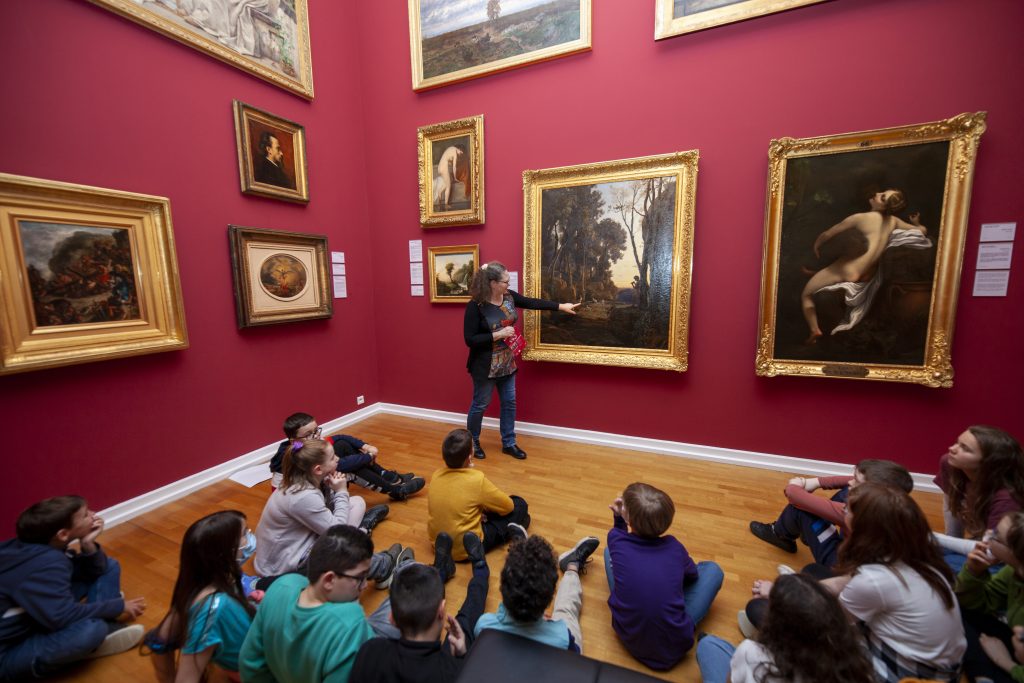
The Biodiversity Pavilion forms part of the museum’s 6,000 square metres of complimentary access space, open to all visitors throughout the year at the Musée de la Cour d’Or in Metz. This generous approach to public access ensures that learning about biodiversity is not restricted by financial constraints, making this important educational resource available to everyone in the community.
10. Extend your visit in a museum full of treasures
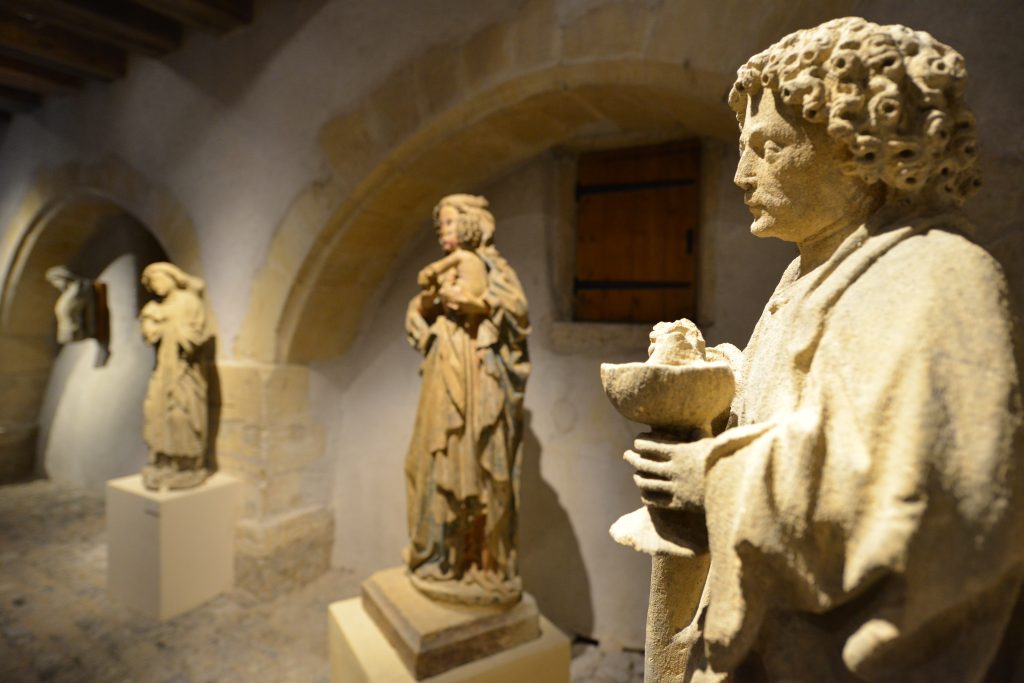
The Musée de la Cour d’Or brings together Gallo-Roman, medieval and fine art collections over more than 6,000 square metres, where biodiversity meets art in unexpected and beautiful ways. Ancient Roman baths, medieval artworks, and fine art collections create a unique cultural context that demonstrates how humans have always been fascinated by and connected to the natural world, offering a truly interdisciplinary experience that enriches understanding of both nature and culture.
From 30th August 2025, a new permanent space opens on the ground floor of the Musée de la Cour d’Or – Eurométropole de Metz: the Biodiversity Pavilion. Across 360 square metres, it invites visitors on a sensitive and immersive journey between wonders of the past and treasures of the living world. Three themes structure the visit: discover, understand, act.
The route begins with an artist’s vision and a natural history cabinet, where restored antique display cases serve as showcases for treasures of natural history. Following a definition of biodiversity, visitors grasp the global phenomenon of species extinction before diving into eight Lorraine natural environments that highlight local fauna and flora.
Nearly 400 naturalised specimens, brought out from storage since 1976, reveal the fragile beauty of our environment. Mammals, insects, fossils, plants and corals become messengers of a living heritage. Through poetic, immersive and multisensory scenography combining sounds, images and materials, the Pavilion awakens the senses as much as the conscience.
Lead photo credit : ©Ville de Metz & Eurométropole de Metz
Share to: Facebook Twitter LinkedIn Email
More in Biodiversity, history, museum
Related Posts

Leave a reply
Your email address will not be published. Required fields are marked *