
France’s Premier Brandy

On the Atlantic coast, Dominic Rippon discovers what makes Cognac France’s premier brandy.
It is hard to overstate Cognac’s dominance of the global trade in brandy. Its vineyards cover more than 86,000 hectares, dwarfing those of Armagnac, the only other French grape spirit that comes even close to Cognac’s renown. And while Armagnac producers are typically artisanal affairs, Cognac’s giant houses of Hennessy, Courvoisier and Martell rival the fame of Champagne’s grandes marques. An incredible 97% of all Cognac is enjoyed beyond France’s shores.
Most of Cognac’s vineyards are located in the départements of Charente and Charente-Maritime, where cool sea breezes and plentiful rain create ideal conditions for ripening the white Ugni Blanc grape. The base wines are low in alcohol and high in acidity: a perfect combination for distillation, which is carried out twice in copper pot stills, giving a smooth, delicately flavoured spirit.
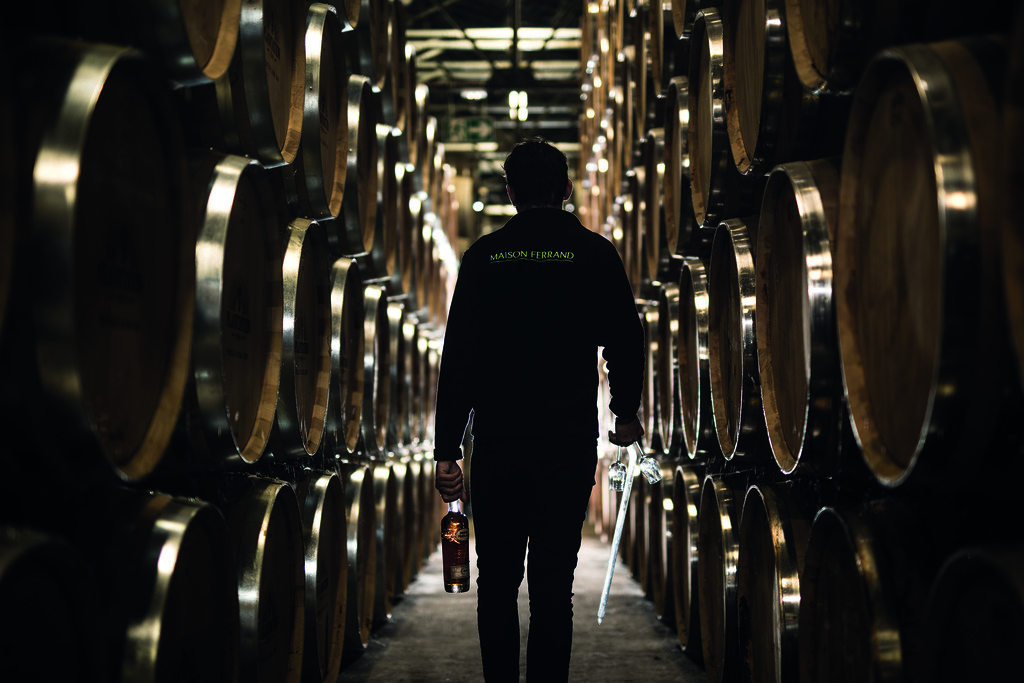
Cognac’s classification
The Cognac appellation is sub-divided into six different cru areas. At the heart of Cognac, Grande Champagne is known as Cognac’s premier cru, and gets its name from rolling chalk hills, similar to those in Champagne, which give robust, elegant spirits that benefit from years in barrel.
The (confusingly) larger Petite Champagne area is flatter but shares similar chalky soils, making finely-etched, floral cognacs. The term Fine Champagne refers to a blend of the two Champagne crus that contains at least 50% of Grande Champagne. The tiny cru of Borderies, to the north, makes violet-scented cognacs with rich, nutty flavours.
Much larger is the Fins Bois cru, which surrounds the previous three, making rounded, supple cognacs; and is itself surrounded by Bons Bois, which produces faster-ageing brandies from sandier soils. Finally, Bois Ordinaires, near the coast, produces lighter spirits from vineyards surrounding La Rochelle and on the beautiful Île de Ré and Île d’Oléron.
Cognac must be aged for at least two years in oak from the Limousin or Tronçais forests, earning it the name VS (Very Special). This is Cognac’s entry level, which reinvented itself after Cognac’s global sales slump in 1998, as the world’s favourite cocktail fuel. Cognacs that are aged for at least four years are called VSOP (Very Special Old Pale) and XO (Extra Old) cognacs must be aged for at least ten years. These are among the world’s finest brandies: best savoured with hard cheeses, rich desserts or in front of a roaring fire.
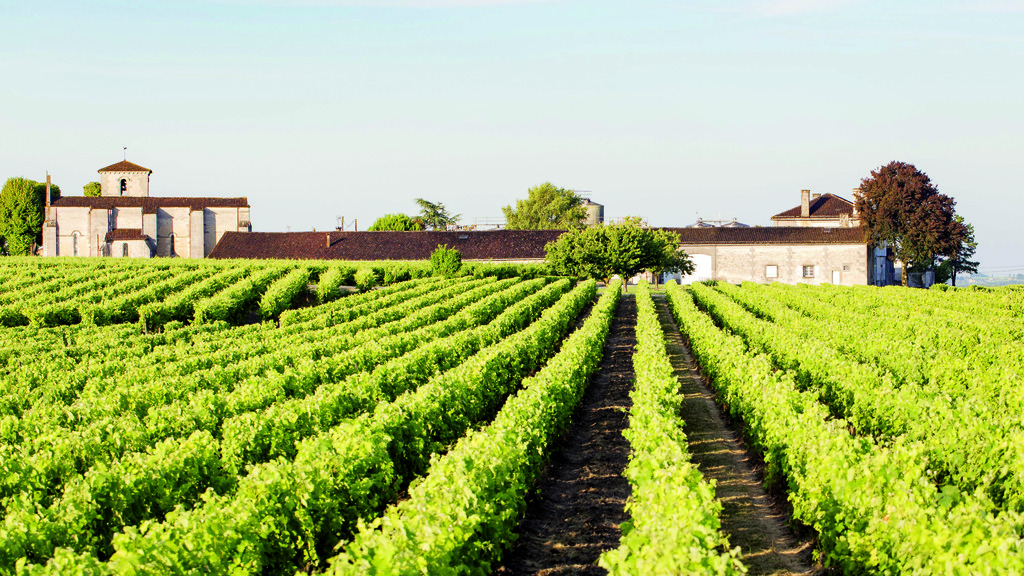
Vineyards and Angeac Distillery
DOMINIC’S CHOICE
Choice wine: Cognac Petite Champagne Louis Vallet ‘L50’
Choice wine: Cognac Grande Champagne ‘Sélection des Anges’
Choice wine: Cognac Grande Champagne ‘Noces d’Or’
From France Today Magazine
Lead photo credit : © MAISON HARDY, MAISON FERRAND
Share to: Facebook Twitter LinkedIn Email
More in cognac, french spirits
Related Posts
Leave a reply
Your email address will not be published. Required fields are marked *