
Montmartre versus Le Marais – who does Paris better?

Montmartre has the Sacré Coeur, cinematic charm and cobbled chaos; Le Marais has medieval streets, bobo bistros and boutique galleries. Which Parisian village truly wins your heart?
As Audrey Hepburn never quite said, “Paris is always a good idea.” But after you’ve mooned over Monet and the Mona Lisa, which quartier captures your heart? Rather than the ceremonial centre, the heart-stealer tends to be a quirkier district. In the game of Parisian monopoly, longtime fans often pit Montmartre against the Marais, comparing the charms of these cultural heavyweights.
Speaking as a past Paris resident (and estate agent manqué) I relish putting these rivals to the test. Can cinematic Montmartre triumph over the supremely cultured Marais? From boutique beds and offbeat food tours to soulful bars and beguiling museums, which places pass the “best of the best” test?
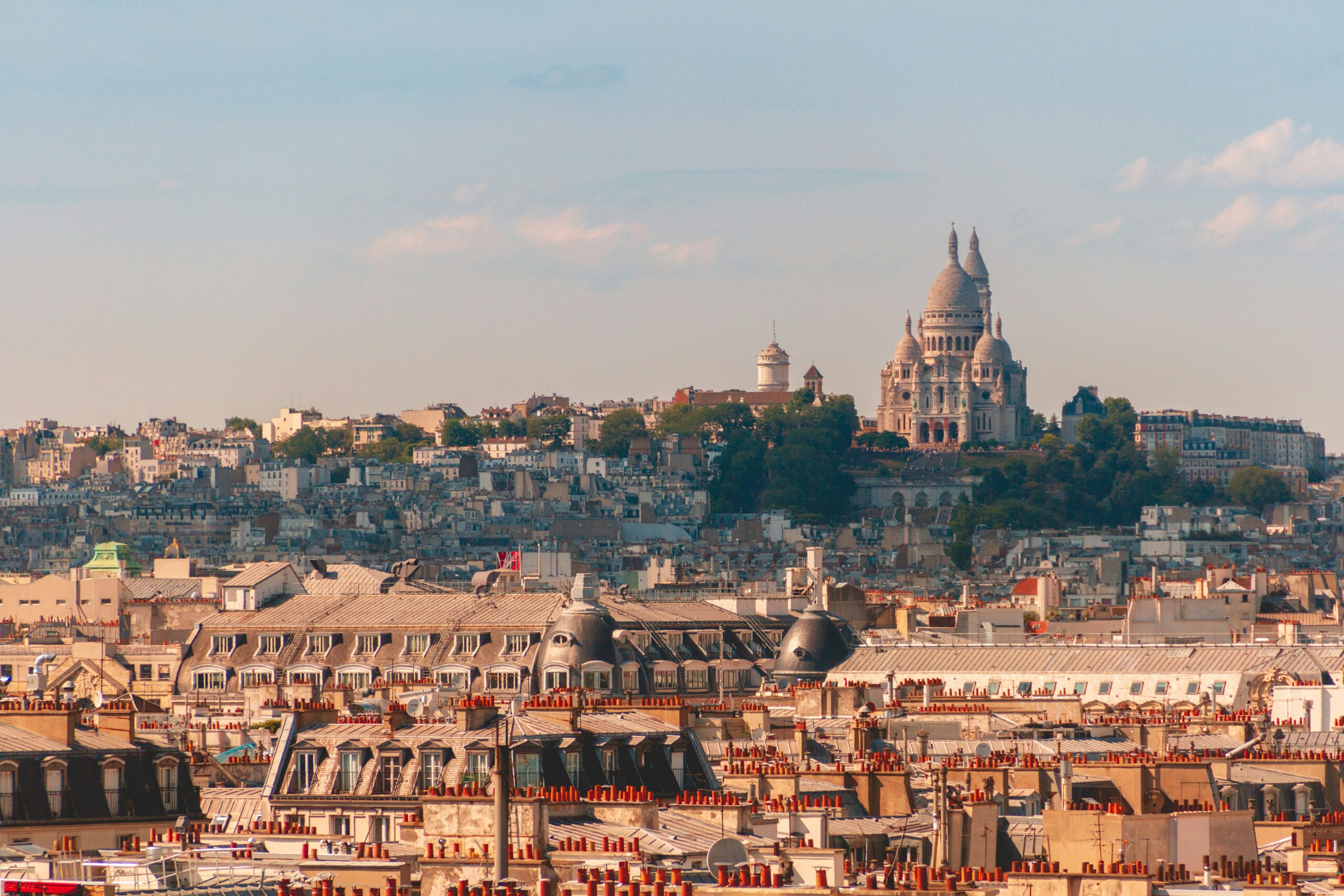
Paris IS always a good idea © Henrique Ferreira / Unsplash
Cinematic Montmartre vs culture-vulture Marais
As Paris’ best-known village, Montmartre believes it has a monopoly on bohemianism and cinematic romance. To its critics in the Marais, the Montmartre hilltop, dominated by the Sacré Coeur, and plagued by pickpockets, is a crowded tourist trap, despite the dreamy alleyways beyond.
But Montmartre is far more than that and transcends any tackiness. Unlike the gallery-studded Marais, Montmartre can boast that the greatest artists lived on the hill not “in the marshes,” today’s trendy Marais. Around the slopes, the bucolic charm, cabaret culture and cosy brasseries survive.
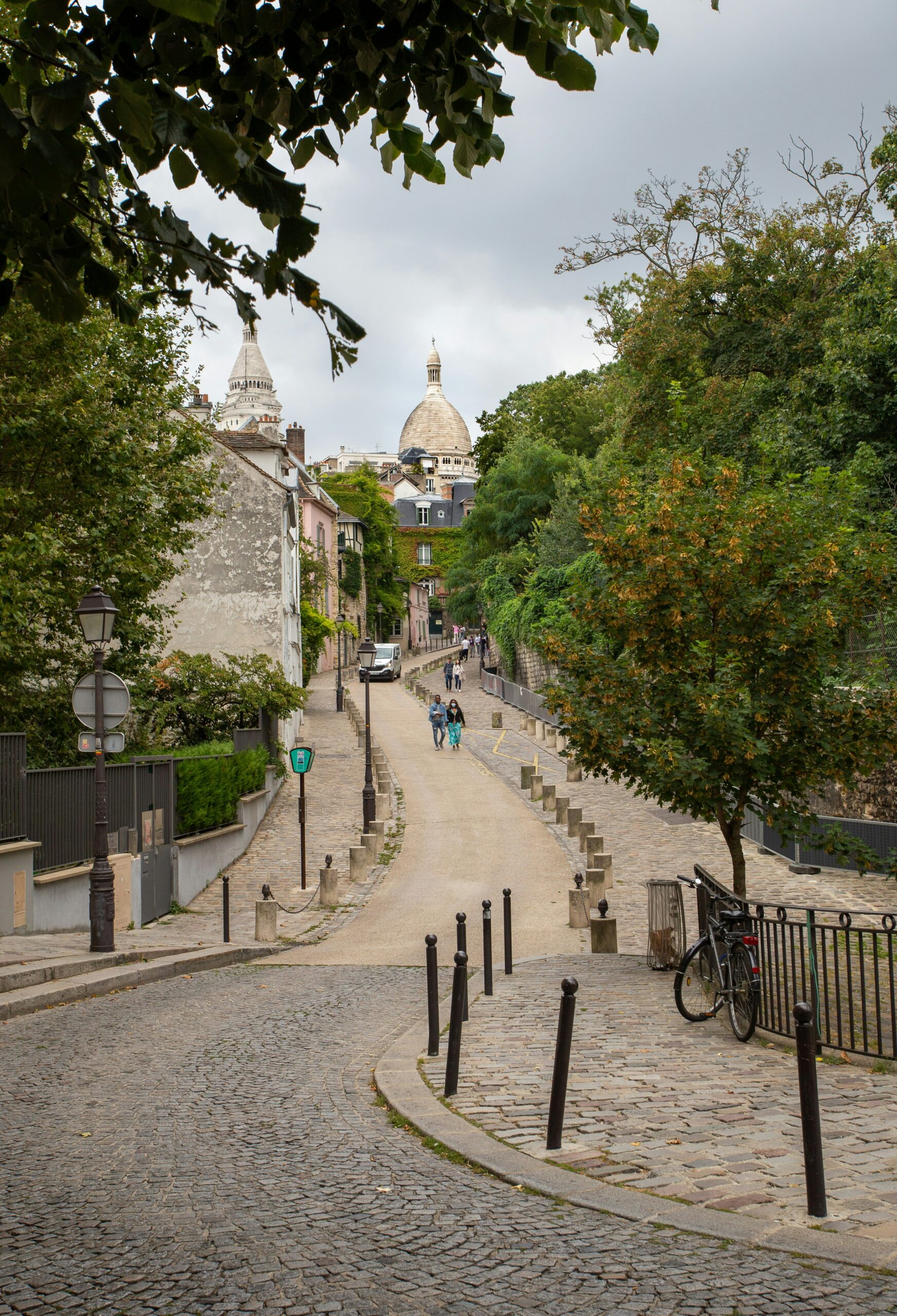
Montmartre often feels like a film set © Andrea Garcia / Unsplash
The Marais is proud of its arty spirit, designer genes, hipster bars and boutique hotels. Much of its charm lies in its medieval layout, a patchwork of narrow streets dotted with perfumeries and patisseries, galleries and indie boutiques. The villagey district also proclaims its diversity, with its thriving gay and Jewish communities. Unlike in Montmartre, bohemianism is measured, and more about mindset than budget.
Despite being devoted museum-lovers, these Parisian intellectuals are also keen foodies, addicted to both street-food and bistronomique cuisine, an intellectual term for fine bistro fare. This gentrified area is popular with bobos (“bourgeois bohemians”), so there’s rarely a shortage of vegan matcha latte before museum-visits beckon. But if you want a simple café au lait in the courtyard of a ravishing mansion — traditional Marais also awaits.
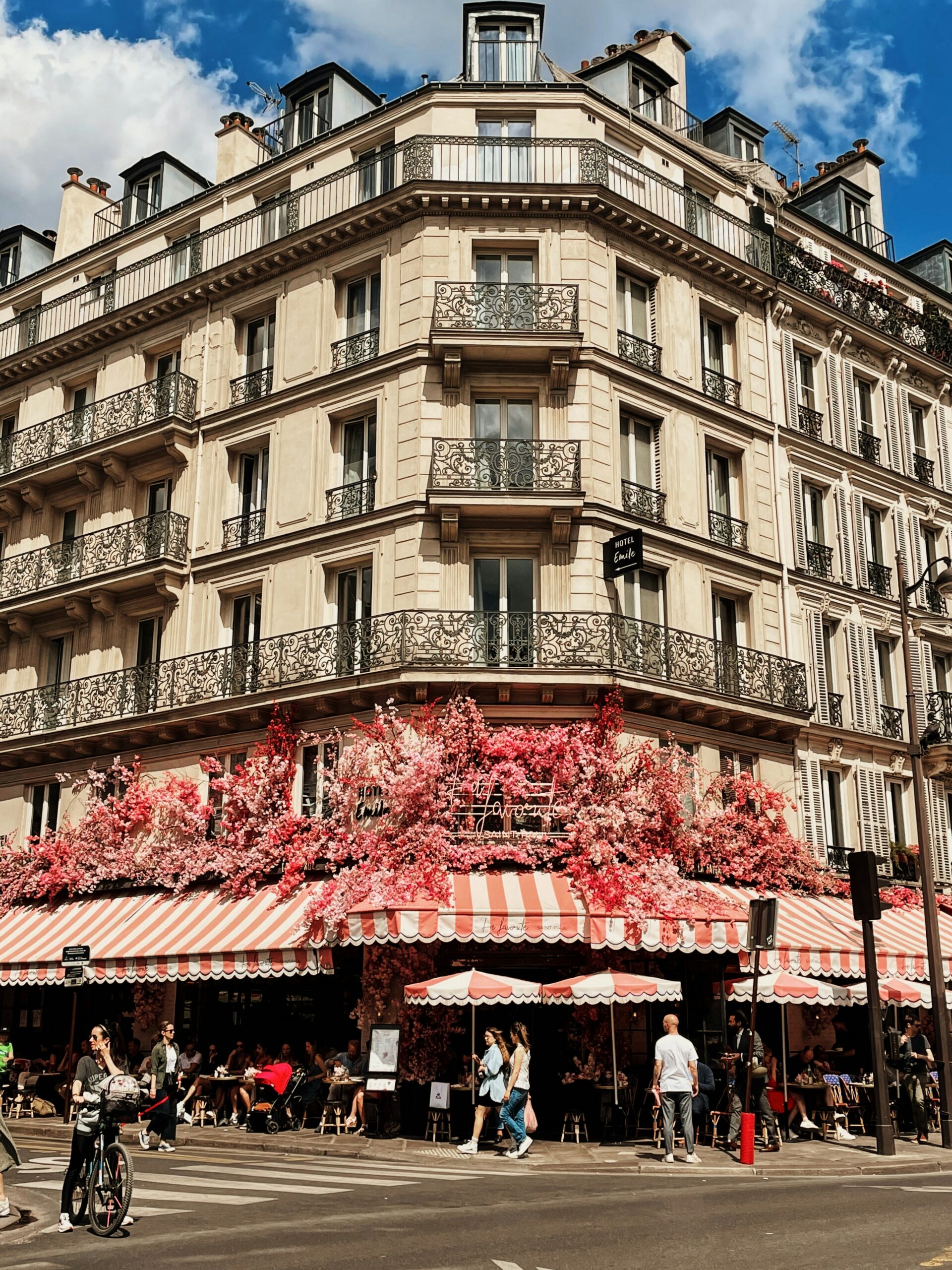
Le Marais’ arty spirit is beguiling © Nella / Unsplash
So, let the battle commence.
What makes Montmartre magical?
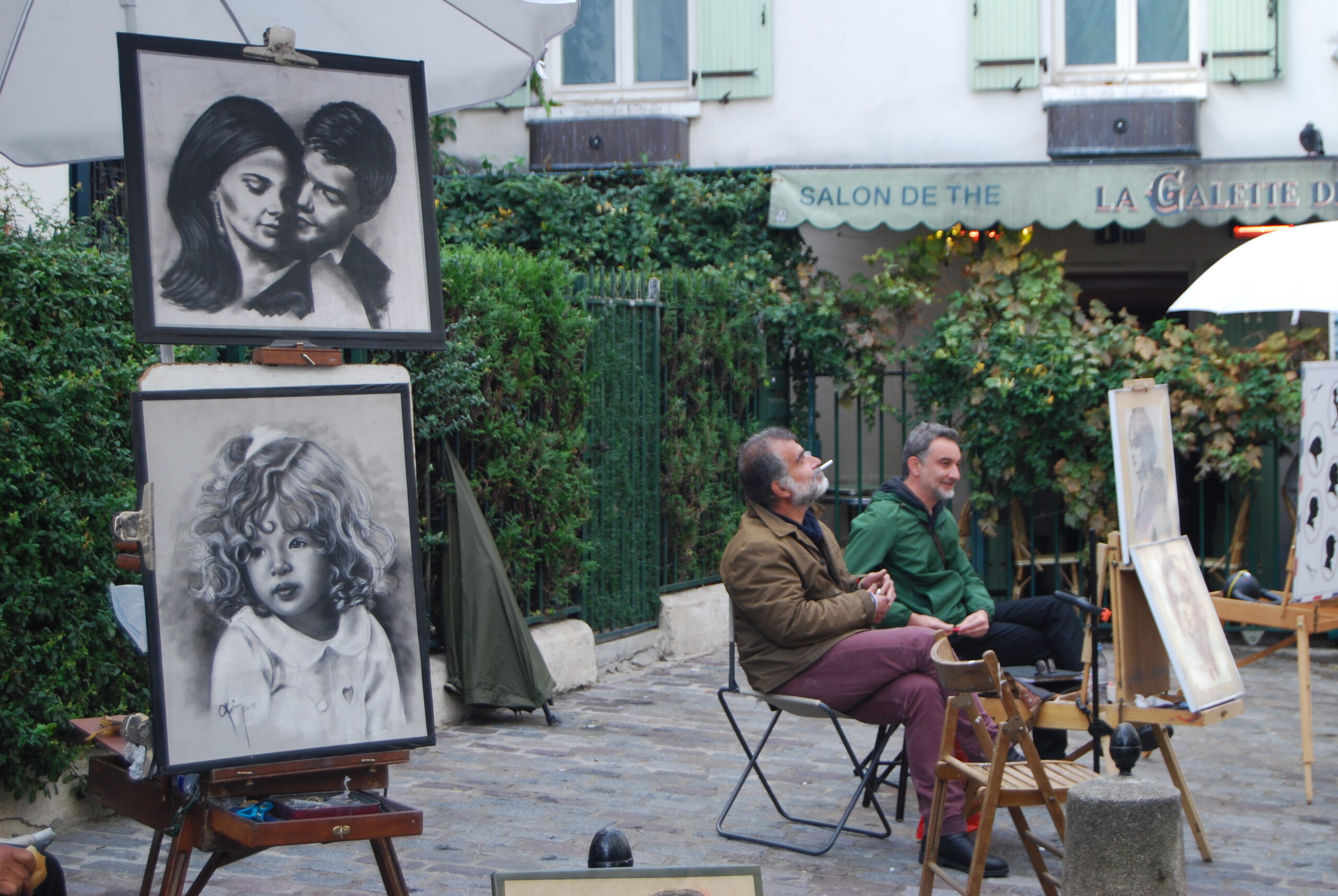
Perched on the loftiest hill in Paris, spirited Montmartre still has an artist’s soul buried beneath the tourist traps. The talented caricaturists sketching on Place du Tertre may make you look charmingly grotesque but it’s a portrait you will treasure 20 years later.
Film buffs are often fans of Emily in Paris so seek out Emily’s favourite haunts, such as sugary-sweet La Maison Rose or Amélie’s everyday Café des Deux Moulins.
Film haunts aside, the surrounding streets are studded with foodie treats, with specialist shops for cheese, oysters, gourmet chocolate and Insta-worthy macaroons. Steep rue Lepic acts as an hors d’oeuvre to foodie Montmartre, with its bakeries, pastry shops and array of fish and fresh fruit.
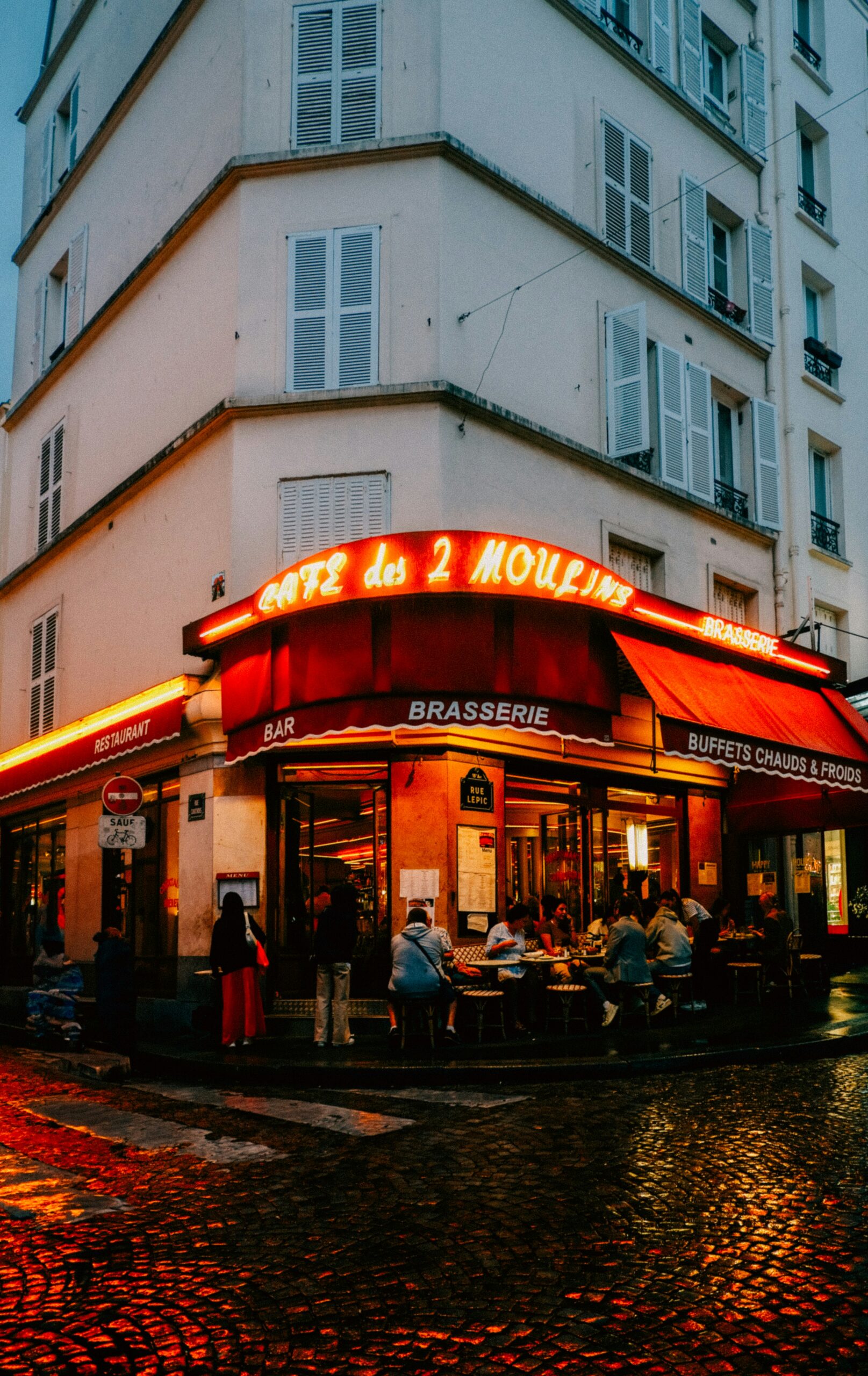
Walk in Amélie’s footsteps at the Café des Deux Moulins, Montmatre © Tuna Ekici / Unsplash
Quirky museumland
For heritage hounds, the Musée de Montmartre is dedicated to the bohemian history of the ‘hood’ and recreates Renoir’s gardens as they were when the painter was in residence. Lap up the former studios before lunch in the equally arty café and bucolic views of Montmartre’s sole surviving vineyard.
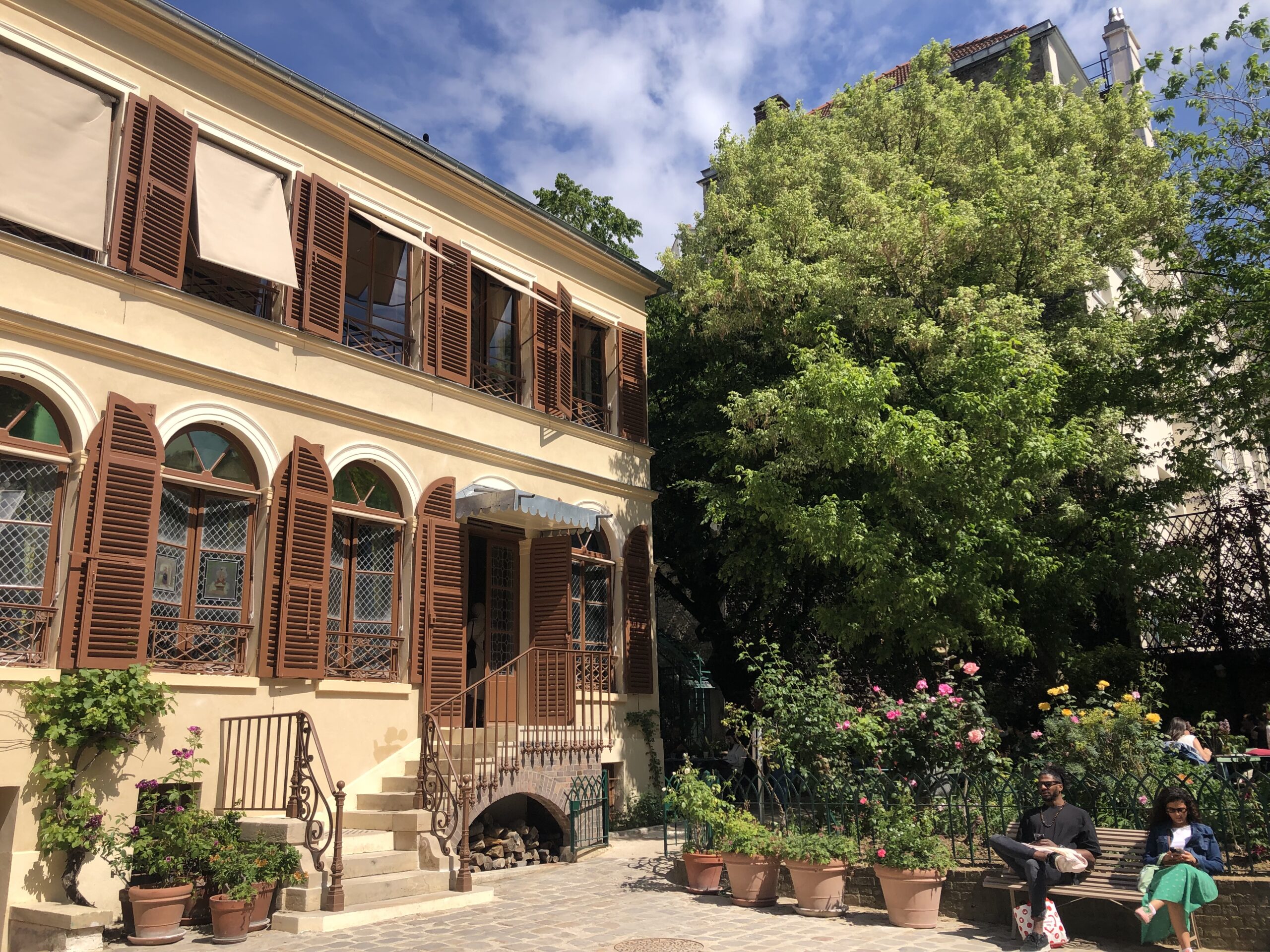
The Musée de la Vie Romantique is set in a bucolic spot at the foot of Montmartre, technically in Pigalle, and carries all the charm of a country inn. Lined with period portraits, the newly-renovated museum is an amble through lesser-known Romantic art. It feels like a family home, which it was, while also hosting George Sand and Frédéric Chopin at literary salons here. Nibble a lemon drizzle cake in the café garden and marvel at the gentrification of Pigalle. The area has gradually been taken over by creative “bobos” and rebranded as ”SoPi” – South Pigalle.
Picturesque café life
On rue de l’Abreuvoir, drink in La Maison Rose, the pretty-in-pink café once popular with artists and intellectuals, from Picasso to Camus. Below ivy-clad walls we can conjure up Albert Camus discussing the meaning of life over coffee. Even so, thanks, once again, to Emily in Paris, the picturesque spot is now the preserve of influencers and Instagrammers in thrall to brunch in Emily’s favourite café. Yet filmic memories will fade and Montmartre will reclaim its role as a backdrop to fresh romantic encounters.
Artists ranging from Cézanne and Sisley to Renoir and Van Gogh were drawn to the bohemian mood, airy studios and affordable rents, supposedly sometimes paying in kind with a painting. The Moulin de la Galette was converted into a guinguette, an open-air tavern made for merriment and galettes (buckwheat pancakes) washed down with Montmartre wine. The scene is immortalised in Renoir’s Le Bal du Moulin de la Galette, with Van Gogh similarly inspired by the taverns. While resident there in the 1880s, the Dutch painter was happily led astray by absinthe-glugging Toulouse Lautrec.
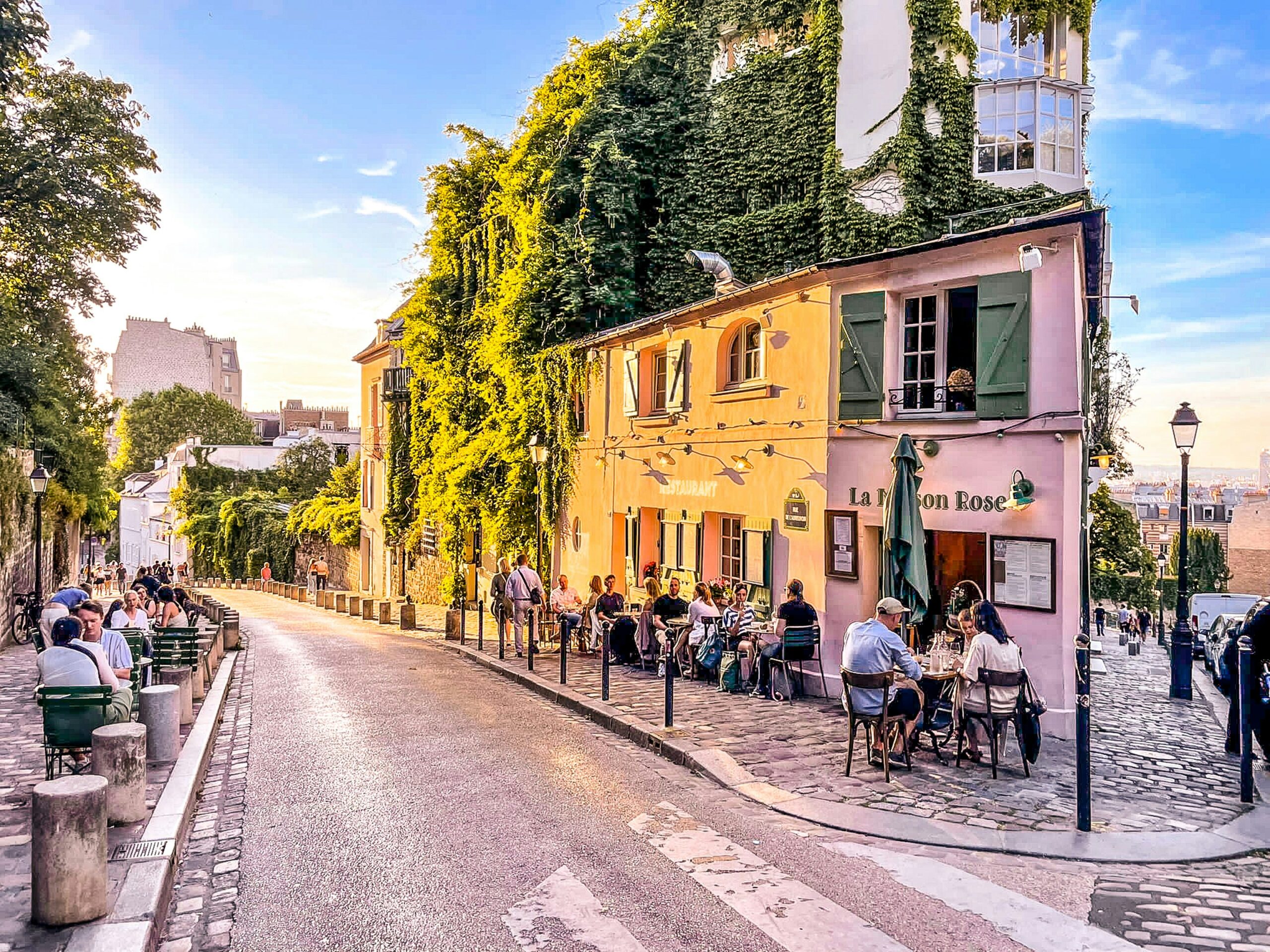
La Maison Rose in Montmartre © Joana Guarda
Eclectic food scene
Beyond people-watching, avoid Place du Tertre and focus on a foodie walking tour with Eating Europe, which may leave you too full for dinner. Over a savoury galette, we learn of the link between pancakes and the former mills that has shaped Montmartre today.
The tasting tour also takes in oyster-shucking and wine-tasting, from pain au chocolat to paté en croute. In L’Ecaille we sample oysters with a crisp Muscadet while in Le St Jean we feast on sausage and aligot, the gooiest cheesy mash. The sweet-toothed succumb to death-by-chocolate chez celebrity chef Alain Ducasse followed by rose and pistachio-scented macaroons at Pierre Hermé, dubbed the Picasso of Pastry. The melt-in-the-mouth macaroons are best devoured on the lofty steps of Sacré Coeur, combining sunset with the only view that could match the macaroons.
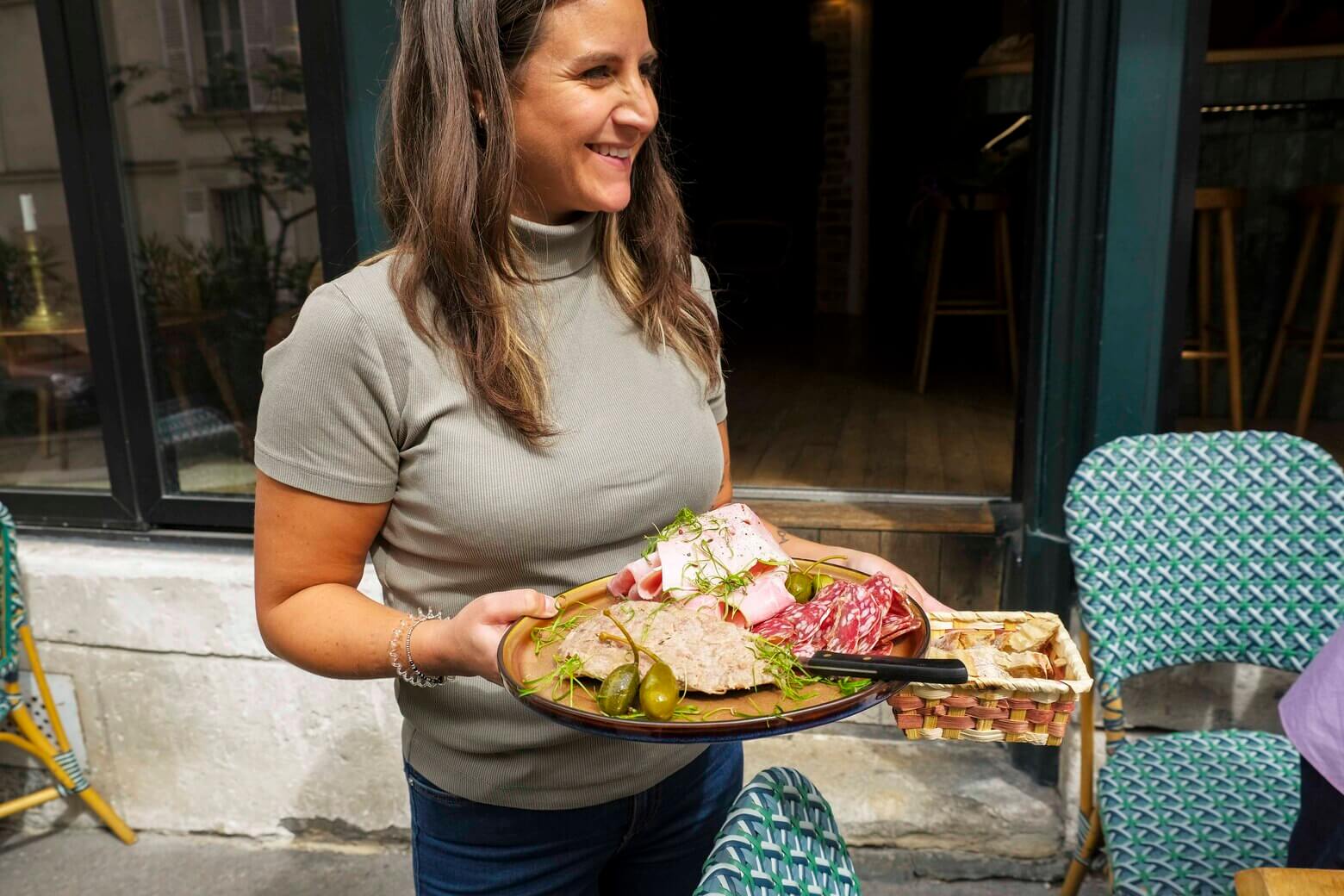
Montmartre Food & Wine Tour © Eating Europe
Boho nightlife
From the Moulin Rouge onwards, the nightlife scene has long been naughty but nice. Blanche metro delivers innocents into the arms of the red windmill’s notorious cancan girls. The dancers were known for “high-kicking legs as flexible as their morals” but now it’s all about fun and frivolity.
Up the hill, Le Lapin Agile, the city’s oldest cabaret bar, was a haunt for struggling musicians, poets and artists, such as Picasso. Still today it champions “unplugged” French chanson, including Edith Piaf tributes in honour of the popular singer who performed here in the 1930s.
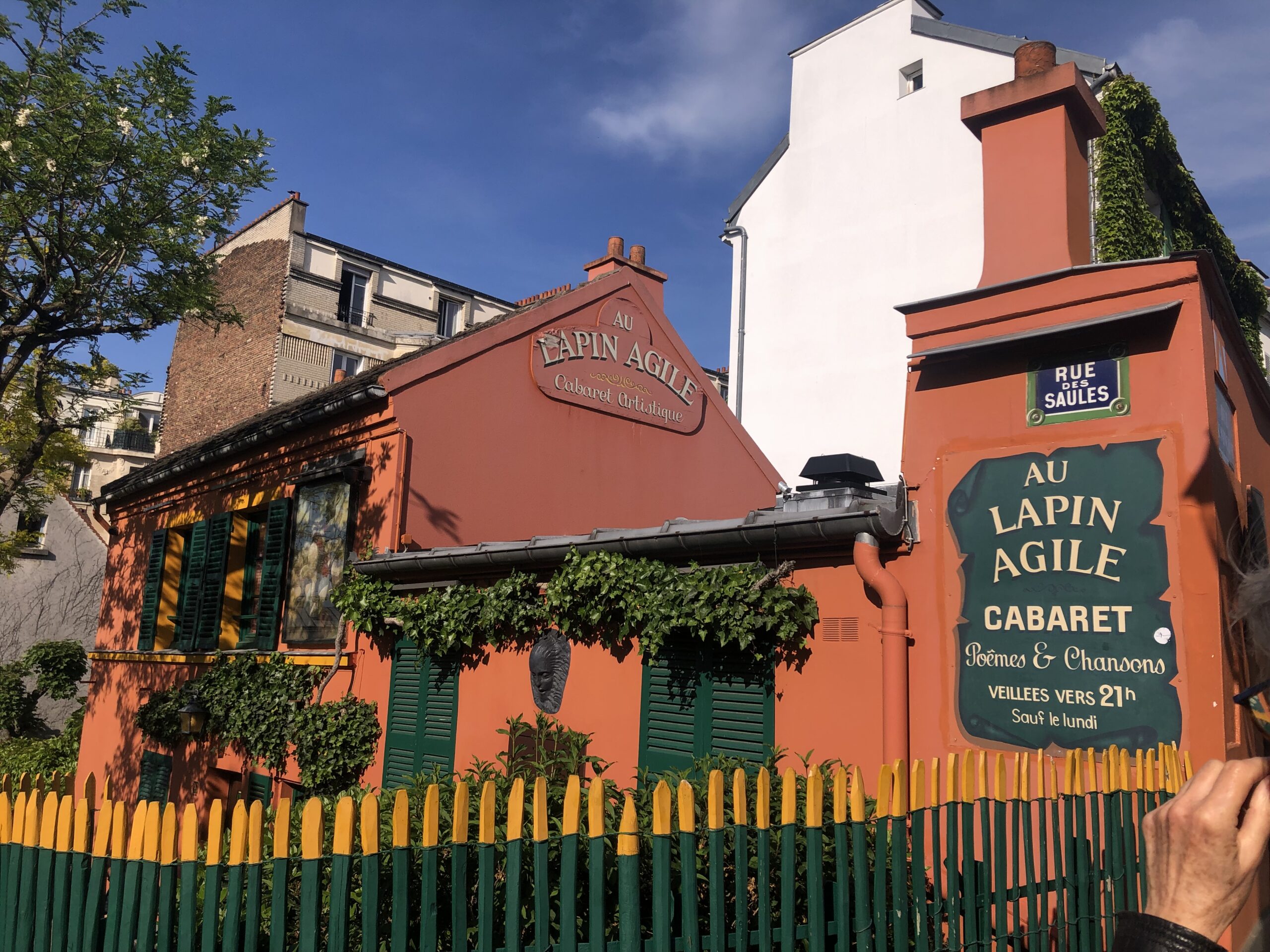
Framing the quaint cabaret club is Montmartre’s vineyard. The wine was once mocked as a diuretic (“drink a pint and piss two”) and might not win awards but Le Clos de Montmartre revels in its folklore. Originally planted by 12th-century nuns from the local abbey, Le Clos is a remnant of Old Montmartre, when the vine-covered slopes drew roistering crowds to its café-cabarets and guinguettes. Nowadays, the wildly popular October wine harvest combines vineyard visits and tastings with live music and even a wine-fuelled night run through the neighbourhood.
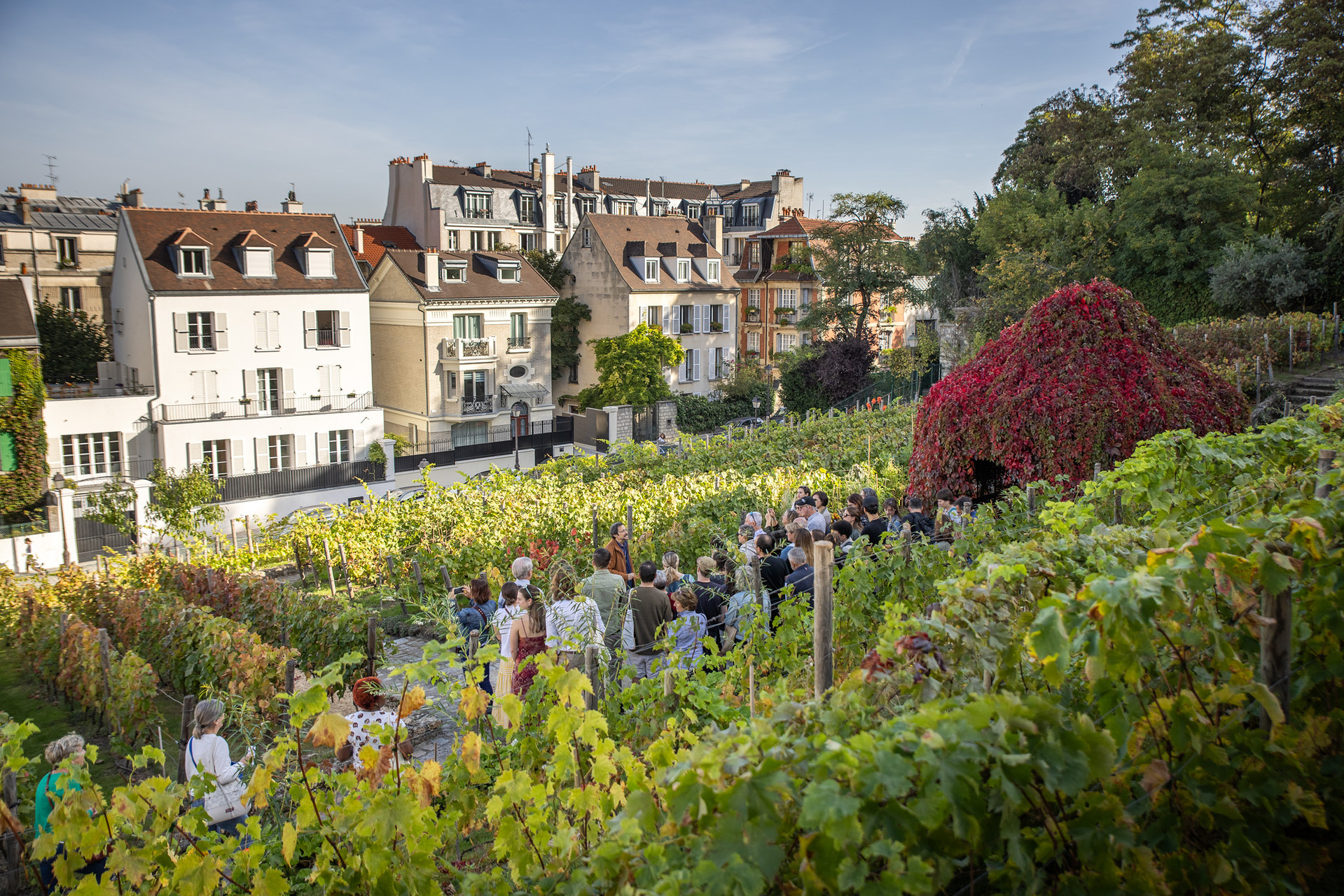
Montmartre’s fête des vendanges is a highlight © Erwan Floch
Hotels with a twist
The boldest hotels embody a mischievous spirit, much like Montmartre itself. Le Bus Palladium is a newly resurrected music club reborn as a rockstar hotel, with vintage stage-set design, swish bars and sound systems in the bedrooms. In its heyday, the club hosted the Beatles and Bowie, along with Salvador Dali – who dropped by with his pet panther. Now that’s Montmartre at its boho best.
Some hotels are not showstopping choices but still have that “je ne sais quoi.” Monsieur Aristide, my boutique bed of choice, is a vintage-chic retreat that channels Montmartre’s old-school cabaret spirit. Antoine, the flamboyant manager, doubles as a polished singer and cabaret artiste. Nothing is as it seems in Monsieur Aristide but that’s the bohemian spirit of Montmartre.
What makes the Marais magnificent?
The Marais’ cultural quarter, centred on sumptuous hotels particuliers reborn as museums, feels like a hushed heritage district, away from the hubbub. The Musée Picasso is housed in Hôtel Salé, a 17th-century mansion reborn as a showcase to the avant-garde artist whose studio was once in Montmartre. Even better is Musée Carnavalet, the revamped city museum, an enthralling journey from Roman Paris to royal Paris and onto the commemorations of the city terrorism attacks in 2015. To take it all in, slip into the delightful courtyard café for a tarte tatin before a taste of royal history.
Place des Vosges, framed by patrician red-brick mansions, is the city’s oldest planned square, and remains the poshest part of the Marais. Today, this former royalist haunt is dutifully democratic, with its fountains and lawns popular with picnicking residents. Take the discreet entrance to bustling rue Saint-Antoine via the secluded gardens of Hotel de Sully: the air of Ancien Régime grandeur suffuses the orangery but the pomp is offset by the privacy of gardens shaded by an ancient holm oak.
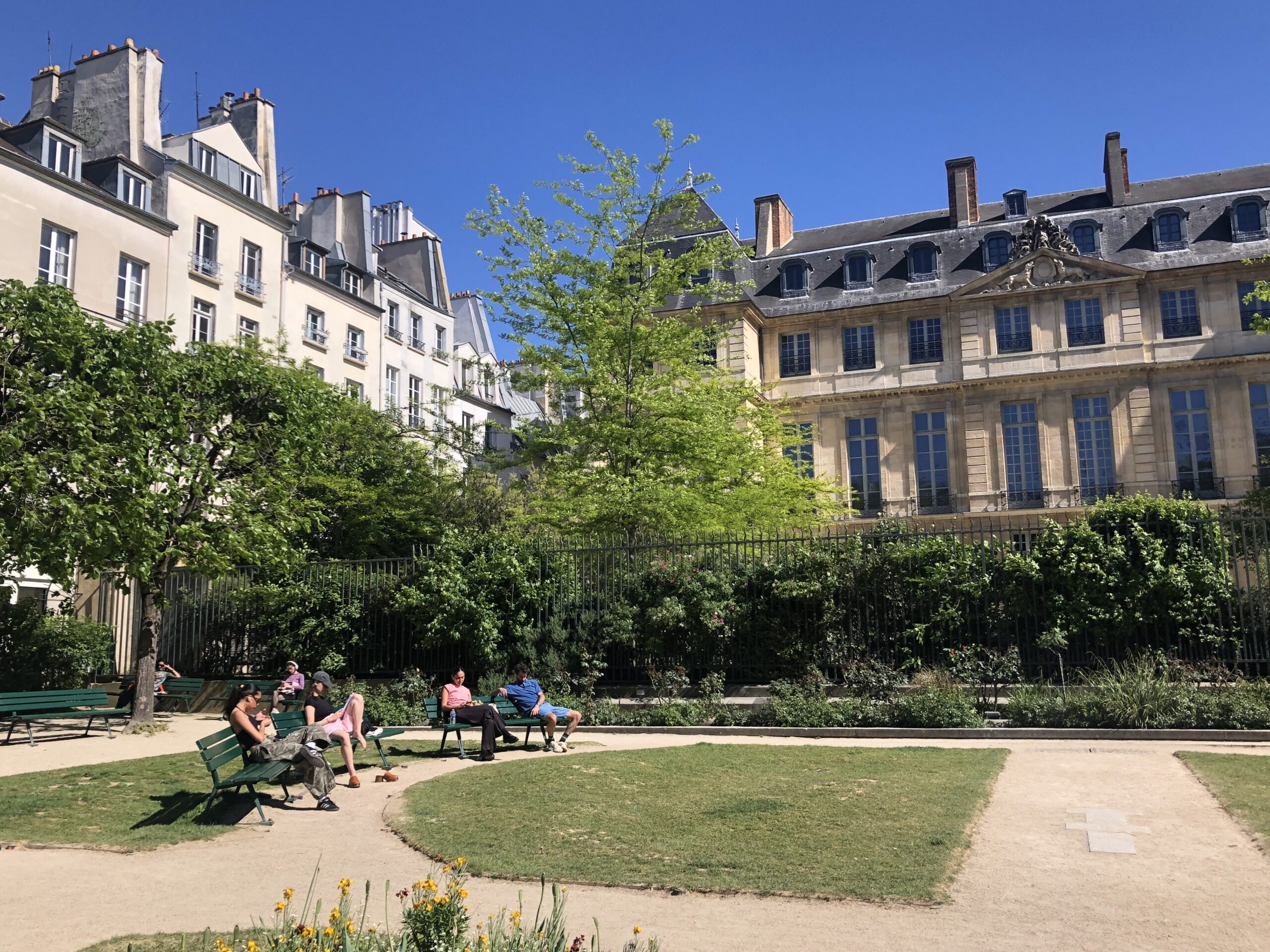
The Picasso Museum gardens
The city’s creative quarter
Place des Vosges is also a stepping-stone to a buzzier side of the Marais. Wander along rue des Francs Bourgeois to sniff out niche perfume shops and concept stores before hitting the hipster bars and indie boutiques. Rue Vieille-du-Temple, the heart of the Marais, makes for a welcome coffee stop at Café de la Perle, close to the Picasso Museum. As Victor Hugo said, “to loaf around is Parisian.”
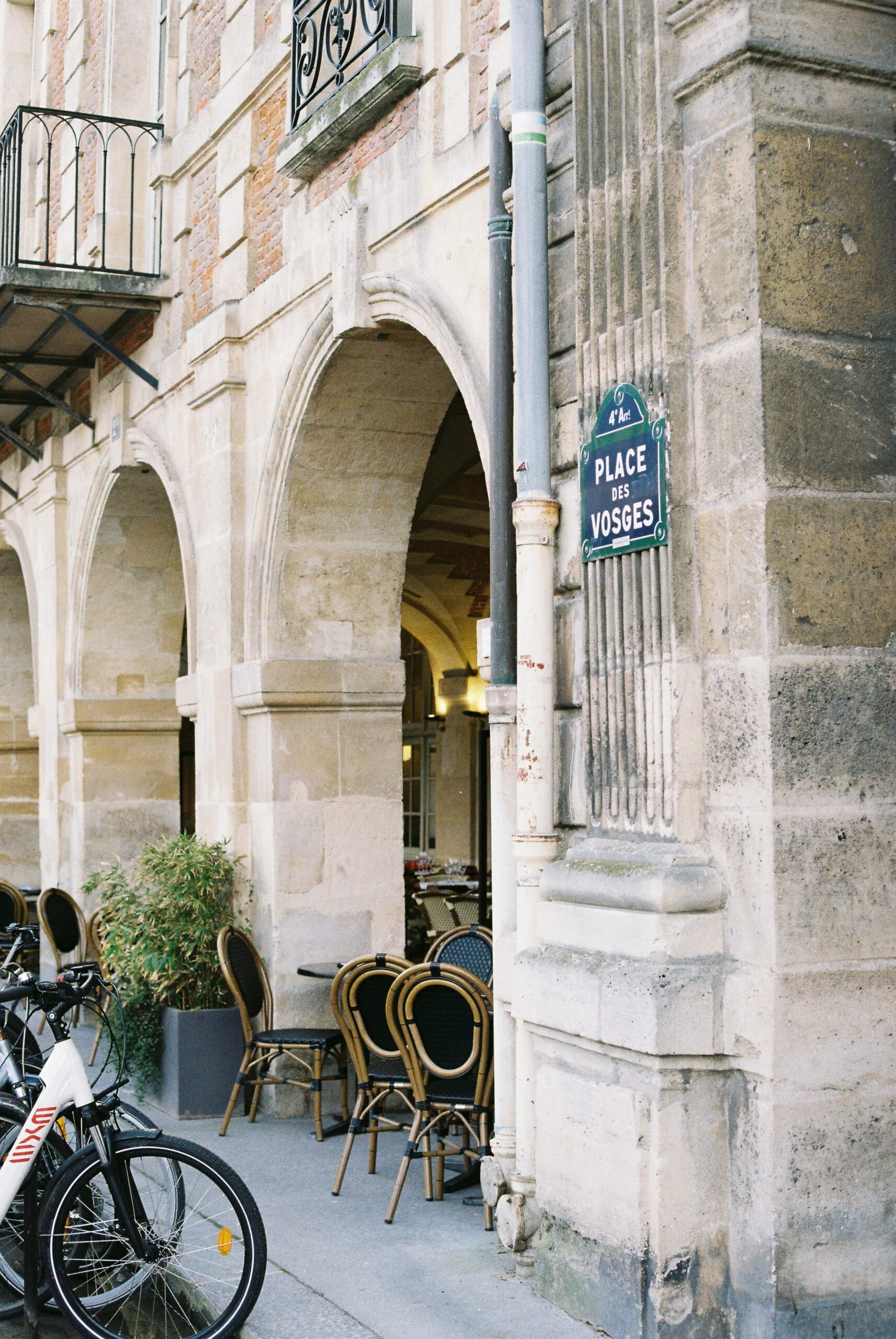
Place des Vosges © t VMH / Unsplash
Cosmopolitan food scene
The Marais is a foodie hotspot, with the Marché des Enfants Rouges the oldest covered food market in Paris. Set in the earthiest part of town, it embraces a maze of market bars and corner cafes. Once an insider secret, the market is now a hip hub for foodies in search of Lebanese mezze, Moroccan couscous, Neapolitan wood-fired pizzas and Japanese bento boxes. Join the locals for a taste of everyday Parisian life, sharing a communal table laden with French cheeses, cured meats and farm-to-table burgers.
For street food in the Jewish district, L’As du Fallafel is the falafel king, with fans including Natalie Portman and Lenny Kravitz happy to queue for crunchy falafel and fried aubergine in pitta bread. After feasting, take the secret gateway next-door to Place des Vosges, via Hotel de Sully. Instead, at the chic end of the spectrum, try Boubalé, a hipster haunt. It revels in sun-drenched sharing plates, with mezze from the Mediterranean and the Middle East via Turkey.
Most memorable, however, is Terra, a truly one-off restaurant with an open-kitchen, wood-smoked grill and an array of creative Mediterranean sharing plates. Bathed in light through a glass roof, this moody Marais restaurant is perfect for a romantic dinner. Follow the advice of the talented sommelier and also return to try Terra’s simpler wine-bar and pizzeria on the same street.
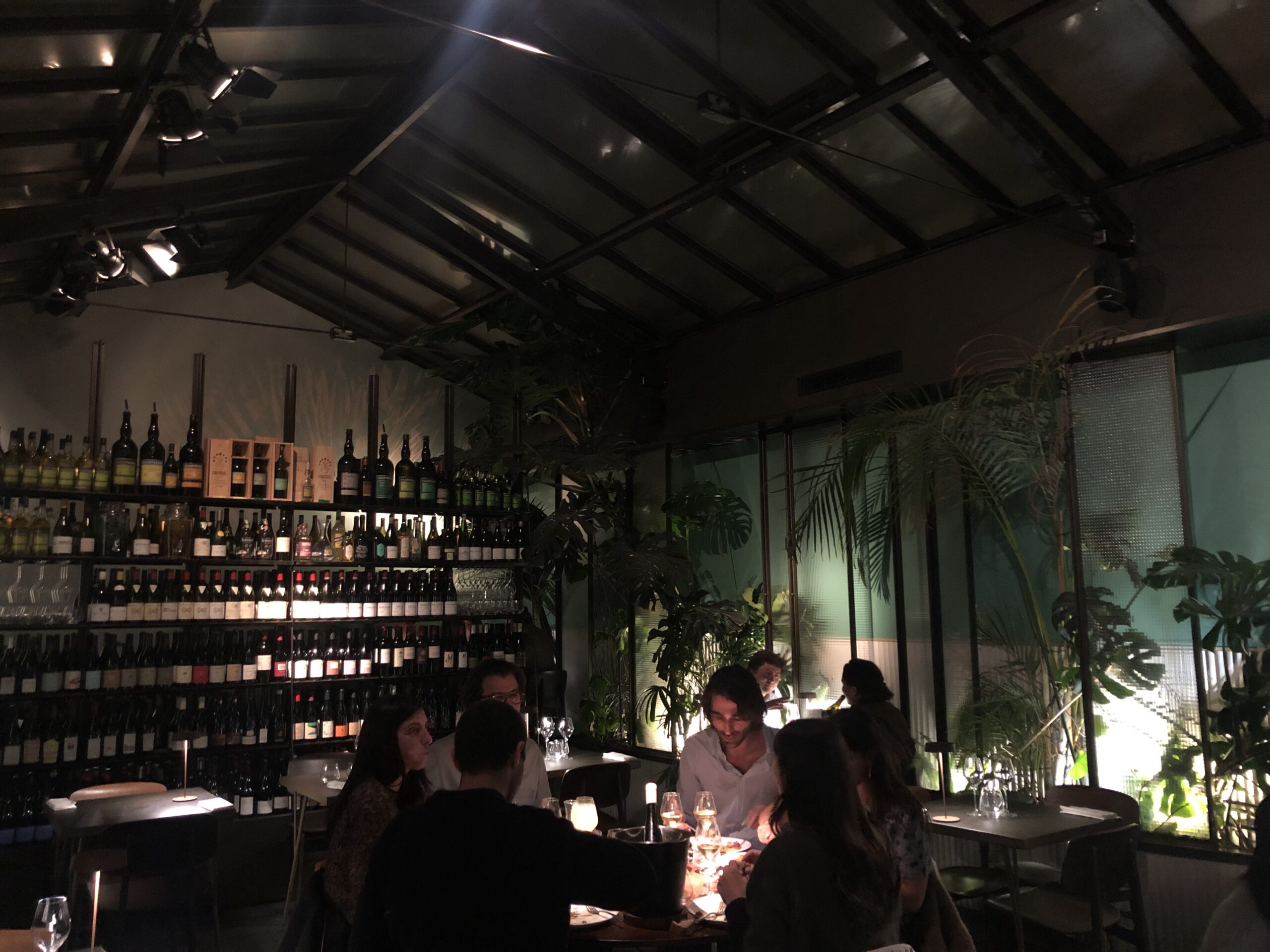
Terra restaurant © Lisa Gerard-Sharp
Boutique retreats
The Marais abounds in boutique hotels awash with old-school charm. My favourite is Le Pavillon de la Reine, a ravishing retreat set on a show-stopping square. This Marais mansion feels timeless, with its secluded gardens and clubby period interiors. From breakfast eaten under the supercilious gaze of long-dead aristocrats to lunch in the chic gourmet restaurant, this hideaway draws under-the-radar celebrities, such as Kate Winslett.
The Hotel du Petit Moulin is the most playful fashion fantasy in the Marais. Designed by Christian Lacroix, a baroque prince of fashion, the boutique hotel occupies a former bakery. Fittingly, it feels at home in the hipster Haut-Marais, which still has gutsy, ungentrified pockets and a buzzing food scene. Sip a glass of bubbles in the retro honesty bar before a jazzy evening dining in the Marais.
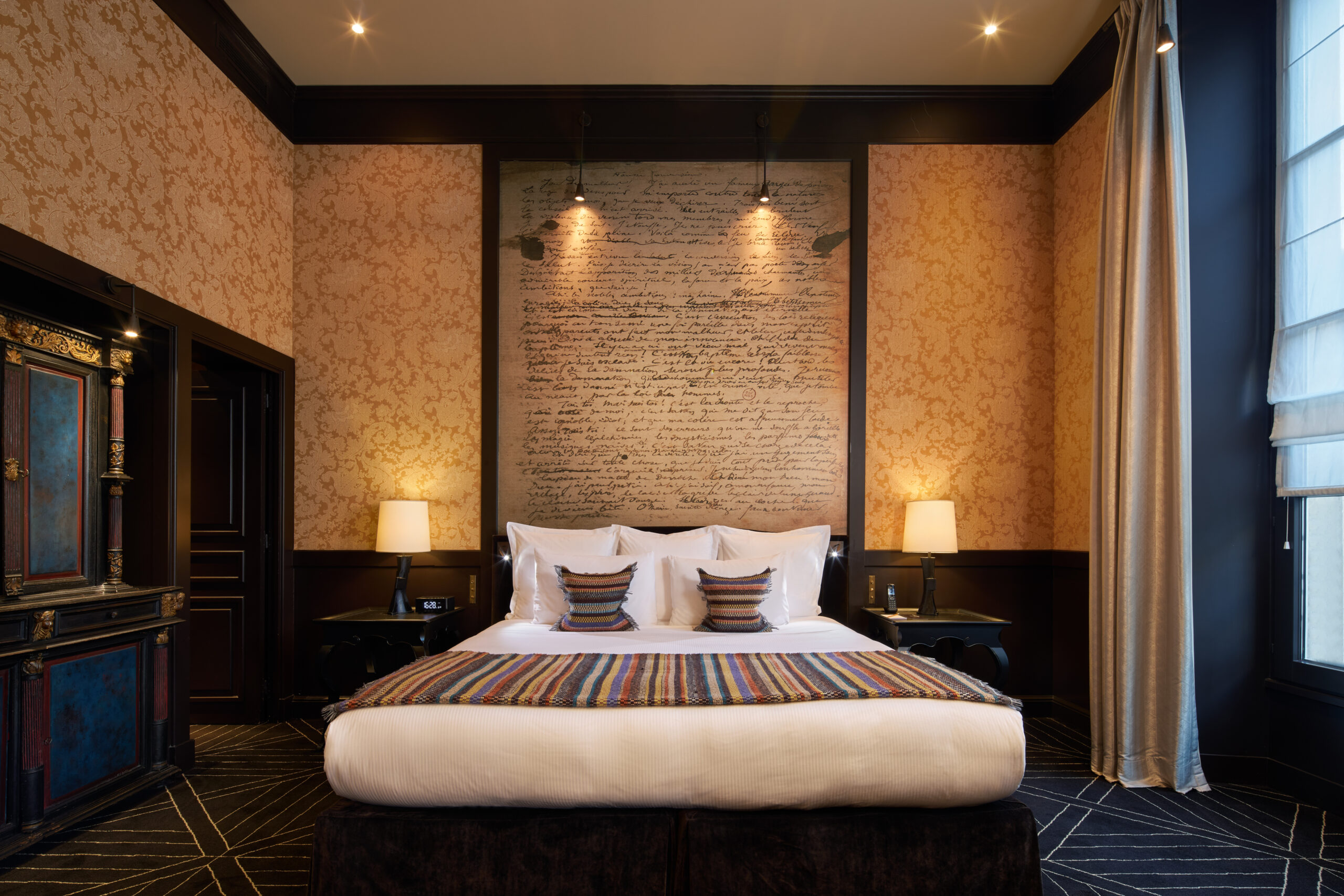
The Arthur Rimbaud suite at the Pavillon de la Reine
Drinking in the Marais
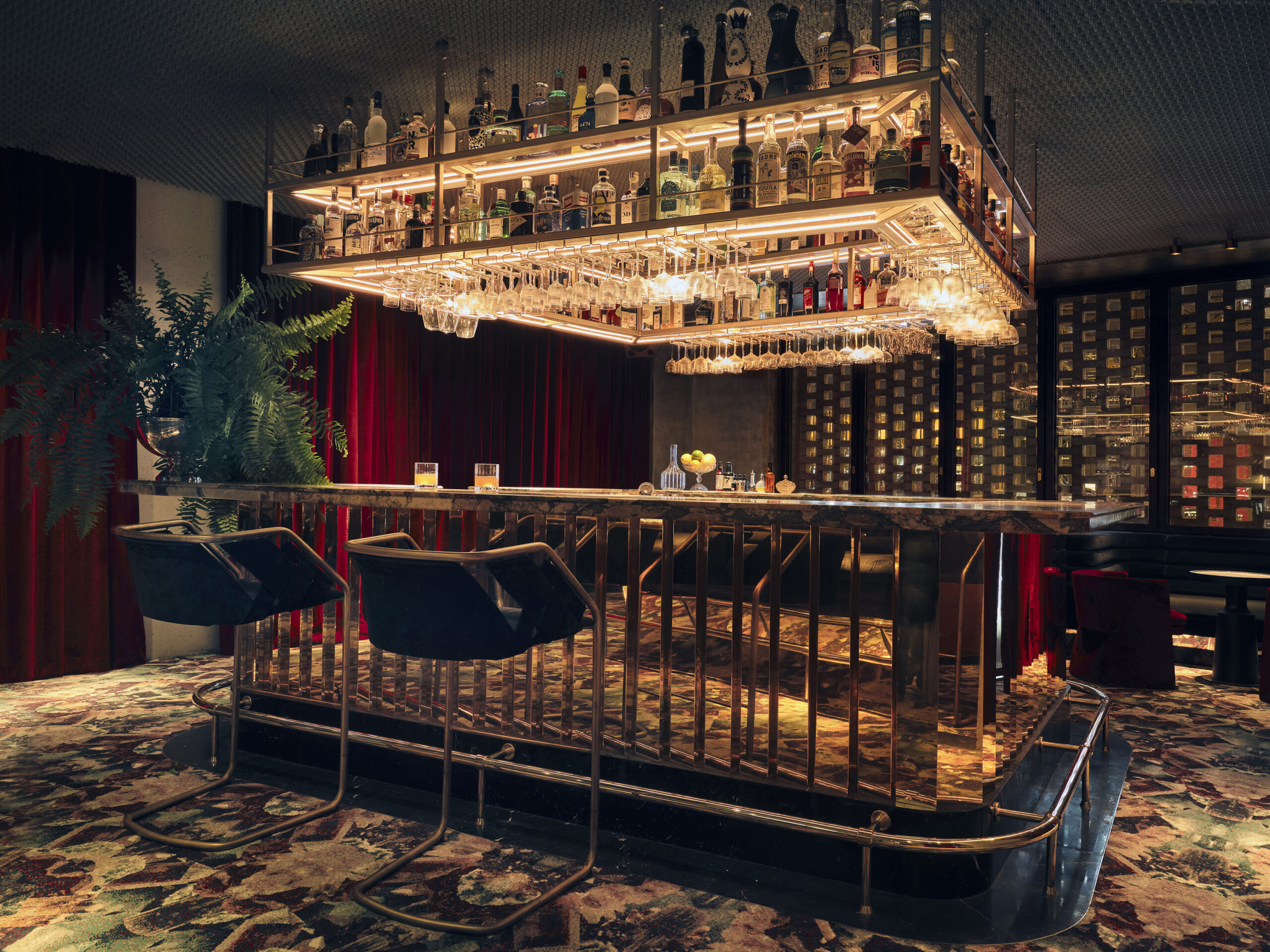
Le 1905, between Place des Vosges and the Seine, awaits a 1920s-style speakeasy steeped in Parisian decadence. Revolutionary artists such as Cezanne and Francis Bacon lived around the corner, as did doomed musician Jim Morrison, who stocked up on wine here. The boudoir mood is made for live jazz over zesty gin cocktails and a plate of oysters. Stay for supper, pondering the Marais’ illustrious ghosts.
The verdict is in – and it’s a narrow victory for Montmartre. While the Marais has the edge for under-the-radar restaurants, both neighbourhoods offer beguiling bars and boutique hotels. In the arty versus party debate, the Marais wins on galleries and designer shopping while Montmartre wins on eclectic nightlife and naughtiness.
What happens in Montmartre stays in Montmartre. As for culture, the Marais museums are bigger-hitters while Montmartre’s are more intimate yet somehow more magical. The former will make you think more, the latter feel more.
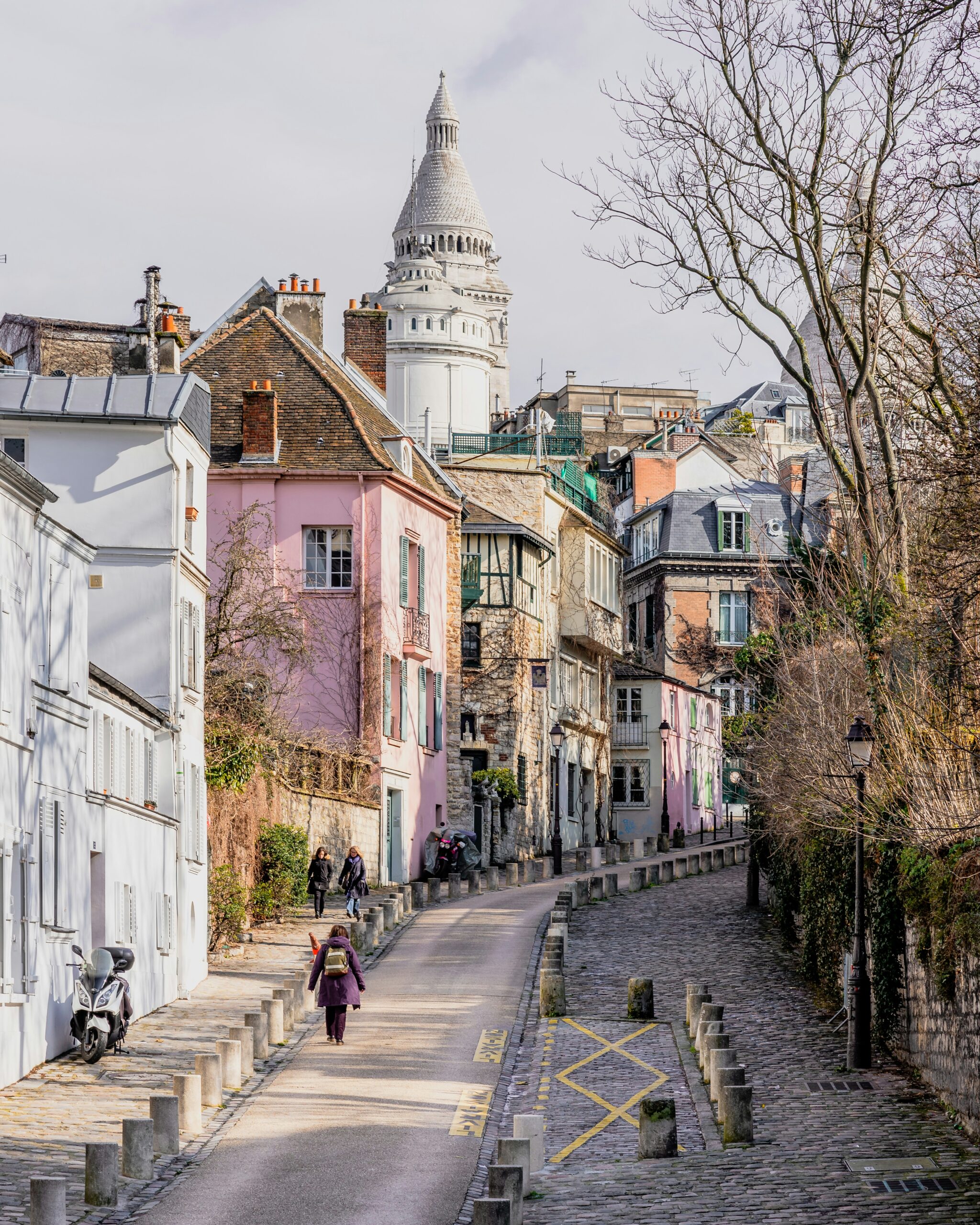
Ostensibly, Montmartre wins on mood, which is more whimsical, romantic and bohemian. While the Sacré Coeur steps can be touristy and even tacky, plenty of neighbourhood magic survives. Yet the timeworn Place des Vosges can tip the balance the other way in the « je ne sais quoi » stakes.
Forget any good intentions to explore every museum in Le Marais. Simply sit in an ivy-hung courtyard over a glass of wine and succumb to the soft hues of a Parisian sunset. This is also the true Paris of legend.
Ohlala! It looks like you’re not a Member yet
Join to view this content!
(If you are a Member, log in or reset your password below or contact us so we can help)
- Log in
- Forgot password
Share to: Facebook Twitter LinkedIn Email
More in city break, Marais, Montmartre, Paris
Related Posts

Leave a reply
Your email address will not be published. Required fields are marked *