
What to See and Do Around Dole in the Jura
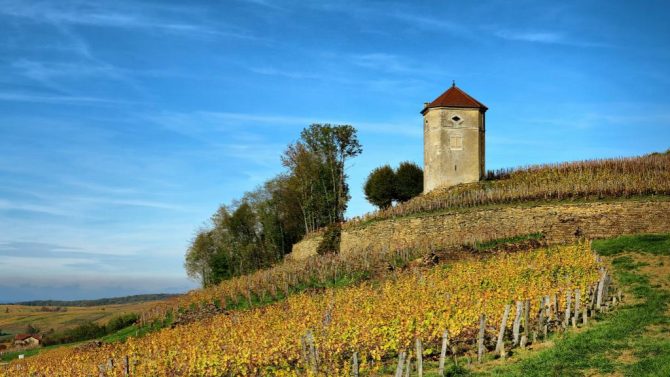
Around Dole in the Jura, discover charming towns, historic landmarks, and cultural treasures that reveal the region’s rich heritage.
Dole in the Jura department is a fascinating town, with famous connections (and a museum) to the brilliant 19th-century chemist Louis Pasteur who was born there. There are a wealth of narrow alleyways along which to wander, perhaps following the brass cat plaques of the Circuit du Chat Perché, as well as charming historic tannery districts and riverside parks to explore.
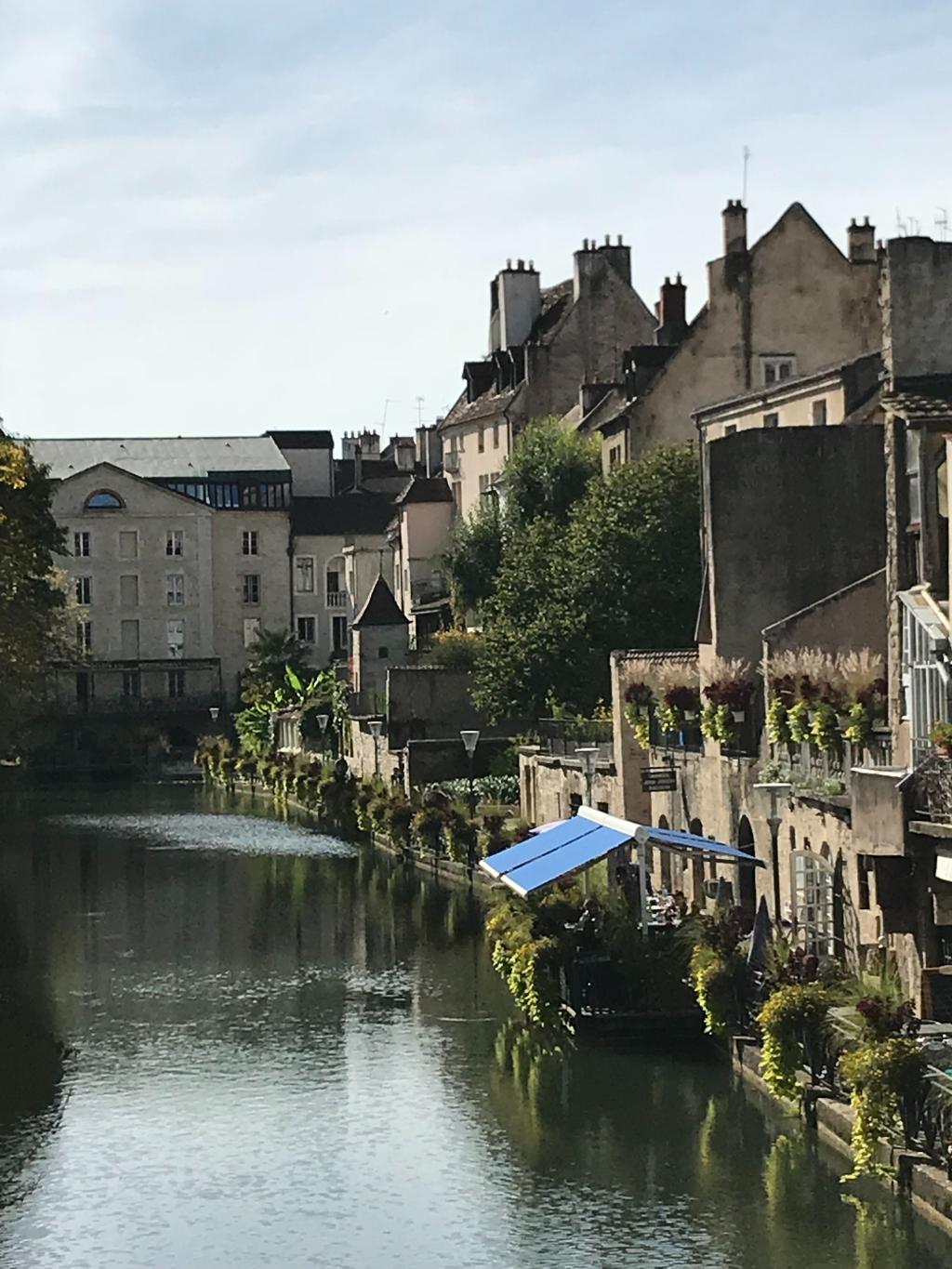
Charming former tannery district
If you’re staying for long enough and have access to a car, the town also makes a perfect jumping off point for a huge variety of things to do and see, all closer than an hour’s drive away. We’ve put together some highlights of the vibrant landmarks of the area.
Pesmes – 25 minutes from Dole
Perched above the scenic river Ognon, the small town of Pesmes is one of no fewer than three Plus Beaux Villages less than an hour away from Dole. The other two being Château-Chalon (47 minutes from Dole) and Baume les Messieurs (52 minutes from Dole). The narrow streets of Pesmes, its gracious houses and town ramparts all make it a pleasant place to take a stroll and while away time. Guided tours are available.
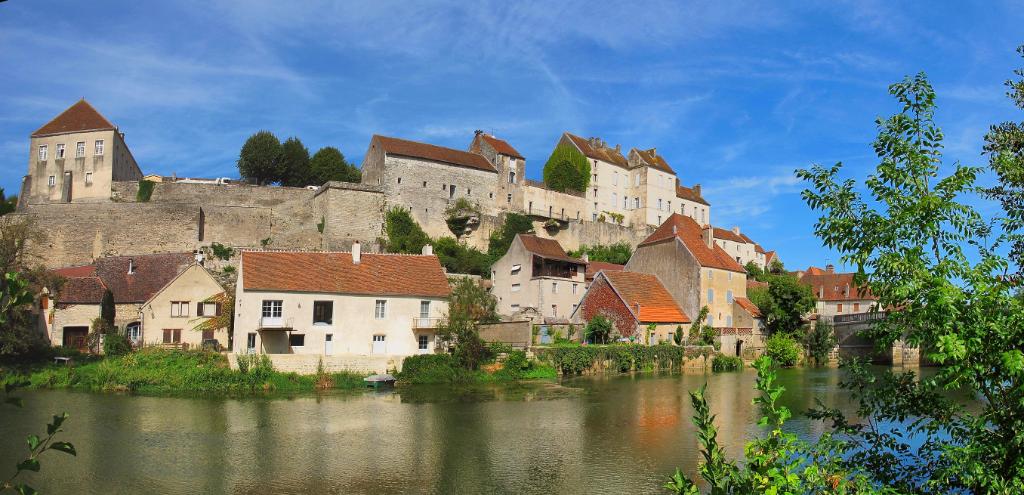
The medieval walls of Pesmes © JGS25 CC BY SA 3.0
Saline Royale, Arc-et-Senans – 33 minutes from Dole
The Unesco World Heritage Royal Saltworks at Arc-et-Senans are a day-trip in their own right, particularly when you factor in the option of a scenic drive through France’s fifth largest forest – the 20,500 hectare Forêt de Chaux. Designed by Claude-Nicolas Ledoux in the 18th century at the behest of Louis XV, these saltworks were located to take advantage of the bountiful wood for fuel to produce the extraordinarily valuable salt. The buildings are an architectural wonder and the museum is fascinating too. For tickets and visitor information, visit salineroyale.com
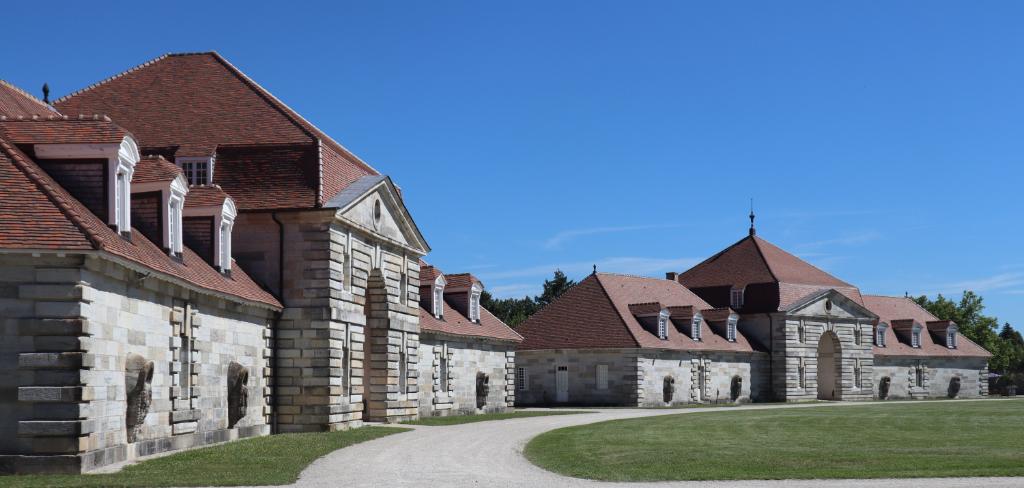
Arc-et-Senans saltworks © GO69, CC BY-SA 4.0
Grottes d’Osselle, Osselle – 35 minutes from Dole
Discovered in the 13th century, these caves have been visited by tourists as far back as 1504! The incredible system consists of over 1200m of underground tunnels and caverns, festooned with stalactites, stalagmites and unusual rock formations throughout its length. Nestled in the beautiful Jura countryside, it feels like an undiscovered gem. For tickets and visitor information, head to grotte-osselle.fr
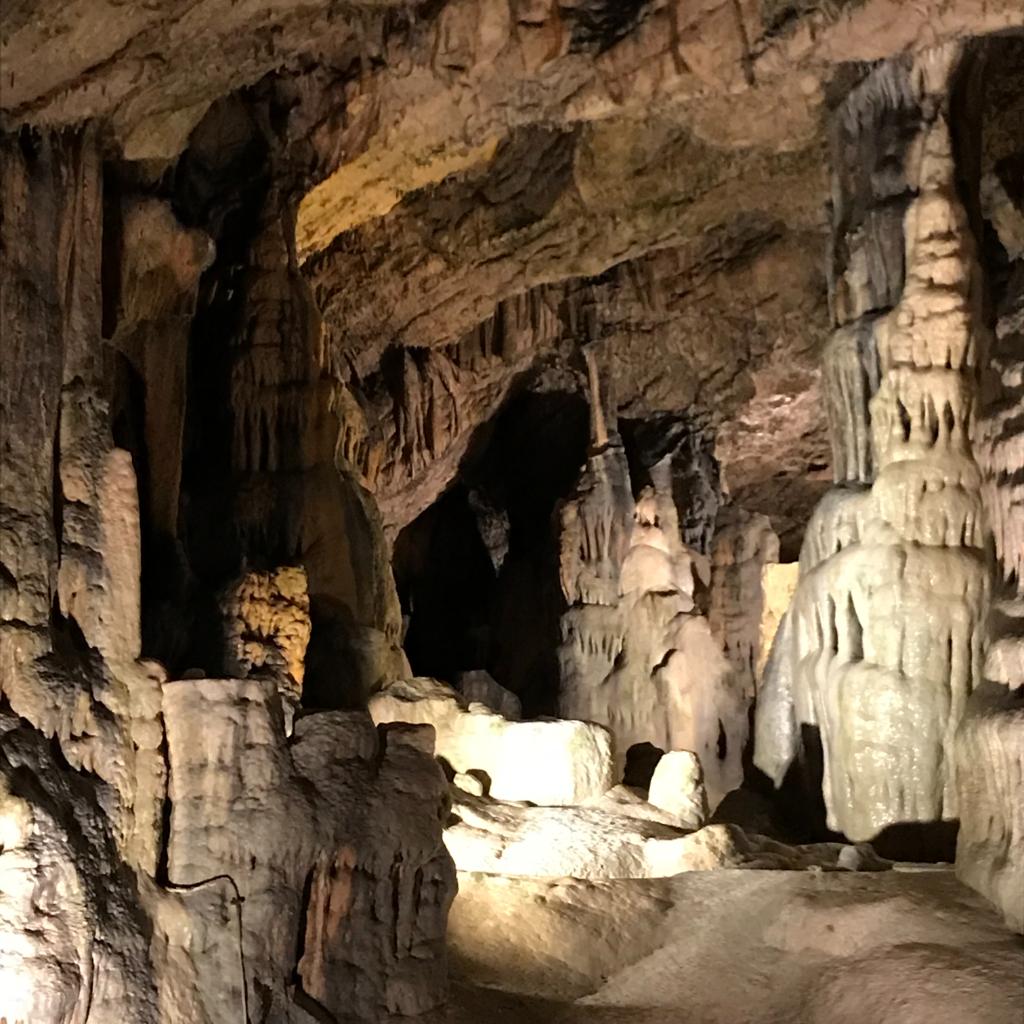
Inside the impresive Grotte dOsselle caves
Arbois – 37 minutes from Dole
This characterful town with its ochre-tinted buildings is surrounded by the lush landscape of the Jura’s vineyard country. Indeed, Arbois is a name that you’ll see on many a bottle of wine in this area, and it’s very well worth enjoying. Vineyard walks (with tastings of course!) are a must, as is a visit to Louis Pasteur’s home and laboratory on the Rue de Courcelles. Plan your visit to Pasteur’s home on terredelouispasteur.fr
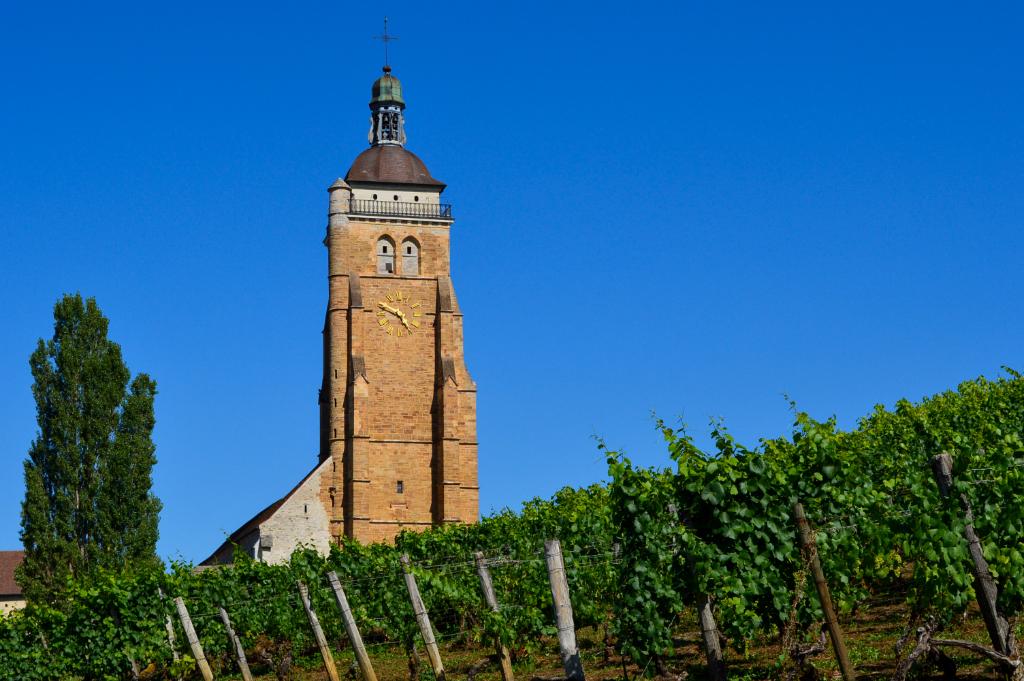
The churchtower in Arbois © Wikipedro, CC BY-SA 4.0
Maison du Comté, Poligny – 38 minutes
Those who do not love cheese (do such people exist?) might want to pass this one by. In honour of one of France’s best-loved cheeses, the locally produced delicacy that is Comté, the Maison du Comté opened in 2021 to welcome young and old to discover everything there is to know about the cheese made using the milk of the Simmental and Montbéliarde cows that graze the lush grass of the Jura. And of course, to taste it! Book your visit at maison-du-comte.com
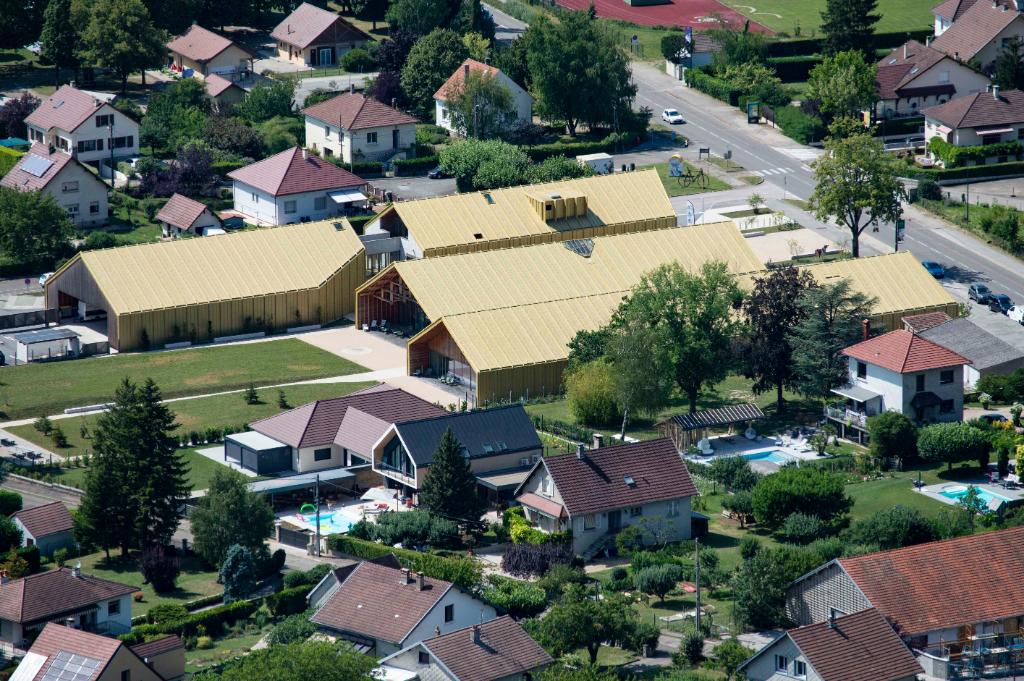
Maison du Comté in Poligny © Wikipedro, CC BY-SA 4.0
Dijon – 41 minutes from Dole
The Unesco-listed capital of the historic Burgundy region is only a short drive and opens a wealth of history to discover as well as a world of gastronomic delights for the visitor to enjoy. Think wine, mustard, crème de cassis, pain d’épices and more. The International Cité of Gastronomie and Wine opened here in 2022 to showcase the city’s rich heritage in food and drink. Entry to permanent exhibitions is free, citedelagastronomie-dijon.fr
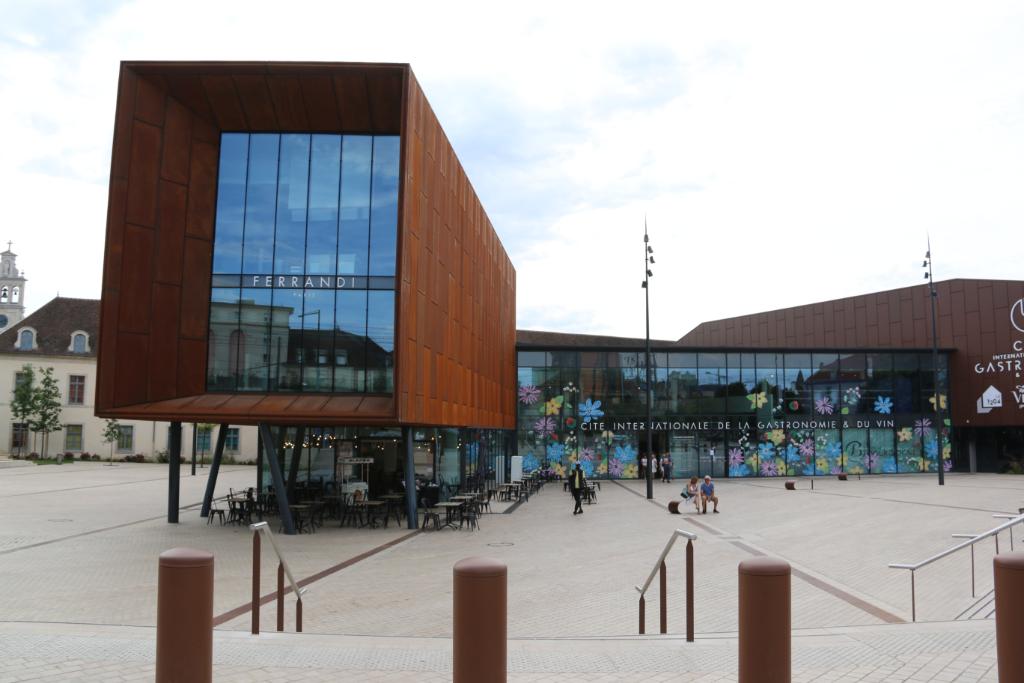
Dijon’s Cité internationale de la gastronomie et du vin © FrDr, CC BY-SA 4.0
La Grande Saline, Salins les Bains – 47 minutes from Dole
Salty partner to Arc-et-Senans, Salins les Bains has a much older story, with salt production going back as far as the Middle Ages until deforestation forced the opening of the more fuel-rich Arc-et-Senans saltworks. La Grande Saline was made a Unesco site in 2009, somewhat later than Arc-et-Senans which was listed in 1982. Its long history is well-preserved and the various buildings give a comprehensive picture of a key industry of its time. Head to grande-saline.com for tickets and information.
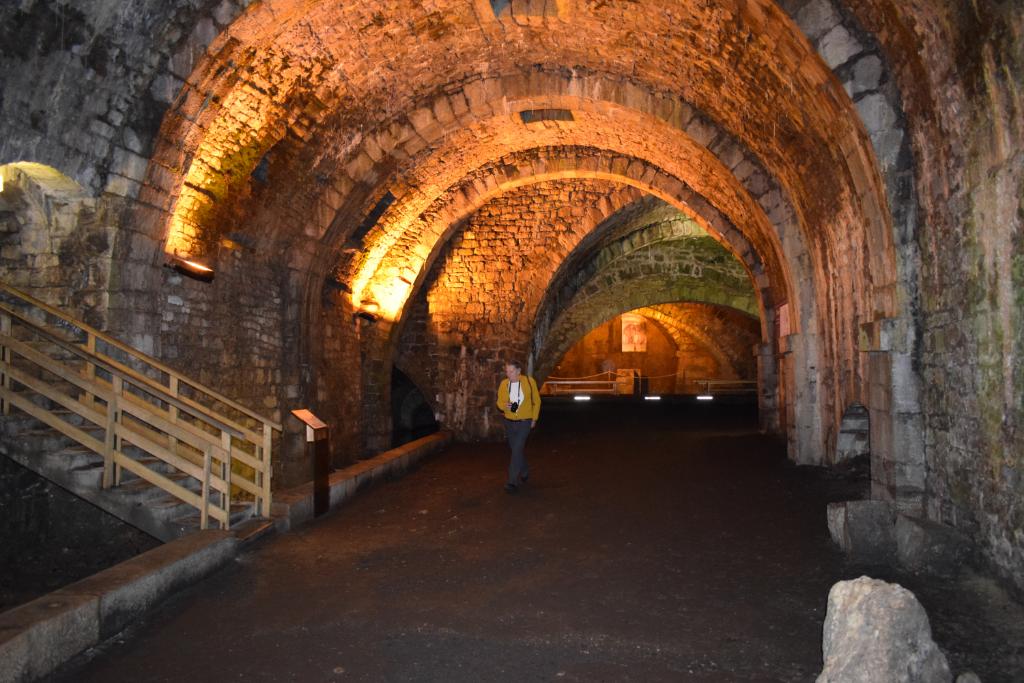
Grande Saline in Salin-les-Bains © Jean Housen, CC BY-SA 4.0
Besançon – 48 minutes from Dole
France’s historic watchmaking capital, Besançon sits on a horseshoe bend in the river Doubs, a situation that has shaped the history of this eastern city from its earliest days in the Bronze Age, as a powerful and easily defended settlement. An impressive fortress graces the highest point of the city, towering above the steep sided river valley below. One of the finest examples of Vauban’s work, La Citadelle was built in the 17th century and has been listed as a Unesco World Heritage site since 2008. The Musée du Temps de Besançon in the Palais Granvelle shows the riches of the city’s horological history. Plan your visit at mdt.besancon.fr
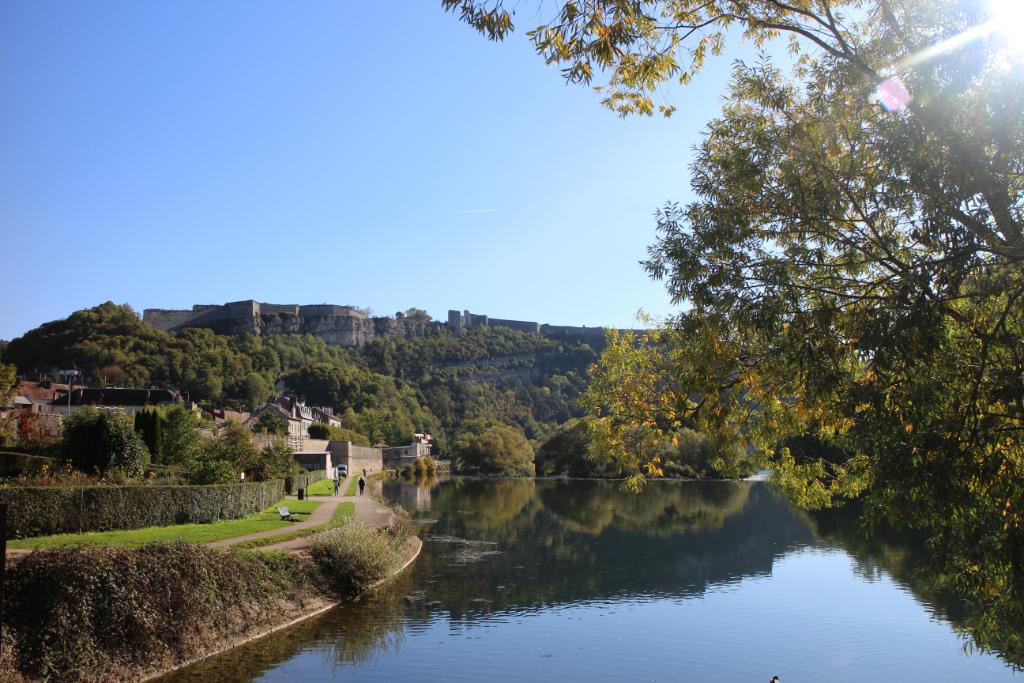
Besancons fortifications above the city designed by Vauban
Musée des Maisons Comtoises, Nancray – 52 minutes from Dole
This collection of 35 buildings from the 17th through to the 19th century, dismantled from all over the region and re-built in their current location give a unique insight into day-to-day life in rural Franche-Comté. More than 22,000 objects help give the buildings colour and atmosphere, to the point that it feels like their residents may just have popped out to milk the cow. The project was conceived by Abbé Jean Garneret and opened to the public in 1988 with just five buildings. For more information, visit maisons-comtoises.org
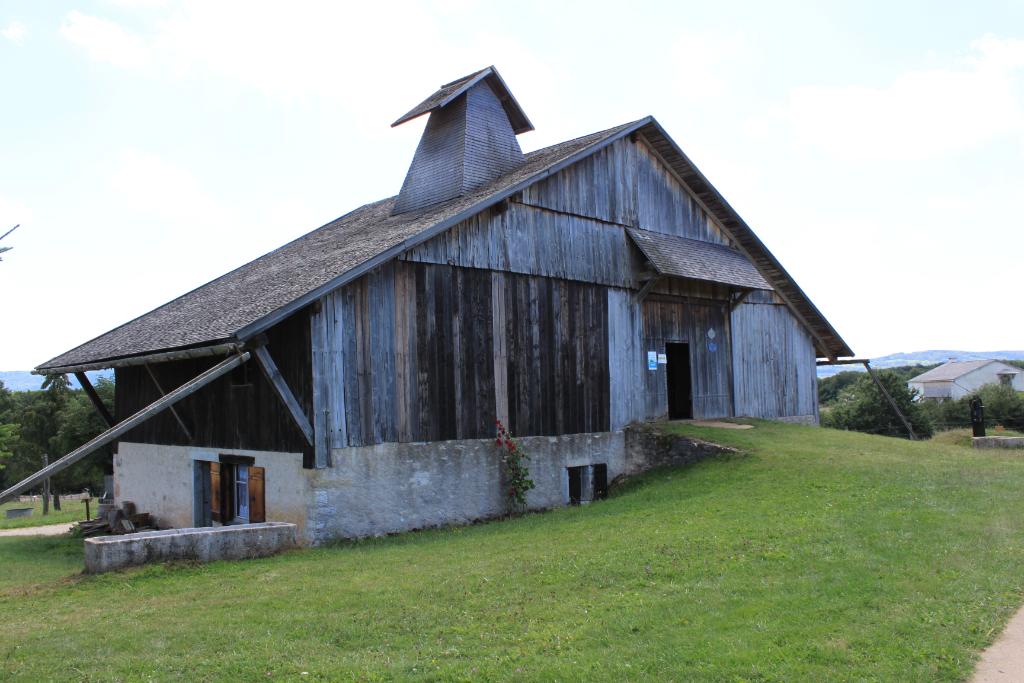
An old farm in the Musée des maisons comtoises © Christophe.Finot, CC BY-SA 3.0
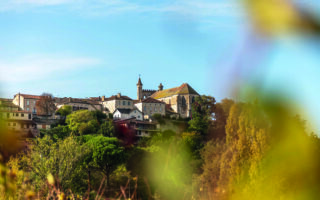
Lead photo credit : Arbois,_la_tour_Canoz_au_milieu_des_vignes credit JGS25, CC BY-SA 4.0
Share to: Facebook Twitter LinkedIn Email
More in cultural sites, French culture, Jura, Jura mountains, UNESCO
Related Posts
By Lara Dunn
Leave a reply
Your email address will not be published. Required fields are marked *