
Mark Twain’s Biting Take on France


Why did Mark Twain regard France with so much scorn?
📢 As you scroll through the beautiful images, why not listen to our narrated article? It’s a great way for France Today Members to dive deeper into the story while enjoying the visuals. We hope you love this experience, and we’d love to hear what you think—feel free to share your thoughts in the comments below! Happy listening!
Mark Twain once said, “Travel is fatal to prejudice, bigotry and narrow-mindedness” – yet the American author, famous for his witty observations, seemed terribly biased against the French. In the 1800s, many travellers to France regarded it as a venerable destination – a place that offered lessons in refinement and worldliness. Twain took umbrage at this notion. Later famous for his tales of Tom Sawyer and Huckleberry Finn, it was Twain’s trip through Europe and beyond which inspired him to write his first bestseller, The Innocents Abroad, which was published in 1869.
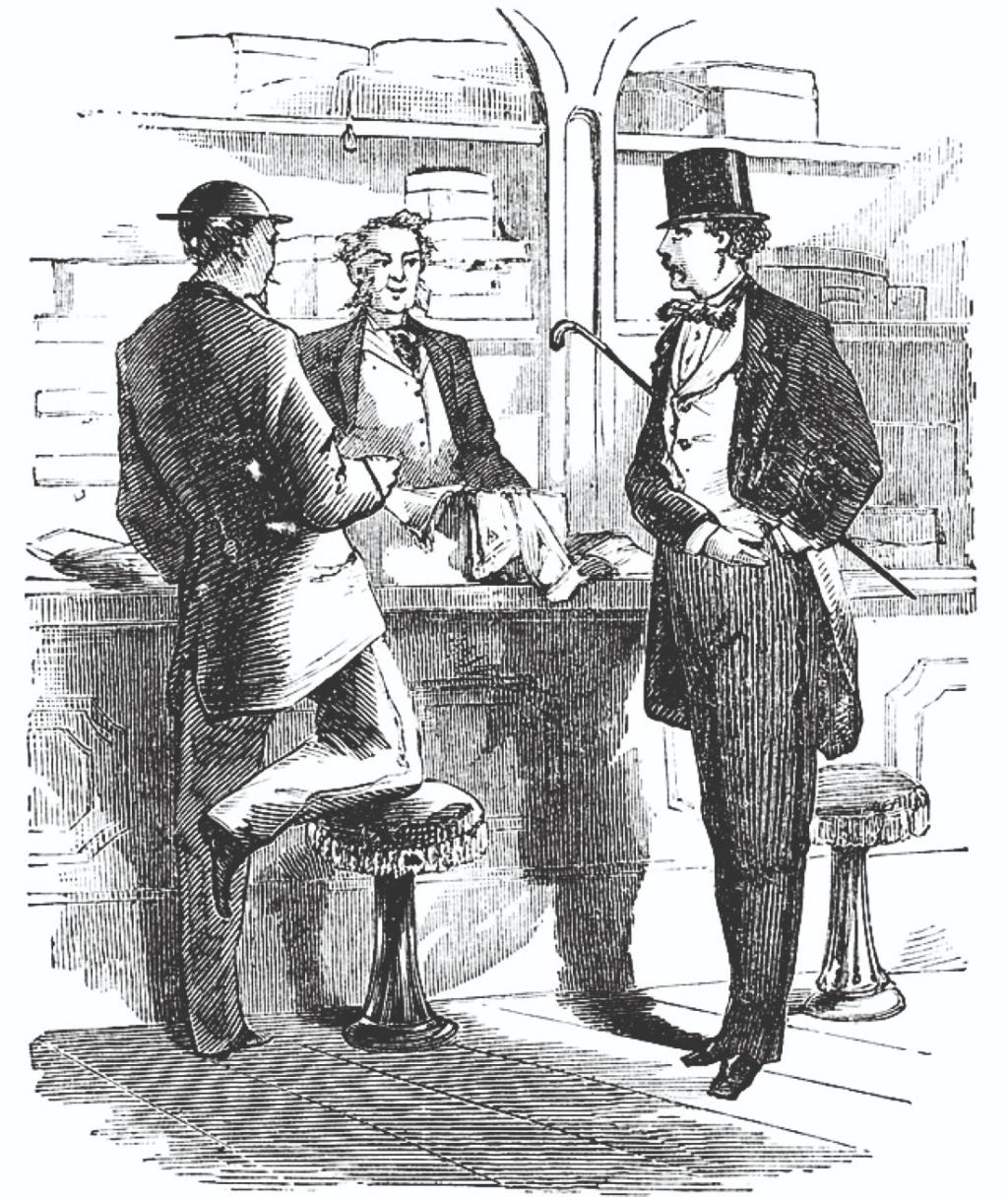
The_Innocents_Abroad_-Illustration from Mark Twain’s Innocents abroad. © WIKIMEDIA COMMONS
Barbed comments
Twain visited France frequently from 1867 to 1895, yet he appeared to hate every minute of it and was sarcastic about everything he witnessed: the railway system, the uniformity of the gardens, the elegance of Paris… And as for French cuisine, he listed 80 American dishes he would rather eat.
We can only hope the French admired Twain’s rhetoric because his barbs were sharp. He wrote: “France has neither winter nor summer, nor morals…” adding that Paris folks were fond of “literature, art, medicine and adultery”.
Casting himself as a loudmouth tourist, he said: “In Paris they simply opened their eyes and stared when we spoke to them in French! We never did succeed in making those idiots understand their own language.” Twain’s relentless negativity can be seen as a way of testing his satirical voice – and of using France as a foil to highlight his own naiveté. As a boy, he had dreamed of seeing France. In 1867, he shunned his American shipmates at Marseille for a scenic rail trip to Paris, where he stifled his usual flippancy and experienced French cuisine where “the food was well cooked, the waiters so polite… so moustached, so frisky, so affable, so fearfully and wonderfully Frenchy.” This trip inspired Twain to write The Innocents Abroad, its humour helped by the cultural collisions between his own tour group of American ‘pilgrims’ and Old Europe.

Mark_Twain’s_Joan_of_Ar© WIKIMEDIA COMMONS
In the spring of 1879 the Twain family lived in Paris as he wrote another travel memoir, A Tramp Abroad. He rented a studio at 8 rue de l’Orient in Montmartre. Despite his wife’s dissatisfaction with French people, French sexual standards, and French weather, they returned in 1891. Twain joined a boat tour of the Rhône, stopping at Lyon, Nîmes, Avignon and Arles. In a letter, the author said he was enjoying visiting small settlements, and surrendering both newspapers and his conscience to a “coma of lazy comfort”.
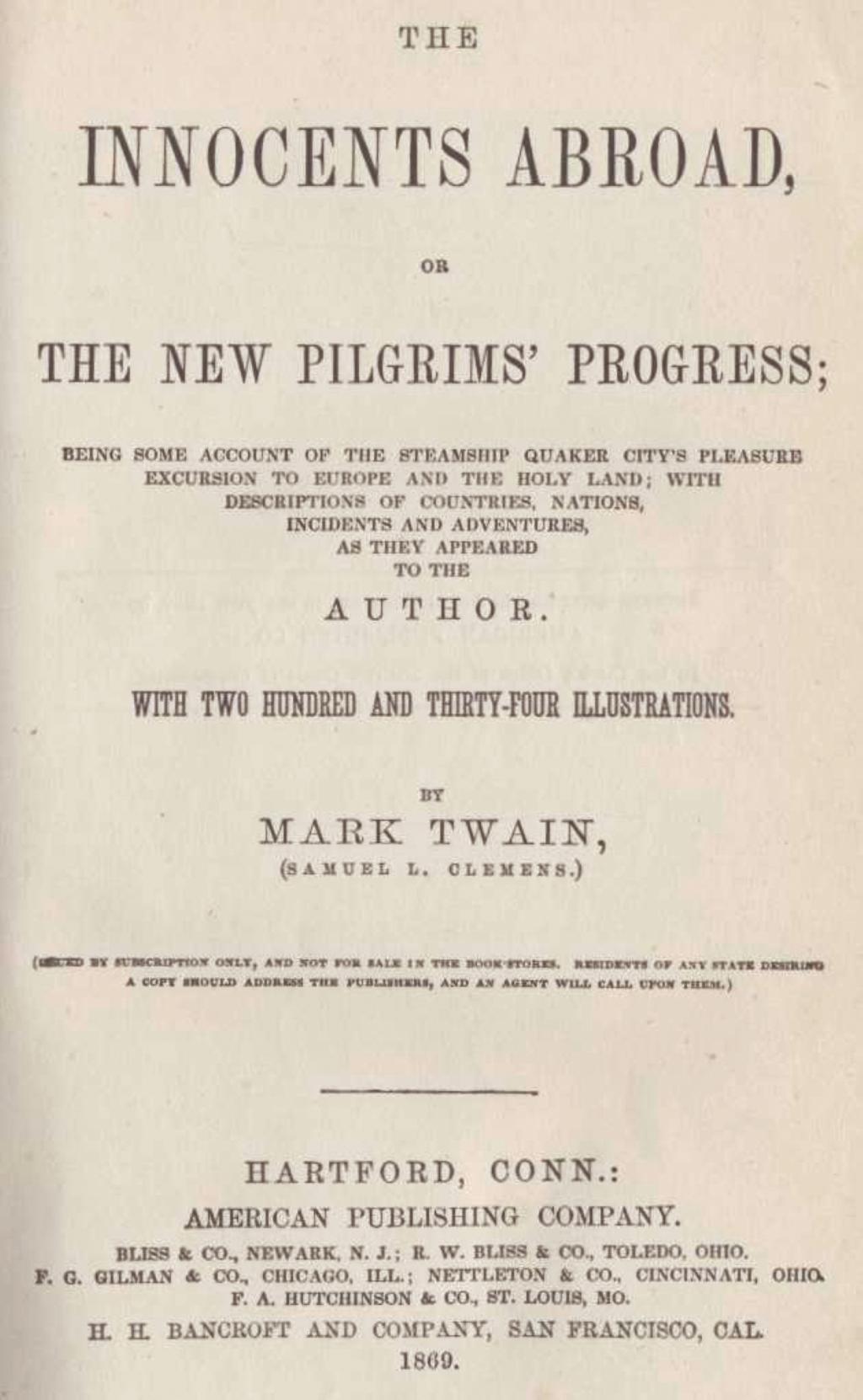
© PROJECT GUTENBERG
Between 1893 and 1895, Twain immersed himself in French literature, and assembled a photo album, a virtual who’s who of well-known French writers, which compelled him to learn about their culture. During this prolonged stay, Twain added to his decade-long research into his historical novel, The Personal Recollections of Joan of Arc, his own favourite piece of writing. Mark Twain’s contempt for France softened as his literary success grew. The writer who initially protested too much had, it seemed, fallen for France’s charms.
From France Today Magazine
Share to: Facebook Twitter LinkedIn Email
More in audio, author, France Today Membership, humour, literature, Paris, satire
Related Posts



By Hazel Smith
Leave a reply
Your email address will not be published. Required fields are marked *
REPLY
REPLY
REPLY