
This Little Burgundian Village is a Major Pilgrimage Destination
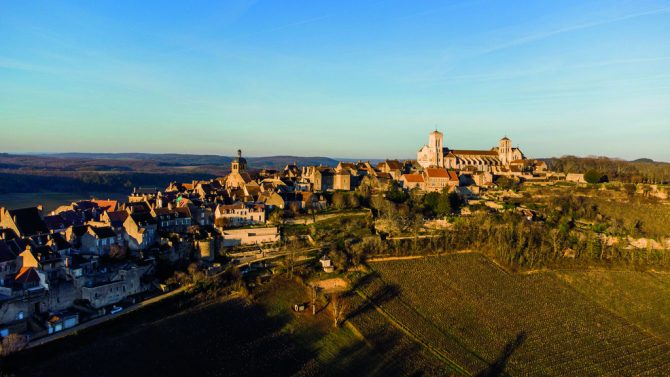
In medieval times, multitudes of pilgrims from across Christendom would make the journey to Vézelay on foot. Centuries on, its allure shows no signs of tarnishing.
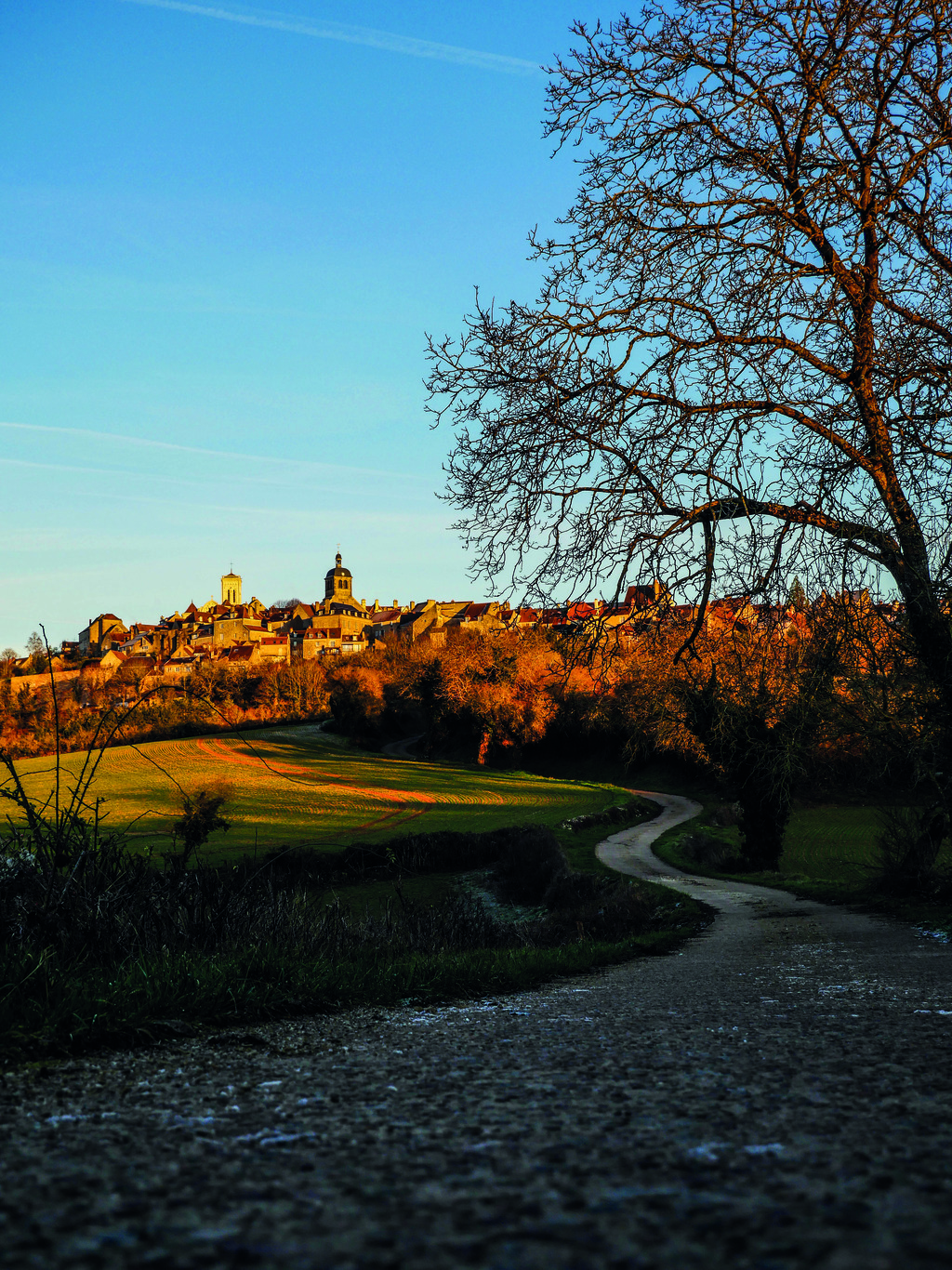
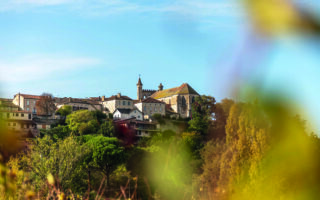
Bourgogne’s most visited town and a Plus Beau Village de France, Vézelay is a treasure trove of medieval history and a delight to visit at any time of year. The multitudes of medieval pilgrims arriving in Vézelay on foot would have spotted their destination from miles away, crowning the village summit and overlooking a patchwork of forests, vineyards and farmland below. The Basilique Sainte-Marie-Madeleine de Saint-Maximin-de-la-Sainte-Baume – or more simply, the Basilique de Vézelay – still summons travellers from France and beyond, not for the holy vestiges that secured its renown throughout Christendom, but for the magnificent church itself, which is considered one of the most important medieval structures in Europe and an epitome of early medieval architecture.
© Corentin Janvier
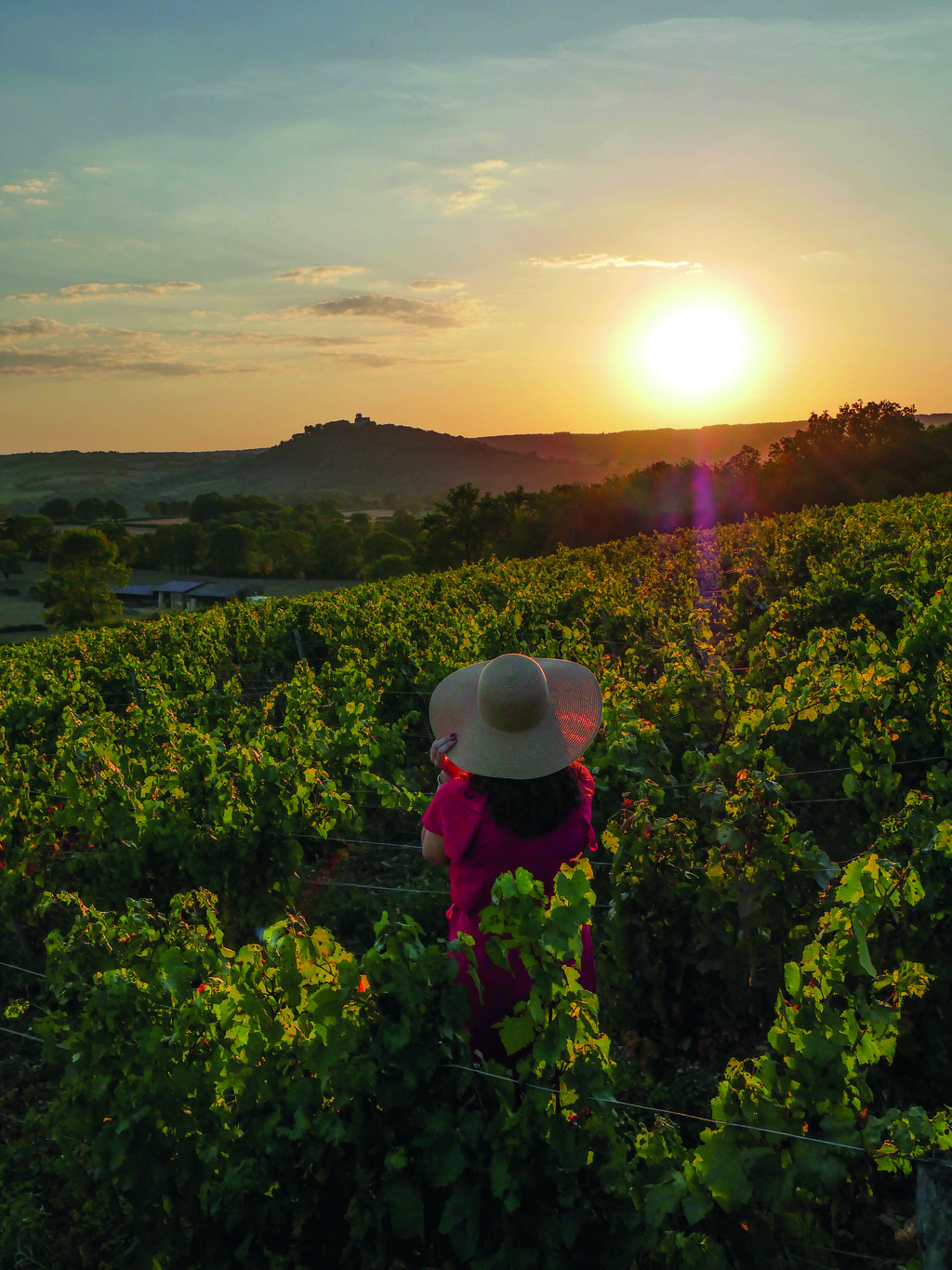
To wander through the village of Vézelay is to lose your sense of time, especially in the off-season when the village is quiet and there’s little to anchor you in the present. Vestiges of the town’s medieval and renaissance past abound, in a stone doorway, a round turret, a crumbling rampart and in a 900-year-old vineyard at the foot of the basilica, where winemaker Martin Barbieux tends his vines for his Chardonnay-based wines. “Vézelay is the only place in the world that appears three times in the UNESCO designations,” says Barbieux. “It is classified for the basilica, but also for its hill and the surrounding landscapes, and for the paths of Santiago de Compostela. The basilica is the largest Romanesque church that remains in the world”.
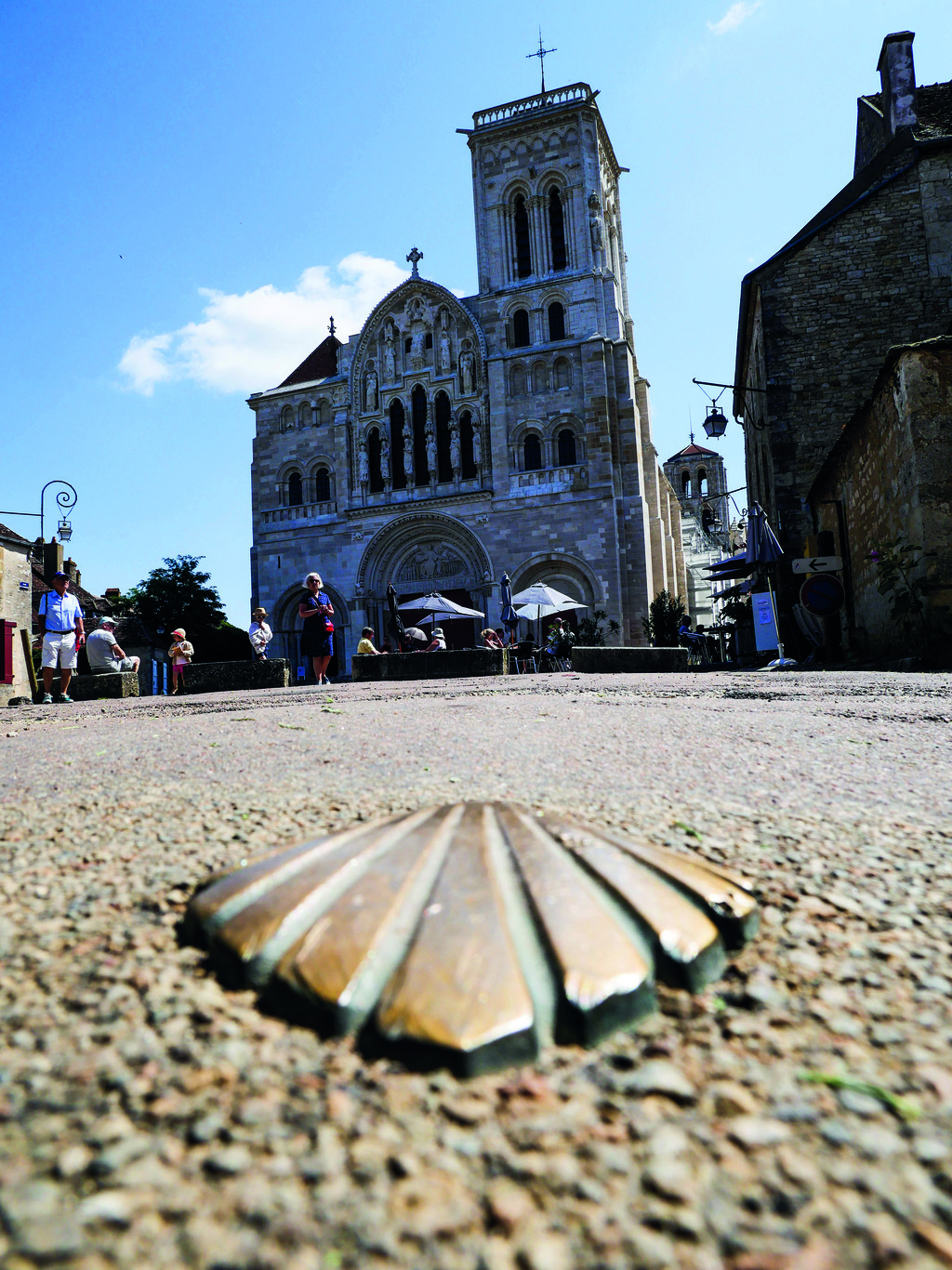
Pilgrims arriving in the 12th and 13th centuries would have followed Rue-Saint Pierre, still Vézelay’s main artery, where you’ll notice a bronze shell, the symbol of Santiago de Compostela, embedded at intervals in the street. A steep five-to ten-minute walk along the street, now lined with restaurants, shops and historic homes, takes you to the basilica. Or you can park your car in the village square and follow a cobbled street around the exterior walls to arrive at the 15th-century Porte Neuve, the last remaining town gate.
© Corentin Janvier
In Vézelay, all roads lead to the basilica, whose creamy white façade luminous after a recent clean radiates an ineffable majesty, and a mystery, that is literally built into the 12th-century structure. The origins of the church date back to a 9th-century abbey that housed a powerful order of Benedictine monks who came into possession of relics of Mary Magdalene in around 1050. According to French lore, the saint arrived in southern France near Marseille and lived out her life in a grotto in Sainte-Baume, a few miles north of the coast.
The relics attracted hordes of pilgrims each year, bringing important revenues to the monks. Which came in handy in 1120 when a fire destroyed the church, taking thousands of pilgrims with it. The structure was quickly rebuilt in a style that blended the earlier Romanesque architecture, embodied in the church’s 12 famous cruciform pillars topped by ornately sculpted capitals that depict expressive biblical characters and fanciful beasts. The monumental heft and surprising grace of these striated columns supporting the church transept give way to the Gothic-style nave and choir’s upwardly thrusting pillars, soaring vaulted ceilings and delicate tracery that define the Gothic project to recreate heaven on earth.
© Corentin Janvier
This aspiration is expressed more ephemerally in the basilica’s unique orientation to the positions of the earth and sun. At the summer solstice in June, pools of light appear, creating a luminous pathway from the back of the nave to the altar. Less known is the church’s orientation with the sun’s lowest point in the year. “When we come to Vézelay at the winter solstice the light that comes from the stained glass windows will illuminate the head of the capitals on the first floor. And this is even perhaps more impressive because we actually have the light at solar noon,” explains Barbieux.
Doors on either side of the choir descend to the crypt where a vaulted chapel still harbours the vestiges of Saint Mary Magdalene. Here, paper and pen are available to write a wish or prayer to the saint, conveyed by the monks and nuns of the Monastic Fraternity of Jerusalem, who oversee the basilica. The order welcomes visitors to their morning and afternoon services, a serene 45-minute respite held in a chapel adjoining the basilica where the a cappella hymns echo beautifully.
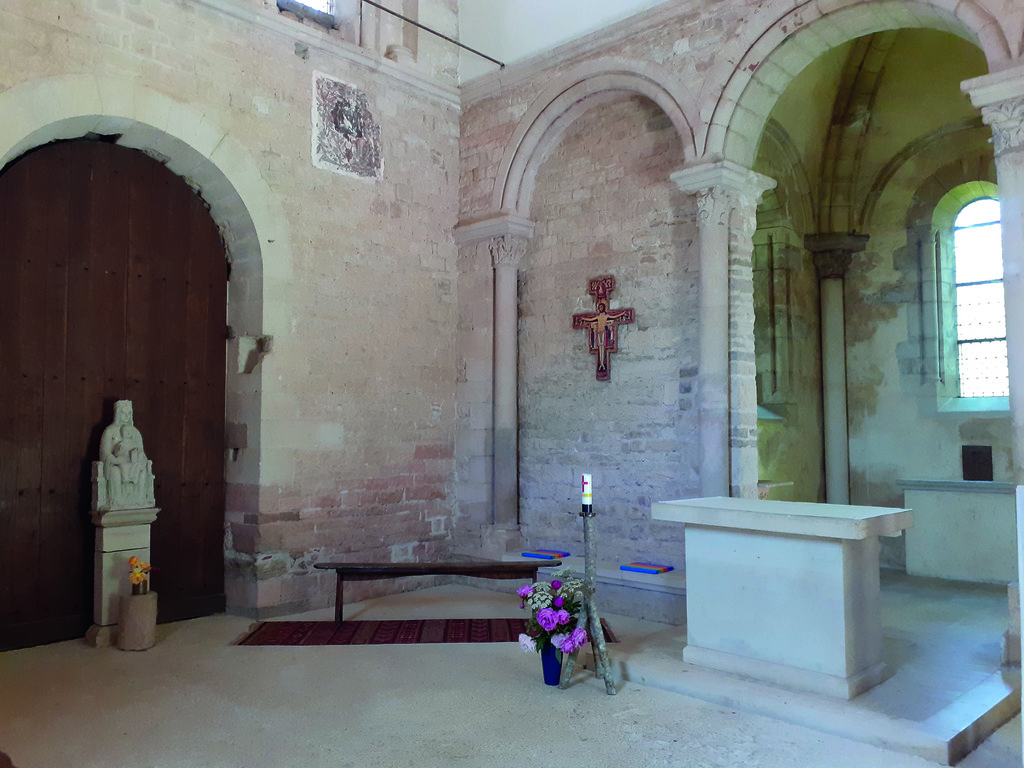
Chapelle de la Cordelle © OTGV_ML
Medieval treasures
To the left of the basilica, a cobbled path – a vestige of the ancient Compostela road – leads through a forest to the Chapelle de la Cordelle, a haven of peace with sweeping views over the surrounding landscape. The Romanesque chapel, built by the Abbot of Vézelay in the mid-12th century, marks the spot where, in 1146, Saint Bernard preached the second crusade. It is also the site of the first Franciscan convent in France, founded in 1217. Though only one wall of the 12th-century structure remains, it’s a beautiful example of a Romanesque chapel. Three Franciscan monks who tend the chapel, and live a secluded life in harmony with nature at the adjoining abbey, open the chapel doors to visitors.
Vézelay’s streets harbour other medieval treasures, such as the Couvent des Ursulines, opposite the Basilica, and the Église Saint-Étienne de Vézelay, a 12th-century structure at the town’s entrance, now an antiques store and wine shop, where you can still recognise the former church’s Romanesque details in the vaulting and pillars. The Vézelay tourist office can supply all the information you need on the notable places to visit in and around the village, along with maps and travel tips. You can also stop in at La Maison du Visiteur, an association that offers guided tours of the basilica and village.
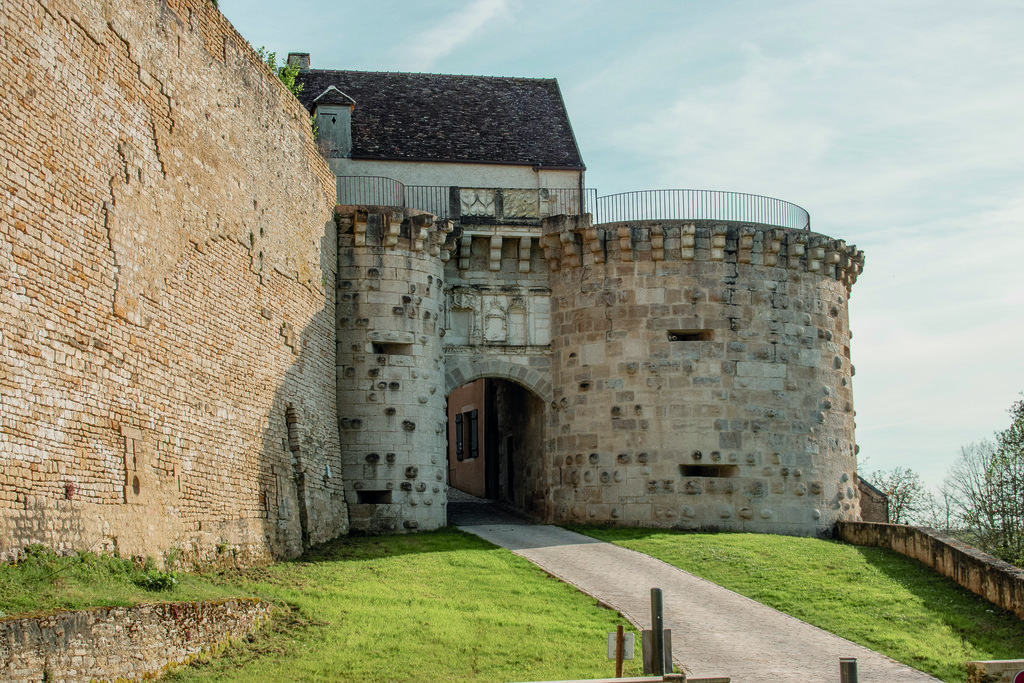
© Noemie Pompon
TRAVEL ESSENTIALS
GETTING THERE
Vézelay is in the Yonne department in the north-central part of Bourgogne-Franche-Comté, about 75 miles from both Beaune and Dijon, and a 2h 30m drive from Paris. You can take a regional train to Sermizelles, but you’ll have to take a taxo the 5 miles to Vézelay (about €30). You can rent a car at reasonable rates in Dijon or Auxerre, both direct from Paris by train.
VEZELAY AND THE ARTS
Many famous artists, writers, composers and architects have passed through or settled in Vézelay Le Corbusier had an atelier here. His friend and fellow architect. Jean Badovici formed a partnership with designer Eileen Gray to transform several houses in the village. Writers Georges Bataille and Jules Ray, whose gardens are open to the public, lived here. The Musée Zervos houses the art collection of Christian Zervos, founder of the famous French literary jounal Cahiers d’Art, that includes works by Giacometti, Miró, De Staël and Kandinsky.
WHERE TO EAT, STAY AND SHOP
You’ll find all of the village’s boutiques along Rue Saint-Étienne. For a taste of the local wine, head to Cellier de l’Abbaye (25 Rue Saint-Étienne), Martin Barbieux’s wine shop, where you can sample his wines along with local craft beer, Crémant de Bourgogne and other specialities from the area. Claude Matoux’s La Voie Parfumée honours Mary Magdalene, patron saint of perfumers, with her custom-designed perfumes. In the square at the foot of the village, the recently renovated Hôtel de la Poste et du Lion d’Or mixes the historic and contemporary in stylishly cosy roams fumished with antiques. Rooms at the back of the hotel offer eye-popping panoramic views. The hotel restaurant is among the best in town, along with the gastronomic restaurant Le Cheval Blanc. also on the square. Le P’tit V café and wine bar is a great choice for homemade dishes with plenty of vegetarian options.
TOURIST INFORMATION
Vézelay Tourist Office: 8 Rue Saint-Etienne, www.destinationgrandvezelay.com
Maison du Visiteur: Place Adolphe Guillon
From France Today Magazine
vezelay-visiteur.com
Lead photo credit : CREDIT CORENTIN JANVIER
Share to: Facebook Twitter LinkedIn Email
More in Burgundy, French villages, pilgrimage sites, Plus Beaux Villages
Related Posts

Leave a reply
Your email address will not be published. Required fields are marked *