
Triple Anniversary for this Unique 1930s Villa in the North of France
Sponsored
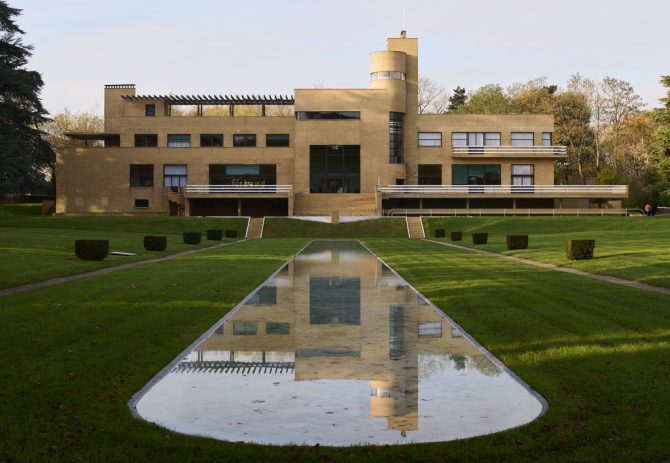
The Villa Cavrois, the most accomplished work of architect Mallet-Stevens, is celebrating 3 different anniversaries in 2025, making it the perfect time to (re)visit this stunning French monument.
A weekend of events, workshops and performances is planned on June 13-14 to commemorate this triple anniversary: the 10-year anniversary of the villa’s opening to the public, 80 years since the death of its architect, Robert Mallet-Stevens, and 100 years since the Paris Art Décoratifs exhibition which likely set its construction in motion.
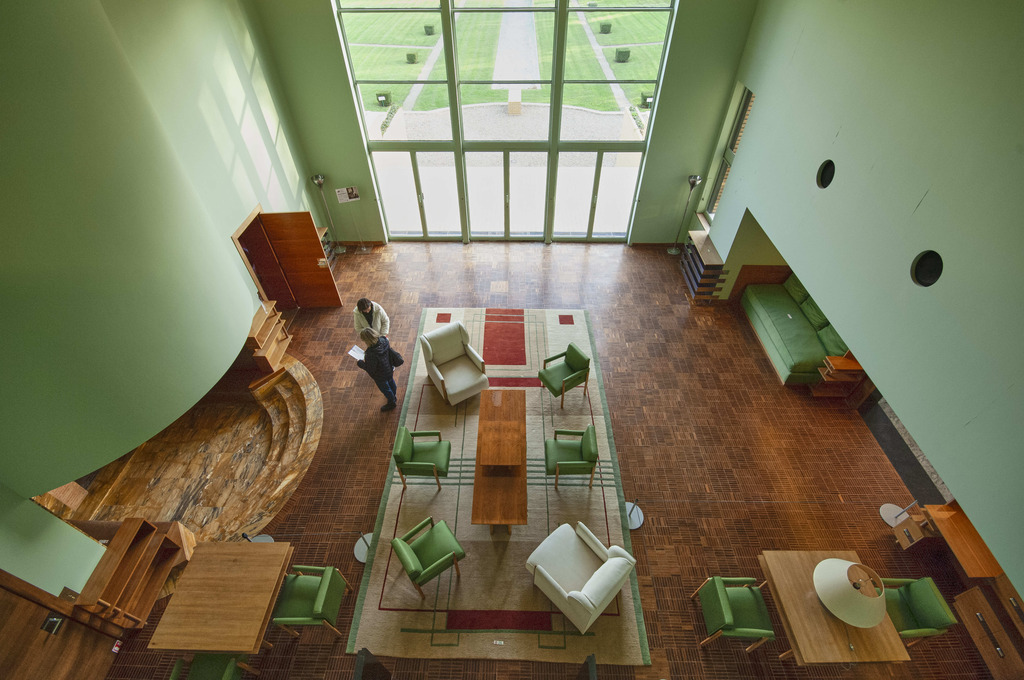
The living room-hall © Léandre Guenard / Centre des monuments nationaux
Master of modernism
Built in the early 1930s, in the Nord département, for the wealthy Cavrois family, the Villa Cavrois is the brainchild of visionary architect of the time, Robert Mallet-Stevens. Industrialist Paul Cavrois had commissioned the construction of a large, modern family home which he wanted to build far from the 5 factories he owned in Roubaix producing high-end fabrics for Parisian fashion houses.
It is likely that Cavrois was first intrigued by the creations of Mallet-Stevens which he would have seen during the 1925 Exposition des Arts Décoratifs in Paris. The architect had created the tourism pavilion which featured a 36-metre high, square bell-tower.

Sketch of the Tourism Pavilion for the 1925 Decorative Arts exhibition, by Robert Mallet-Stevens
Cavrois and his wife then saw more of the architect’s work – and were convinced to have him draw up the plans for their family home – when they visited the newly inaugurated Rue Mallet-Stevens, in the 16th arrondissement. Opened in 1927, the street is lined by residential buildings made of reinforced cement, all designed by the architect. Notable homes include the house-and-workshop of the Martel twins, both sculptors, and the Allatini residence, infamously annexed by the French Gestapo. Mallet-Stevens himself lived at n°12 where he also had his architecture practice.
While Mallet-Stevens was already renowned and sought-after, it’s this particular project for the Cavrois, plonked in France’s most industrialised region of the 20th century, that truly cemented his reputation (pun not intended!). Given free reign by the Cavrois, Mallet-Stevens was able to fully express his modernist vision and create a ‘modern castle’ of clean, geometrical lines, minimalist elegance and functional and healthy living. It is considered his masterpiece.
Despite this, the architect, who started his career creating cinema decor and furniture, was not always properly considered by his peers. He died in 1945 and his genius was only fully recognised and rehabilitated after the 1980s.
The villa itself fell into disrepair during and after World War II. It was bought by the state in 2001 and underwent extensive renovations. It was finally opened to the public in 2015.
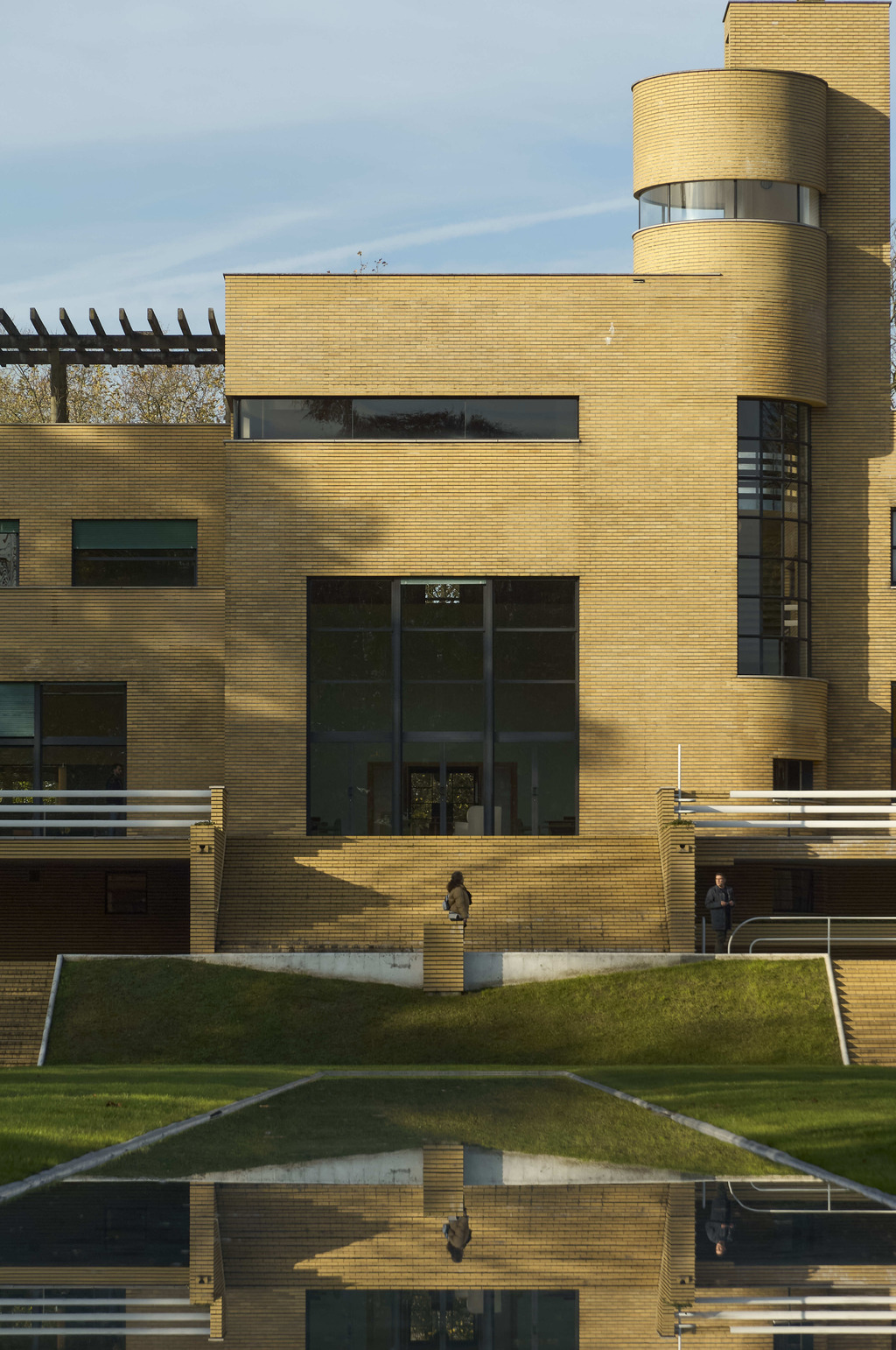
Facade of the villa, overlooking the gardens © Léandre Guenard / Centre des monuments nationaux
1925 Heritage
The 1925 Decorative Arts exhibition in Paris marked a turning point in architectural design in France. In a post-war society where transformation and creativity were thriving, the exhibition was a springboard for the Art Deco movement which believed urban and decorative design should be intertwined with nature.
To commemorate this visionary era, the Villa Cavrois is hosting an exhibition presenting a sample of furniture and ceramic masterpieces from the 1920s-1930s. These will be put into sharp relief within the contrasting style of Mallet-Stevens, though he too believed natured played a vital role in architectural design.
The exhibition is curated in partnership with the Mobilier National (les Gobelins) and the Manufactures Nationales de Sèvres and will run from May 13 to September 14.
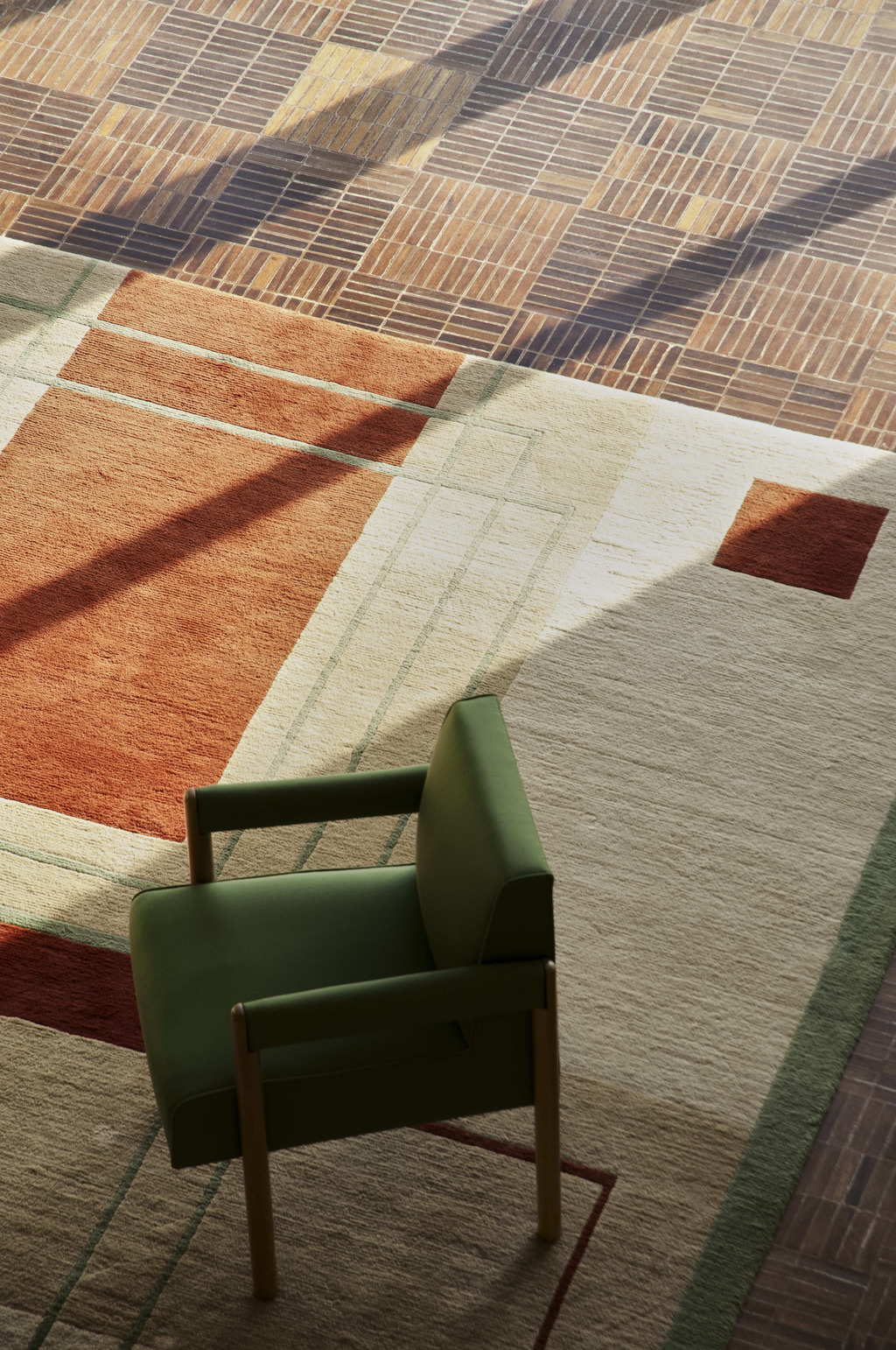
Living room chair, seen from the mezzanine © Léandre Guenard / Centre des monuments nationaux
Lead photo credit : Villa Cavrois © Benjamin Gavaudo / Centre des monuments nationaux
Share to: Facebook Twitter LinkedIn Email
More in 1930s architecture, Discover the secrets of France's heritage sites, French design, north, Villa
Related Posts

Leave a reply
Your email address will not be published. Required fields are marked *