
Meet the Faces of Vendée: Three Inspiring Portraits
Sponsored
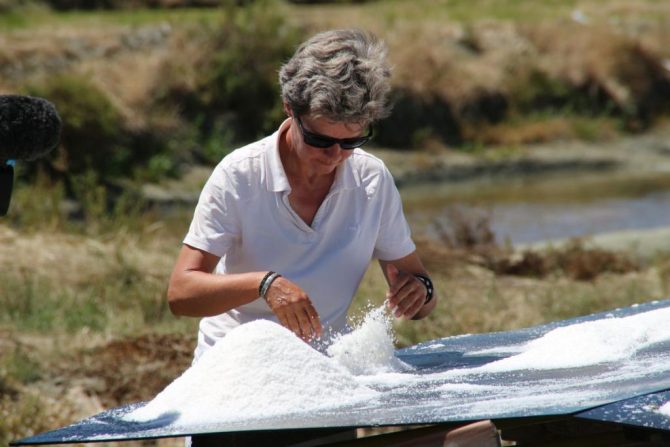
From the salt marshes to the stables and into the kitchen, meet three passionate locals who embody the spirit of Vendée: a saunière preserving centuries-old traditions, a horse handler with a deep bond to the land, and a chef celebrating regional flavours one plate at a time.
Elisabeth Wattebled, 53, salt worker on Noirmoutier
Nothing destined Elisabeth Wattebled to become a salt worker. This Ch’ti from around Hénin-Beaumont, in Pas-de-Calais, was a public works engineer. But during a visit to the salt marshes of Noirmoutier, something powerful stirred in her.
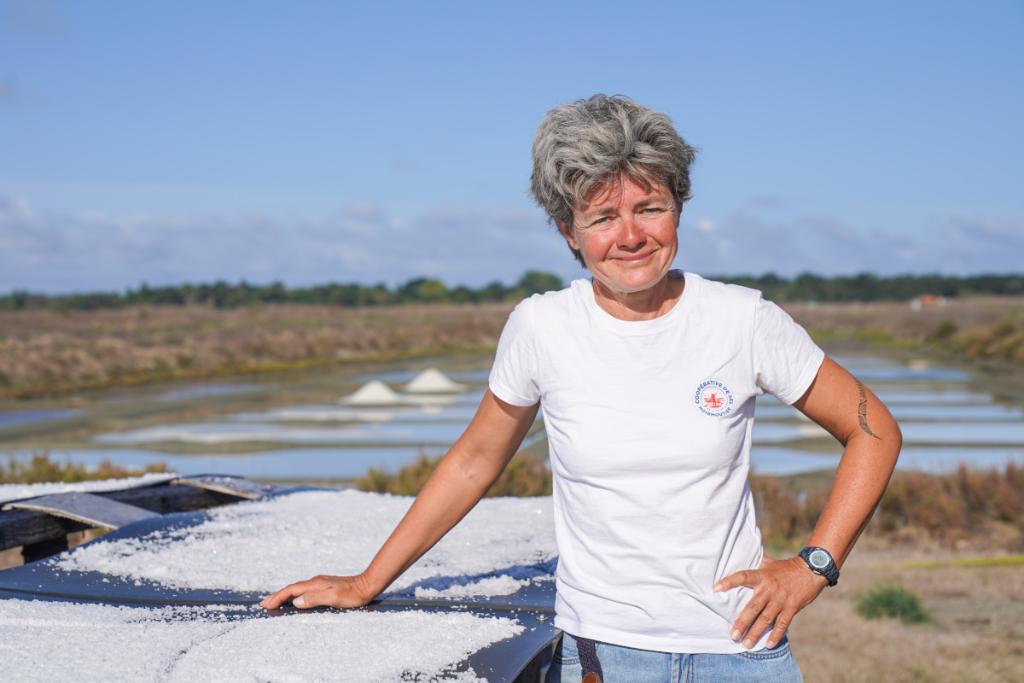
Elisabeth on her own salt ‘farm’ © Cindy
“It was purely by chance,” Elisabeth recalls “I went on a tour of some salt marshes and I encountered this trade. It echoed with many of my aspirations to do something much more tangible and useful. Salt is the one food we cannot live without. A baker will always need salt, so will a butcher, a fishmonger… And the interaction and immersion in nature – to be outside and living to the rhythm of the weather and the elements – that really spoke to me.” That was in 2015. It took Elisabeth three years to change her life around, learn the trade, tour the different salt areas of France before packing her bags and landing on the island of Noirmoutier, just off the coast of Vendée.
“I experienced a real ‘coup de coeur’ for Noirmoutier,” she says. “I arrived there in November, the weather was so gloomy. I stood at the end of the Jacobsen pier, crying because of the immensity of my decision and the financial hurdles I had to face. But I loved the island. I love the safety an island gives – you have the impression everyone knows each other, and there’s an unsaid complicity among island-dwellers. I don’t own a car and can do everything I need to do by bike. Honestly, I rarely leave my island!
“The ocean is omnipresent; you live with the winds, the tides, the waves. The little fishermen’s houses are particularly pretty and there’s so much diversity – one beach cove is totally different from another on the other side of the island. There’s so much life too: I saw a weasel in the marshes yesterday! I was so happy!”
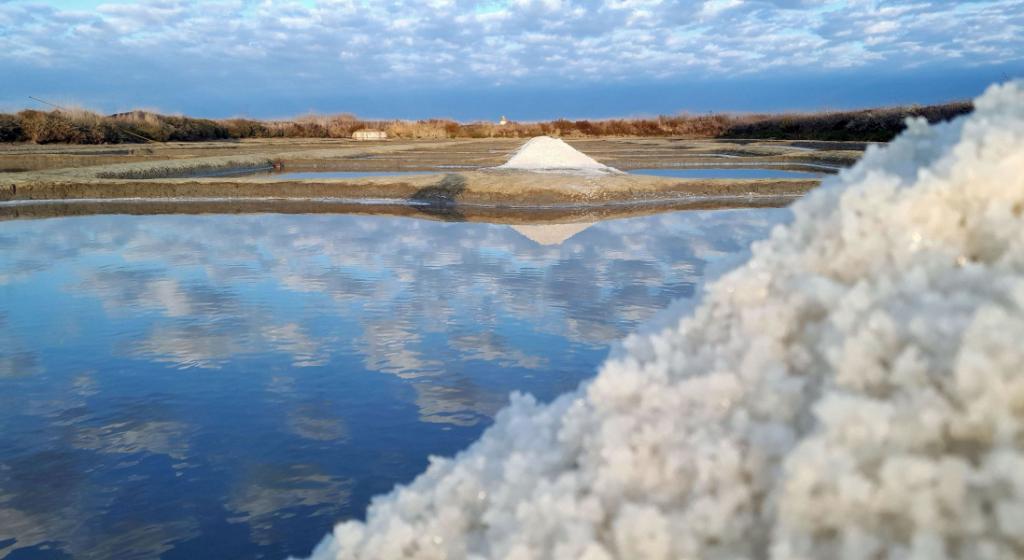
The salt marshes © Elisabeth Wattebled
Working the salt marshes is grueling. The saunières and sauniers have to ensure a constant and steady flow of sea water through little rivulets that pool into shallow ponds (known as oeuillets, eyelets). Their job is to maintain the water levels. In the winter, they clear the channels of mud and sediment. By mid-May, everything has to be ready to start letting the seawater flow through and slowly evaporate to leave only the white gold of the marshes: salt.
Nothing is mechanised so the work is slow but that’s exactly how Elisabeth likes it. “It’s a technical job because we have to manage the depth of each little channels and ponds – you have to be precise. And of course, it’s quite physical because we use only manual tools but that’s part of the charm of the job,” grins Elisabeth. “Mostly, I love the slow pace of my life now. I’ve learned to really slow down and accept that not everything is under my control. Look, it rained heavily earlier this week so now I’m off for 2-3 days while I wait for the salt levels to return to normal.”
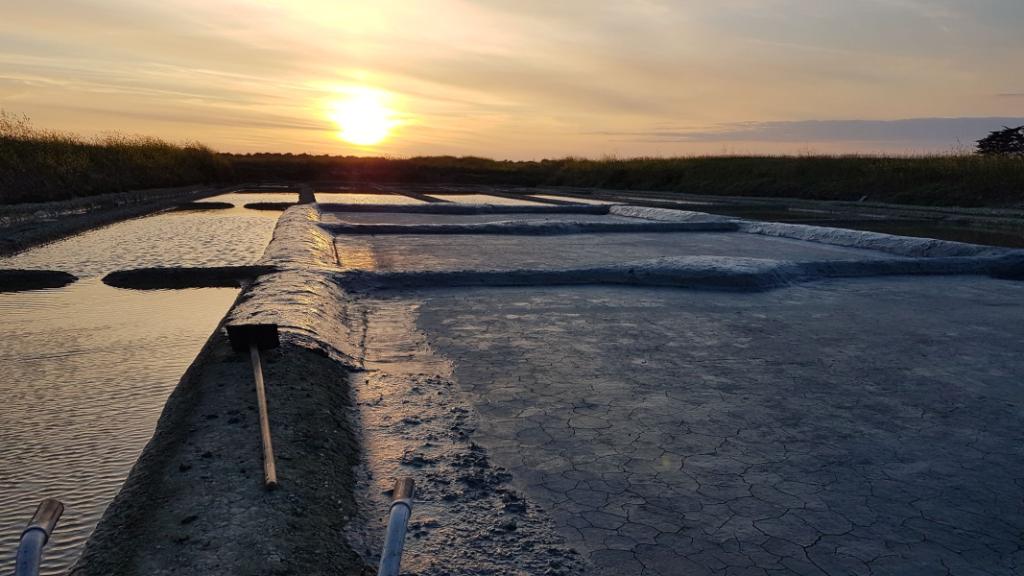
The sun sets on Noirmoutier © Elisabeth Wattebled
A slow pace that Elisabeth wishes visitors would embrace more when they come to the marshes. “To better understand and enjoy the marshes, one must be on foot and take the time to stop and look and see the mystical ambiance of these unique environments.”
Pascal Remigereau, 52, horse handler for the Puy du Fou
While Elisabeth happily adopted Vendée for her new life, Pascal is a born and bred Vendéen, and particularly, a child of the Puy du Fou, France’s hugely popular historical theme park. “I owe the life and career I have now to the Puy du Fou”, Pascal says with emotion. Starting off as a volunteer at the then burgeoning park, he was there when the Puy du Fou as we know it today truly took form in 1989 and even worked on the creation of the grandiose night-time show, la Cinescénie. “At the time, we were doing horse acrobatics but mostly for fun. Then we were asked to create a fully-fledged show for the Puy du Fou which was an incredible opportunity. After that, I never left,” he says.
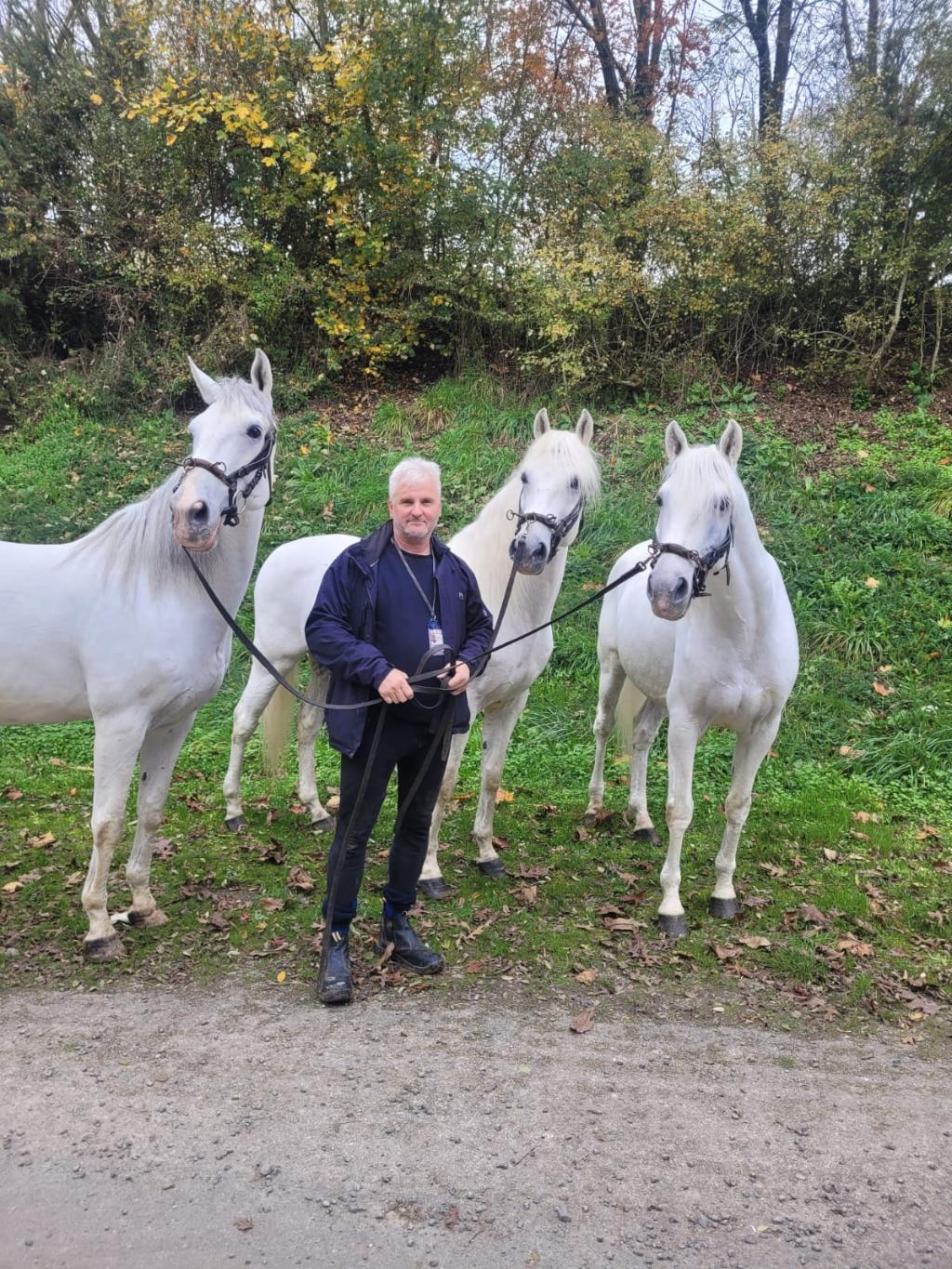
Pascal with a group of nearly-retired horses
Pascal dipped his toes in falconry but his true passion lay with horses: dressage, jousting and fighting, jumping… He specialises in ‘free-reign’ handling: starting with reigns and leeches during practice and training, the aim is to have a horse perform completely untethered during shows. “In 2006, we created the Musketeer show in which three horses perform synchronised choreographies, on beat to the music,” Pascal explains enthusiastically.
The horses – Iberians – are cherished and pampered throughout their careers within Puy du Fou. Hand-picked in Spain and Portugal, they come to Vendée aged 3 to 5 years old and work for around 10 years before retiring. There are 247 horses currently working at the park, with groups rotating every day to not tire them. Pascal oversees groups of 15 horses which are divided into trios according to the shows they are working on. “We follow a strict animal well-being charter,” he explains.
As well as a handler, Pascal also trains young volunteers – aged between 14 and 25 – who seek to join the ranks of the hundreds of talents working to bring the dozens of historical shows that captivate millions of visitors each year. Pascal’s proudest achievements are the educational workshops he started 12 years ago – which has seen many aspiring trainers and handlers go through the ranks – and when French singer Florent Pagny asked him to train a horse for the video clip of his song L’Instinct, which was also filmed in the Puy du Fou.
Pascal met his wife at the park, his three children have all taken part in the volunteer program and have pursued work in the entertainment industry. “My house is right next to the park, I live and breathe Puy du Fou and I love Vendée. Between the sea and the bocage (wooded hinterland), I think it’s a land of great beauty,” he says. “You meet passionate and frank people; it’s a land of pure authenticity.”
Jean-Marc Perochon, 65, chef at Bretignolles-sur-Mer
Another child of the area is Chef Jean-Marc Perochon. With a Vendée-born father and a Parisian mother who fled the capital’s hubbub for the quieter and greener Vendée, Jean-Marc spent his childhood exploring the marshes of Poitevin. “I grew up following my granddad everywhere on his farm, working in the vegetable plot and in the fields,” says Jean-Marc. No wonder then, that the chef values local products in his Michelin-star restaurant Les Brisants, located on the beach at Bretignolles-sur-Mer.
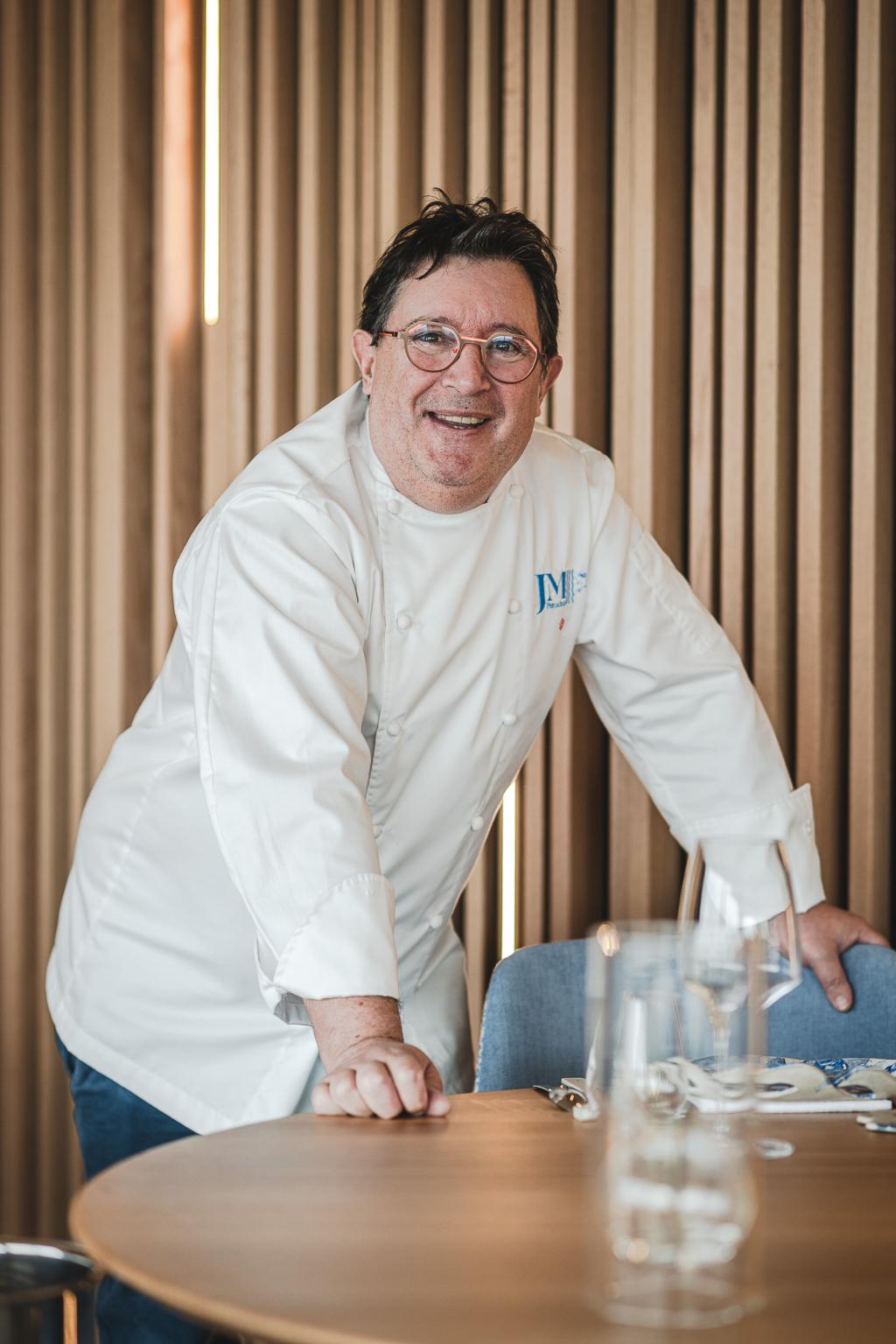
Chef Jean-Marc Perochon
Before earning a spangled mention in Michelin’s guide though, Jean-Marc worked his way up in the kitchens. And before settling for Vendée, he travelled far and wide. “I started off doing la plonge (dish-washing) in a local, traditional restaurant, and I fell in love,” he remembers. “I really loved washing the mussels and would get offended if I didn’t get asked to do it.”
After going to a hospitality industry school in La Roche-sur-Yon, he travelled to Scotland, Germany, Morocco – in Marrakesh, he met a woman who found him a job as an assistant chef in Courchevel. When he got there, the head chef didn’t turn up so he was told to take their place, at the head of the kitchen. He was 20.
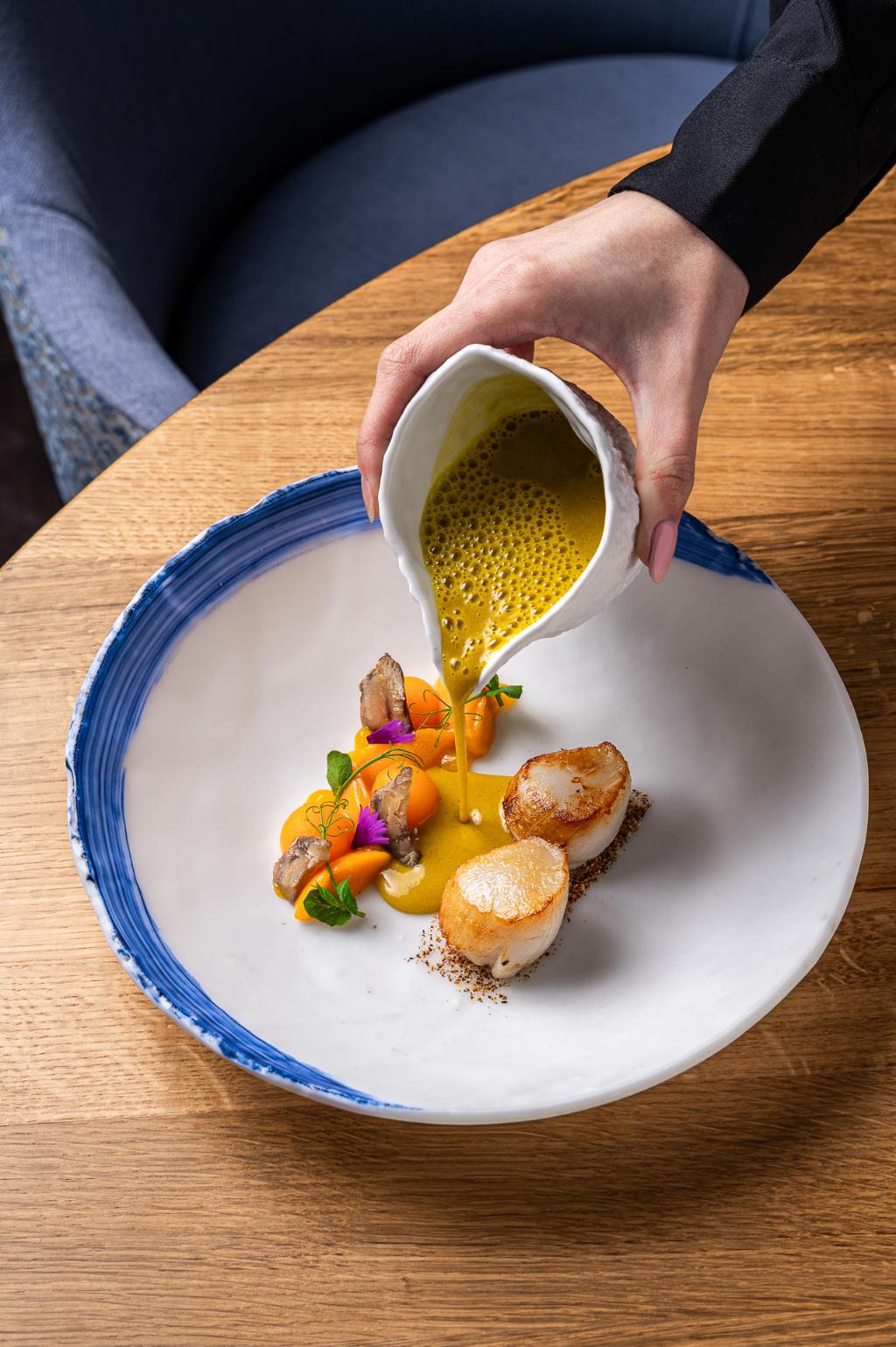
Sea-inspired cooking in his restaurant Les Brisants
He returned to Vendée in 2005, having run a successful restaurant in the north of Brittany beforehand. He and his wife spotted Les Brisants, which had filed for bankruptcy, and embraced the adventure. They and a small team of six other people took on the challenge and worked relentlessly to bring the restaurant back from the abyss. In 2014, they were rewarded with the ultimate goal for a chef: a Michelin star.
Les Brisants makes it a point of honour to use local produce in the kitchens. “We work with local producers exclusively – Benjamin Laborde is our partner fisherman, we also call upon a farm located 30km away and an organic maraichère, edible flowers and herbs come from the neighbouring village, our shells and seafood come from Les Sables d’Olonne…we don’t source anything from far away,” Jean-Marc explains. “Les Brisants is a seafood and fish restaurant. Everything is centered around the ocean.”
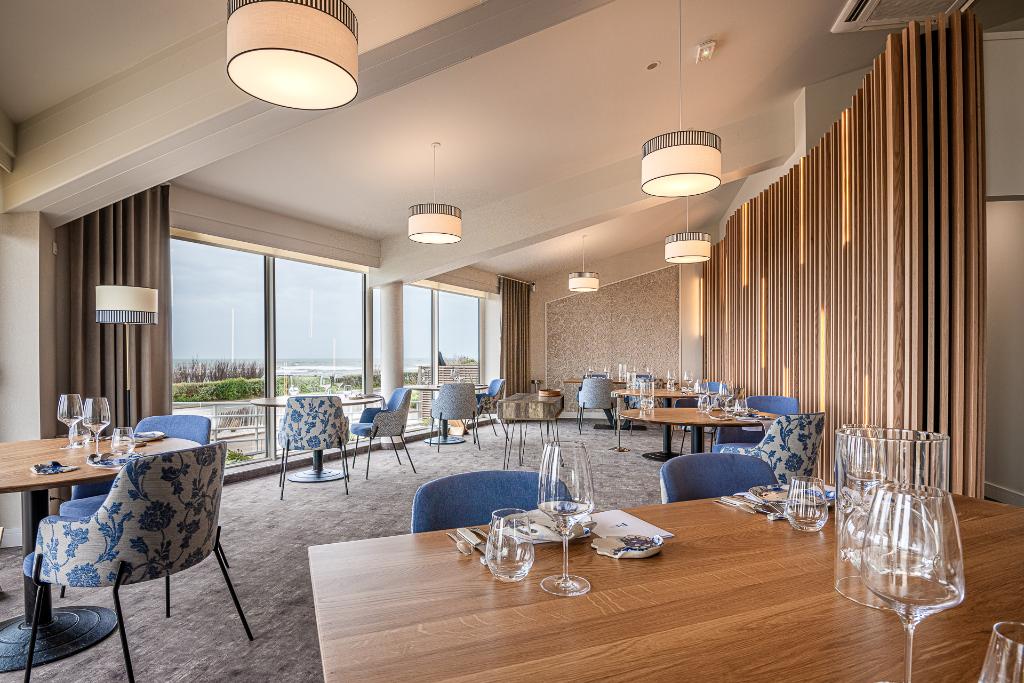
The ocean is ever present in Les Brisants
This translates outside the plate too. The dining area faces a vast window that offers a panoramic view of the beach and the ocean. A view that Jean-Marc cherishes above all else. “Like all Vendéens, I am very attached to our land,” he says. “It’s visceral. It’s my home. Life is good here and the people are so friendly and welcoming. Whenever you talk to visitors, that’s what comes out most, the welcoming feeling you have here. True douceur de vivre.”
For more information on exploring Vendée, visit: www.in-vendee.com
Lead photo credit : Elisabeth sorting the salt on Noirmoutier © Sylvain Ciuba
Share to: Facebook Twitter LinkedIn Email
More in Atlantic coast, French coast, interviews, portraits, Vendée
Related Posts
Leave a reply
Your email address will not be published. Required fields are marked *