
Les Amis du Château de Fontainebleau: Guardians of France’s Living Royal Legacy
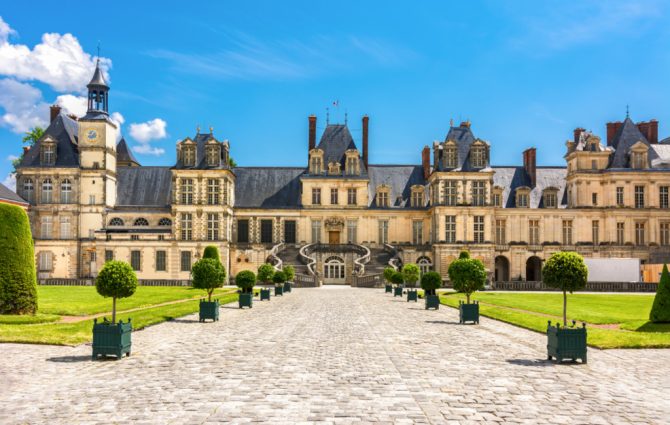
Once a favorite retreat of French royalty, the Château de Fontainebleau has faded from the spotlight but remains on the tourist map, thanks to the tireless efforts of a small nonprofit.
Tucked inside a forest an hour southeast of Paris, the Château de Fontainebleau is one of France’s most historically significant yet underrecognized royal residences. Unlike its more famous counterparts, Fontainebleau was home to every French monarch—from the Capetians to Napoleon—and is the only château in the country to have served as a continuous royal residence for over eight centuries.
Over time, Fontainebleau became the site of key moments in French history, including the signing of the Edict of Fontainebleau and Napoleon’s first abdication, as well as a center of Renaissance art under François I. For Napoleon I, it was “la vraie demeure des rois, la maison des siècles”—“the true home of kings, the house of centuries.”
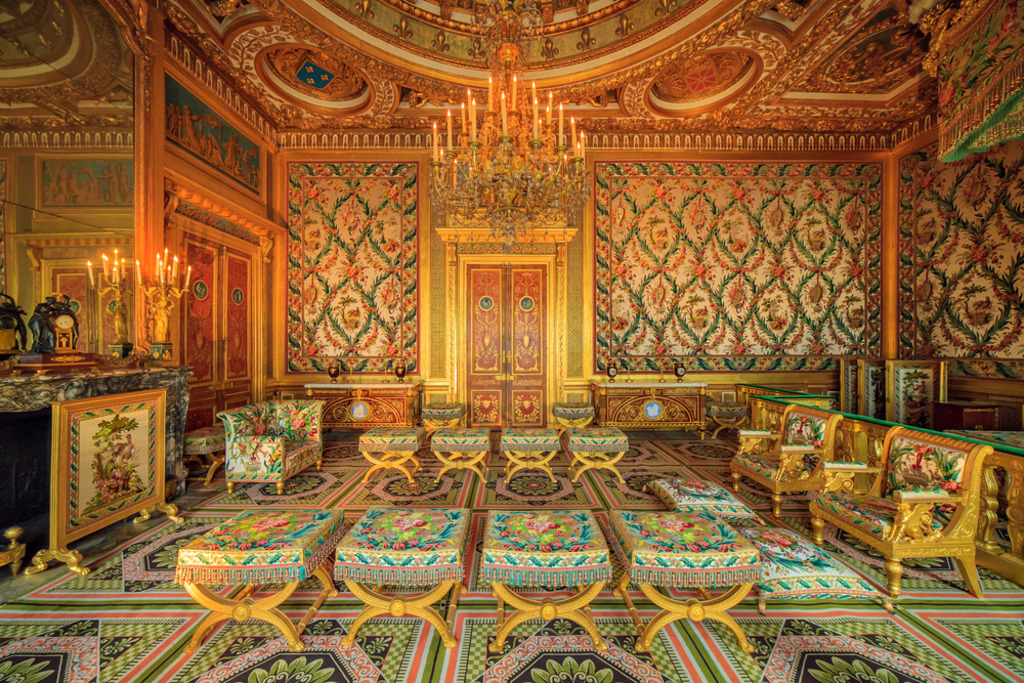
Spanning the medieval era through the imperial age, the château earned UNESCO World Heritage status in 1981 for its architectural evolution, its role as a seat of power across dynasties, and its influence on European art—particularly through the Fontainebleau School, which introduced Italian Renaissance styles to France and helped shape decorative arts for generations.
© Shutterstock
Yet despite its role in shaping France’s political, cultural, and artistic legacy, Fontainebleau receives far less attention than its peers. Versailles welcomes over 7.6 million visitors each year, while the châteaux of the Loire Valley draw several million. Fontainebleau, quieter by comparison, sees about 500,000 visitors annually—though for many historians, it tells the fuller story.
That story is being preserved and shared by Les Amis du Château de Fontainebleau—the Friends of the Château. Founded in 1982 by local heritage enthusiasts and residents, the group recognized the need to protect the site and recounted the community with its legacy.
Today, the group counts more than 1,000 volunteer members and organizes public lectures, guided tours, youth programs, and community events to help share the château’s past. Its mission is to “support the influence, preservation, and promotion of the Château de Fontainebleau both in France and abroad.”
One of those volunteers is Marie Mangeot, the association’s vice president, who first became involved as a high school student. “I attended high school [in Fontainebleau],” she says. “A family member was involved with the association of the Friends of the chateau and volunteers being in demand I was quickly adopted.”
Marie shares how the association has made it a priority to reach younger audiences and build the next generation of heritage advocates. Two years ago, they launched a Young Friends section for ages 18 to 35, aimed at mobilizing students and young professionals to organize their own events and special visits to the château.
One such initiative was a live demonstration of jeu de paume, the historic predecessor to modern tennis once favored by French royalty. The château houses one of only three remaining jeu de paume courts in France. The experience also highlights how several expressions from the game have made their way into everyday French language and remain in use today.
The outreach extends into classrooms as well. Volunteers visit 15 local primary schools to present short lessons on key historical figures—like Napoleon I—to spark curiosity and a sense of ownership over local heritage.
Still, the association faces challenges familiar to many nonprofits. “Fundraising is our biggest challenge as none of the board members has a background in this area,” Marie notes. And despite its rich history, Fontainebleau lacks the branding muscle and global name recognition of other French landmarks.
© Shutterstock
Still the volunteers work hard to ensure the community is engaged with the site. “We take part in many events held by the municipality, we organize lectures at the town hall, we attend the ceremony for newly arrived inhabitants, we participate [in] senior gatherings for the opportunity to present the association,” Marie explains. “The young friend circle attends the student events in town.”
The strategy is working—after a dip during the pandemic, membership has rebounded to pre-COVID levels.
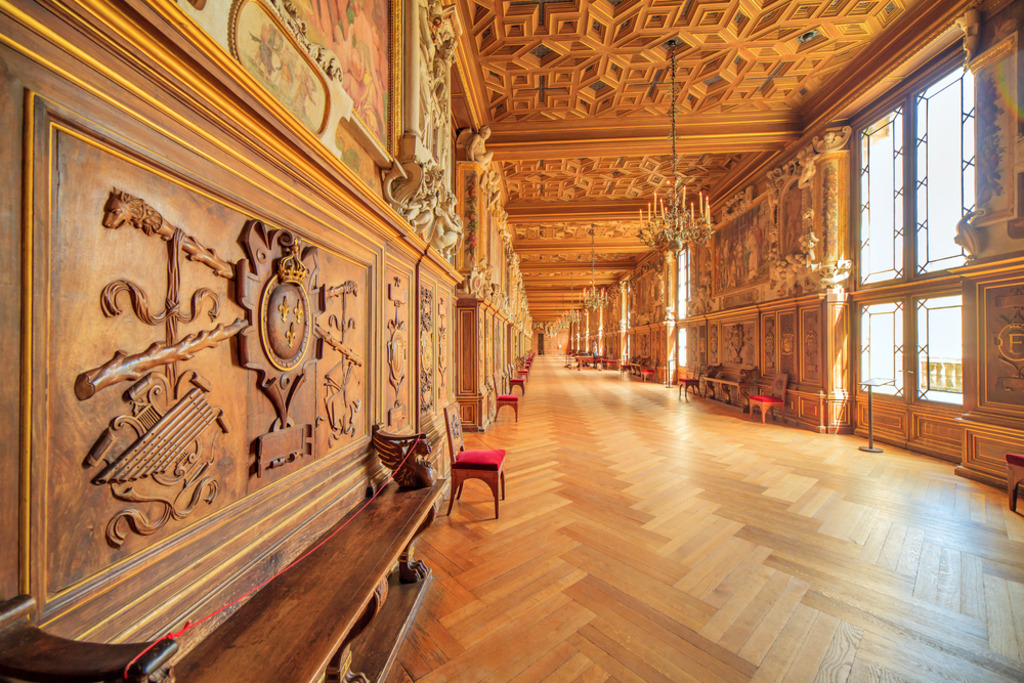
Looking ahead, the association plans to expand its events and continue raising awareness of the château’s layered history. “International visitors see the Palace as Napoleon’s favorite home which overshadows the Renaissance embellishments made by Francois 1er,” Marie says. “Art history buffs put the emphasis on the Renaissance jewels such as the Galerie François 1er and the Porte Dorée. Chinese visitors come to see Empress Eugenie’s Chinese apartment.”
Thanks to Les Amis du Château de Fontainebleau, one of France’s most historic sites continues to thrive as a place where the past and present meet in daily life. As Marie puts it, Les Amis are “keeping the interest for heritage alive” and “getting more people, especially young people, to like the history of their country.”
Lead photo credit : © Shutterstock
Share to: Facebook Twitter LinkedIn Email
More in Castle, Fontainebleau, French chateau, heritage, preservation
Related Posts


Leave a reply
Your email address will not be published. Required fields are marked *