
Dream French Roadtrip: Authentic Southwest France
Sponsored

Justin Postlethwaite explores the Authentic Southwest on a road trip, taking in beautiful towns, villages and countryside, plus culture, gastronomy and more…
It’s 10am on the glorious Place Nationale, the iconic pink-brick heart of Montauban, which sits on the right bank of the Tarn river 50km north of Toulouse. The sun has got his hat on for this glorious late spring day, and so do I. As bar and café owners go about their business along the famed double-vaulted arcades that frame the newly souped-up square, pigeons enjoy a morning preen in the new miroir d’eau (water mirror).

Montauban – Lescoflocs
Formerly named Place Royale until a certain historic event in 1789 saw regal references removed four years later, the latest renovation to this prettiest of cool summer oases bears testimony to the passing of time via key French architectural epochs, with medieval brick towers snuggled up against Renaissance galleries and hôtels particuliers built with pastel trade wealth. Finishing up my espresso and croissant, it provides the perfect backdrop to swoon over what’s in store on my three-day road trip of Authentic Southwest, a new tourism label which showcases the most beautiful villages, historic châteaux, cultural highpoints, stunning landscapes, waterways and walking routes, as well as the rich gustative delights of the departments Tarn-et-Garonne, Gers and Lot-et-Garonne. There is plenty to pack in, so after a quickstep tour of Montauban’s bucket-list spots, including the newly renovated tourist office in the former Jesuit College, Le Jardin des Plantes and the epic Musée Ingres Bourdelle, which houses works by the town’s two most famous artistic sons, I hit the D928 road east to Montech.
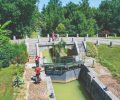
This unassuming charmer holds two trump cards: one engineering, the other culinary. Entering the village, I spot the giant chimney that. formed part of a paper mill (now housing the tourist office) founded in 1857. Great fact: by 1900, four one-metre machines were producing 3,000 tonnes of reeled newsprint a year. The mill is on the Canal Latéral à la Garonne, and a major attraction is the innovative Pente d’eau (water slope) machinery that allowed boats to bypass five locks via a lift powered by two locomotive engines. It ceased operation in 2009 but the recently opened interactive museum on a barge, and snazzlily painted ‘Micheline’ trains, are exceptional examples of industrial heritage. What’s more, the site is an idyllic picnic stop-off for canal walkers.
Heading back into the village just before noon, menu du midi aromas entice me into Montech’s other famous lure: the canalside restaurant Bistrot Constant, opened by the now-retired, Montauban-born culinary legend Christian Constant. Housed in a modernised former lockkeeper’s house, it draws diners from far and wide, all eager to enjoy chef Christophe Marque’s cuisine, which is inventive, reasonably priced and delicious.
DO THE MATH IN BEAUMONT
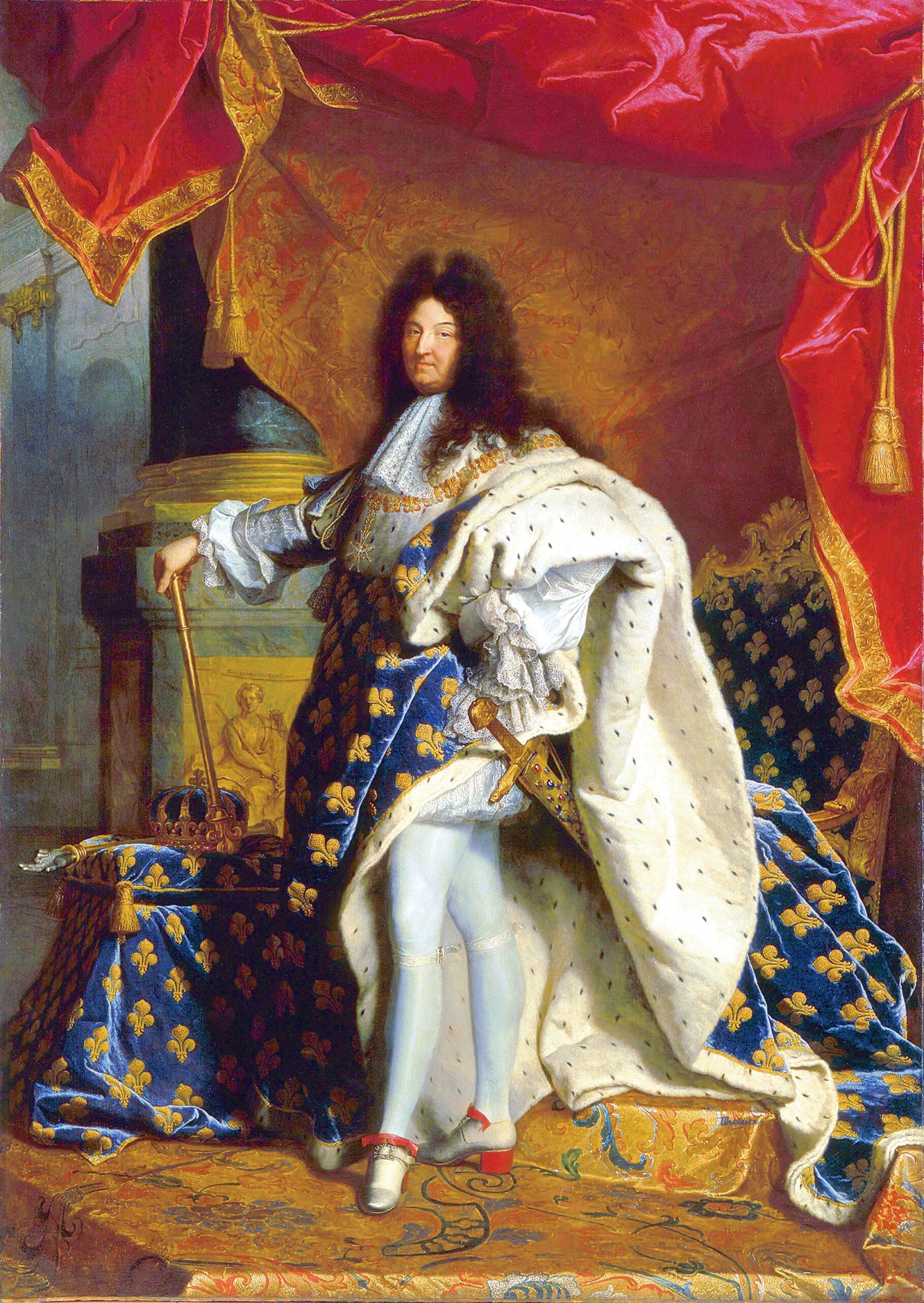
After lunch, a dreamy 20-minute drive into the lovely Lomagne region of gently rolling hills and picturesque villages (between Gascon hillsides and the Garonne valley) brings altogether more cerebral pleasures. Beaumont-de-Lomagne, an idyllic 13th-century bastide with an intact halle (covered market), was where the magistrate-turned-mathematician Pierre de Fermat (1601-1665) was born and spent four months a year holidaying when not working at the Parlement of Toulouse. While the study of maths – notably calculus, analytical geometry and probability -was only a hobby and his theorems were largely only shared in letters, history would judge him a pioneer. Being scholarly is not a prerequisite to enjoying the small museum that outlines his life and times, as well as his contribution to a rich period of discovery and creativity under Louis XIV that gave us, among others, La Fontaine, Molière and canal maestro Riquet. The drive north on the D2 to another eye-catching village, Auvillar, gives me plenty of time to puzzle over, then abandon, any comprehension of Fermat’s Last Theorem (look it up).

Maison Fermat
I park up for a quick stroll around this aesthetically faultless Plus Beau Village de France gem, which is an important stage on the Chemin de Santiago de Compostelle pilgrims’ route. Its stunning circular grain market offers a prize photo opportunity, and I make a vow to return to explore further another time. But for now, I have an hour’s late afternoon drive (windows down) in a southwesterly direction, past Lectoure, into the Gers heartland for an overnight stay at Valence-sur-Baïse.
The roads grow ever narrower and hillsides fill with vines and billboards to mark the Côtes de Gascogne winemaking terroir. Signs for local aperitif Floc feature prominently too. After I’ve climbed up the church tower for a lovely view of the fetching village square below, I thoroughly enjoy a snifter of this delicious drink-un vin de liqueur (fortified sweet wine blended with young Armagnac) – before dinner at Le Petit Cochon, the lovely renovated village villa of my friendly chambre d’hôtes owners, Saskia and Andrew. They serve up a delicious array of local treats including new season Gariguette strawberries and convivial chat.
THE SPIRITUAL SIDE
Next morning, an early-ish rendez-vous at the nearby Abbaye de Flaran, founded in 1151 and one of the best-preserved abbeys in the Southwest, ensures pre-rush tranquillity and the chance to appreciate this alluring Cistercian abbey in all its soothing, spiritual glory. The stern, modest appearance was not devised by chance -Cistercian monks adhered more strictly to the Rule of Saint Benedict (labour and prayer, little comfort), which they believed had gradually been eroded by the ‘excesses’ of the Benedictine order.
The gardens, cloister (jardin de l’esprit) and Romanesque church are calm epitomised, while, perhaps surprisingly, a former dormitory is now home to the Mickaël Simonow collection, a staggering showcase of modern art, which includes works by Cézanne, Renoir, Matisse, Picasso, Monet and a personal favourite, Dali’s Space Elephant sculpture.
LOCK AND LARRESSINGLE
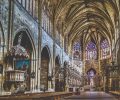
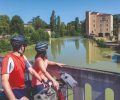
Following a brief yet memorable visit to the nearby hamlet of Graziac to catch a glimpse of the bucolic idyll around its double lock-the Baïse river is navigable, with self-drive or skippered cruises available I make the short hop up to Condom. Funny name for Anglophones, admittedly, but it boasts some serious history. The former bishopric is another important stop-off for Saint-Jacques de Compostelle walkers, while its majestic Cathédrale Saint-Pierre is an imposing edifice in the flamboyant Gothic style, and boasts a breathtaking cloister. I learn that during the town’s famed annual bandas (fanfare band) festival in May, this tranquil space becomes a party hotspot, while the Company of Armagnac Musketeers meet here each year for a gala dinner and induction ceremony (Condom was a major port for the transport of the local brandy from 1839). An unmissable selfie opportunity is provided by Georgian sculptor Zurab Tsereteli’s statue of D’Artagnan and the Three Musketeers in front of the cathedral.

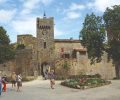
Leaving Condom in the rear view after a nice lunch en terrasse at 1,000 Colonnes, my next stop. east on the D15 is Larressingle, a 13th-century Plus Beau Village with a twist. This is the smallest fortified village in France, built by a seigneur whose castle’s dry moat also protected villagers living alongside. It is the most visited free tourist site in the Gers – with its dining and refreshment amenities, trinket boutiques and total immersion in medieval history, it’s hardly surprising. Our American readers will enjoy learning about the generosity of the people of Boston in funding restoration projects from the 1920s.

I pop to the nearby Martin Neuf farm to meet Roseline who, with her husband, Jérôme, is a passionate producer of porc noir (a rare pig breed) and duck products, the latter so inextricably tied to this terroir. You can stock up on jars of confit de canard and lengths of saucisson at the on-site boutique or local markets.
After a fleeting pause at Fourcès – another easy-on-the-eye Plus Beau Village bastide, with a wonderful brocante and a uniquely round central hub, I set the GPS for Monflanquin, due northeast. 1 barely pass another vehicle as I wind through twisty lanes, distracted by beautiful properties framed by cherry trees in blossom or cloaked in billowing blooms of wisteria. This paysage is La France Douce (Gentle France) writ large; the very essence of Authentic Southwest.

Duck farm Martin
BEAUTIFUL BASTIDES
After a very pleasant overnight stay at Boulède, a clutch of splendid gîtes just a stone’s throw from Monflanquin run by exceedingly welcoming Dutch couple, Karen and Rolf, I head into the village. This Plus Beau Village founded in 1256 is one of the best preserved in the region, one of 50 or so bastides created by Alphonse de Poitiers, Comte de Toulouse. One can become, quite wrongly, almost blasé about the architectural appeal of such villages but we really must cherish them as visitors. Monflanquin’s Bastides Museum is fascinating, while the sprinkling of restaurants, boutiques and galleries is a winning combination. I am told that the summer night markets are especially magical and popular with visitors, while I also learn a new word – a carrérot is a medieval pedestrian street.

Monflanquin_Janouille©TeddyVerneuil-Lezbroz
This being a Saturday morning, a market visit is essential, so I swap Monflanquin for Villeréal, yet another Plus Beau Village 15 minutes north. It ticks all my French marché boxes: impossibly pretty, with half-timbered houses and a covered halle (with an added second storey flourish) in the main square; local fruits and vegetables in abundance and at a good price (I snap up half a kilo of sweet, juicy pruneaux – dried plums, a nearby Agen speciality for just €3); and cheese trucks that always seem to have the longest queues at market…
By now ravenous, I turn to the elegant Hôtel restaurant de l’Europe, where I enjoy the best meal I have had for a long time. With impeccable yet unfussy service, a duck with asparagus main course (seasonally on point, of course) and a sumptuous dessert giving due prominence to local hazelnuts, it is as good as French dining gets.

RestaurantLaTabledeL’Europe©LaTabledel’europe
Next, a real catch-your-breath moment. After heading east towards the village of Saint-Front-sur-Lémance, I round a bend to be confronted by a behemoth château-fort (fortified castle); from atop a massive rocky outcrop it dominates the valley below with intimidating majesty. The Château de Bonaguil (from bonne aiguille or ‘good needle’ after the pointed shape of the limestone spur before the castle was built upon it) dates from the 13th century and was enlarged by Bérenger de Roquefeuil from the end of the 15th century. It’s a wonder of defensive prowess – high towers, 4m-thick walls so good in fact, that nobody ever attacked it! I recommend an audio guide tour and visiting in summer, when there are music and dance spectaculars aplenty.
WHERE PAST MEETS PRESENT
To conclude the tour in style, I stroll the cobbled streets of the steep medieval stronghold of Penne d’Agenais, perched high above the Lot Valley (boat trips available). It is packed with wow-factor Plus Beau Village sights: ramparts and town gates, fortified houses such as the Tour d’Alaric, and 13th-and 16th-century manor houses, plus the domed Notre-Dame de Peyragude Sanctuary standing proudly at the peak of the village, affording fine views. Living history blends perfectly with modern appeal here, thanks to craft workshops, art galleries and places to rest or eat.

Penne d’Agenais shutterstock_2259553193
With that, my Authentic Southwest road trip concludes, a memorable escape into the pure heart of rural France that we all hold so dear. And the best bit? That there is so much else to explore next time.
From France Today Magazine

Lead photo credit : Penne d’Agenais, © SHUTTERSTOCK
Share to: Facebook Twitter LinkedIn Email
More in south-west France, travel
Related Posts
Leave a reply
Your email address will not be published. Required fields are marked *